Requesting Discovery Form Without A Lawyer In Allegheny
Description
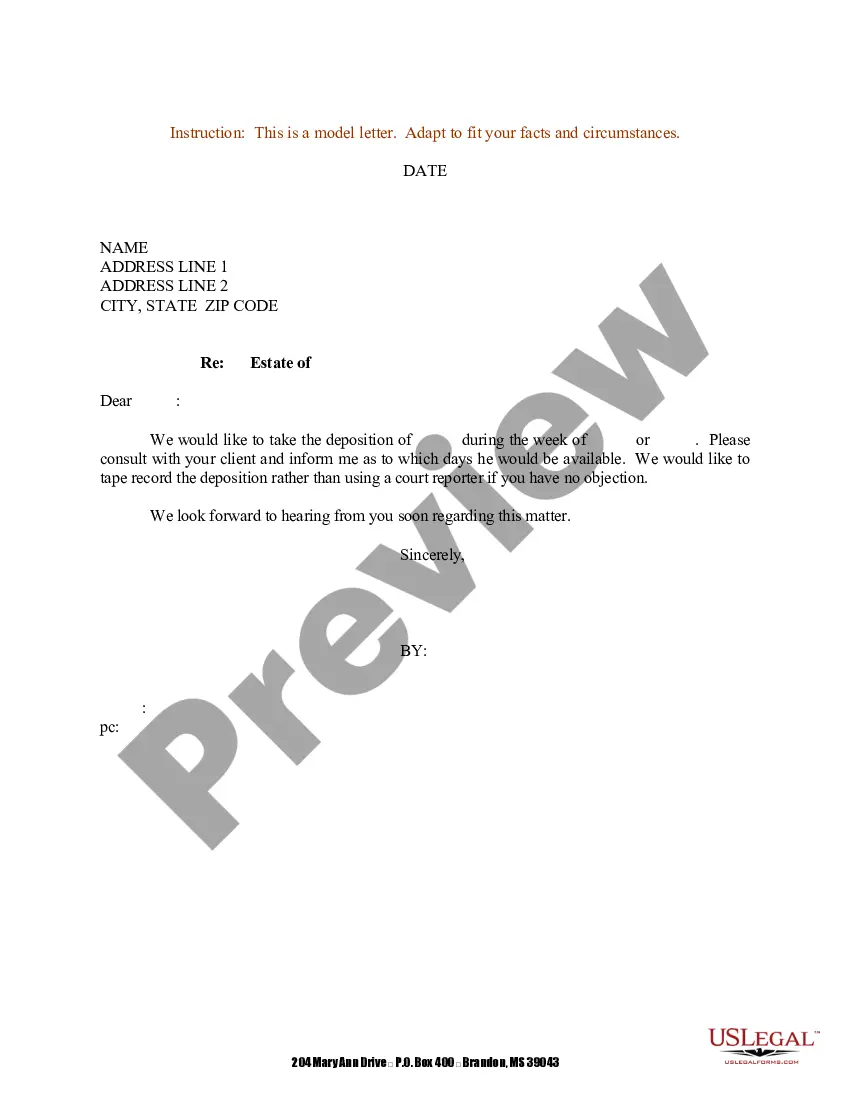
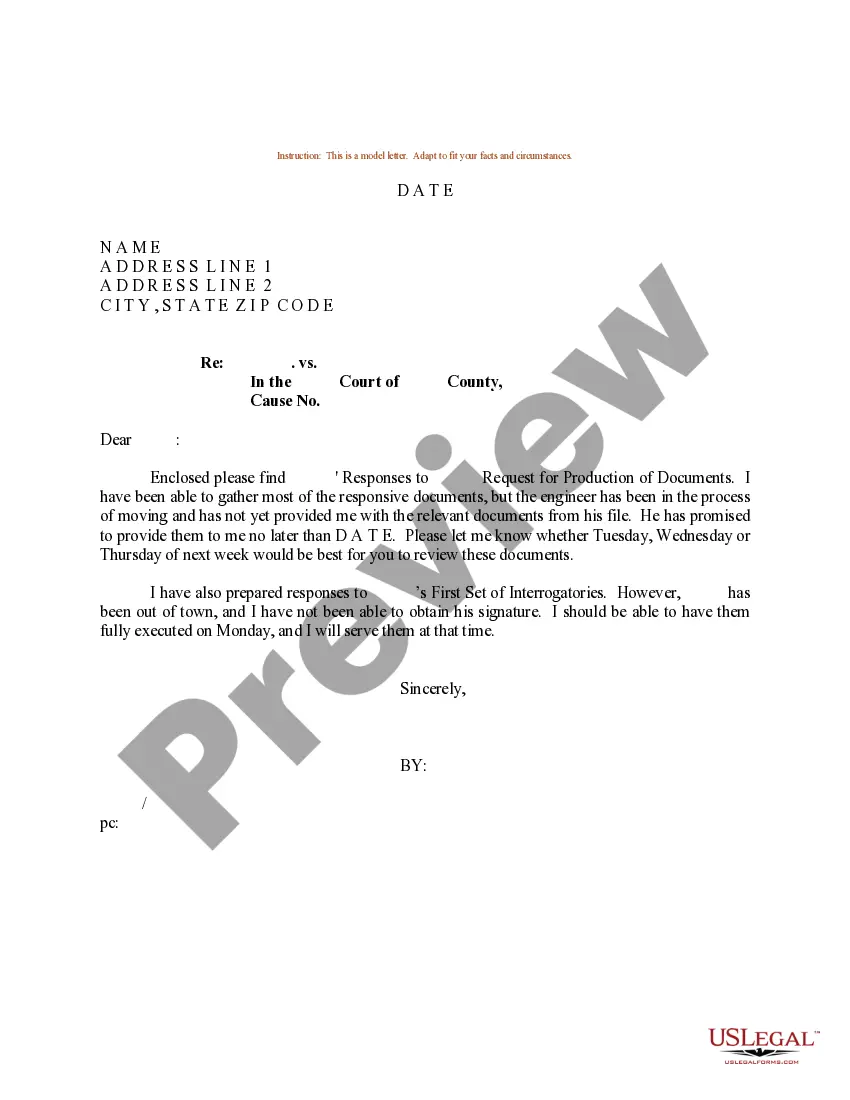
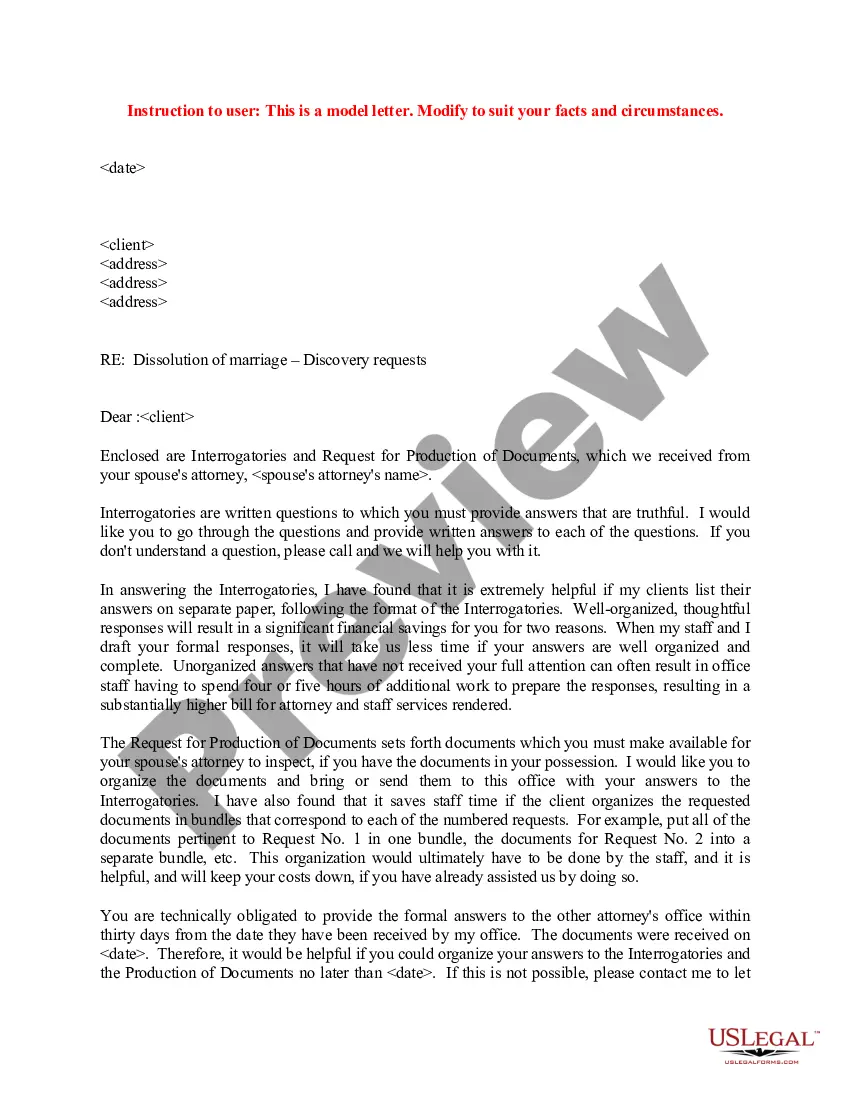
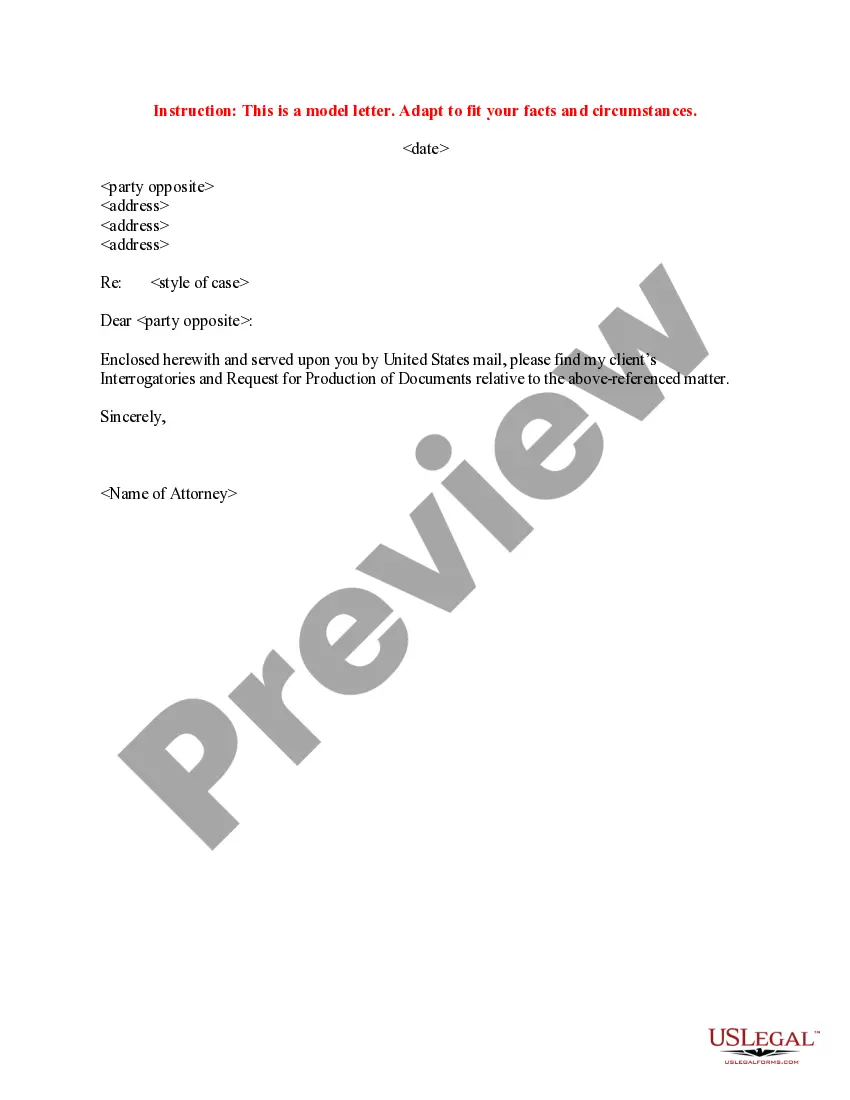
Get your form ready online
Our built-in tools help you complete, sign, share, and store your documents in one place.
Make edits, fill in missing information, and update formatting in US Legal Forms—just like you would in MS Word.
Download a copy, print it, send it by email, or mail it via USPS—whatever works best for your next step.
Sign and collect signatures with our SignNow integration. Send to multiple recipients, set reminders, and more. Go Premium to unlock E-Sign.
If this form requires notarization, complete it online through a secure video call—no need to meet a notary in person or wait for an appointment.
We protect your documents and personal data by following strict security and privacy standards.

Make edits, fill in missing information, and update formatting in US Legal Forms—just like you would in MS Word.

Download a copy, print it, send it by email, or mail it via USPS—whatever works best for your next step.

Sign and collect signatures with our SignNow integration. Send to multiple recipients, set reminders, and more. Go Premium to unlock E-Sign.

If this form requires notarization, complete it online through a secure video call—no need to meet a notary in person or wait for an appointment.

We protect your documents and personal data by following strict security and privacy standards.
Looking for another form?







Form popularity
FAQ
A 'Discovery Request' is a legal procedure where organizations are required to identify and disclose relevant data in response to a judicial order or legal proceeding. It involves finding and preserving information from individuals and business systems that may be pertinent to a transaction or dispute.
The Benefits of Discovery for Both Plaintiffs and Defendants Helps plaintiffs and defendants understand the legal issues at play in the case and better prepare for trial. During discovery, each party can obtain facts from the other through requests for admission, interrogatories, documents, depositions, and more.
Those reasons include a court's crowded docket (which at one time was getting better, but progress was derailed by COVID-19 and is now worse than ever), the limited number of available judges, budgetary constraints, pre-trial challenges regarding the sufficiency of the complaint or the validity of the cause of action, ...
A criminal defendant or his/her lawyer can request discovery from the prosecution by sending them a request/demand for discovery (depending on the idiosyncrasies of the jurisdiction), and, to the extent they don't comply with the request/demand, file a motion with the court to compel discovery.
How Does Discovery Work? There are four main types of discovery requests: (1) depositions; (2) interrogatories; (3) requests for admissions; and (4) requests for the production of documents. Depositions are formal witness interviews.
In the United States, discovery is mostly performed by the litigating parties themselves, with relatively minimal judicial oversight. The Federal Rules of Civil Procedure guide discovery in the U.S. federal court system.
How Long Does the Discovery Process Take? Depending on the type of case, discovery could last a few months to more than a year.
How Does Discovery Work? There are four main types of discovery requests: (1) depositions; (2) interrogatories; (3) requests for admissions; and (4) requests for the production of documents. Depositions are formal witness interviews.
How Long Does it Take to Get Discovery in a Criminal Case? Generally, the prosecution must provide discovery within a set period after the defense's formal request, often ranging from a few weeks to several months.
If you won't have an attorney, complete a Self-Represented Party Entry of Appearance. If you cannot afford filing fees, complete a Petition to Proceed In Forma Pauperis to ask the court to waive them. Apply for address confidentiality if it's unsafe for the defendant to know where you live.

