Resignation Letter With Acknowledgement In Cuyahoga
Description
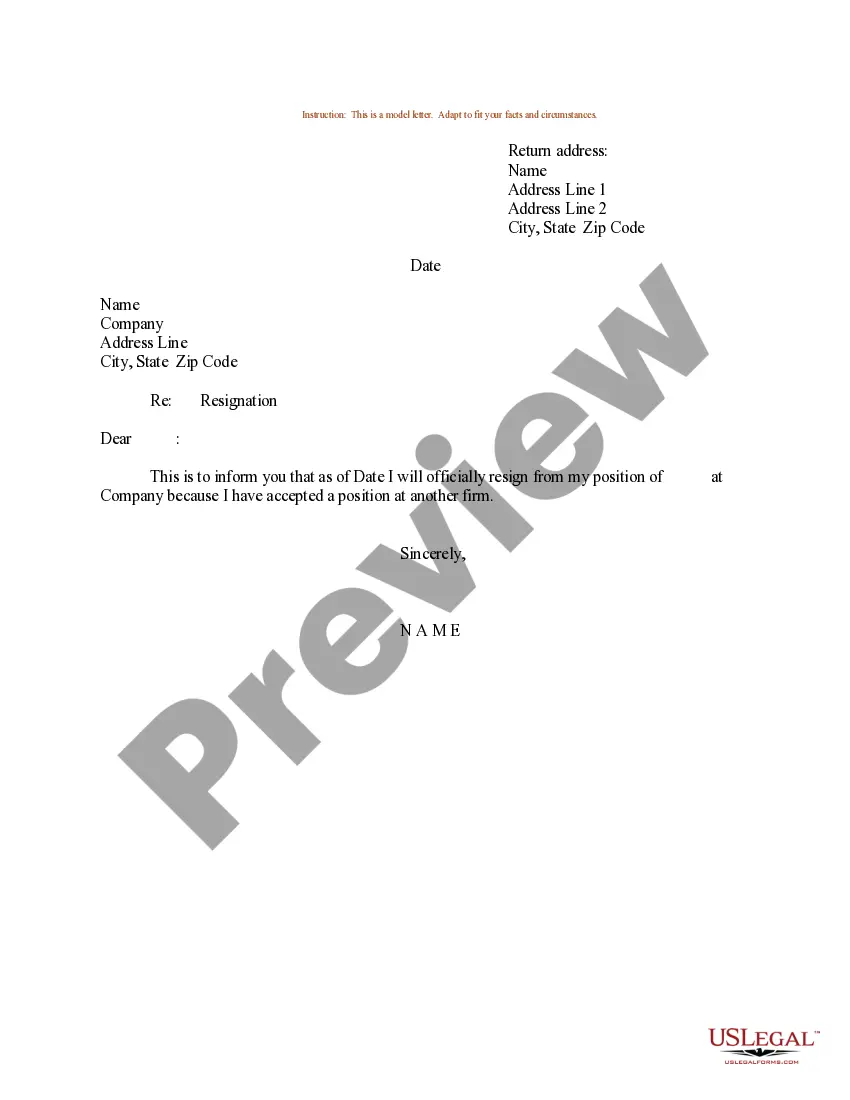
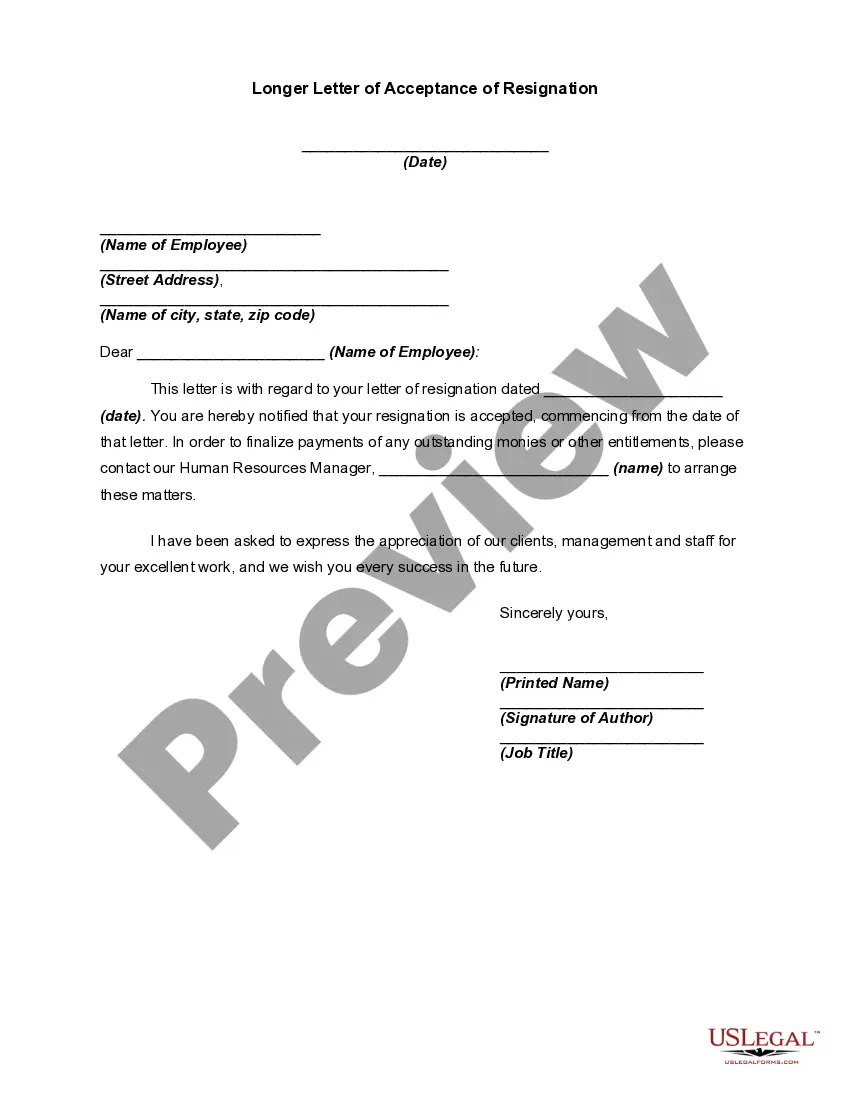

Get your form ready online
Our built-in tools help you complete, sign, share, and store your documents in one place.
Make edits, fill in missing information, and update formatting in US Legal Forms—just like you would in MS Word.
Download a copy, print it, send it by email, or mail it via USPS—whatever works best for your next step.
Sign and collect signatures with our SignNow integration. Send to multiple recipients, set reminders, and more. Go Premium to unlock E-Sign.
If this form requires notarization, complete it online through a secure video call—no need to meet a notary in person or wait for an appointment.
We protect your documents and personal data by following strict security and privacy standards.

Make edits, fill in missing information, and update formatting in US Legal Forms—just like you would in MS Word.

Download a copy, print it, send it by email, or mail it via USPS—whatever works best for your next step.

Sign and collect signatures with our SignNow integration. Send to multiple recipients, set reminders, and more. Go Premium to unlock E-Sign.

If this form requires notarization, complete it online through a secure video call—no need to meet a notary in person or wait for an appointment.

We protect your documents and personal data by following strict security and privacy standards.
Looking for another form?










Form popularity
FAQ
How to write a resignation letter that's effective immediately? Write the date first. Explain only necessities. Remain professional. Include questions. Be grateful. Add contact information. Proofread your letter. Make copies and hand-deliver the letters.
Dear recipient's name, I am writing to inform you of my decision to resign from my position at Company Name, effective immediately. Due to unforeseen personal circumstances, I am unable to continue my role at this time. I am deeply grateful for the opportunities and experiences I have had while working here.
It confirms that the employer has received and accepted the employee's decision to leave the company, creating a clear record of the resignation and helping to avoid any misunderstandings down the line.
To quit, write a simple letter addressed to your supervisor that says nothing more than you are resigning, and which day will be your last. Don't mention your reasons or future plans, no complaints, just your resignation and effective date.
It's common courtesy to give your employer at least two weeks' notice of your resignation, but sometimes that's not an option. There are many circumstances that may warrant an immediate resignation. Perhaps you're dealing with a hostile or unsafe work environment that's jeopardizing your mental or physical health.
Please accept this letter as my formal resignation from Job Role at Company Name, effective immediately. Due to an emergency family matter, I must resign from my position without providing the usual notice period. I appreciate the opportunities and experiences I have had while working at Company Name.
It is a common misconception that an employee's notice of resignation is not valid unless it has been "accepted" by the employer. The position at common law is that a notice, once validly given, is effective and can neither be "refused" by the employer or "withdrawn" by the employee, without the other's agreement.
Yes, your employer should acknowledge your resignation letter, although it is not legally required in most places. Acknowledgment can take the form of a written response, an email, or a verbal confirmation.
An employer cannot refuse to accept someone's resignation and they must follow certain procedures. When a member of staff resigns you must: get them to confirm their resignation in writing. tell them what their notice period is.
If you have any concern that your resignation mail was not read, send an email marked high importance, read receipt requested (assuming your email service supports these), and simply say ``Please acknowledge receipt of my resignation notice sent earlier''.

