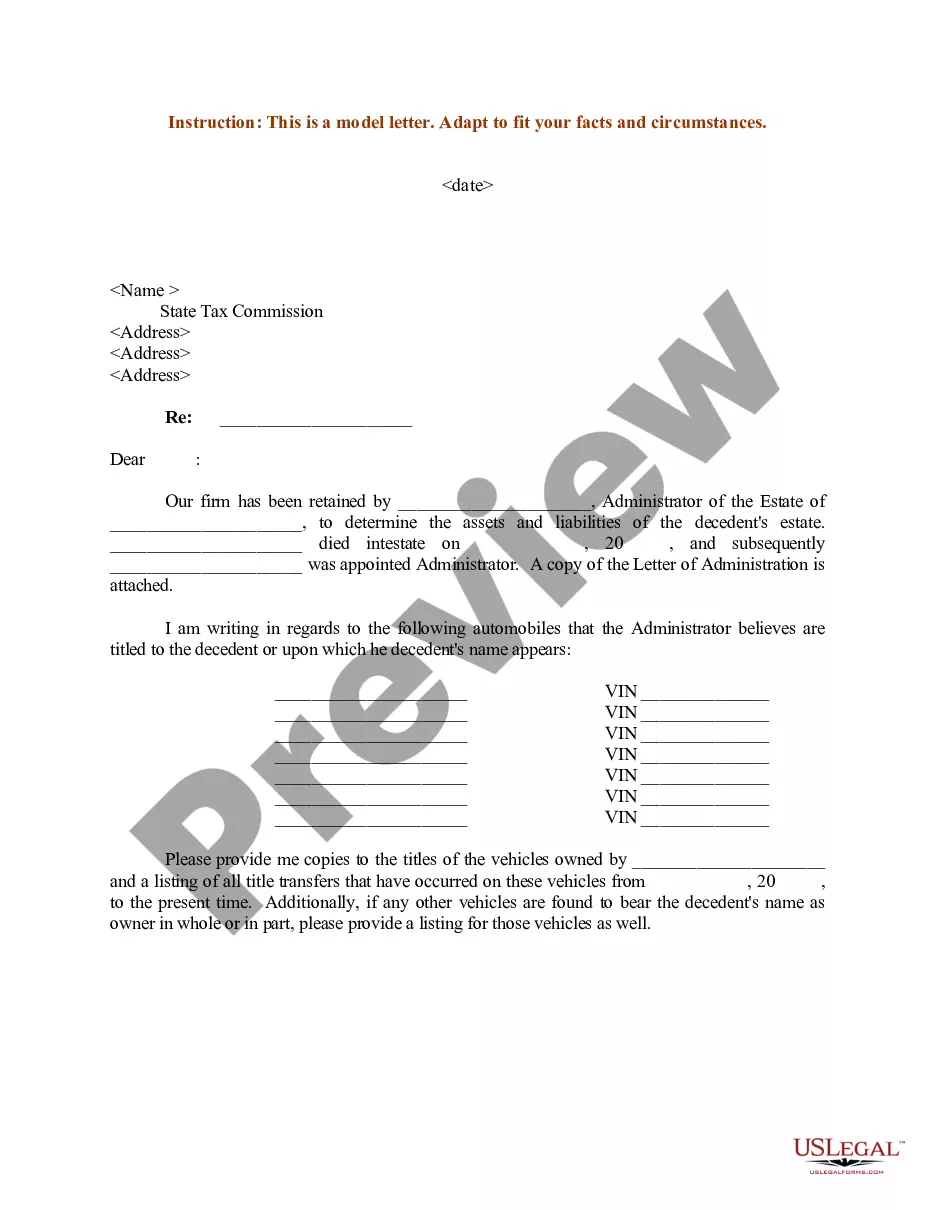
Arbitration Agreement For Car Purchase In Wake
Description





Get your form ready online
Our built-in tools help you complete, sign, share, and store your documents in one place.
Make edits, fill in missing information, and update formatting in US Legal Forms—just like you would in MS Word.
Download a copy, print it, send it by email, or mail it via USPS—whatever works best for your next step.
Sign and collect signatures with our SignNow integration. Send to multiple recipients, set reminders, and more. Go Premium to unlock E-Sign.
If this form requires notarization, complete it online through a secure video call—no need to meet a notary in person or wait for an appointment.
We protect your documents and personal data by following strict security and privacy standards.

Make edits, fill in missing information, and update formatting in US Legal Forms—just like you would in MS Word.

Download a copy, print it, send it by email, or mail it via USPS—whatever works best for your next step.

Sign and collect signatures with our SignNow integration. Send to multiple recipients, set reminders, and more. Go Premium to unlock E-Sign.

If this form requires notarization, complete it online through a secure video call—no need to meet a notary in person or wait for an appointment.

We protect your documents and personal data by following strict security and privacy standards.
Looking for another form?








Form popularity
FAQ
Arbitration is a process whereby the dispute between the vehicle manufacturer and the consumer is resolved by a neutral third party, an arbitrator. In California, many manufacturers offer a California state-certified arbitration program.
The arbitrator's decision can give parties a realistic idea of the outcome of their case. If neither party appeals the decision, it will be binding, like an order by a judge. However, a party unhappy with the arbitrator's decision can request a new trial before a judge.
In some instances, you may be able to sue if you signed a valid arbitration agreement. While courts generally favor arbitration agreements, they will allow you to file a lawsuit if either you didn't understand your rights or your claims fall outside the arbitration provision's scope.
Many auto finance contracts contain mandatory binding arbitration clauses. Some dealers may also ask you to sign separate binding arbitration agreements.
You can always agree to arbitration later if your lawyer advises you it's a good choice in the particular situation you find yourself in. There's no benefit to you in doing so months or years ahead of time.
Some potential consequences may include: Breach of Contract: If arbitration is a contractual requirement and one party refuses to participate, they may be in breach of the contract. The non-complying party may be held liable for damages resulting from the breach.
Arbitration might be the right choice for some cases. Limited discovery rights and costs might be useful when less is at stake. Arbitration might feel less adversarial, which could be an advantage where ongoing relationships are hoped to be preserved. Arbitration lends some confidentiality.
By signing a contract with a mandatory binding arbitration provision, the dealer or lender can seek to resolve any disputes about the contract with an arbitrator, who is usually chosen by the dealer or lender. The arbitrator decides the dispute instead of a court.