Agreement To Arbitrate Meaning In Santa Clara
Description

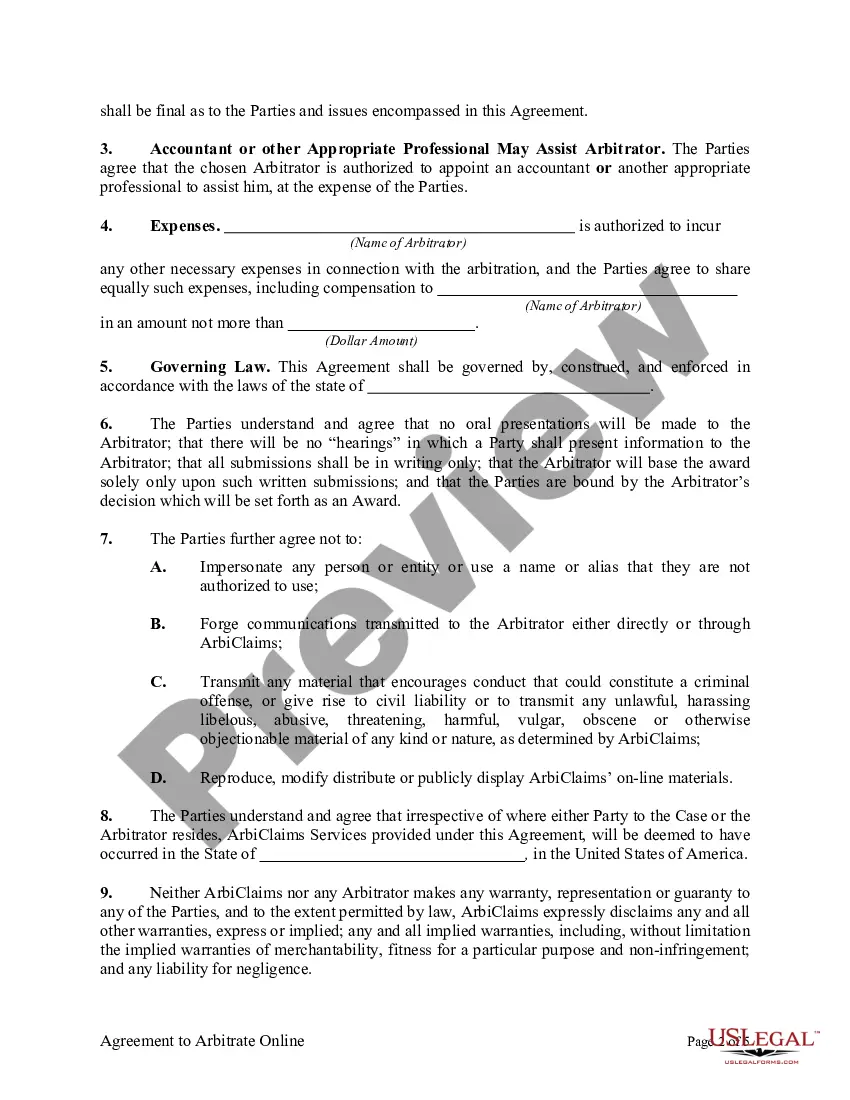
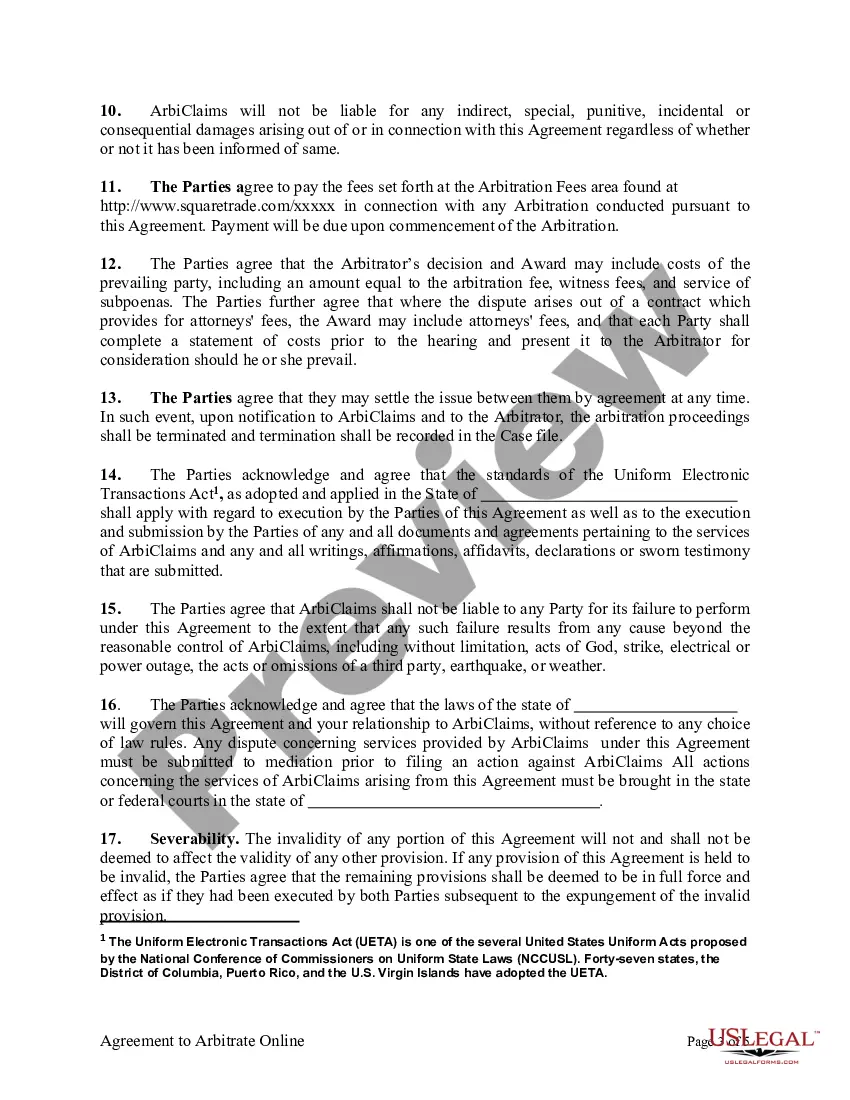




Get your form ready online
Our built-in tools help you complete, sign, share, and store your documents in one place.
Make edits, fill in missing information, and update formatting in US Legal Forms—just like you would in MS Word.
Download a copy, print it, send it by email, or mail it via USPS—whatever works best for your next step.
Sign and collect signatures with our SignNow integration. Send to multiple recipients, set reminders, and more. Go Premium to unlock E-Sign.
If this form requires notarization, complete it online through a secure video call—no need to meet a notary in person or wait for an appointment.
We protect your documents and personal data by following strict security and privacy standards.

Make edits, fill in missing information, and update formatting in US Legal Forms—just like you would in MS Word.

Download a copy, print it, send it by email, or mail it via USPS—whatever works best for your next step.

Sign and collect signatures with our SignNow integration. Send to multiple recipients, set reminders, and more. Go Premium to unlock E-Sign.

If this form requires notarization, complete it online through a secure video call—no need to meet a notary in person or wait for an appointment.

We protect your documents and personal data by following strict security and privacy standards.
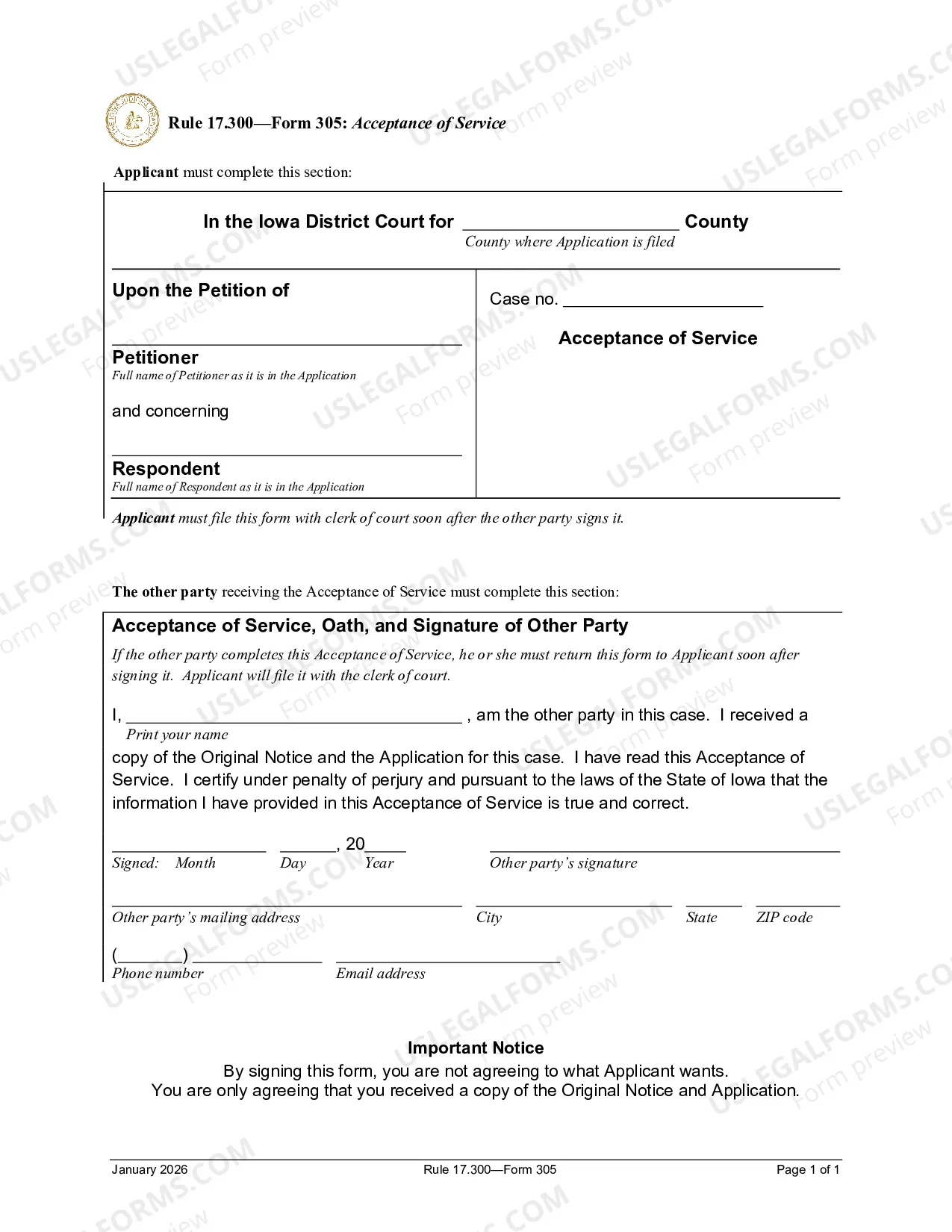
Looking for another form?






Form popularity
FAQ
Cons: Limited Appeal Options: One of the most significant downsides of arbitration is that it offers very limited options for appeal. Potentially Less Oversight: The informal nature of the arbitration process could lead to less regulatory oversight, making it crucial to choose a reputable arbitrator.
If the arbitration is mandatory and binding, the parties waive their rights to use the court system and have a judge or jury decide the case. If the arbitrator's award is unfair or illogical, a consumer may well be stuck with it without a chance for recourse.
Many arbitrators and arbitration rules limit discovery. You may not get to know what the other side has in mind until possibly 10 days before the hearing when you just might have to exchange witness lists and exhibits. Court rules include a lot of disclosure and discovery rights.
Should you sign an arbitration agreement? If you agree to engage in a possible future arbitration voluntarily, mutually determine the ground rules of arbitration and agree to choose an impartial arbitrator together, you are likely to find arbitration to be not only inexpensive and fast but also fair.
Opting out of the arbitration agreement isn't damaging to you. You can always do arbitration if you would prefer that, although if you'd like to join class actions or sue the judge will throw out your case if you are still in this agreement.
Arbitration might be the right choice for some cases. Limited discovery rights and costs might be useful when less is at stake. Arbitration might feel less adversarial, which could be an advantage where ongoing relationships are hoped to be preserved. Arbitration lends some confidentiality.
Under the Armendariz standards, an arbitration agreement will not be enforced in California if it is both “procedurally unconscionable” and “substantively unconscionable.” Any arbitration agreement required as a condition of employment (i.e., any mandatory arbitration agreement) is automatically considered procedurally ...
In some instances, you may be able to sue if you signed a valid arbitration agreement. While courts generally favor arbitration agreements, they will allow you to file a lawsuit if either you didn't understand your rights or your claims fall outside the arbitration provision's scope.
By signing an arbitration agreement, employees give up their rights to have a jury hear and decide their case. There can often be an advantage to having an employment dispute heard before a jury, as jurors may be more sympathetic to the employee's plight.
Section 7. Arbitration agreement. Previous Next. (1) In this Part, "arbitration agreement" means an agreement by the parties to submit to arbitration all or certain disputes which have arisen or which may arise between them in respect of a defined legal relationship, whether contractual or not.