Online Agreement For Rent Charges In San Diego
Description
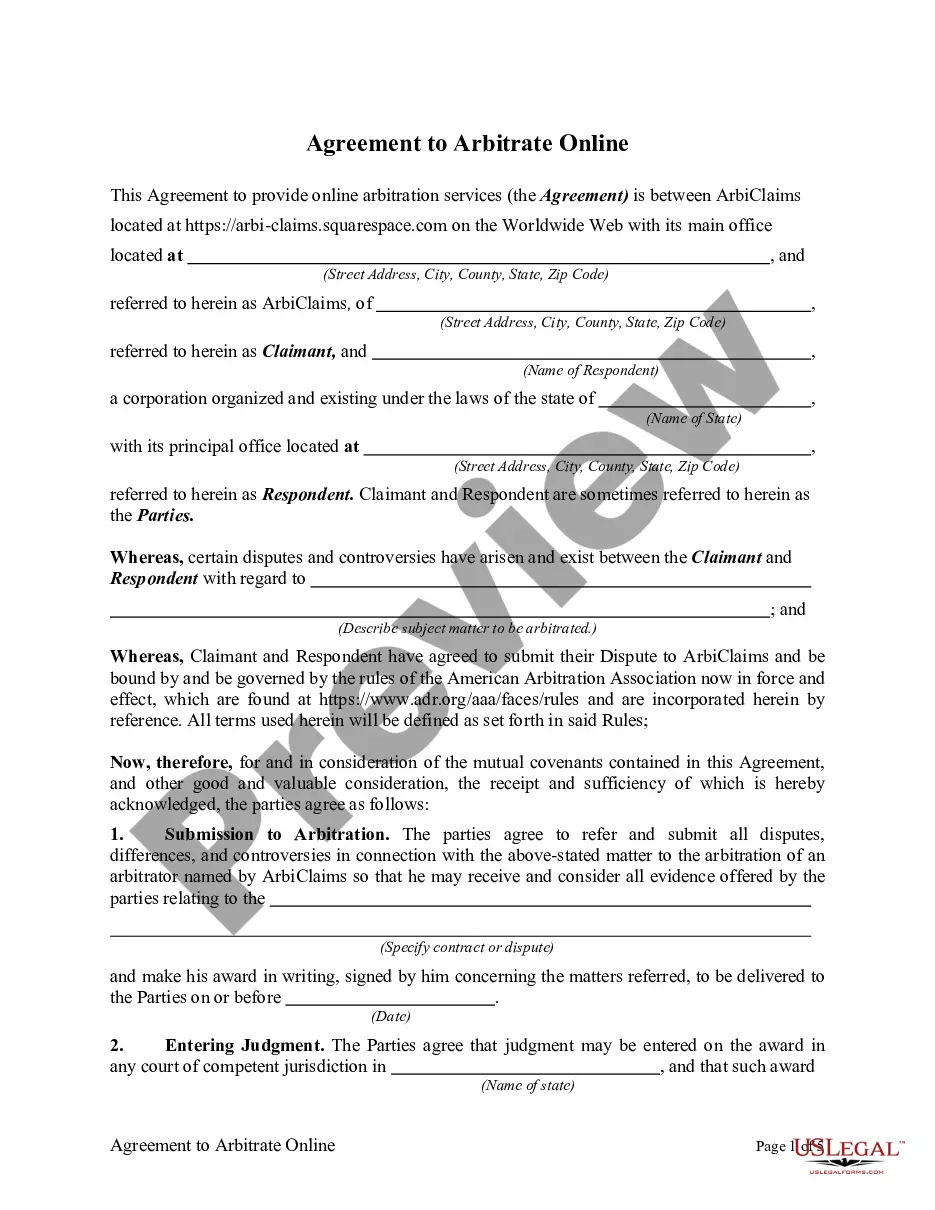
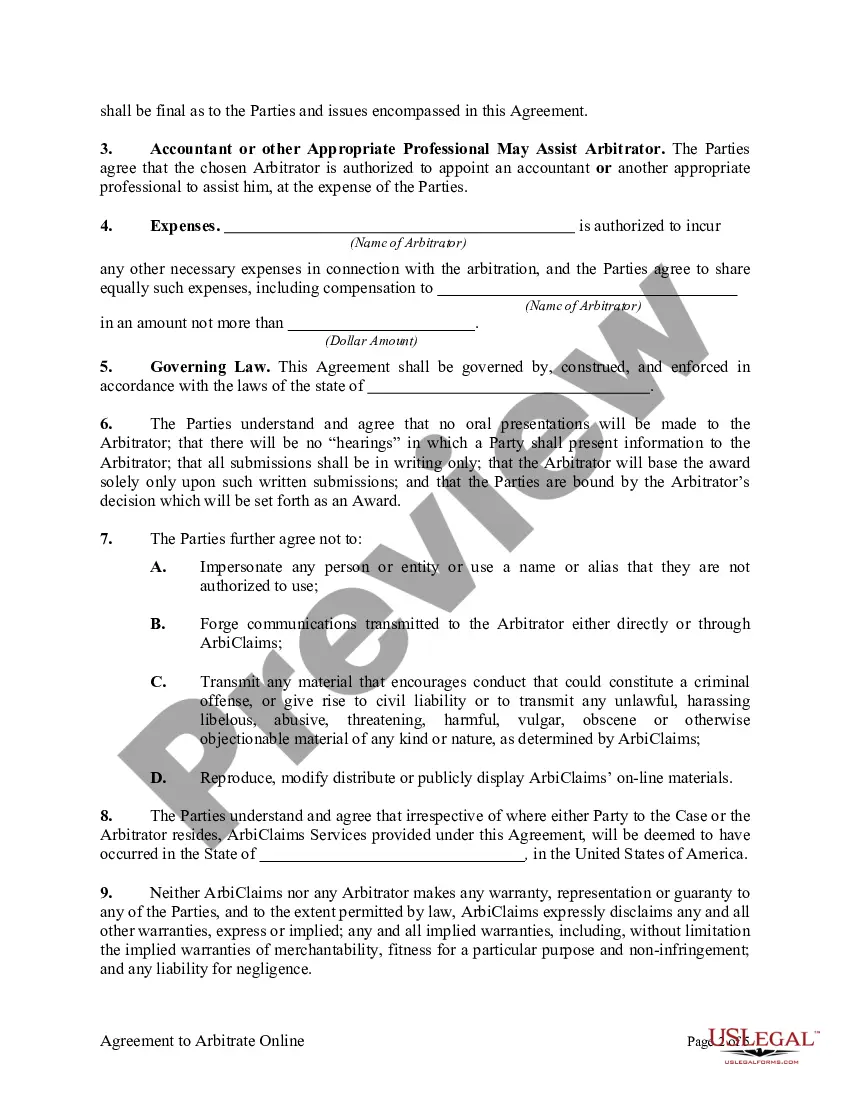
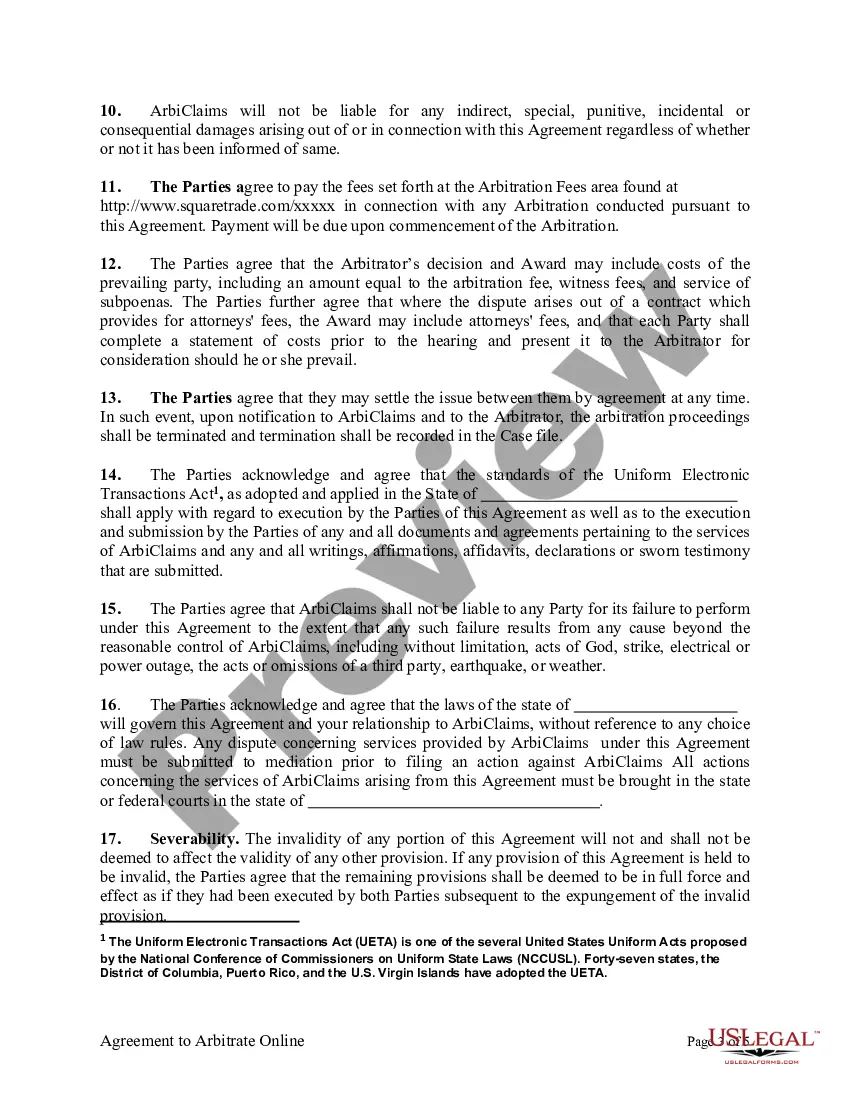

Get your form ready online
Our built-in tools help you complete, sign, share, and store your documents in one place.
Make edits, fill in missing information, and update formatting in US Legal Forms—just like you would in MS Word.
Download a copy, print it, send it by email, or mail it via USPS—whatever works best for your next step.
Sign and collect signatures with our SignNow integration. Send to multiple recipients, set reminders, and more. Go Premium to unlock E-Sign.
If this form requires notarization, complete it online through a secure video call—no need to meet a notary in person or wait for an appointment.
We protect your documents and personal data by following strict security and privacy standards.

Make edits, fill in missing information, and update formatting in US Legal Forms—just like you would in MS Word.

Download a copy, print it, send it by email, or mail it via USPS—whatever works best for your next step.

Sign and collect signatures with our SignNow integration. Send to multiple recipients, set reminders, and more. Go Premium to unlock E-Sign.

If this form requires notarization, complete it online through a secure video call—no need to meet a notary in person or wait for an appointment.

We protect your documents and personal data by following strict security and privacy standards.
Looking for another form?

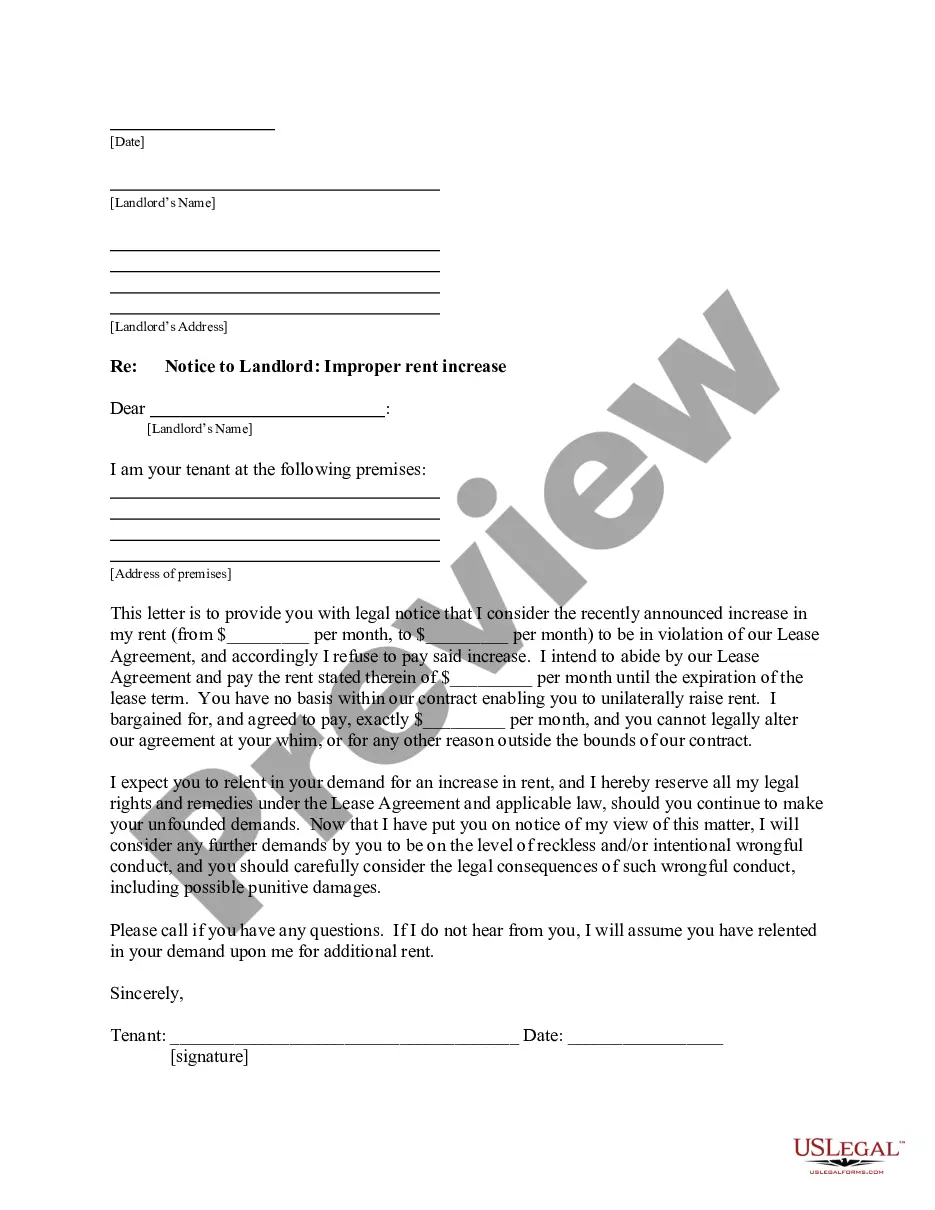
Form popularity
FAQ
A written rental agreement is the foundation of the relationship between the landlord and resident. It specifies the rights and responsibilities of both parties and includes specific information and disclosures required by law.
Exemptions. Keep in mind that certain properties are exempt from California rent control law. These types of properties include: Condos and single family-homes not owned by a real estate investment trust (REIT), corporation, or corporation-owned LLC.
Does the City of San Diego have an ordinance that limits rent increases? No. The City of San Diego does not regulate the amount a tenant's rent can be increased. However, San Diego tenants may have rent control under the California Tenant Protection Act of 2019 (“California Rent Control”).
Does a rental agreement need to be notarized in California? No, in California law, rental agreements do not need to be notarized. It is only notarized is required by state law as long as the criteria for a valid and legally binding lease are met.
What are the most important steps for drafting a commercial lease agreement? Identify the parties and the property. Determine the rent and the term. Negotiate the improvements and the maintenance. Allocate the taxes and the insurance. Include the clauses and the contingencies. Review and sign the agreement.
The Basic Law: These conditions include ensuring proper electric, gas, and plumbing utilities, as well as installing proper locks and security systems. If a landlord fails to meet these requirements, the lessee has the option of deducting the costs of repair from his rent or vacating the premises with no constraints.
Unwritten leases that are for a term of longer than one year or that expire more than one year after the agreement is reached are unenforceable. If a tenant enters into possession under an unenforceable lease, the tenant becomes a tenant at-will.
Here's a list of standard fields that you should include in your lease agreement: Tenant information. Include each tenant's full name and contact information. Rental property description. Security deposit. Monthly rent amount. Utilities. Lease term. Policies. Late fees.
Here are 16 steps on how to make a lease agreement: Include the contact information of both parties. Include property details. Outline property utilities and services. Define the lease term. Disclose the monthly rent amount and due date. Detail the penalties and late fees. Describe any additional or services fees.
For example, California does not require lease notarization, while other states like Ohio may have different requirements. It's essential to review state-specific regulations to determine if notarization is necessary in your particular case.