Arbitration Agreement With Bank In Nevada
Description

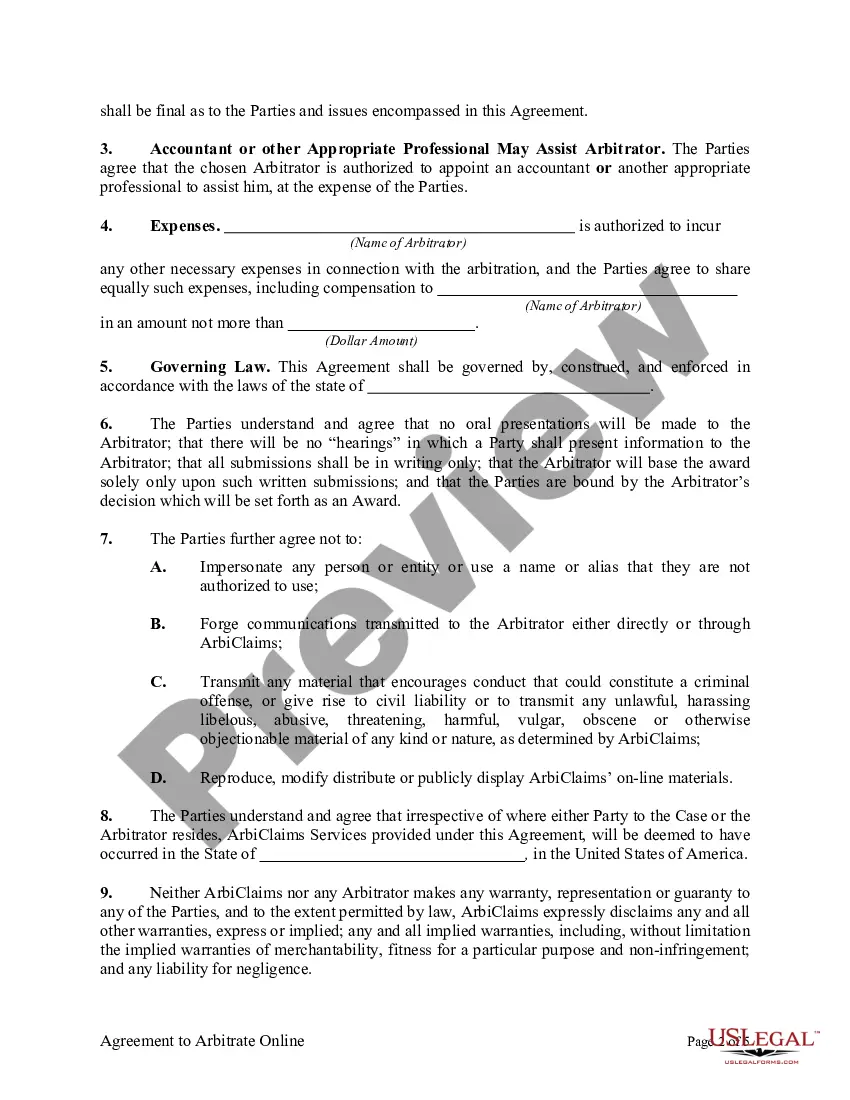
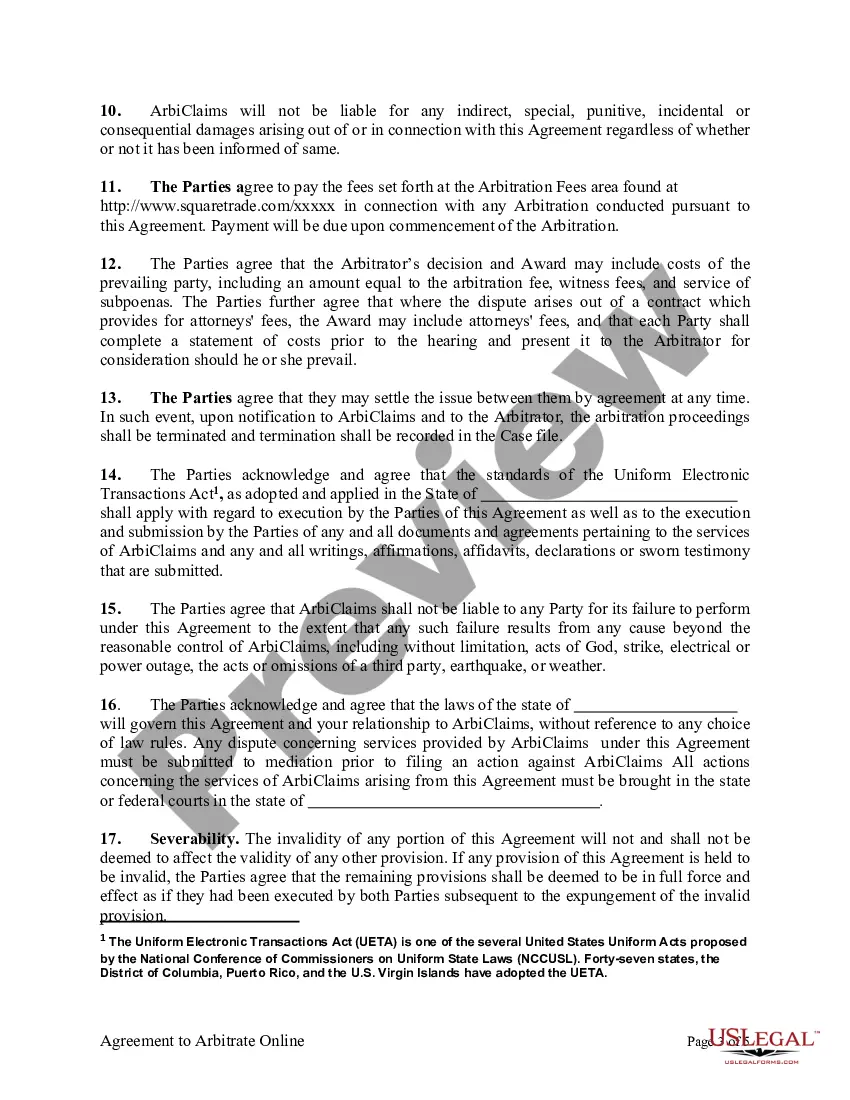




Get your form ready online
Our built-in tools help you complete, sign, share, and store your documents in one place.
Make edits, fill in missing information, and update formatting in US Legal Forms—just like you would in MS Word.
Download a copy, print it, send it by email, or mail it via USPS—whatever works best for your next step.
Sign and collect signatures with our SignNow integration. Send to multiple recipients, set reminders, and more. Go Premium to unlock E-Sign.
If this form requires notarization, complete it online through a secure video call—no need to meet a notary in person or wait for an appointment.
We protect your documents and personal data by following strict security and privacy standards.

Make edits, fill in missing information, and update formatting in US Legal Forms—just like you would in MS Word.

Download a copy, print it, send it by email, or mail it via USPS—whatever works best for your next step.

Sign and collect signatures with our SignNow integration. Send to multiple recipients, set reminders, and more. Go Premium to unlock E-Sign.

If this form requires notarization, complete it online through a secure video call—no need to meet a notary in person or wait for an appointment.

We protect your documents and personal data by following strict security and privacy standards.
Looking for another form?

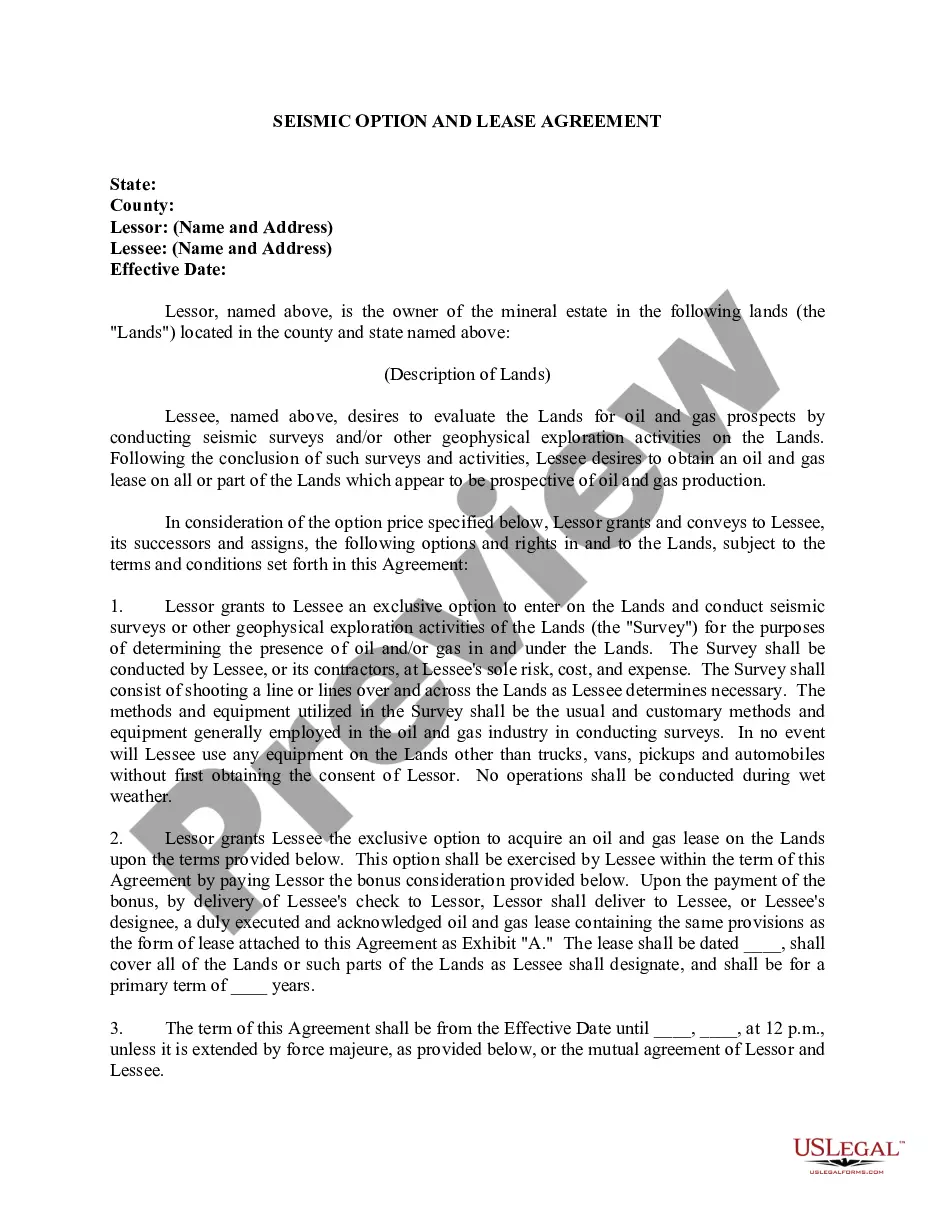








Form popularity
FAQ
5. Extent of judicial intervention.—Notwithstanding anything contained in any other law for the time being in force, in matters governed by this Part, no judicial authority shall intervene except where so provided in this Part.
Therefore, banks and financial institutions wishing to arbitrate should ensure that an arbitration clause is included in the relevant contract, specifying the arbitral institution that will provide administrative support to the arbitration, the number of arbitrators (and how they are to be selected), the language of ...
The three pillars of international arbitration: The New York Convention, UNCITRAL Arbitration Rules, and UNCITRAL Model Law (the history, scope and application of these instruments in international arbitration)
There are typically seven stages of the arbitration process: Claimant Files a Claim. Respondent Submits Answer. Parties Select Arbitrators. Parties Attend Initial Prehearing Conference. Parties Exchange Discovery. Parties Attend Hearings. Arbitrators Deliberate and Render Award.
Top 10 tips for drafting arbitration agreements Introduction. Scope of the arbitration agreement. Seat of the arbitration. Governing law of the arbitration agreement. Choice of rules. Language. Number and appointment of arbitrators. Specifying arbitrator characteristics.
To give you an idea of the process that arbitration typically involves, the American Arbitration Association describes artibtration as having five main steps: Filing and initiation. Arbitrator selection. Preliminary hearing. Information exchange and preparation. Hearings. Post hearing submissions. Award.
Because arbitration prevents your claims taken seriously, there's no upside to remaining in a mandatory arbitration agreement. Even if you opt out, you can still choose arbitration to settle a dispute, so there's no downside to opting out.
Arguments should flow easily from the relevant facts and applicable law. Avoid exaggerating the strengths of your case as well as disparaging the opposing side. Remember that professionalism and credibility are critical to persuasiveness.
Arbitration is increasingly being recognised, including in the banking and financial sector, as a means of resolving disputes that can meet the needs of parties who are no longer satisfied with the characteristics - and often the timeframe - of litigation before national courts.
In most cases, the party that started the arbitration initially by filing a claim will present their case first and the opposing party will then have an opportunity to present their defense, but the arbitrator will ultimately decide the order.
