Agreement Arbitrate Document With Insurance Company In Mecklenburg
Description





Get your form ready online
Our built-in tools help you complete, sign, share, and store your documents in one place.
Make edits, fill in missing information, and update formatting in US Legal Forms—just like you would in MS Word.
Download a copy, print it, send it by email, or mail it via USPS—whatever works best for your next step.
Sign and collect signatures with our SignNow integration. Send to multiple recipients, set reminders, and more. Go Premium to unlock E-Sign.
If this form requires notarization, complete it online through a secure video call—no need to meet a notary in person or wait for an appointment.
We protect your documents and personal data by following strict security and privacy standards.

Make edits, fill in missing information, and update formatting in US Legal Forms—just like you would in MS Word.

Download a copy, print it, send it by email, or mail it via USPS—whatever works best for your next step.

Sign and collect signatures with our SignNow integration. Send to multiple recipients, set reminders, and more. Go Premium to unlock E-Sign.

If this form requires notarization, complete it online through a secure video call—no need to meet a notary in person or wait for an appointment.

We protect your documents and personal data by following strict security and privacy standards.
Looking for another form?

Form popularity
FAQ
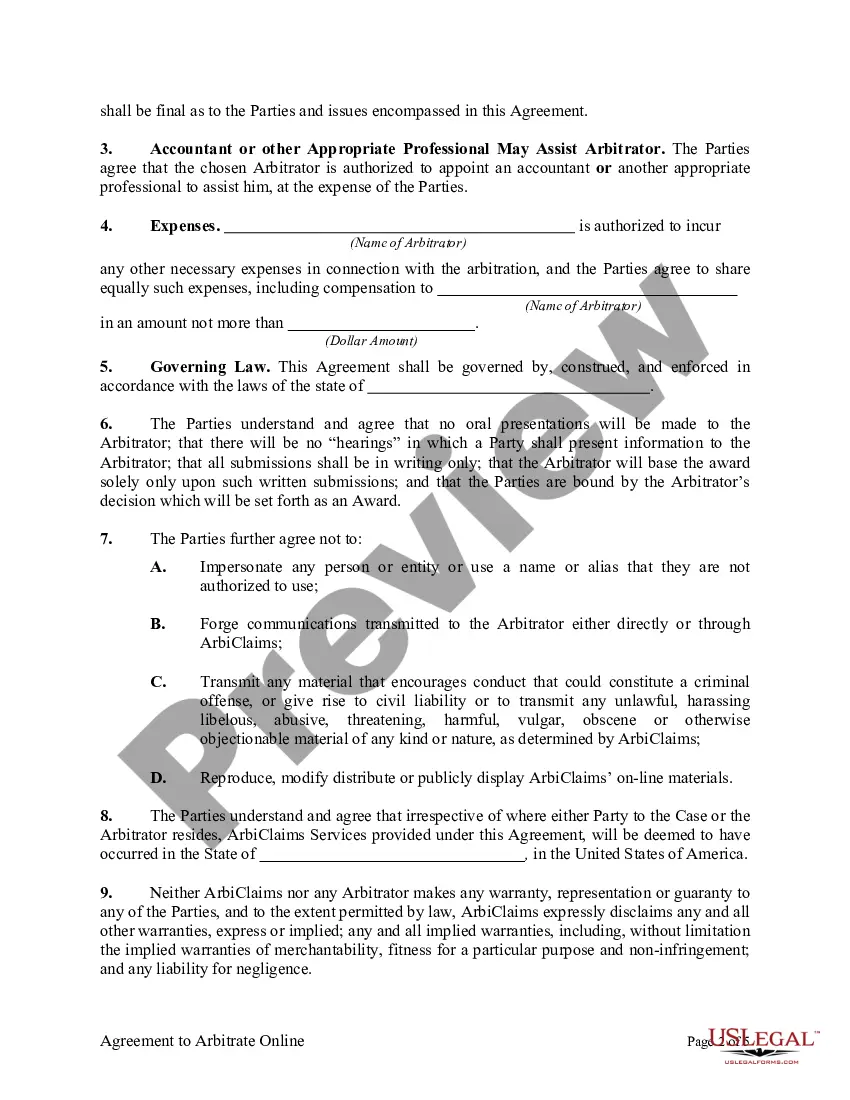
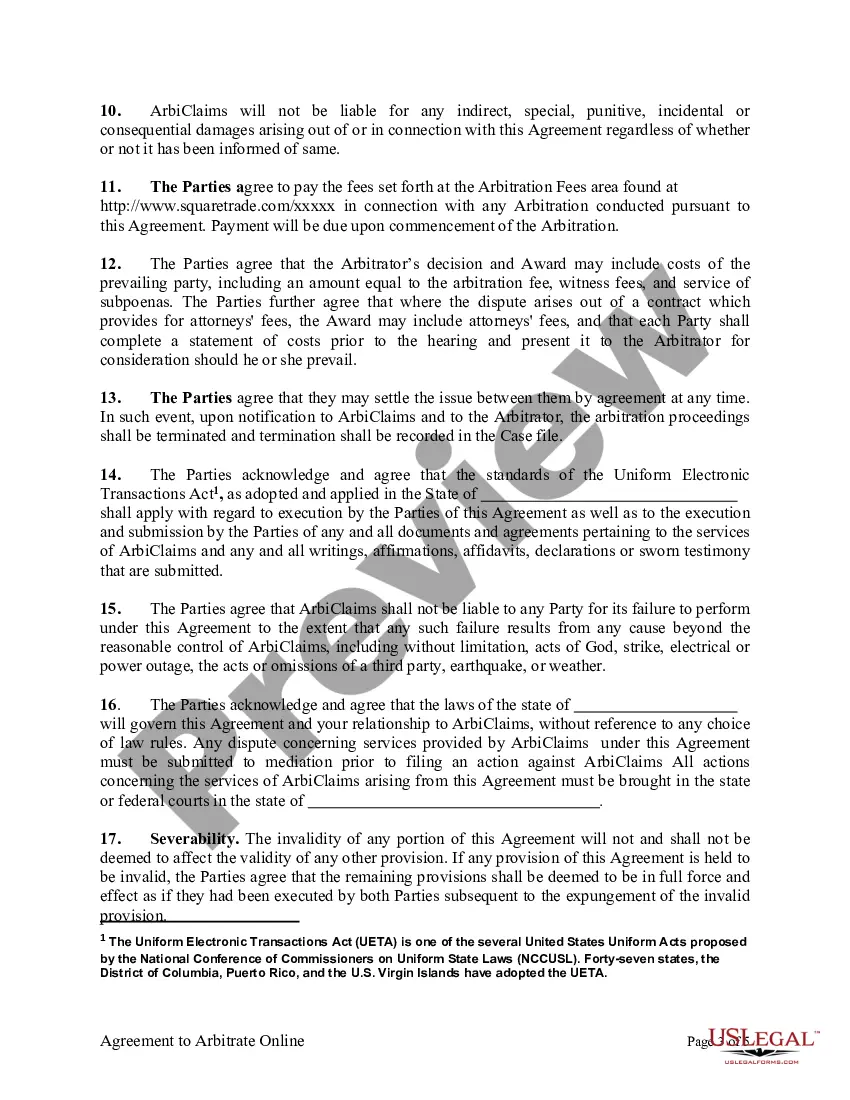
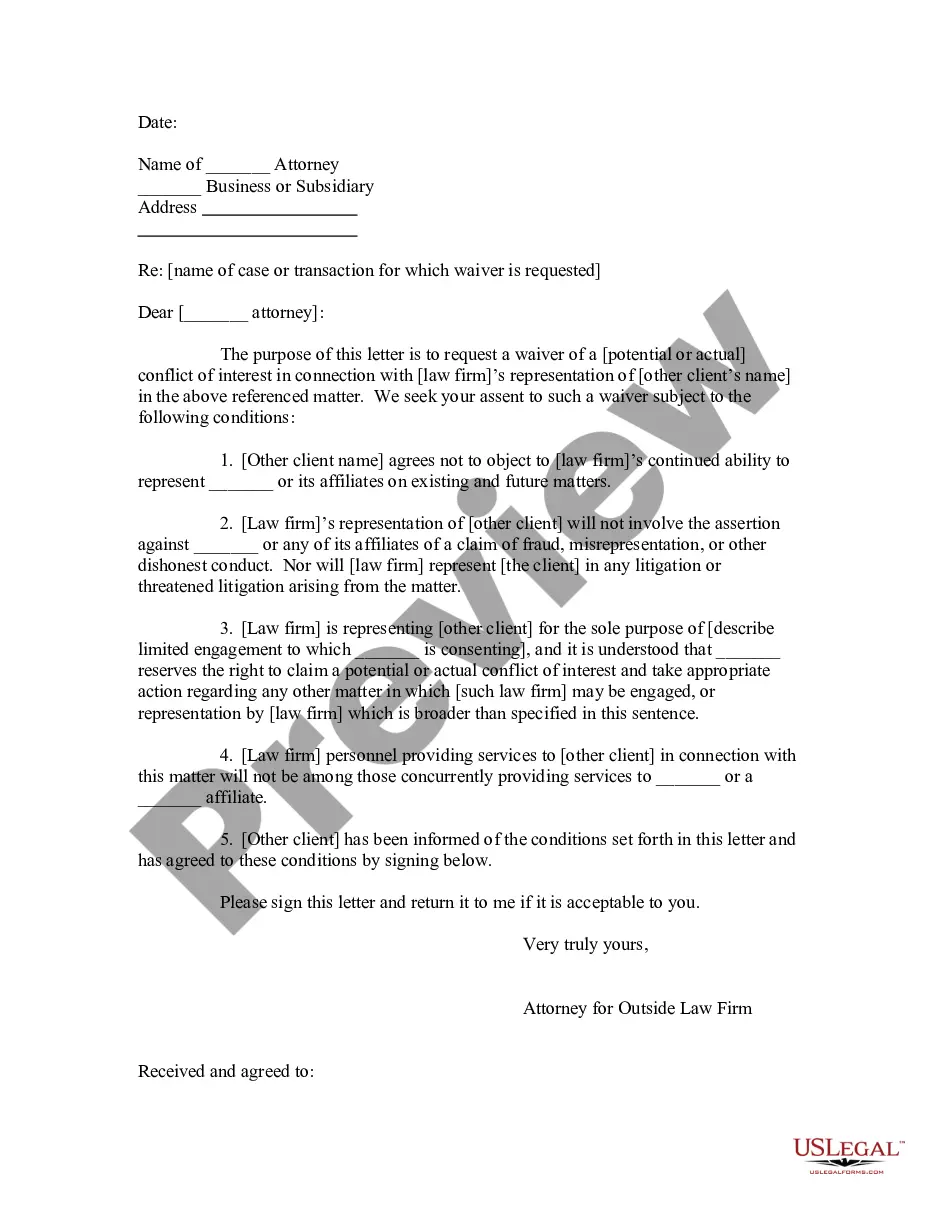
In a binding arbitration agreement, both parties agree—by contract—that the matter will be resolved by an arbitrator. This means that both parties have agreed to using arbitration should an insurance dispute arise. And, once the arbitrator makes a decision, this is the final judgment that will stand.
While it is true that arbitration is generally private because the public is excluded from the arbitration hearing, it does not follow that the arbitration proceedings remain confidential.
A claimant will typically start arbitration by sending a document known as a “request for arbitration” or a “notice to arbitrate” to its opponent.
Parties must attend the arbitration hearing, and may be represented by an attorney. The arbitration hearing may proceed and an award issued in the absence of a party who, after due notice, fails to be present or to obtain a continuance.
The insurance companies might choose to let an arbitrator settle the case when negligence and liability are unclear and ardently contested. This could be the case if: There were no witnesses, or they can no longer be located. The evidence is less than compelling.
Arbitration agreements require that persons who signed them resolve any disputes by binding arbitration, rather than in court before a judge and/or jury. What is binding arbitration? Binding arbitration involves the submission of a dispute to a neutral party who hears the case and makes a decision.
Arbitration might be the right choice for some cases. Limited discovery rights and costs might be useful when less is at stake. Arbitration might feel less adversarial, which could be an advantage where ongoing relationships are hoped to be preserved. Arbitration lends some confidentiality.
Not responding isn't typically illegal, but once a court has ordered arbitration, both parties are expected to move forward in good faith.
1 The ICC Rules, Article 6(8) provides, “If any of the parties refuses or fails to take part in the arbitration or any stage thereof, the arbitration shall proceed notwithstanding such refusal or failure.” Similar provisions are also provided for in the LCIA Rules, Article 15.8; SIAC Rules, Rule 20.9; UNCITRAL Rules, ...
The Scope of the Clause. This section of the clause is critical; it sets the boundaries for which disputes the tribunal is authorised to determine. Choice of Rules. The Number of Arbitrators. Appointing Authority. Choice of Venue. The language of the proceedings. Finality. Exclusion of the right of appeal.
