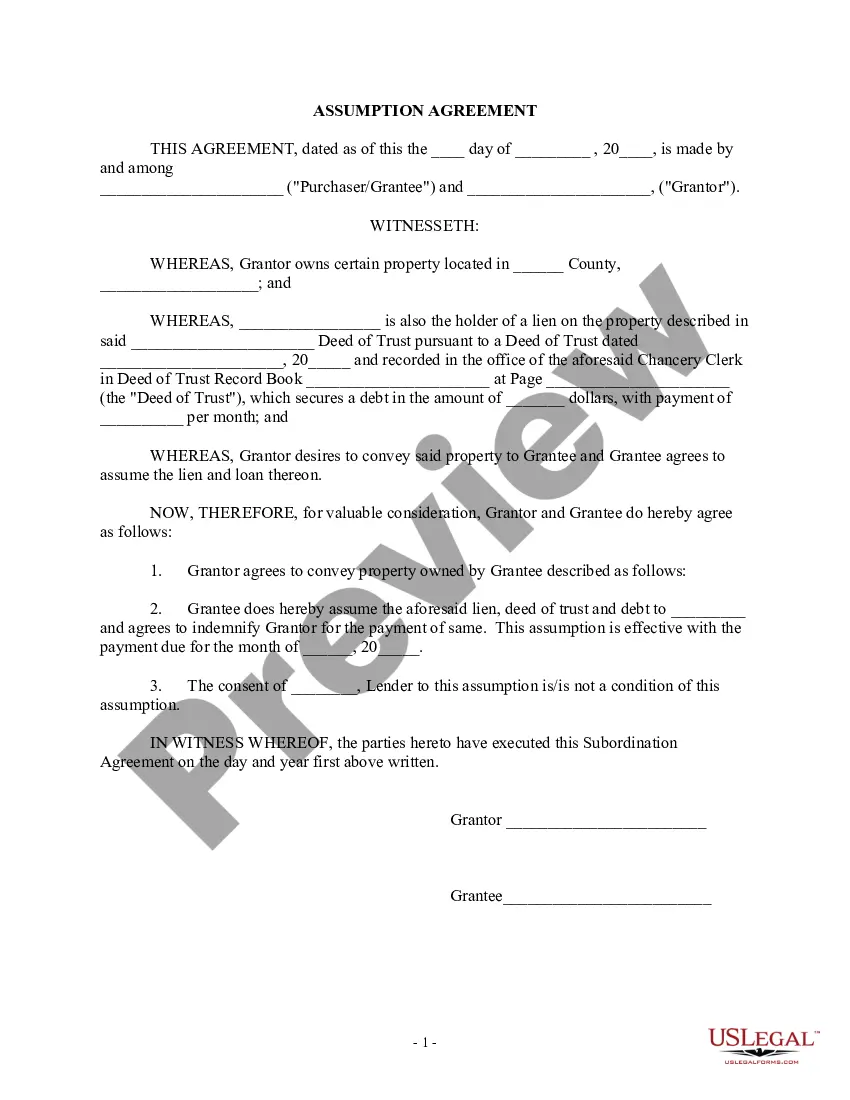
Agreement To Arbitrate In Maricopa
Description

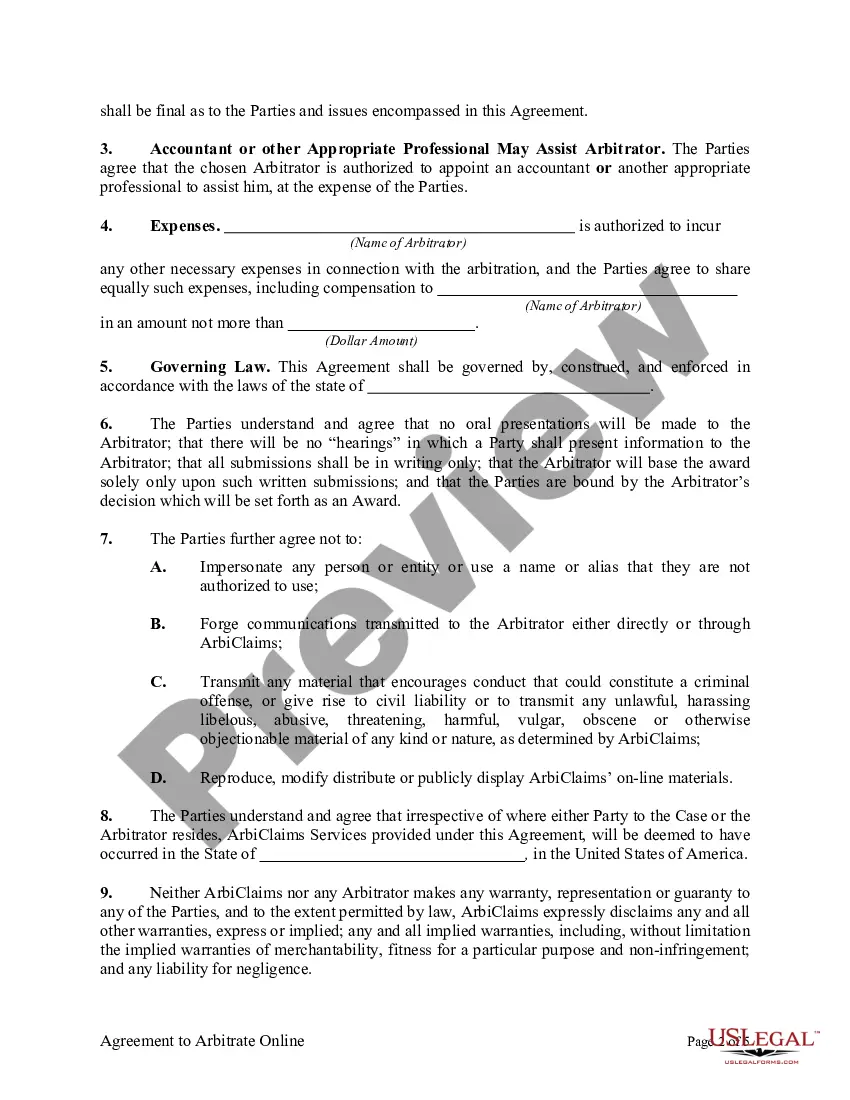
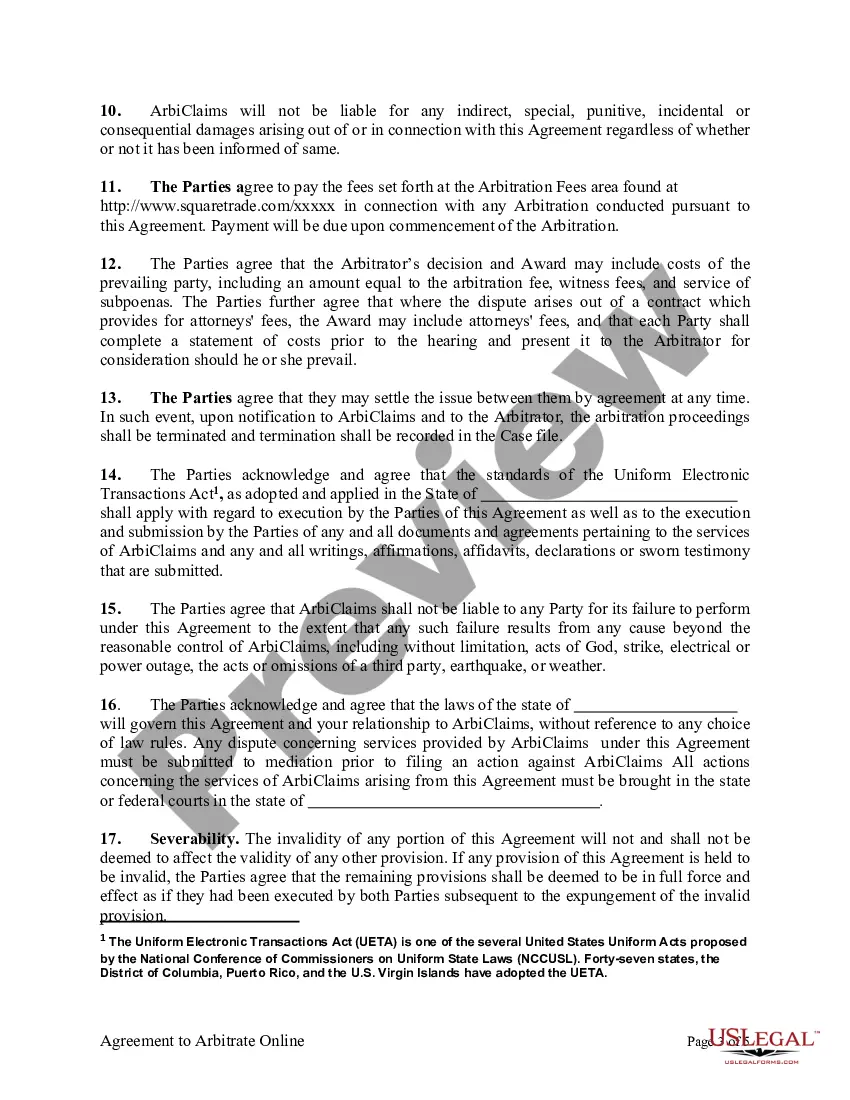




Get your form ready online
Our built-in tools help you complete, sign, share, and store your documents in one place.
Make edits, fill in missing information, and update formatting in US Legal Forms—just like you would in MS Word.
Download a copy, print it, send it by email, or mail it via USPS—whatever works best for your next step.
Sign and collect signatures with our SignNow integration. Send to multiple recipients, set reminders, and more. Go Premium to unlock E-Sign.
If this form requires notarization, complete it online through a secure video call—no need to meet a notary in person or wait for an appointment.
We protect your documents and personal data by following strict security and privacy standards.

Make edits, fill in missing information, and update formatting in US Legal Forms—just like you would in MS Word.

Download a copy, print it, send it by email, or mail it via USPS—whatever works best for your next step.

Sign and collect signatures with our SignNow integration. Send to multiple recipients, set reminders, and more. Go Premium to unlock E-Sign.

If this form requires notarization, complete it online through a secure video call—no need to meet a notary in person or wait for an appointment.

We protect your documents and personal data by following strict security and privacy standards.
Looking for another form?








Form popularity
FAQ
Top 10 tips for drafting arbitration agreements Introduction. Scope of the arbitration agreement. Seat of the arbitration. Governing law of the arbitration agreement. Choice of rules. Language. Number and appointment of arbitrators. Specifying arbitrator characteristics.
Arbitration does not require the use of court rules or procedures and is viewed as a simplified private court proceeding. Each side will present their case to the arbitrator who will then decide the issue. Once the matter is decided the case is over and in most cases the court will enforce the arbitrators decision.
Outline a concise factual background and then move on to a discussion of the issues at the heart of the case. Your arguments should flow easily from the relevant facts and applicable law. And, by all means, avoid exaggeration of the strengths of your case as well as disparagement of the opposing side.
"A dispute having arisen between the parties concerning , the parties hereby agree that the dispute shall be referred to and finally resolved by arbitration under the LCIA Rules. The number of arbitrators shall be one/three. The seat, or legal place, of arbitration shall be City and/or Country.
Include Arbitrator's Jurisdiction Clause. Define Arbitration Scope Precisely. Specify Confidentiality Rules Clearly. Determine Applicable Law and Jurisdiction. Specify Arbitrator Selection Process. Set Clear Arbitration Timelines.
To give you an idea of the process that arbitration typically involves, the American Arbitration Association describes artibtration as having five main steps: Filing and initiation. Arbitrator selection. Preliminary hearing. Information exchange and preparation. Hearings. Post hearing submissions. Award.
Compulsory Arbitration is a mandatory program for disputes valued under $50,000.
A claimant will typically start arbitration by sending a document known as a “request for arbitration” or a “notice to arbitrate” to its opponent.
Mandatory binding arbitration often requires the parties to waive specific rights. Specifically, the relevant contract provision removes or limits a party from suing if they feel wronged. They must go to arbitration instead. It also takes away their right to appeal any decision.
The Superior Court has general jurisdiction, including civil proceedings where the amount involved exceeds $10,000. For all other cases that Superior Court accepts, please visit the Clerk of Superior Court's webpage for Civil Case Filing Options and Arizona Supreme Court.