Arbitration Agreement With Bank In Illinois
Description

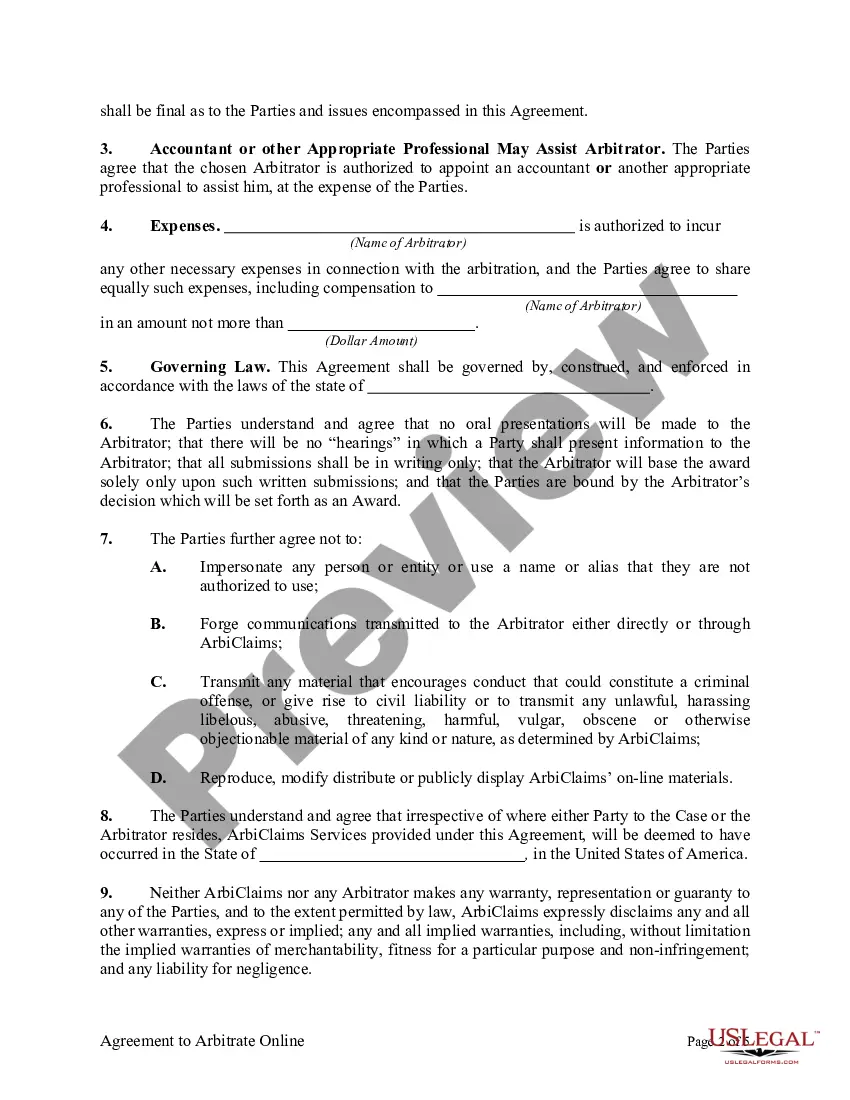
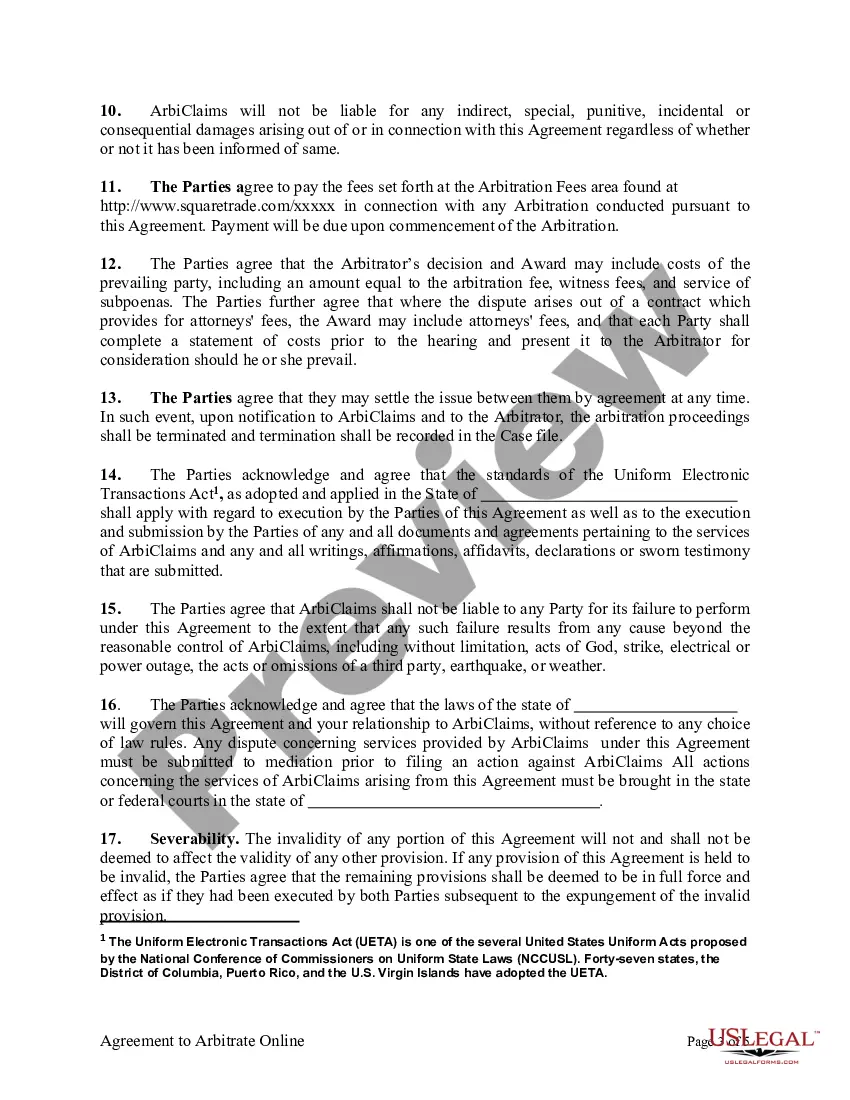




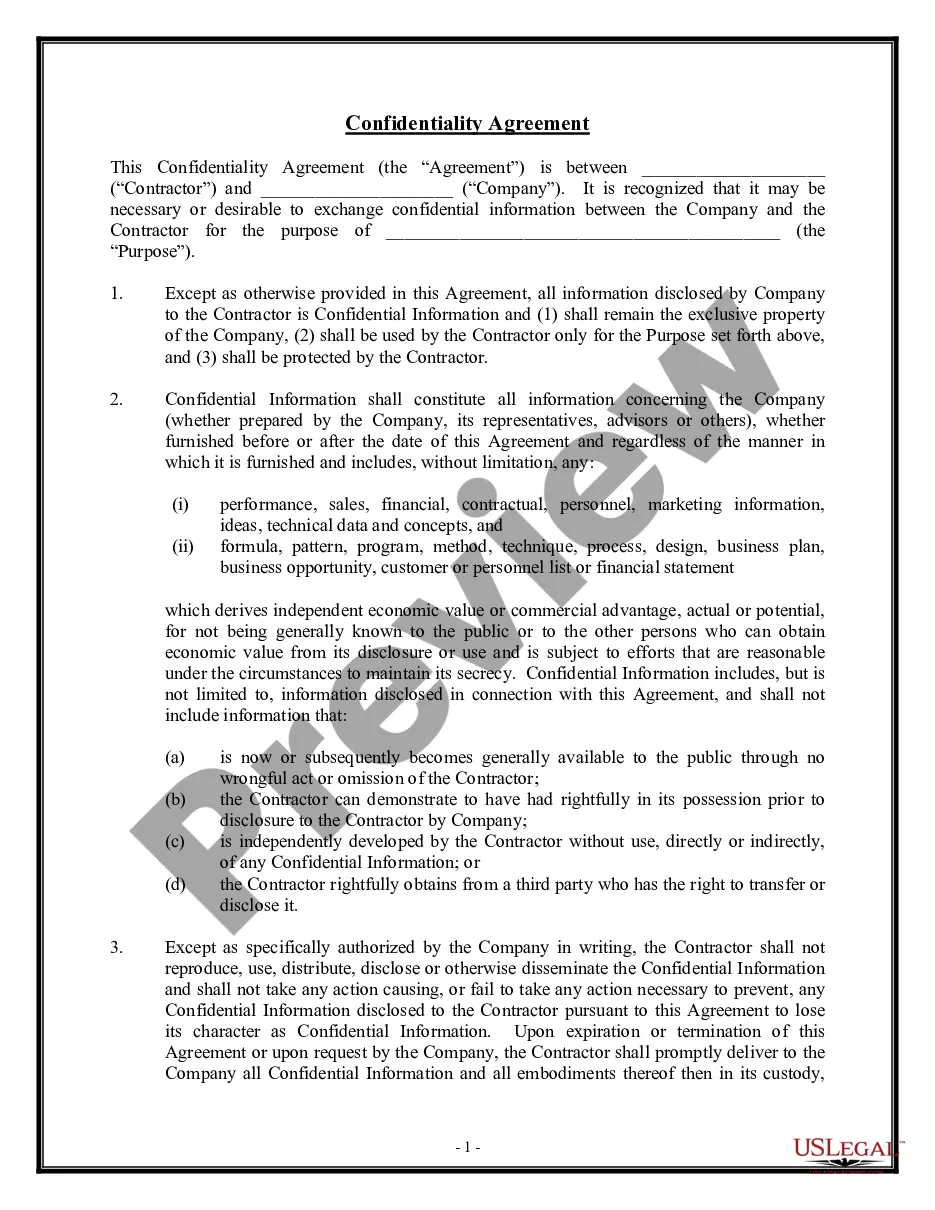
Get your form ready online
Our built-in tools help you complete, sign, share, and store your documents in one place.
Make edits, fill in missing information, and update formatting in US Legal Forms—just like you would in MS Word.
Download a copy, print it, send it by email, or mail it via USPS—whatever works best for your next step.
Sign and collect signatures with our SignNow integration. Send to multiple recipients, set reminders, and more. Go Premium to unlock E-Sign.
If this form requires notarization, complete it online through a secure video call—no need to meet a notary in person or wait for an appointment.
We protect your documents and personal data by following strict security and privacy standards.

Make edits, fill in missing information, and update formatting in US Legal Forms—just like you would in MS Word.

Download a copy, print it, send it by email, or mail it via USPS—whatever works best for your next step.

Sign and collect signatures with our SignNow integration. Send to multiple recipients, set reminders, and more. Go Premium to unlock E-Sign.

If this form requires notarization, complete it online through a secure video call—no need to meet a notary in person or wait for an appointment.

We protect your documents and personal data by following strict security and privacy standards.
Looking for another form?





Form popularity
FAQ
A clause that requires arbitration is known as a mandatory arbitration clause. Today's question is: Are such clauses enforceable in Illinois? The short answer is yes, and the long answer doesn't really change much.
Banks, like Wells Fargo, use forced arbitration clauses in their contracts, forcing customers to sign away their right to go to court when opening a checking or savings account or getting a debit card or credit card.
Opting out of the arbitration agreement isn't damaging to you. You can always do arbitration if you would prefer that, although if you'd like to join class actions or sue the judge will throw out your case if you are still in this agreement.
As a general rule you should opt out of arbitration when you sign any agreement with a company.
Arbitration might be the right choice for some cases. Limited discovery rights and costs might be useful when less is at stake. Arbitration might feel less adversarial, which could be an advantage where ongoing relationships are hoped to be preserved. Arbitration lends some confidentiality.
You have a difficult decision to make, although it may not matter whether you sign the “agreement” or not. If you continue to work after you are informed that a forced arbitration agreement governs your employment, you may be bound by it, even if you refuse to sign it.
Opting out of the arbitration agreement isn't damaging to you. You can always do arbitration if you would prefer that, although if you'd like to join class actions or sue the judge will throw out your case if you are still in this agreement.
This means that any disputes between customers and banks over account fees, identity theft, or other charges will be decided by an arbitrator that the bank helps choose, rather than an impartial judge.
