Agreement Form For Land Sale In Illinois
Description
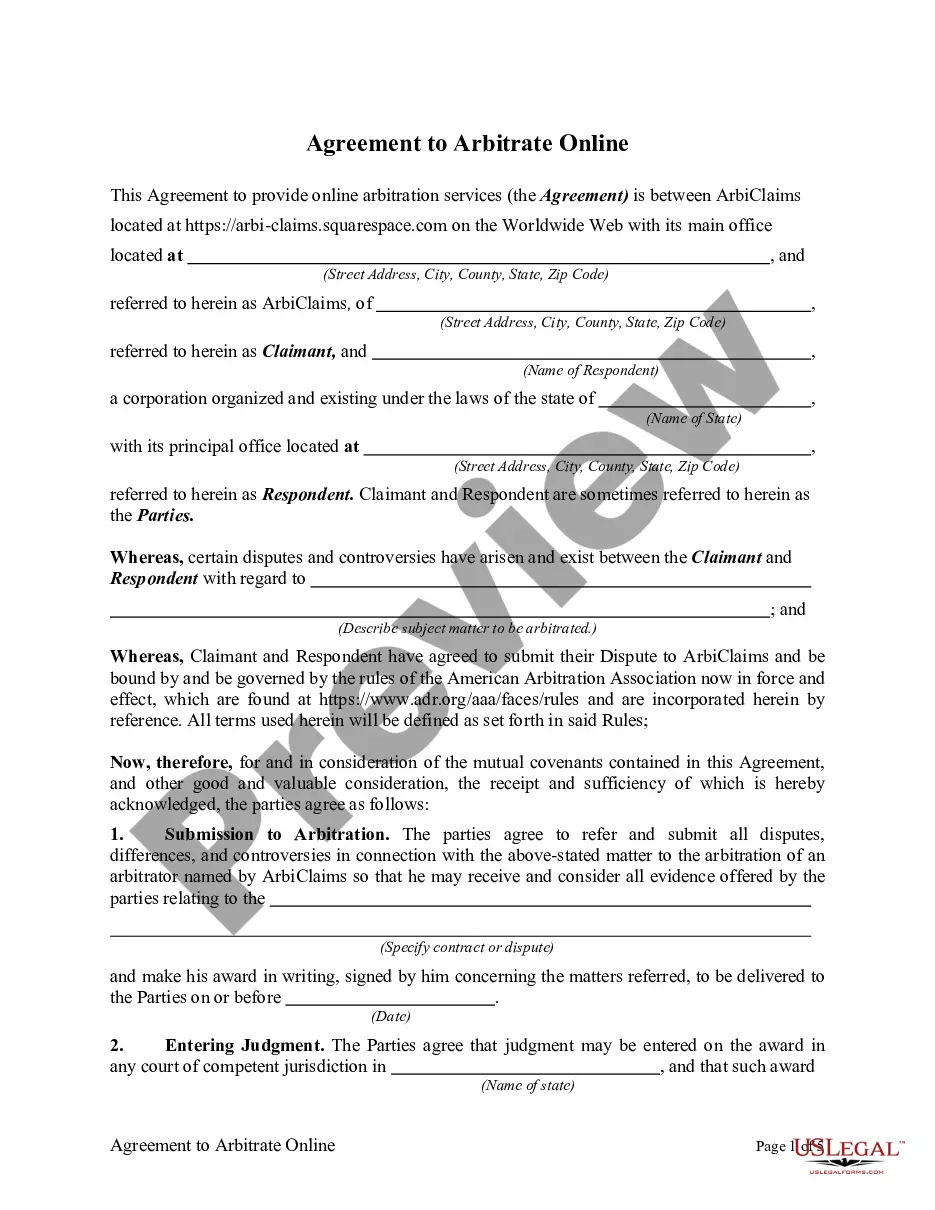
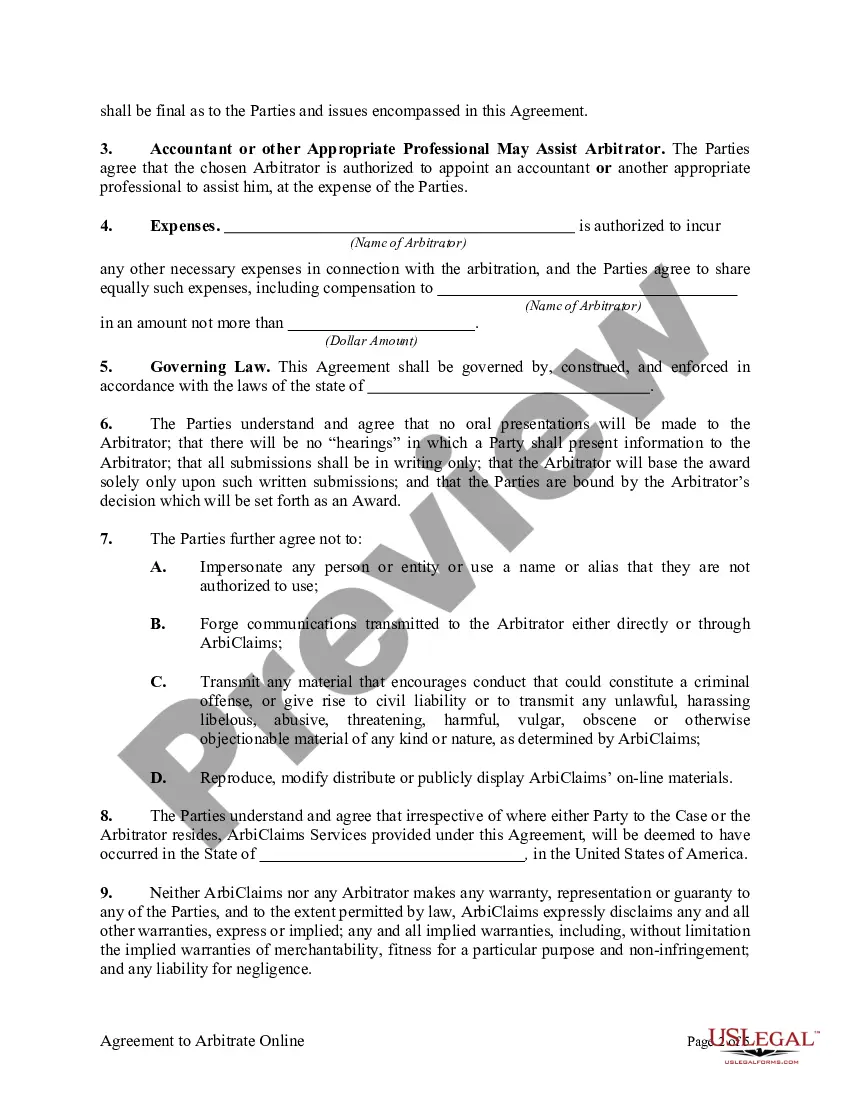
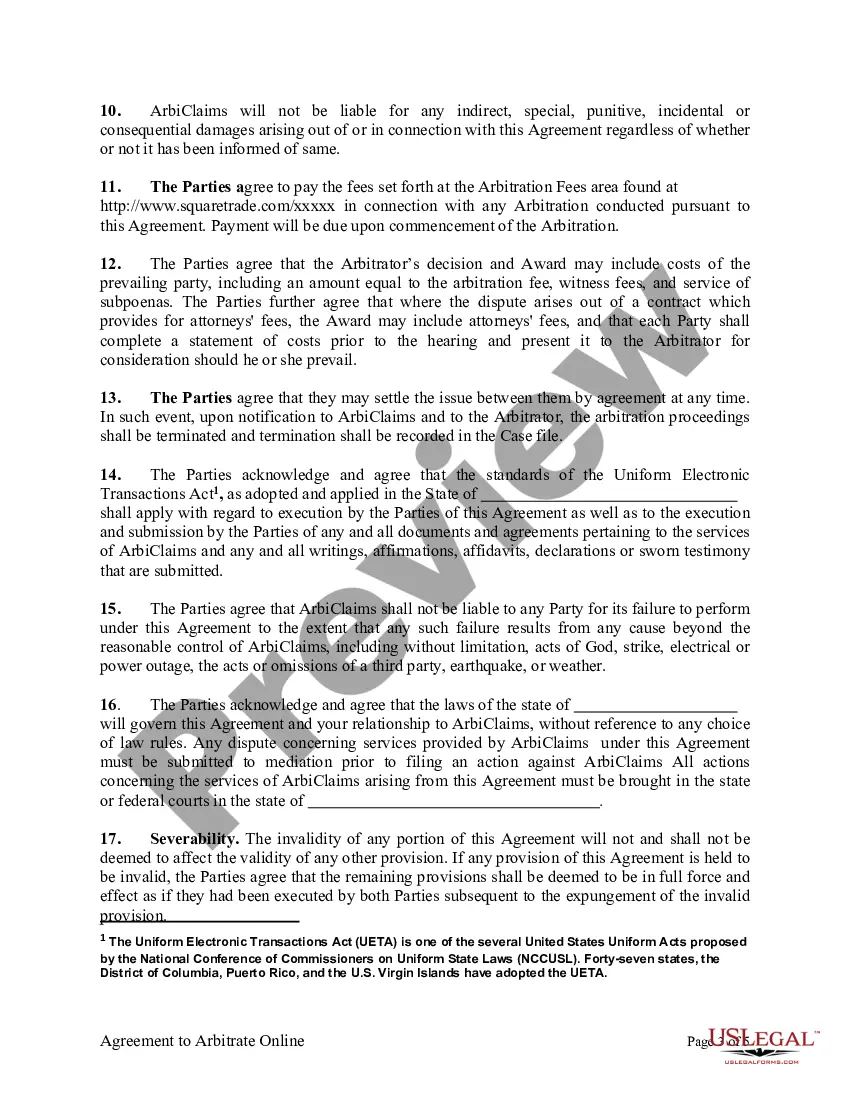

Get your form ready online
Our built-in tools help you complete, sign, share, and store your documents in one place.
Make edits, fill in missing information, and update formatting in US Legal Forms—just like you would in MS Word.
Download a copy, print it, send it by email, or mail it via USPS—whatever works best for your next step.
Sign and collect signatures with our SignNow integration. Send to multiple recipients, set reminders, and more. Go Premium to unlock E-Sign.
If this form requires notarization, complete it online through a secure video call—no need to meet a notary in person or wait for an appointment.
We protect your documents and personal data by following strict security and privacy standards.

Make edits, fill in missing information, and update formatting in US Legal Forms—just like you would in MS Word.

Download a copy, print it, send it by email, or mail it via USPS—whatever works best for your next step.

Sign and collect signatures with our SignNow integration. Send to multiple recipients, set reminders, and more. Go Premium to unlock E-Sign.

If this form requires notarization, complete it online through a secure video call—no need to meet a notary in person or wait for an appointment.

We protect your documents and personal data by following strict security and privacy standards.
Looking for another form?


Form popularity
FAQ
You must file either (1) Form PTAX-203 and any required documents with the deed or trust document or (2) an exemption notation on the original deed or trust document at the County Recorder's office within the county where the property is located.
Land contracts (aka “land installment contracts” or “contracts for deed”) are agreements in which a homebuyer makes regular payments to the seller but the deed does not transfer at the outset; instead, the seller retains full ownership of the property until the final payment.
Land contracts (aka “land installment contracts” or “contracts for deed”) are agreements in which a homebuyer makes regular payments to the seller but the deed does not transfer at the outset; instead, the seller retains full ownership of the property until the final payment.
Below are four critical topics you and your lawyer should consider when drafting your company's buy-sell agreement. Identify the Parties Involved. Agree on the Trigger Events. Agree on a Valuation Method. Set Realistic Expectations and Frequently Review the Agreement Terms. About the Author.
How to make a contract in 7 steps Step 1: Outline the basics. Step 2: Define the key terms and scope of work. Step 3: Set payment terms. Step 4: Include protective clauses. Step 5: Negotiate. Step 6: Get a contract review. Step 7: Sign and date.
Below are four critical topics you and your lawyer should consider when drafting your company's buy-sell agreement. Identify the Parties Involved. Agree on the Trigger Events. Agree on a Valuation Method. Set Realistic Expectations and Frequently Review the Agreement Terms.
Consumers should know that after August 17, 2024: If you are a buyer and your agent is using an MLS, you will need to sign a written agreement with your agent before touring a home so you understand exactly what services will be provided, and for how much.
Below are four critical topics you and your lawyer should consider when drafting your company's buy-sell agreement. Identify the Parties Involved. Agree on the Trigger Events. Agree on a Valuation Method. Set Realistic Expectations and Frequently Review the Agreement Terms. About the Author.
To be enforceable, a land sale contract must satisfy the Statute of Frauds, which generally requires that these contracts be in writing and signed by the parties. Note that this writing is apart from the instrument under which the actual transfer takes place, which is known as the “deed.”
7 Best Practices When Drafting Simple Agreements Start with a clear statement of purpose. Define key terms and definitions. Use clear and concise language. Include dispute resolution provisions. Consider the potential consequences of the breach. Include termination and renewal provisions. Use a standard contract template.