Agreement Arbitration Document For Medical Malpractice In Fairfax
Description

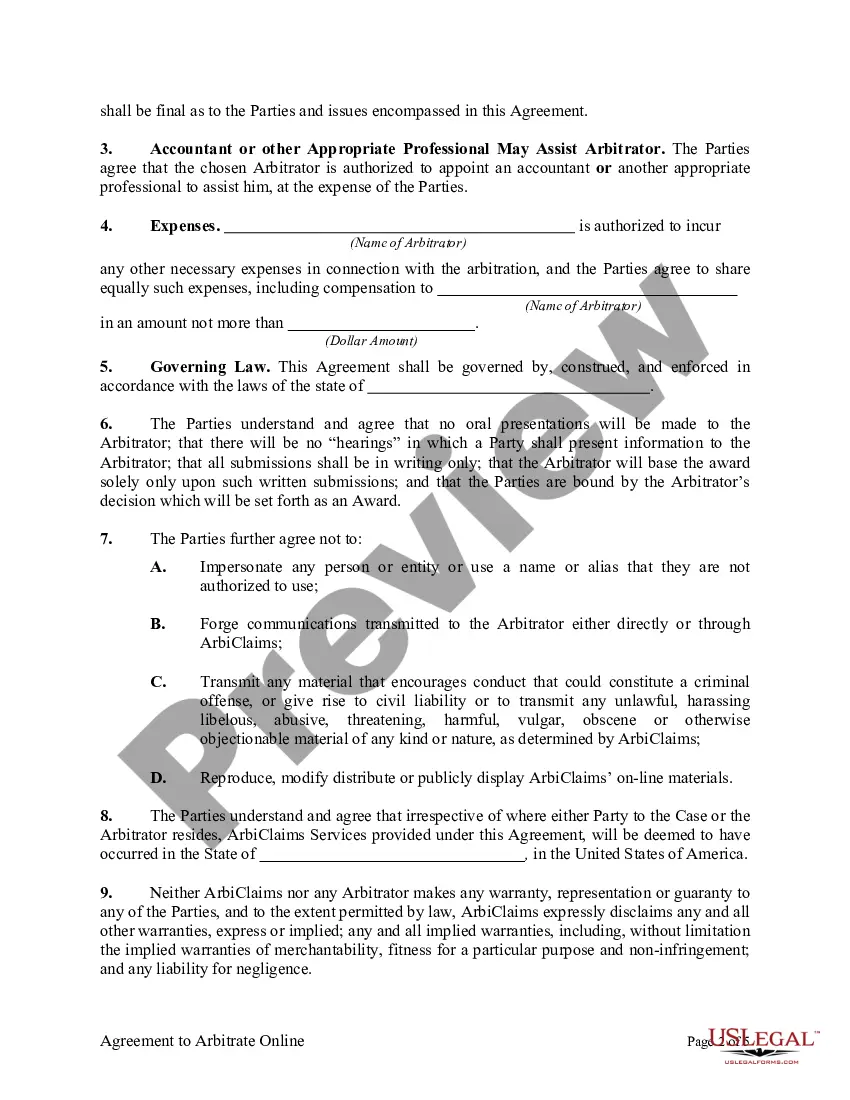
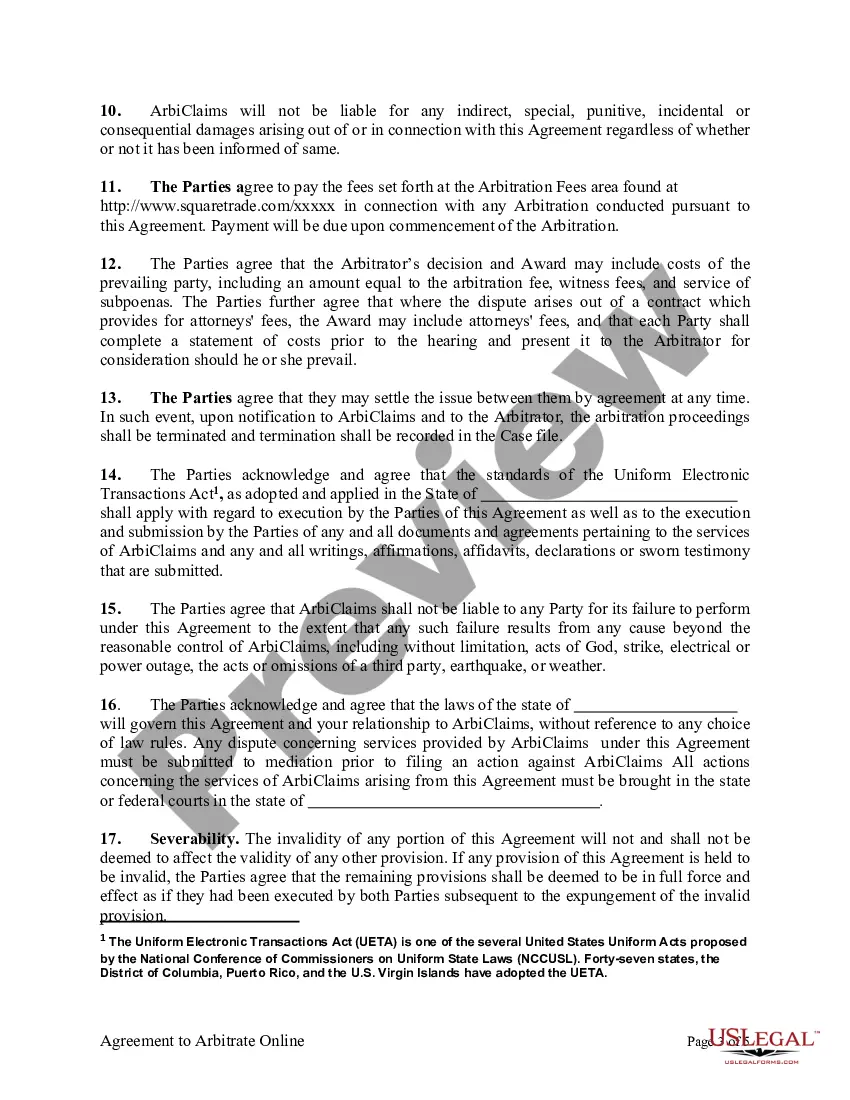




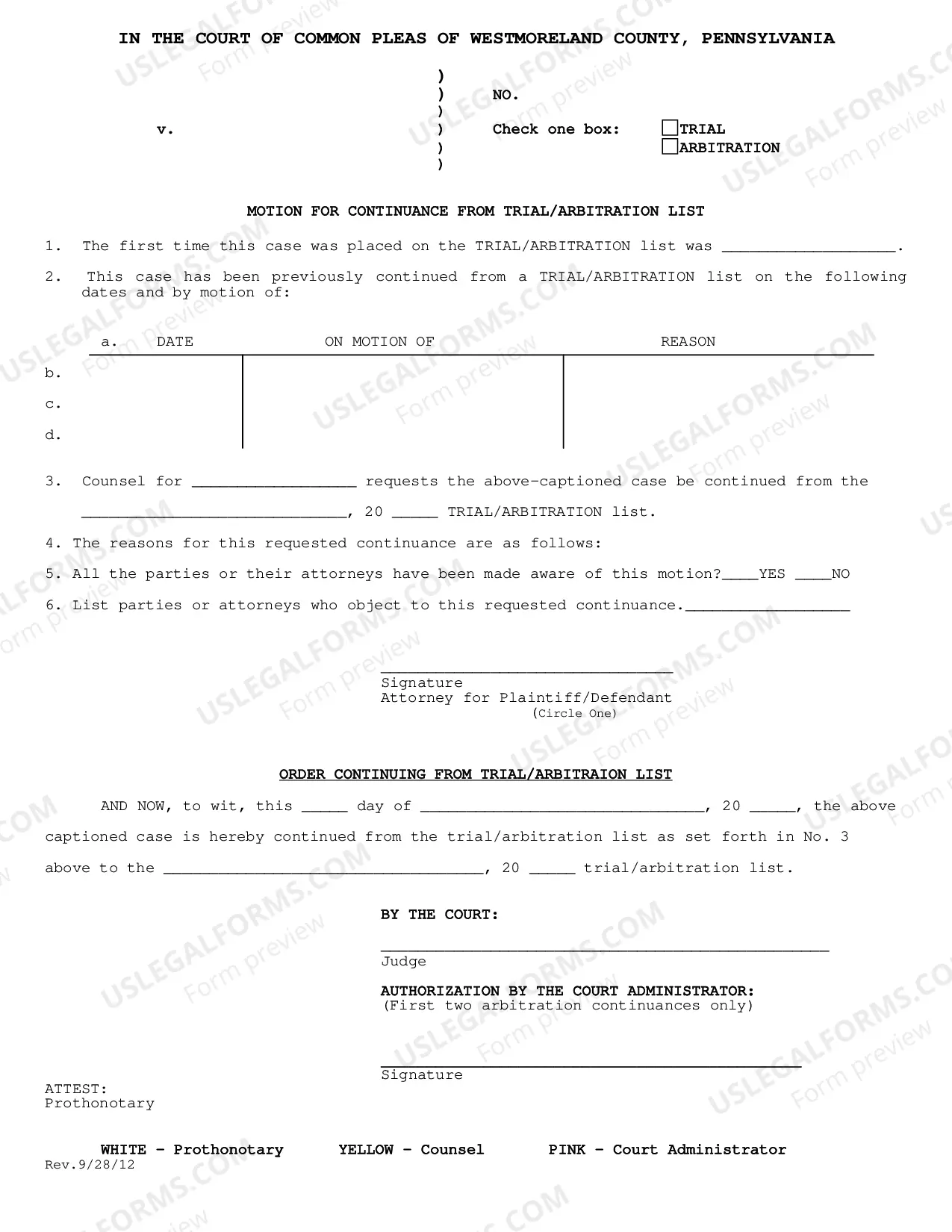
Get your form ready online
Our built-in tools help you complete, sign, share, and store your documents in one place.
Make edits, fill in missing information, and update formatting in US Legal Forms—just like you would in MS Word.
Download a copy, print it, send it by email, or mail it via USPS—whatever works best for your next step.
Sign and collect signatures with our SignNow integration. Send to multiple recipients, set reminders, and more. Go Premium to unlock E-Sign.
If this form requires notarization, complete it online through a secure video call—no need to meet a notary in person or wait for an appointment.
We protect your documents and personal data by following strict security and privacy standards.

Make edits, fill in missing information, and update formatting in US Legal Forms—just like you would in MS Word.

Download a copy, print it, send it by email, or mail it via USPS—whatever works best for your next step.

Sign and collect signatures with our SignNow integration. Send to multiple recipients, set reminders, and more. Go Premium to unlock E-Sign.

If this form requires notarization, complete it online through a secure video call—no need to meet a notary in person or wait for an appointment.

We protect your documents and personal data by following strict security and privacy standards.
Looking for another form?


Form popularity
FAQ
Demand Letter Components Facts of the case. An outline of what happened. Statement of the issue. A brief description of the problem. Demand. The dollar amount or action necessary to resolve the case. Response deadline. The date by which the recipient must respond. Noncompliance consequences.
The Nuts and Bolts of a Demand Letter Gather complete information before you start writing. Describe your injuries and medical treatment. List your medical expenses, lost wages, and non-economic damages. Make a settlement demand. Include a deadline for legal action if you want to, but don't bluff.
Proving causation is often the most difficult element of a medical malpractice case. However, it is not impossible. With the help of an experienced medical malpractice lawyer, plaintiffs may be able to overcome the challenges of proving causation and win their cases.
The current options include different types of arbitration. Some states have voluntary binding and non-binding arbitration; others have mandatory arbitration for all medical malpractice claims, while in others it is mandatory if the damage claims are under a specific amount.
Healthcare arbitration agreements are written agreements between patients and healthcare providers that state that any dispute that arises will be handled through arbitration. The patients sign the agreement before a procedure or treatment.
The four Ds of medical malpractice are duty, dereliction (negligence or deviation from the standard of care), damages, and direct cause. Each of these four elements must be proved to have been present, based on a preponderance of the evidence, for malpractice to be found.
Many surgeons use an arbitration clause. This does not mean you give up any rights but rather than going to court your case would go to an arbitration panel. It's actually better for you because you wouldn't have to go to court and face a jury if there is a dispute.
Necessary Elements Details of the Parties. Details of the relationship between the parties. Demand for Arbitration. The mention of agreement/contract (if any). The mention of already existing arbitration agreement between the parties pursuant to which the concerned notice of arbitration has been sent (if any).
(a) Any contract for medical services which contains a provision for arbitration of any dispute as to professional negligence of a health care provider shall have such provision as the first article of the contract and shall be expressed in the following language: "It is understood that any dispute as to medical ...
Contents of a Notice of Arbitration A demand that the dispute is referred to arbitration. The names and addresses of the parties. A reference to the arbitration clause or the separate arbitration agreement that is invoked. A reference to the contract out of or in relation to which the dispute arises.
