Agree With Arbitration In Chicago
Description

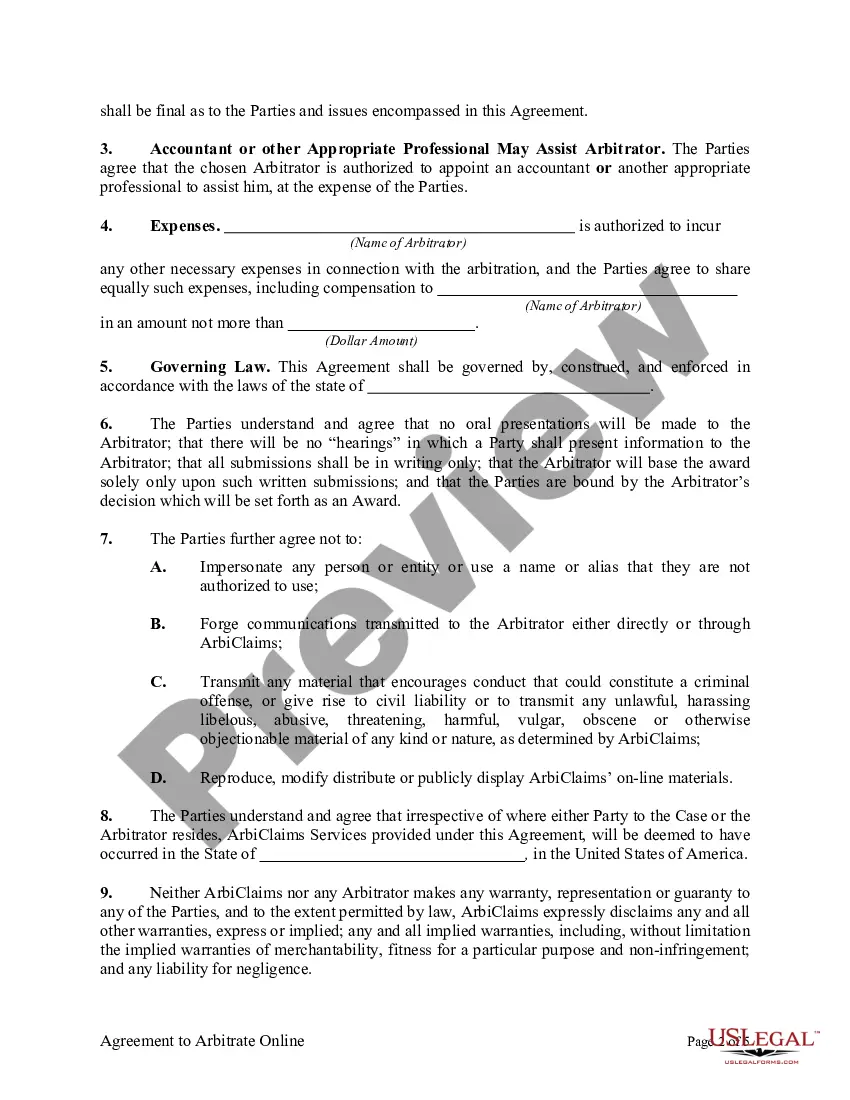
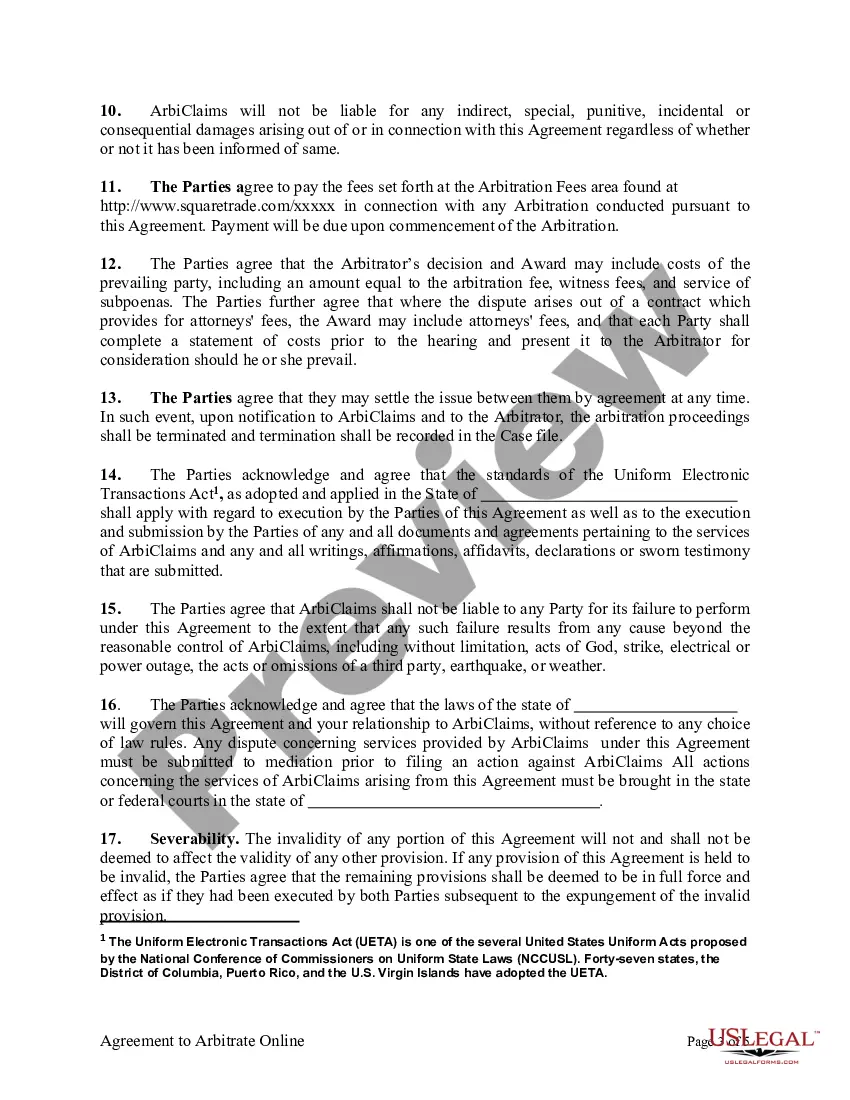




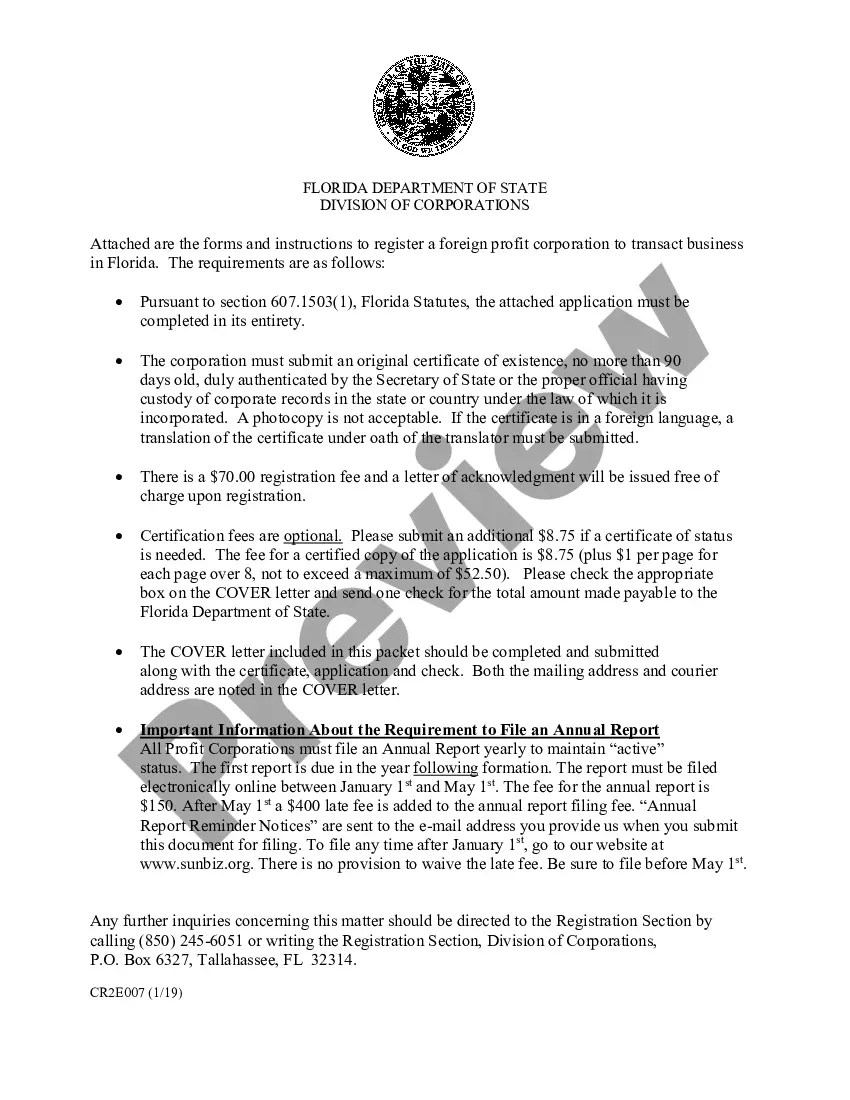
Get your form ready online
Our built-in tools help you complete, sign, share, and store your documents in one place.
Make edits, fill in missing information, and update formatting in US Legal Forms—just like you would in MS Word.
Download a copy, print it, send it by email, or mail it via USPS—whatever works best for your next step.
Sign and collect signatures with our SignNow integration. Send to multiple recipients, set reminders, and more. Go Premium to unlock E-Sign.
If this form requires notarization, complete it online through a secure video call—no need to meet a notary in person or wait for an appointment.
We protect your documents and personal data by following strict security and privacy standards.

Make edits, fill in missing information, and update formatting in US Legal Forms—just like you would in MS Word.

Download a copy, print it, send it by email, or mail it via USPS—whatever works best for your next step.

Sign and collect signatures with our SignNow integration. Send to multiple recipients, set reminders, and more. Go Premium to unlock E-Sign.

If this form requires notarization, complete it online through a secure video call—no need to meet a notary in person or wait for an appointment.

We protect your documents and personal data by following strict security and privacy standards.
Looking for another form?





Form popularity
FAQ
Should you sign an arbitration agreement? If you agree to engage in a possible future arbitration voluntarily, mutually determine the ground rules of arbitration and agree to choose an impartial arbitrator together, you are likely to find arbitration to be not only inexpensive and fast but also fair.
A clause that requires arbitration is known as a mandatory arbitration clause. Today's question is: Are such clauses enforceable in Illinois? The short answer is yes, and the long answer doesn't really change much.
At the arbitration hearing, the parties present their case to the arbitration panel and the arbitrators make a monetary award based on the evidence. The Illinois Code of Civil Procedure, Illinois Supreme Court Rules and the established rules of evidence all apply in arbitration hearings.
As a general rule you should opt out of arbitration when you sign any agreement with a company.
Arbitration is a mandatory but non-binding informal hearing where a neutral arbitrator, or panel of arbitrators, is selected to hear the evidence in your case. Arbitrators are knowledgeable, impartial practicing attorneys or retired judges.
Some potential consequences may include: Breach of Contract: If arbitration is a contractual requirement and one party refuses to participate, they may be in breach of the contract. The non-complying party may be held liable for damages resulting from the breach.
If both a party and that party=s attorney fail to appear for a scheduled arbitration hearing, that case may be referred to a judge for a non-jury trial which would take place on the same day as the scheduled arbitration hearing. The court may hear the matter and enter a decision.
Usually such agreements provide that you have no right to go outside the arbitration system and present your claims to the public courts. In forced arbitration situations, your job may depend on accepting such a provision: your only other choice is to not take the job.
While you technically have the choice not to sign an arbitration agreement that appears to be skewed more to your employer's benefit, the employer can simply rescind its offer of employment if you refuse to sign.
The arbitrator's decision can give parties a realistic idea of the outcome of their case. If neither party appeals the decision, it will be binding, like an order by a judge. However, a party unhappy with the arbitrator's decision can request a new trial before a judge.
