Agreement To Arbitrate Pdf In California
Description

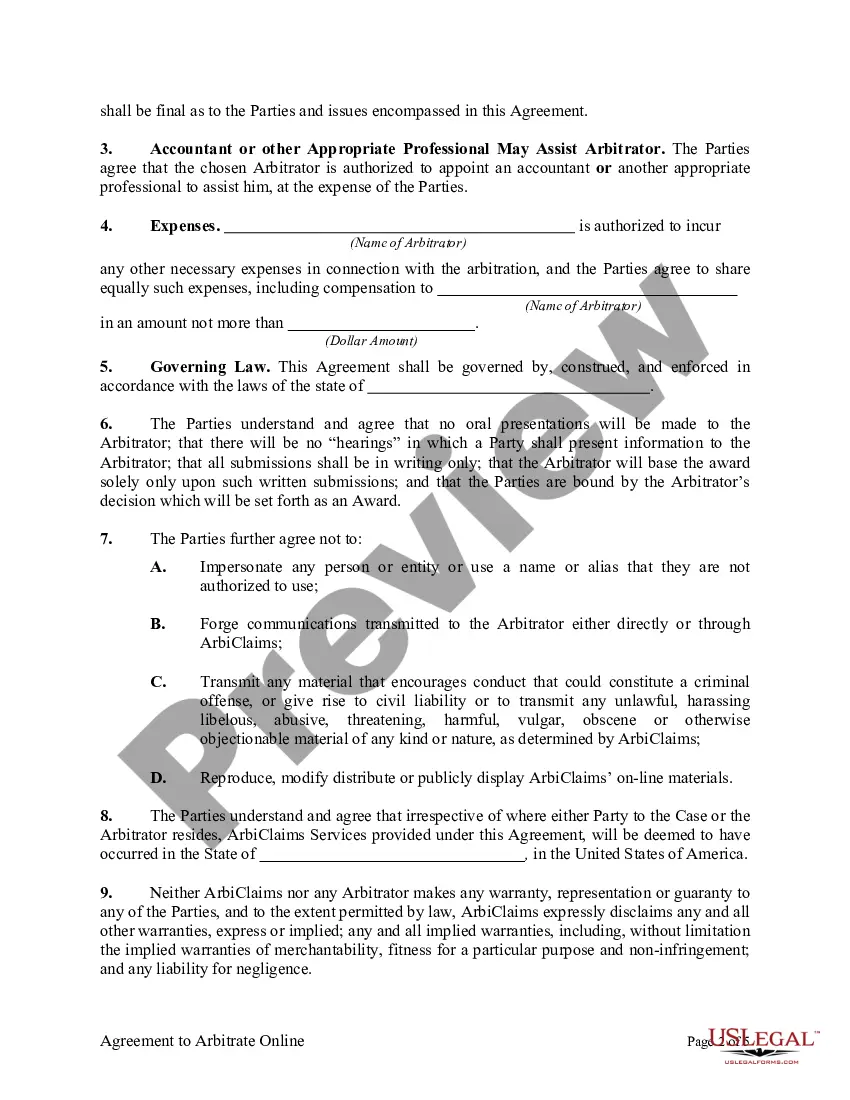
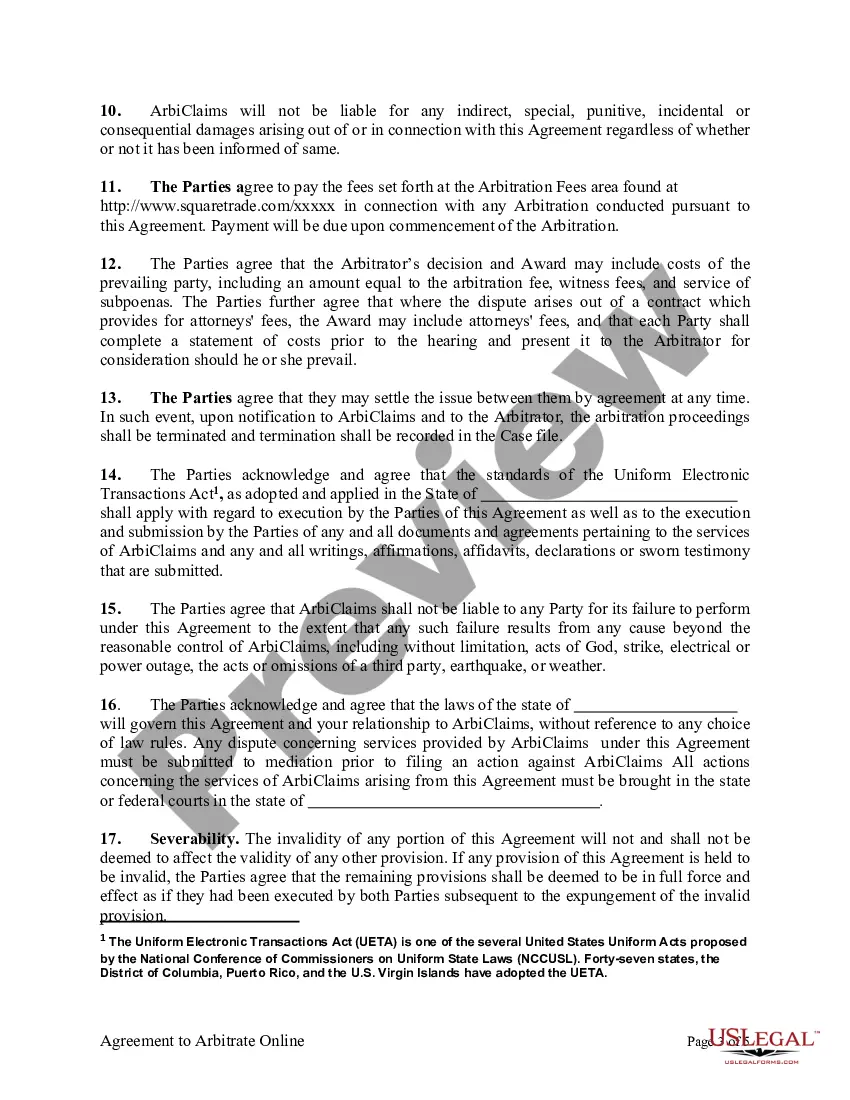

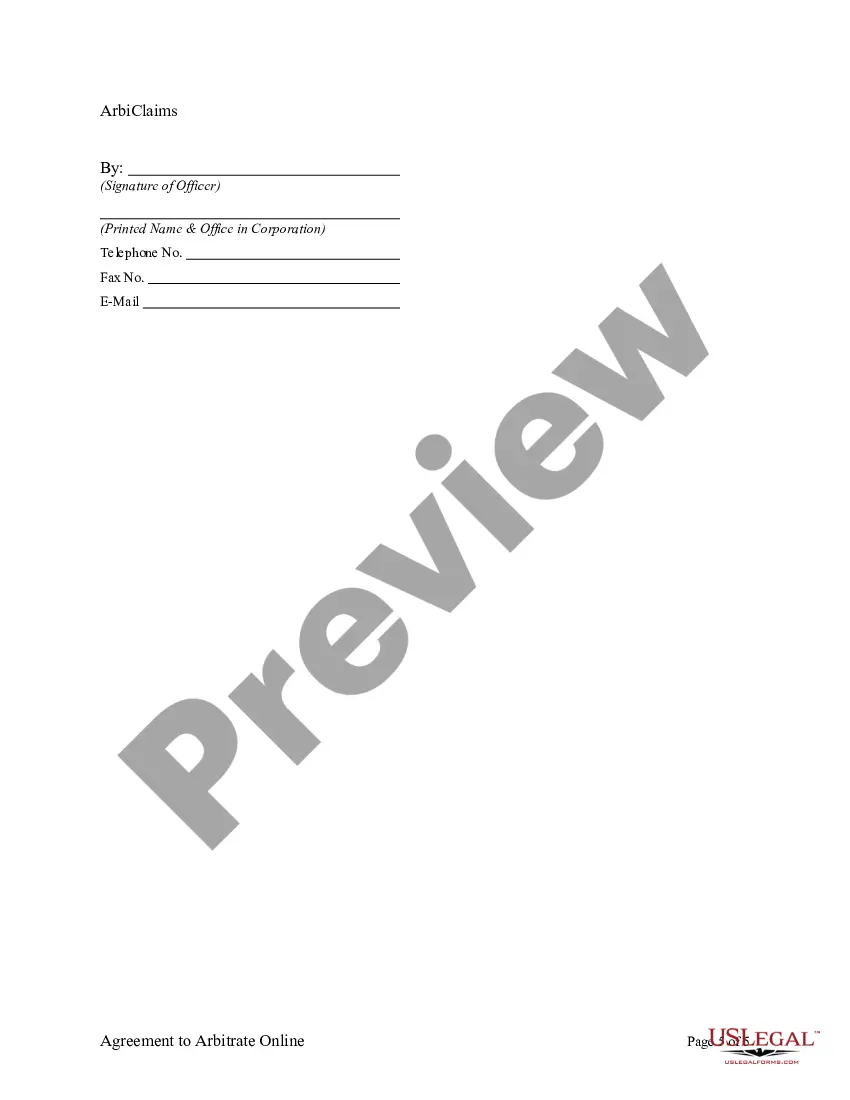



Get your form ready online
Our built-in tools help you complete, sign, share, and store your documents in one place.
Make edits, fill in missing information, and update formatting in US Legal Forms—just like you would in MS Word.
Download a copy, print it, send it by email, or mail it via USPS—whatever works best for your next step.
Sign and collect signatures with our SignNow integration. Send to multiple recipients, set reminders, and more. Go Premium to unlock E-Sign.
If this form requires notarization, complete it online through a secure video call—no need to meet a notary in person or wait for an appointment.
We protect your documents and personal data by following strict security and privacy standards.

Make edits, fill in missing information, and update formatting in US Legal Forms—just like you would in MS Word.

Download a copy, print it, send it by email, or mail it via USPS—whatever works best for your next step.

Sign and collect signatures with our SignNow integration. Send to multiple recipients, set reminders, and more. Go Premium to unlock E-Sign.

If this form requires notarization, complete it online through a secure video call—no need to meet a notary in person or wait for an appointment.

We protect your documents and personal data by following strict security and privacy standards.
Looking for another form?


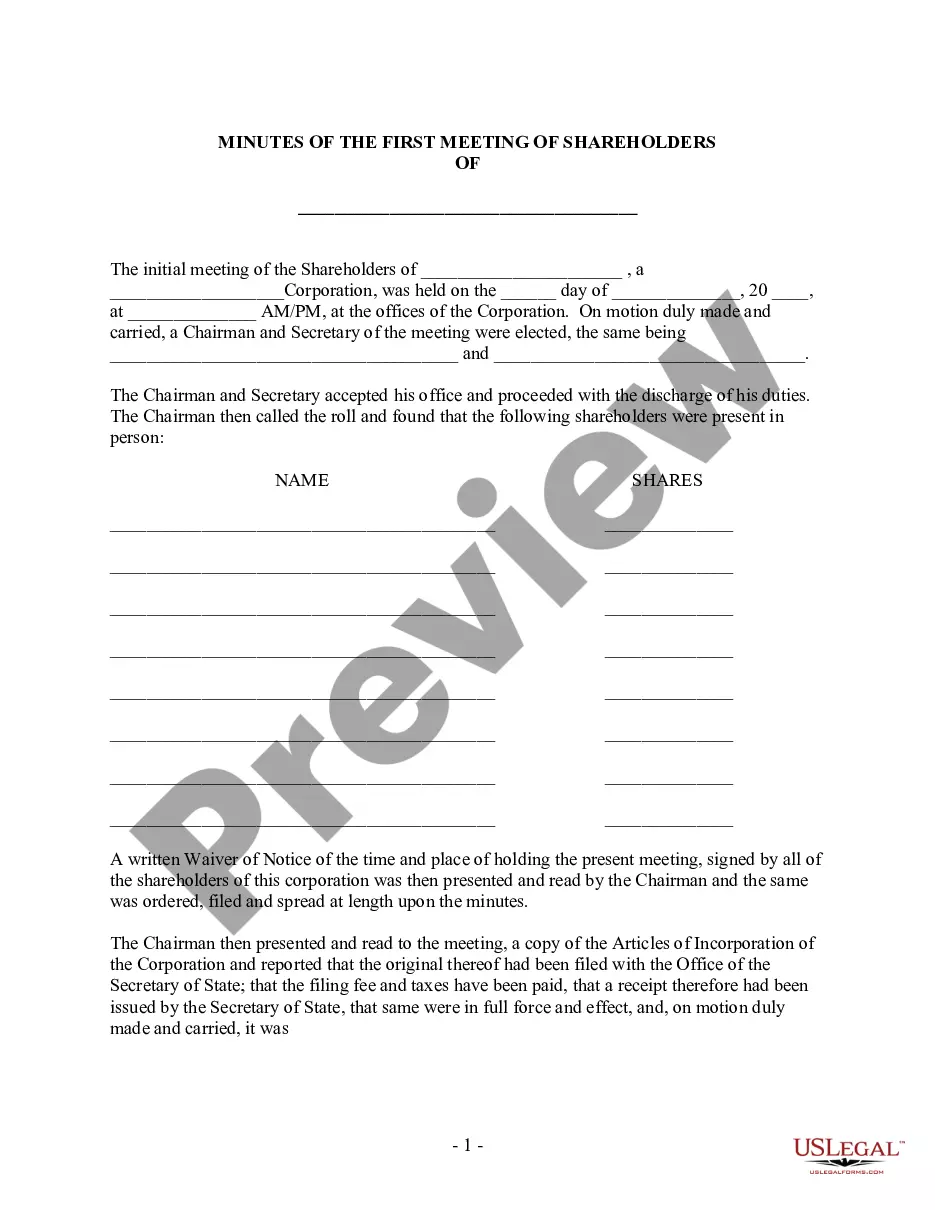

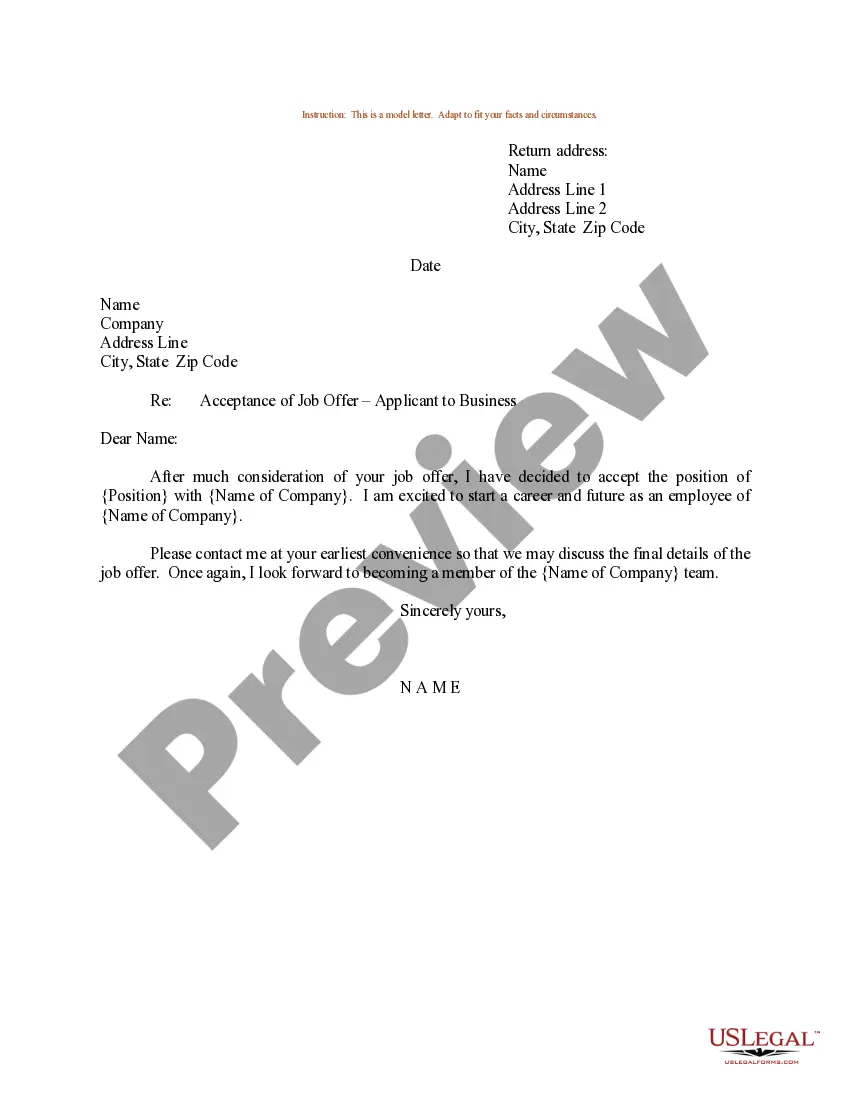




Form popularity
FAQ
Under California law, you cannot be fired solely for refusing to sign an arbitration agreement. The California Labor Code provides strong protections for employees, ensuring that refusal to sign an arbitration agreement cannot be used as grounds for termination.
The arbitrator will explain the process. Each side may present an uninterrupted opening statement setting forth its position as to the facts and the law. After opening statements, the parties present their evidence and witnesses. The arbitrator swears in the witnesses and makes rulings on the admissibility of evidence.
Under California law, an employer can require its employees to agree to arbitration as a term of employment. However, if the agreement has too many unfair or biased conditions, courts may refuse to enforce the arbitration agreement or chop off the unfair terms.
Not at all! Opting out of an arbitration agreement in California does not come with any negative consequences. You are well within your rights to make that choice, and no one can penalize you for it.
Under California law, you cannot be fired solely for refusing to sign an arbitration agreement. The California Labor Code provides strong protections for employees, ensuring that refusal to sign an arbitration agreement cannot be used as grounds for termination.
The court said the state law is preempted by the Federal Arbitration Act (FAA). As a result, Assembly Bill 51 no longer stands as an obstacle to employers that wish to require arbitration agreements as a condition of employment in California, so long as the FAA applies and governs the agreement.
Arbitration might be the right choice for some cases. Limited discovery rights and costs might be useful when less is at stake. Arbitration might feel less adversarial, which could be an advantage where ongoing relationships are hoped to be preserved. Arbitration lends some confidentiality.
There are some benefits to arbitration if something goes wrong for you alone because it can be easier and faster to navigate than going to court. That being said, if you would prefer to have access to class action lawsuits, then opting out might be the better option for you.
In some instances, you may be able to sue if you signed a valid arbitration agreement. While courts generally favor arbitration agreements, they will allow you to file a lawsuit if either you didn't understand your rights or your claims fall outside the arbitration provision's scope.
