Stockholder Meeting For Hoa In Wake
Description

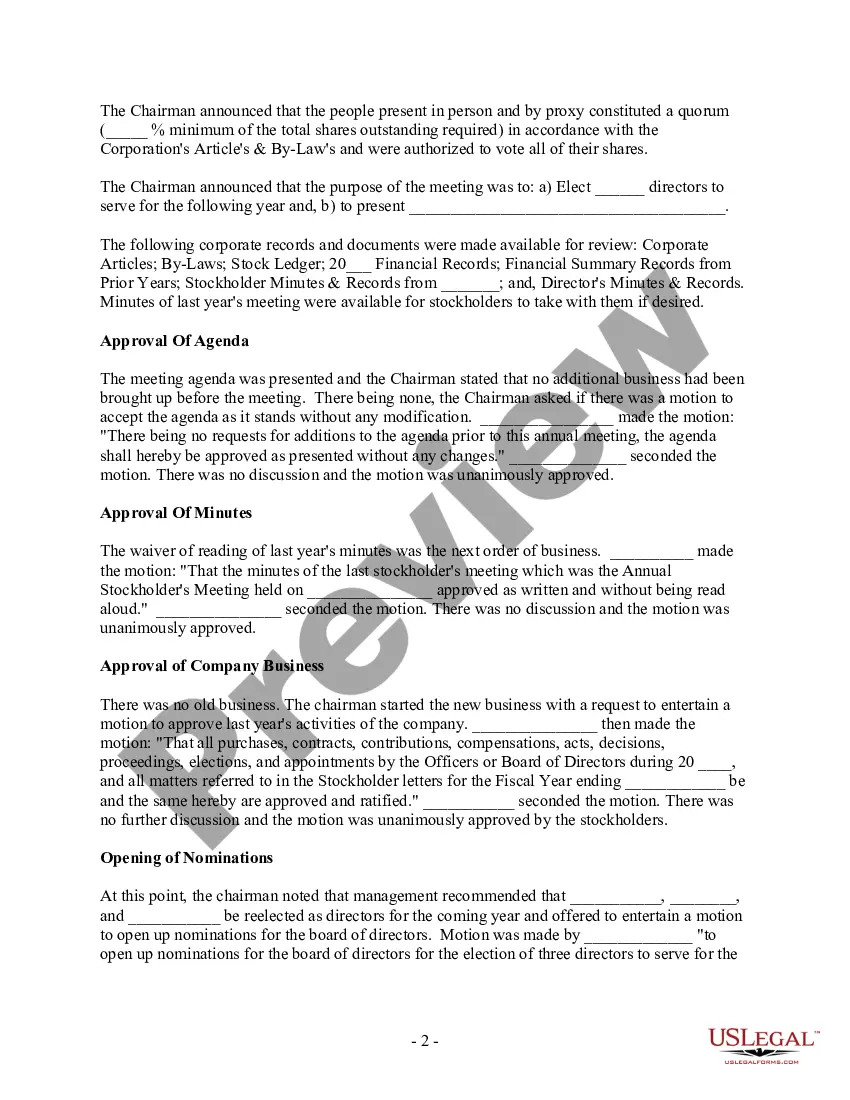
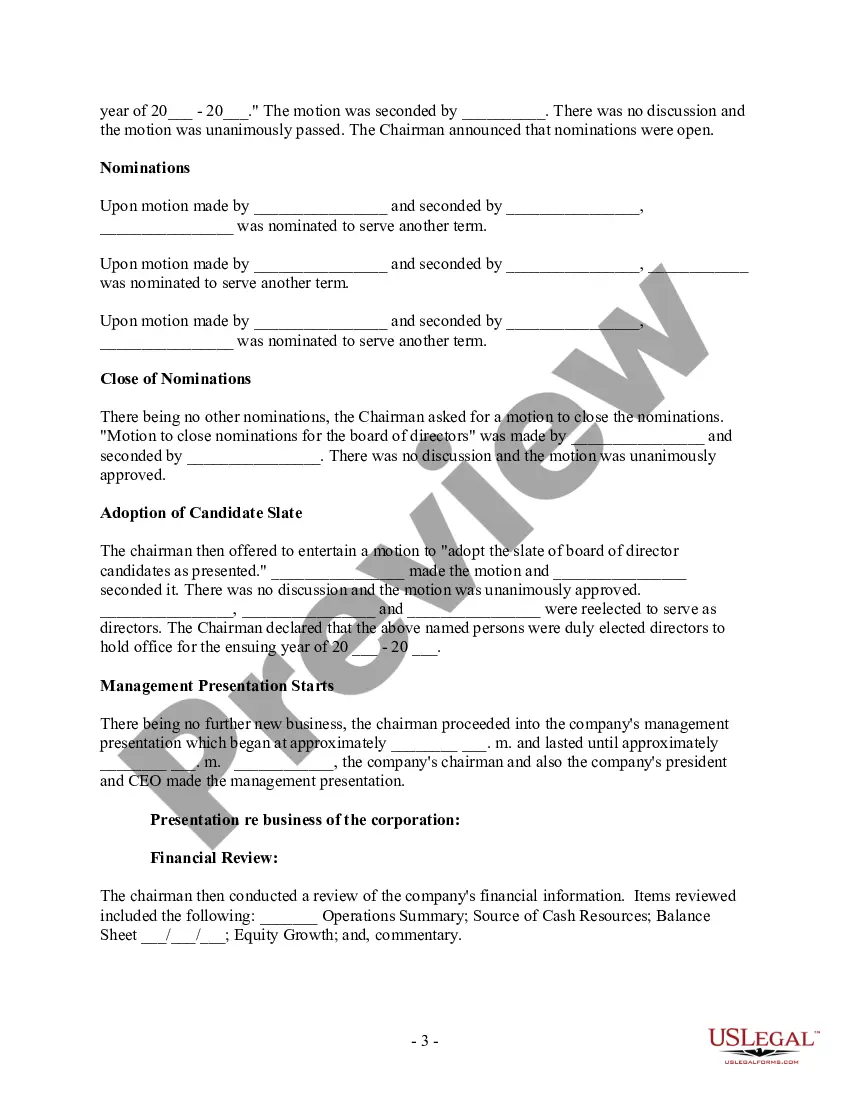
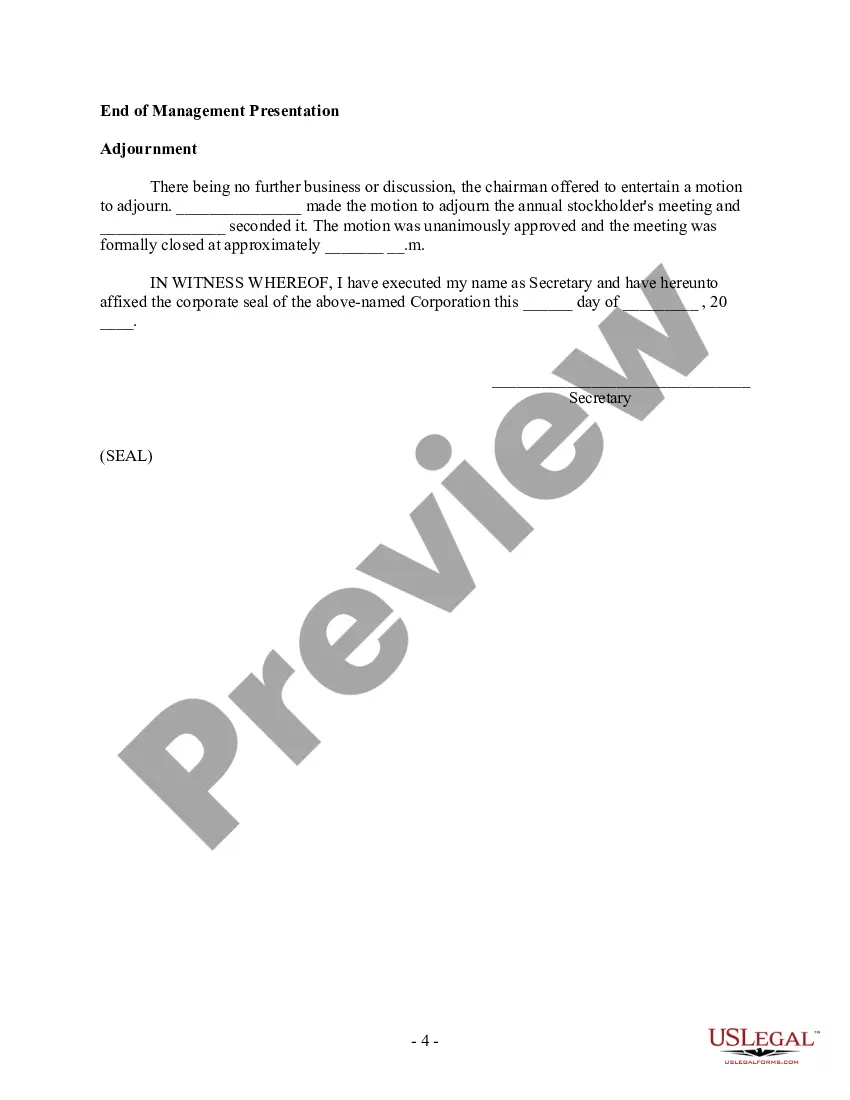

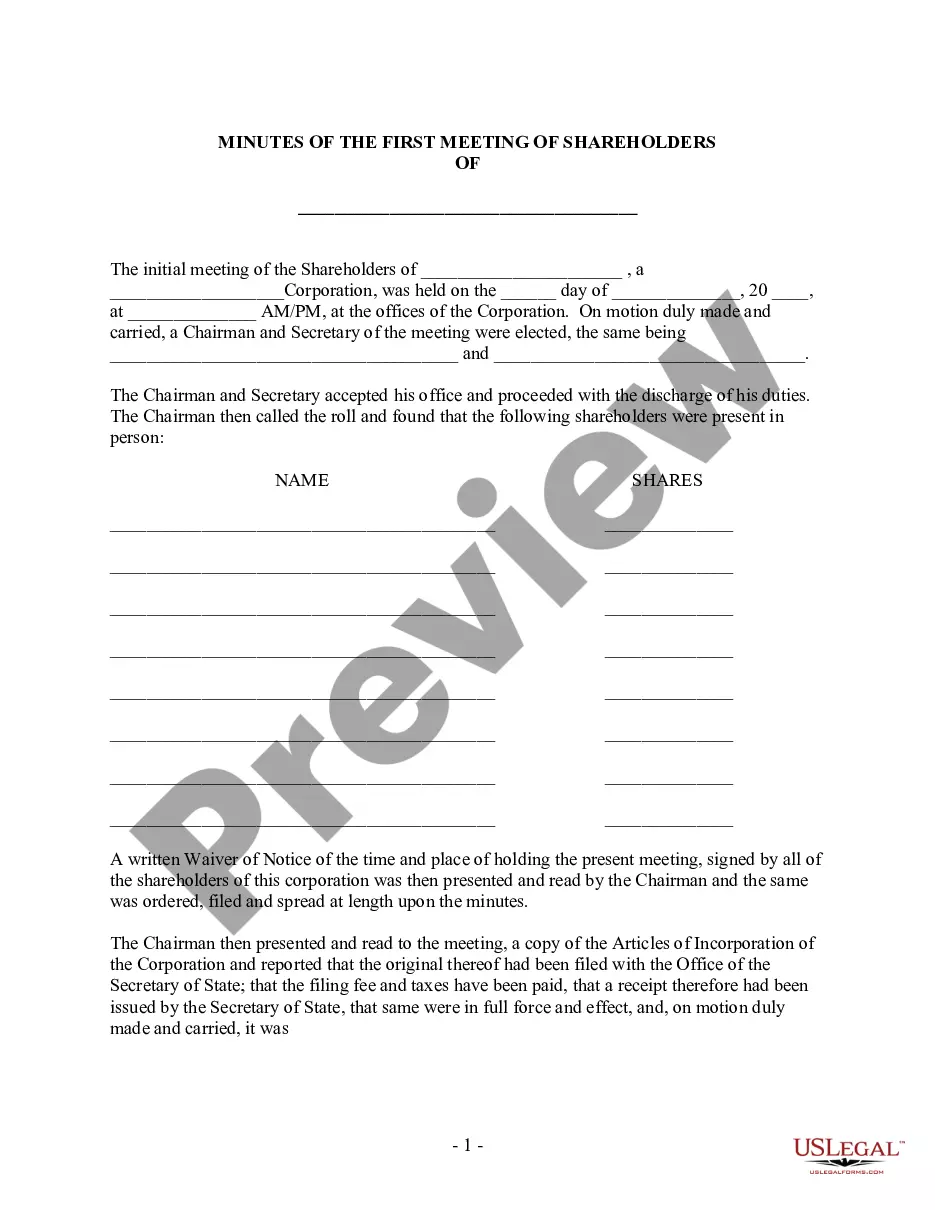

Get your form ready online
Our built-in tools help you complete, sign, share, and store your documents in one place.
Make edits, fill in missing information, and update formatting in US Legal Forms—just like you would in MS Word.
Download a copy, print it, send it by email, or mail it via USPS—whatever works best for your next step.
Sign and collect signatures with our SignNow integration. Send to multiple recipients, set reminders, and more. Go Premium to unlock E-Sign.
If this form requires notarization, complete it online through a secure video call—no need to meet a notary in person or wait for an appointment.
We protect your documents and personal data by following strict security and privacy standards.

Make edits, fill in missing information, and update formatting in US Legal Forms—just like you would in MS Word.

Download a copy, print it, send it by email, or mail it via USPS—whatever works best for your next step.

Sign and collect signatures with our SignNow integration. Send to multiple recipients, set reminders, and more. Go Premium to unlock E-Sign.

If this form requires notarization, complete it online through a secure video call—no need to meet a notary in person or wait for an appointment.

We protect your documents and personal data by following strict security and privacy standards.
Looking for another form?






Form popularity
FAQ
7 Tips for Running Successful Association Meetings Set a clear purpose and agenda. Choose the right time and place. Invite the right people. Prepare and distribute meeting materials. Facilitate the meeting effectively. Keep the meeting engaging. Follow up after the meeting.
Is recording HOA meetings legal or not? It depends on where your association is located. States like California, Florida, and Pennsylvania have two-party consent laws, which means that all parties involved must consent to the recording. If there is no consent, it is illegal.
If your board meeting is an open meeting, however, you should be able to record the meeting, as there is no expectation of confidentiality. A legitimate argument can be made that a board of directors has the power to decide how a meeting of the board will take place.
The Board members and the HOA management company should ensure the meeting runs smoothly, such as setting an agenda, preparing materials, sending out notices, making sure the meeting is legal, setting up the meeting space, having a quorum, and appointing a meeting chair.
By using Robert's Rules of Order you will: Keep a meeting on track. Those speaking out of turn are asked to wait until item is up for discussion per the agenda. Identify when discussion may occur and when to call for a vote. Determine the quorum number and majority vote.
Is recording HOA meetings legal or not? It depends on where your association is located. States like California, Florida, and Pennsylvania have two-party consent laws, which means that all parties involved must consent to the recording. If there is no consent, it is illegal.
Examples of homeowner association harassment Offensive language, including derogatory comments and personal attacks. Threats of physical, legal, or financial harm. Some residents report that some types of harassment include fines and penalties, as excessive fines may be levied for minor infractions.
Failure to Follow Open Meeting Laws: Open meeting laws mandate that meetings be accessible to the public or community members. Violating these laws, such as by conducting business in secret or excluding members from discussions that should be open, constitutes an illegal meeting.
Report on specific dialogue or personal opinions of what was said at the meeting. While some HOA Boards may be tempted to record this information in an effort to be transparent, this is a big no-no. This will also help to keep the length of minutes down. Include homeowner forum topics and discussion in the minutes.
Can the board make decisions in an HOA without consulting homeowners? In a word, yes. There are certain decisions the board can make unilaterally. On the flip side, there are also some decisions that must go through a membership vote.
