Stockholder Meeting For Private Companies In Suffolk
Description

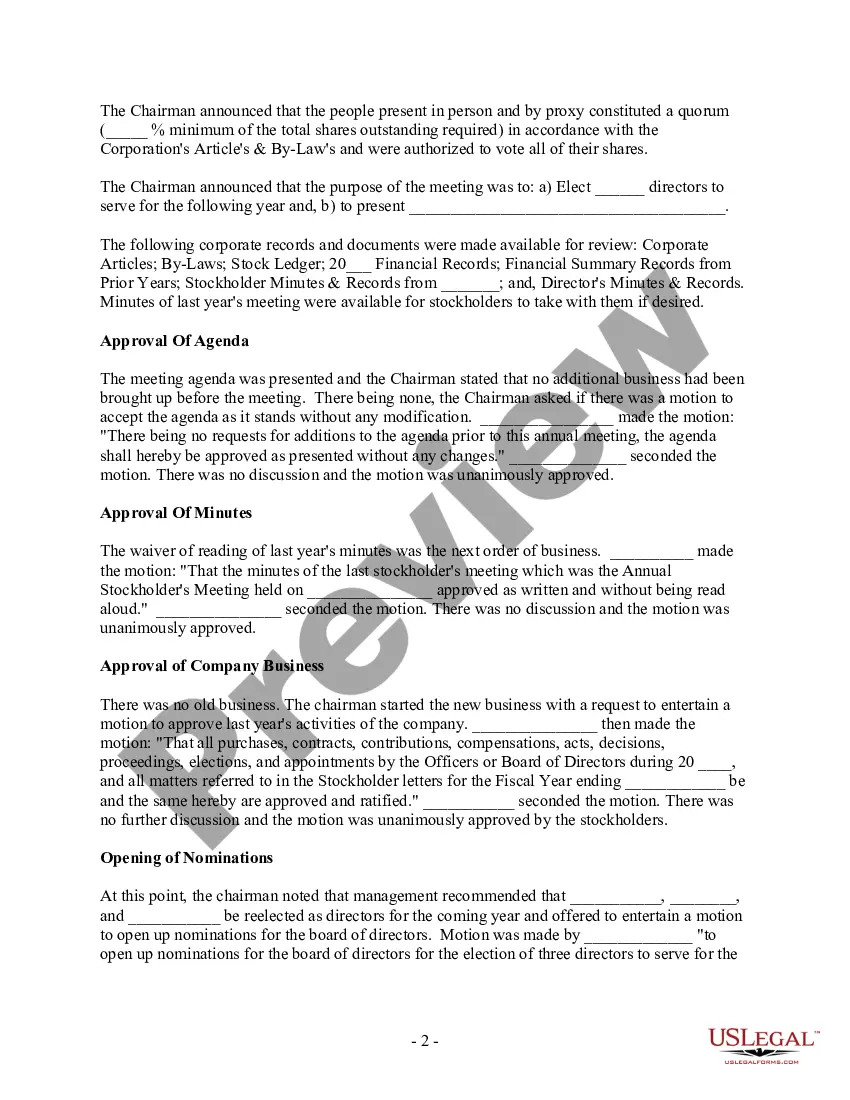
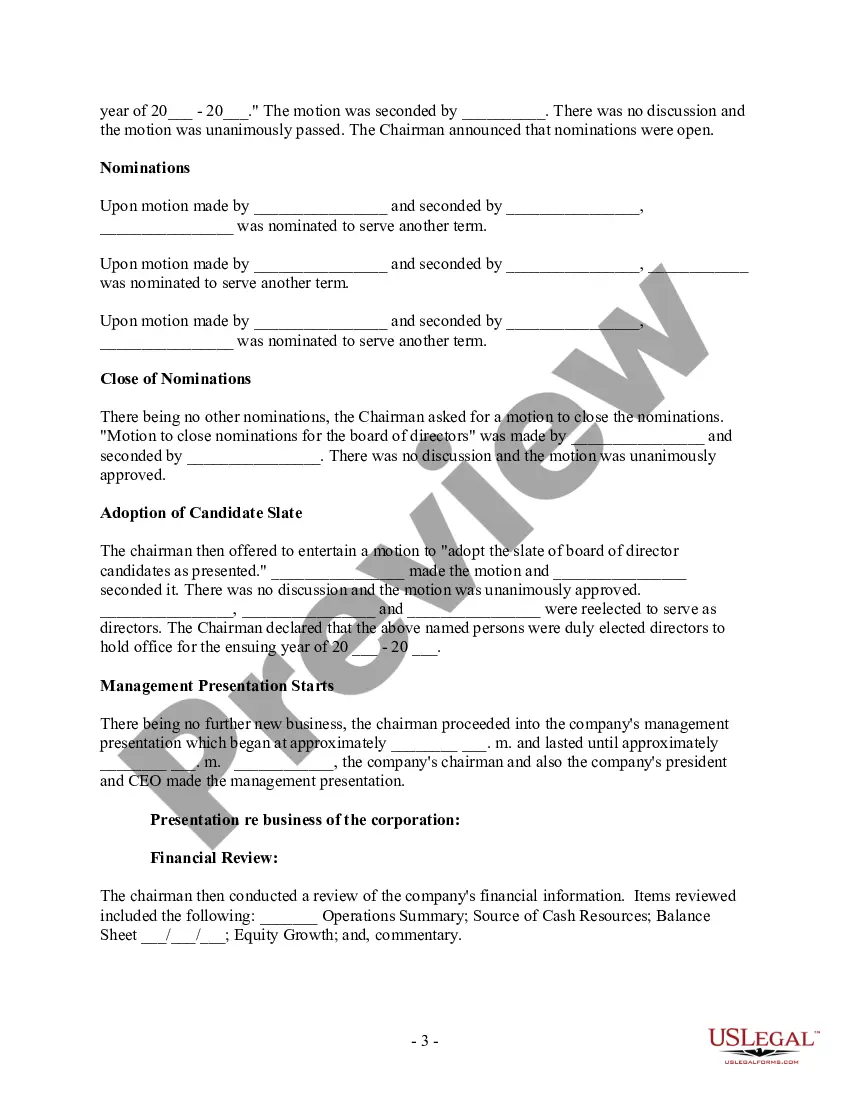
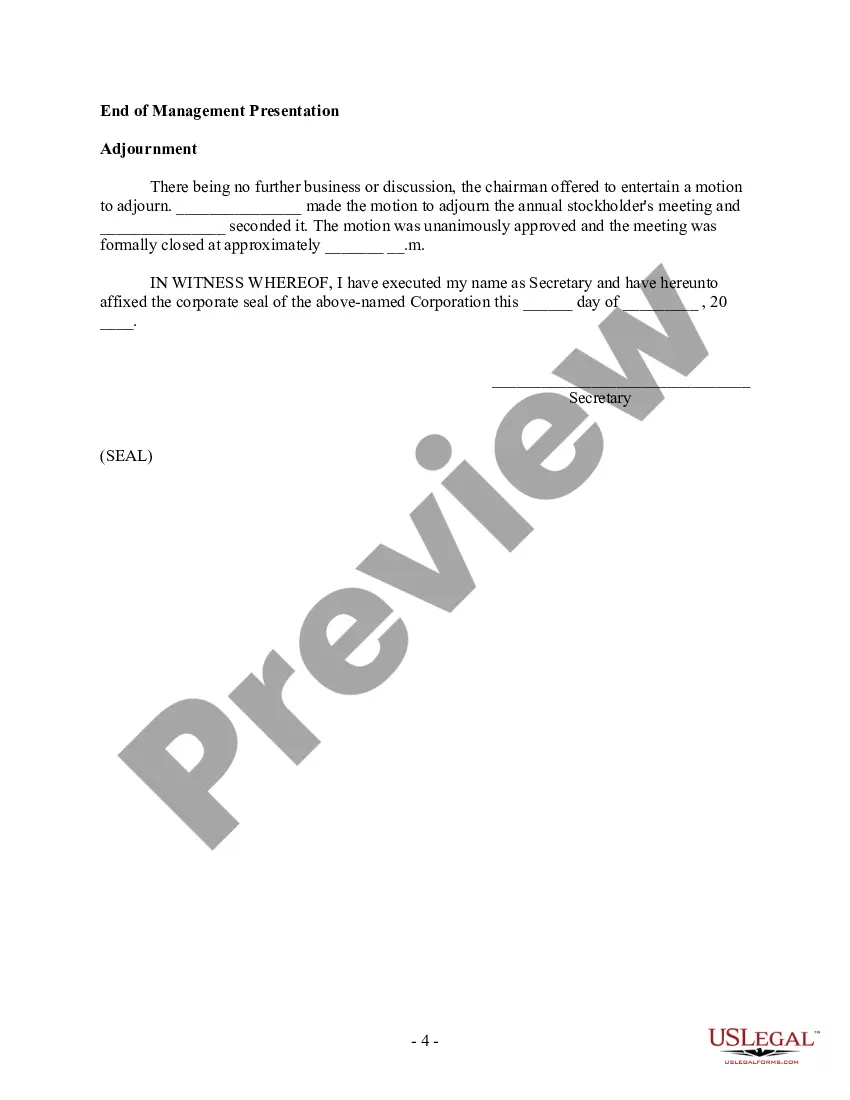

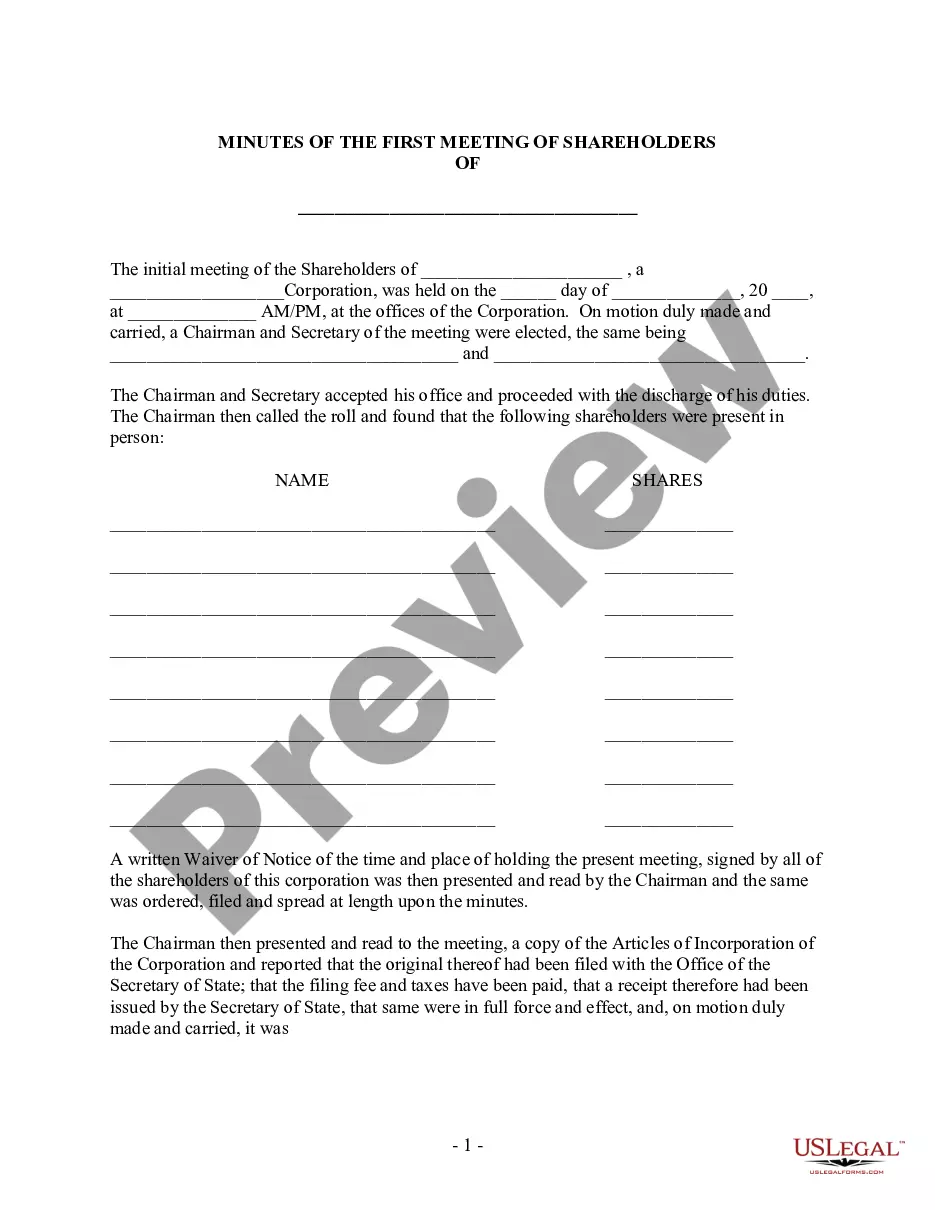

Get your form ready online
Our built-in tools help you complete, sign, share, and store your documents in one place.
Make edits, fill in missing information, and update formatting in US Legal Forms—just like you would in MS Word.
Download a copy, print it, send it by email, or mail it via USPS—whatever works best for your next step.
Sign and collect signatures with our SignNow integration. Send to multiple recipients, set reminders, and more. Go Premium to unlock E-Sign.
If this form requires notarization, complete it online through a secure video call—no need to meet a notary in person or wait for an appointment.
We protect your documents and personal data by following strict security and privacy standards.

Make edits, fill in missing information, and update formatting in US Legal Forms—just like you would in MS Word.

Download a copy, print it, send it by email, or mail it via USPS—whatever works best for your next step.

Sign and collect signatures with our SignNow integration. Send to multiple recipients, set reminders, and more. Go Premium to unlock E-Sign.

If this form requires notarization, complete it online through a secure video call—no need to meet a notary in person or wait for an appointment.

We protect your documents and personal data by following strict security and privacy standards.
Looking for another form?







Form popularity
FAQ
California law requires ALL California corporations, even those owned by a single shareholder, to hold an annual meeting of the shareholder(s) for the purpose of electing the board of directors.
Directors call general meetings, including the AGM. Members of a corporation cannot call a general meeting or AGM unless the rule book says they can. It is best if all the directors are involved in the decision to call a general meeting and setting the agenda by passing a resolution at a directors' meeting.
Shareholders meetings (1) The board of a company, or any other person specified in the company's Memorandum of Incorporation or rules, may call a shareholders meeting at any time.
Menu Inversionistas. In ance with the current Statutes, two types of general assemblies can be held: ordinary and extraordinary. Ordinary general shareholders meetings are those convened to discuss any matter that is not reserved for extraordinary general shareholders meetings.
Every shareholder is given the opportunity to vote and attend meetings, but it's not a requirement. Institutional investors or those with a large position in the company may attend and vote in person. Those who choose not to attend in person but still want to make their opinion known can vote by proxy.
(1) The Board may, whenever it deems fit, call an extraordinary general meeting of the company . Provided that in case of a Specified IFSC public company, the Board may subject to the consent of all the shareholders, convene its extraordinary general meeting at any place within or outside India.
AGMs are mandatory for both public and private companies. All shareholders are legally obligated to receive an invitation to these meetings. The board of directors should also be represented. An auditor may also be present if the organization is subject to an audit requirement.
The board of directors has the power to call general meetings and the majority of general meetings will be called by the directors (S302 of the Companies Act 2006). The members also have the ability to demand a general meeting.
Annual General Meeting (AGM) During these meetings, corporate board members present annual financial reports and accounts to be ratified by shareholders. Shareholders can also question board decisions and vote on the appointment, election, or removal of company directors.
Federal and state-level laws, as well as a company's incorporation documents, require public and private corporations—including C-corps—to have boards of directors (BoDs). Companies that are formed as LLCs (limited liability companies) do not have the same requirements, although some still choose to assemble a board.
