Stockholder Meeting For The First Time In Middlesex
Description

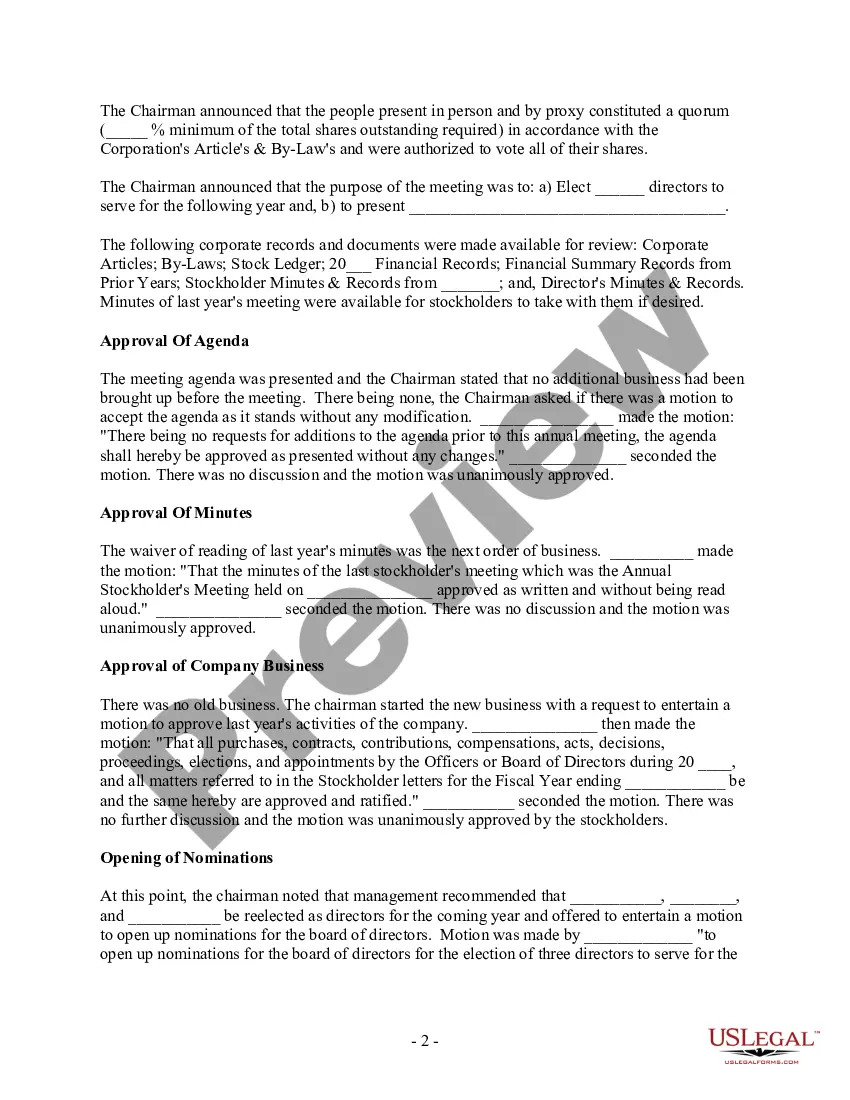
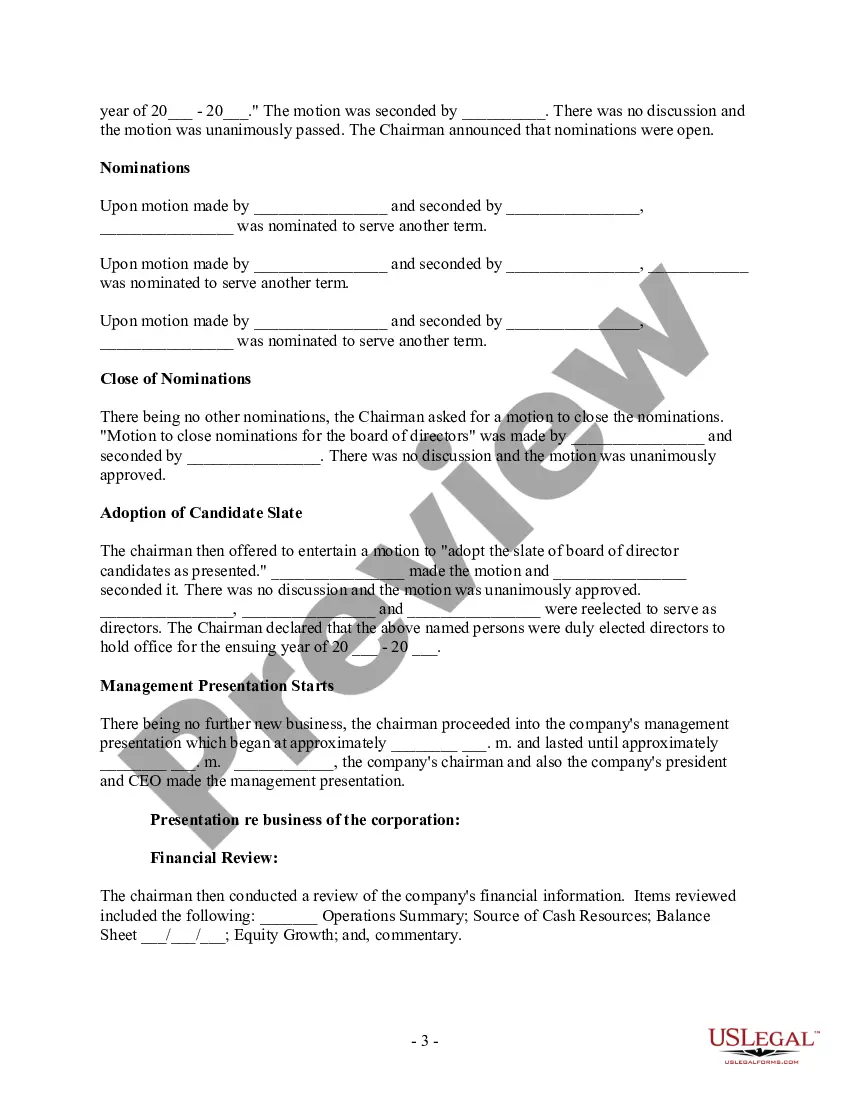
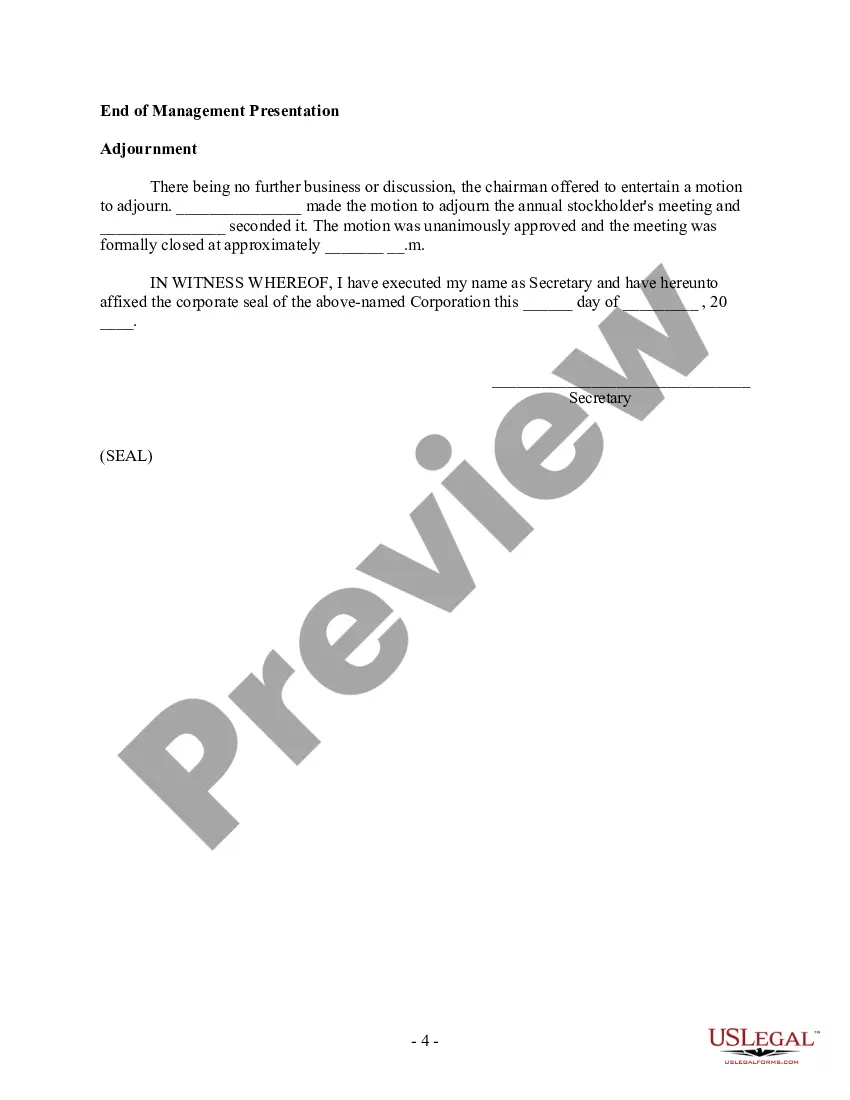



Get your form ready online
Our built-in tools help you complete, sign, share, and store your documents in one place.
Make edits, fill in missing information, and update formatting in US Legal Forms—just like you would in MS Word.
Download a copy, print it, send it by email, or mail it via USPS—whatever works best for your next step.
Sign and collect signatures with our SignNow integration. Send to multiple recipients, set reminders, and more. Go Premium to unlock E-Sign.
If this form requires notarization, complete it online through a secure video call—no need to meet a notary in person or wait for an appointment.
We protect your documents and personal data by following strict security and privacy standards.

Make edits, fill in missing information, and update formatting in US Legal Forms—just like you would in MS Word.

Download a copy, print it, send it by email, or mail it via USPS—whatever works best for your next step.

Sign and collect signatures with our SignNow integration. Send to multiple recipients, set reminders, and more. Go Premium to unlock E-Sign.

If this form requires notarization, complete it online through a secure video call—no need to meet a notary in person or wait for an appointment.

We protect your documents and personal data by following strict security and privacy standards.
Looking for another form?








Form popularity
FAQ
Majority shareholders have the right to vote for and elect members of a company's board of directors, which means majority shareholders have a direct say in how the company is run.
Shareholders typically receive declared dividends if the company does well and succeeds. Also called a stockholder, they have the right to vote on certain matters with regard to the company and to be elected to a seat on the board of directors.
In most cases, you don't get a direct say in a company's day-to-day operations, but, depending on whether you own voting or non-voting stock, you may have a hand in shaping its board of directors and deciding on special issues.
In most cases, you don't get a direct say in a company's day-to-day operations, but, depending on whether you own voting or non-voting stock, you may have a hand in shaping its board of directors and deciding on special issues.
Being a shareholder does not automatically confer the right to have a say in how that company is run on a day-to-day basis. Unless specified in the articles of association, a director is not required to be a shareholder, and a shareholder has no automatic right to be a director.
The shareholders of a corporation are its owners, and they vote their shares to elect the directors. The directors sit as a board, which, typically acting through a majority, oversees the corporation's management and sets the overall corporate strategy and direction.
What is the Shareholders' Meeting? The Shareholders' Meeting represents the body, which voices corporate interest by decisions taken in compliance with the law and the Articles of Association. More specifically, the Shareholders' Meeting nominates the Board of Directors for a period not exceeding 3 financial years.
While shareholders' meetings represent ownership, board meetings embody the company's leadership. The board of directors, acting as a bridge between management and shareholders, is responsible for making strategic decisions, overseeing management, and safeguarding the company's long-term interests.
A general meeting is any regularly scheduled gathering where a quorum of shareholders meets to discuss business topics and address resolutions in ance with company bylaws and current regulations.
(i) Date, time and place of meeting; (ii) Purpose of the meeting; (iii) Notice of any special business to be conducted; (iv) Nature of special business in sufficient details; (v) The text of any special resolution or by-law to be submitted to the meeting; and (vi) Any additional details required by the by-laws or ...
