Minutes Writing For In Maricopa
Description

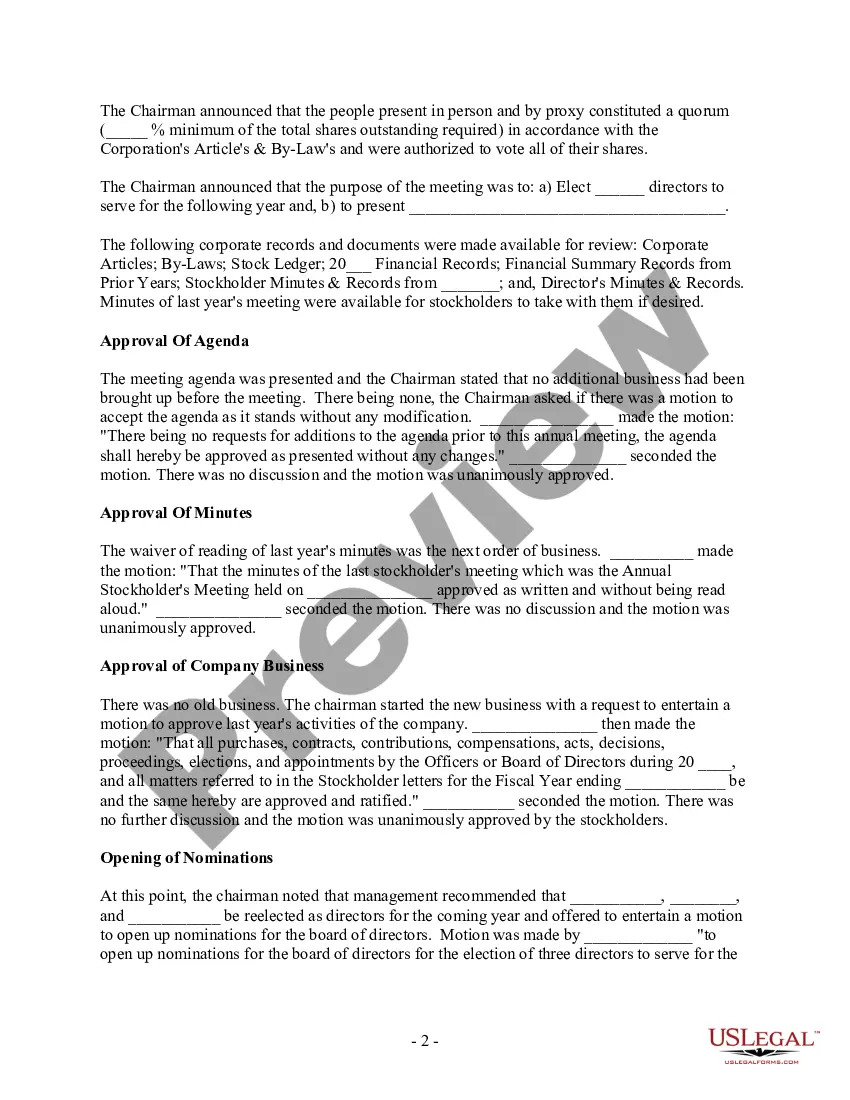
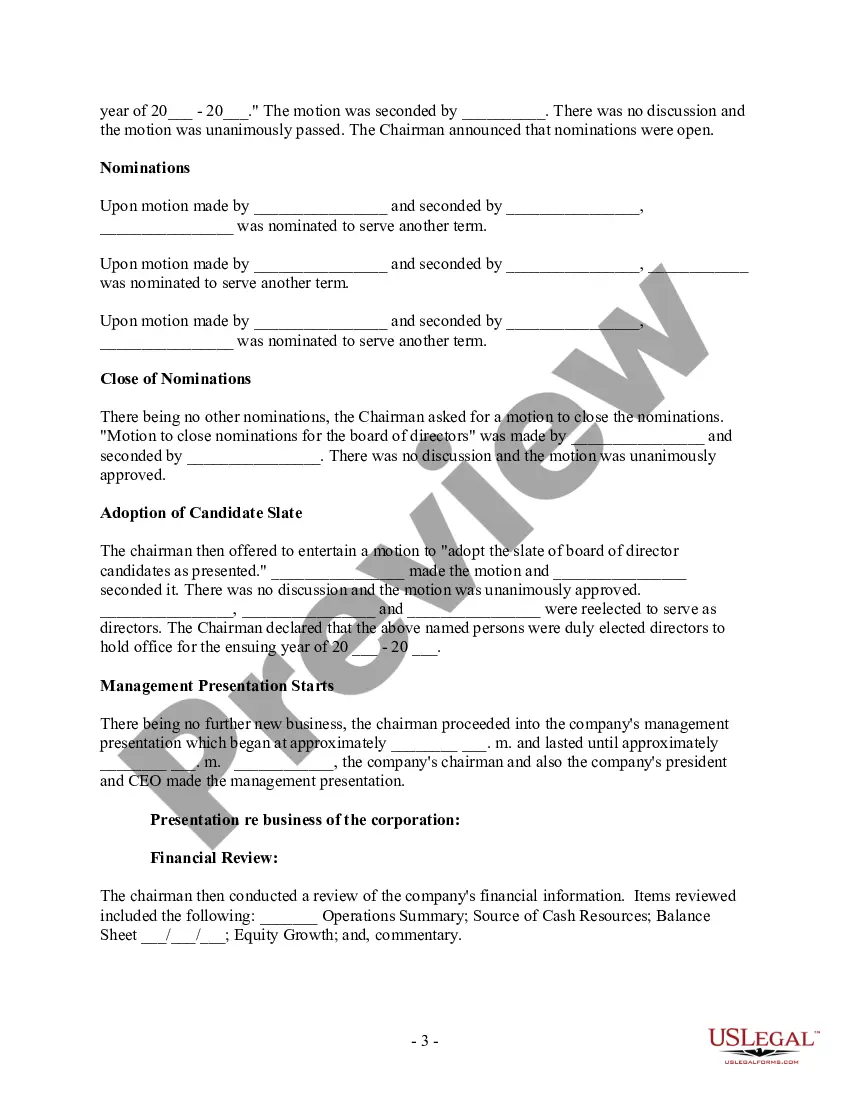
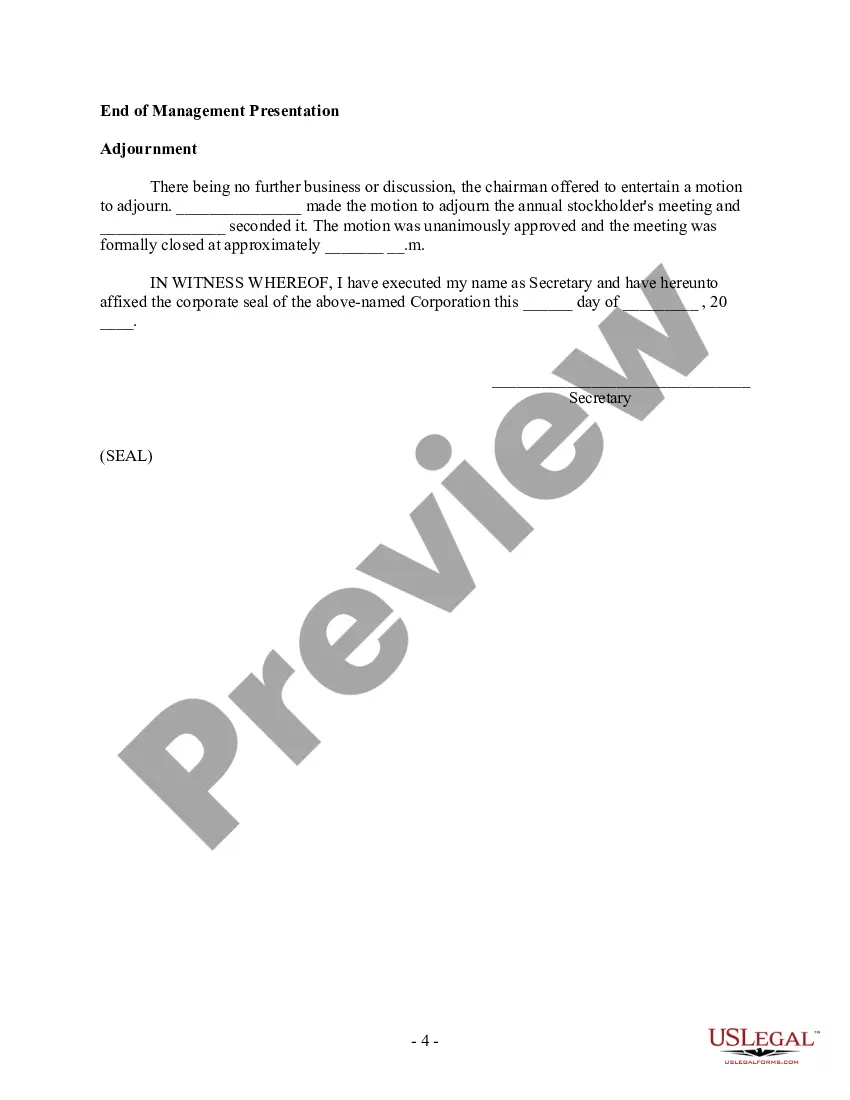

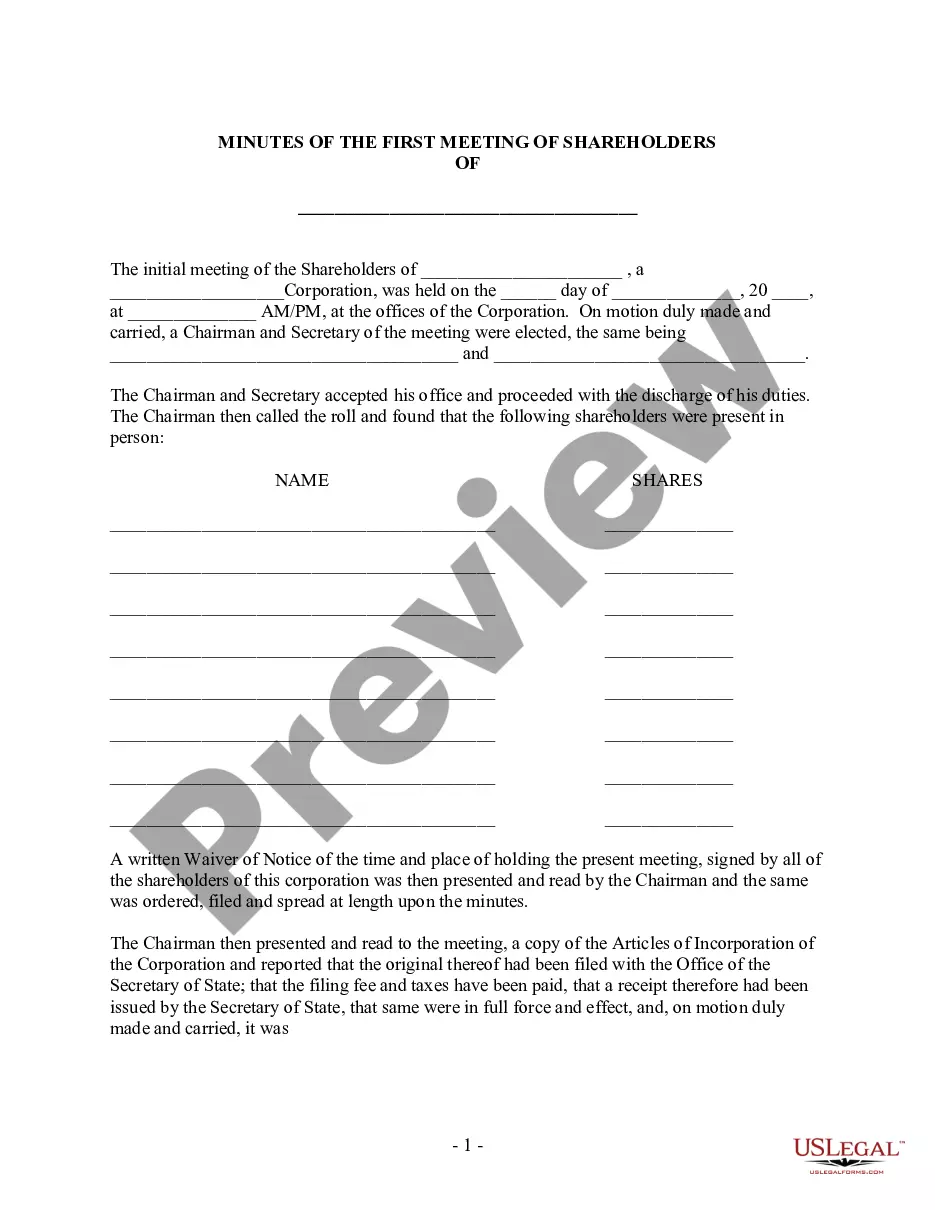

Get your form ready online
Our built-in tools help you complete, sign, share, and store your documents in one place.
Make edits, fill in missing information, and update formatting in US Legal Forms—just like you would in MS Word.
Download a copy, print it, send it by email, or mail it via USPS—whatever works best for your next step.
Sign and collect signatures with our SignNow integration. Send to multiple recipients, set reminders, and more. Go Premium to unlock E-Sign.
If this form requires notarization, complete it online through a secure video call—no need to meet a notary in person or wait for an appointment.
We protect your documents and personal data by following strict security and privacy standards.

Make edits, fill in missing information, and update formatting in US Legal Forms—just like you would in MS Word.

Download a copy, print it, send it by email, or mail it via USPS—whatever works best for your next step.

Sign and collect signatures with our SignNow integration. Send to multiple recipients, set reminders, and more. Go Premium to unlock E-Sign.

If this form requires notarization, complete it online through a secure video call—no need to meet a notary in person or wait for an appointment.

We protect your documents and personal data by following strict security and privacy standards.
Looking for another form?








Form popularity
FAQ
A minute entry is the memorialization, electronic or otherwise, either by form or narrative of events occurring during a court proceeding or of matters required to be performed by statute or rule. It is not intended to be a verbatim record of the court proceeding.
Today's Court System Has Three Levels Level 1—Limited Jurisdiction. Justice of the peace courts and municipal (or city) courts have limited jurisdiction, meaning that their authority is restricted to certain cases. Level 2—General Jurisdiction. Level 3—Appellate Jurisdiction.
A minute entry is a type of court order that is recorded in the minutes of the court. It can be an order given by a judge or a court that directs someone to do something or explains a decision made by the court.
Every subpoena must: (A) state the name of the Arizona court from which it issued; (B) state the title of the action, the name of the court in which it is pending, and its civil action number; (C) command each person to whom it is directed to do the following at a specified time and place: (i) attend and testify at a ...
What Are “Minutes”? Every court hearing will include someone recording the word-for-word contents of the hearing. Typically, this responsibility falls upon a court clerk. “Minutes” are simply the written record of verbal proceedings.
What Should Be Included in Meeting Minutes? Date and time of the meeting. Names of the meeting participants and those unable to attend (e.g., “regrets”) Acceptance or corrections/amendments to previous meeting minutes. Decisions made about each agenda item, for example: Actions taken or agreed to be taken. Next steps.
➢ Beneficiary deeds are filed in the Maricopa County Recorder's Office.
Probate records, such as wills, claims, administrations, case files, and calendars are in the custody of the clerk of the superior court in each county courthouse.
Before an Arbitrator is Appointed When filing a complaint, the plaintiff also must file a Certificate of Compulsory Arbitration which states the monetary amount of the controversy. If the case is designated an arbitration case, an arbitrator is appointed once an answer to the complaint is filed.
