Sample Letter Refund Of Overpayment In Phoenix
Description
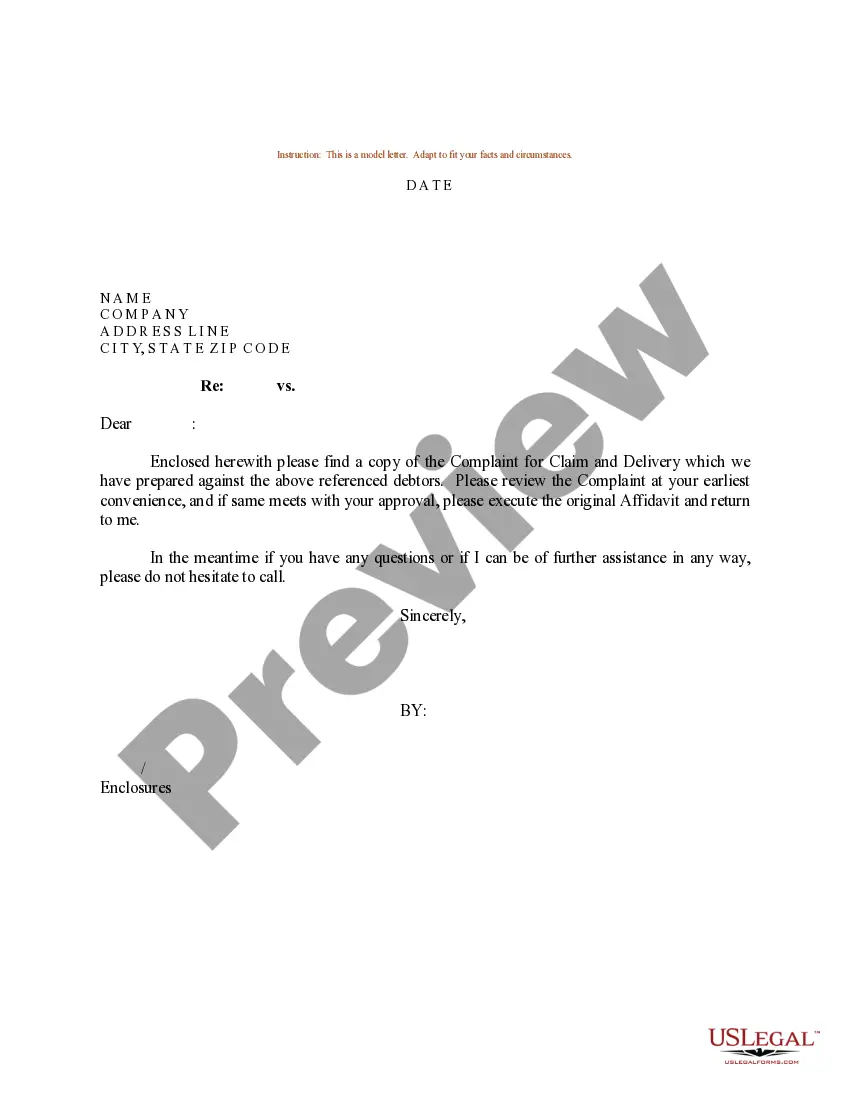
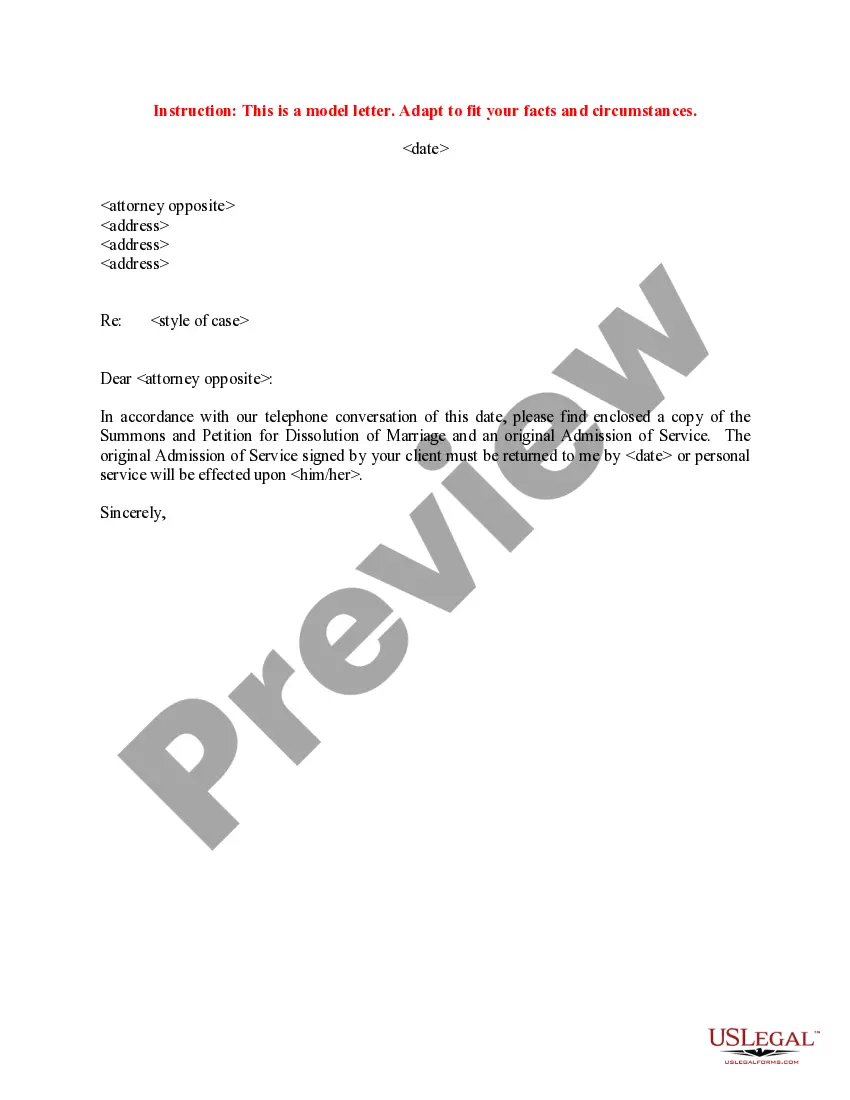
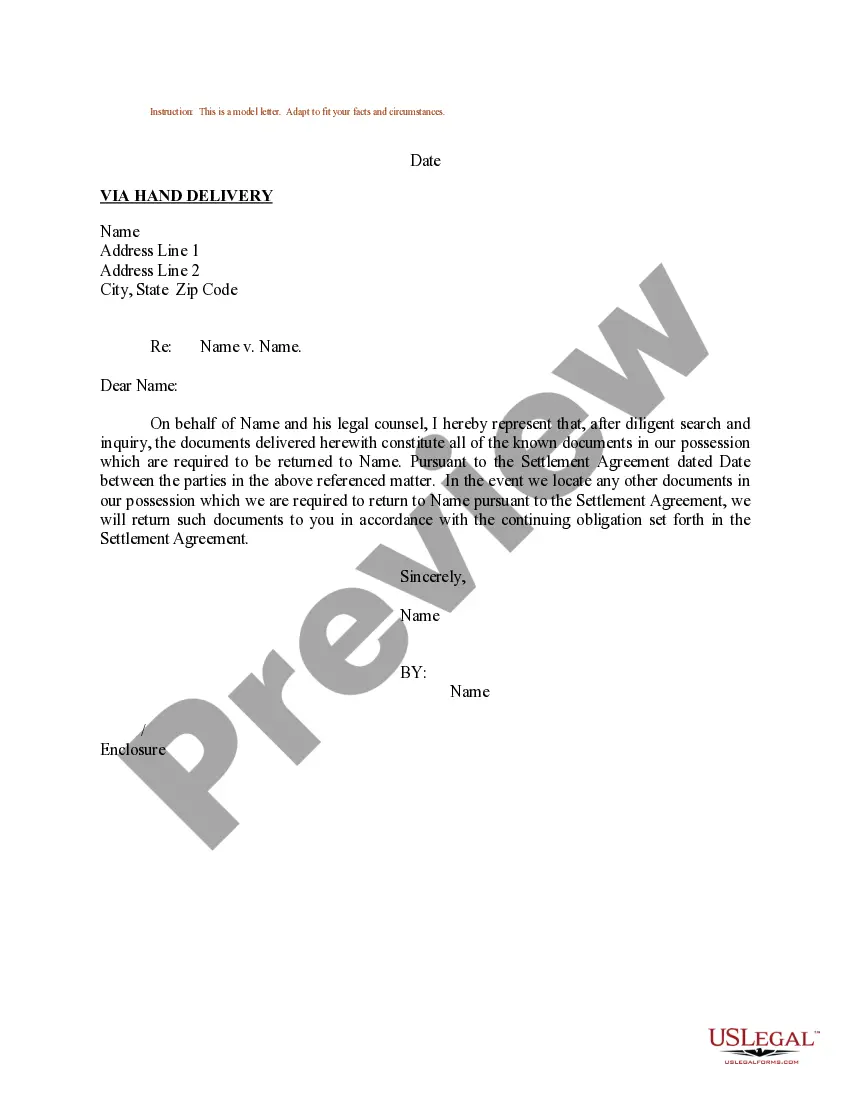
Get your form ready online
Our built-in tools help you complete, sign, share, and store your documents in one place.
Make edits, fill in missing information, and update formatting in US Legal Forms—just like you would in MS Word.
Download a copy, print it, send it by email, or mail it via USPS—whatever works best for your next step.
Sign and collect signatures with our SignNow integration. Send to multiple recipients, set reminders, and more. Go Premium to unlock E-Sign.
If this form requires notarization, complete it online through a secure video call—no need to meet a notary in person or wait for an appointment.
We protect your documents and personal data by following strict security and privacy standards.

Make edits, fill in missing information, and update formatting in US Legal Forms—just like you would in MS Word.

Download a copy, print it, send it by email, or mail it via USPS—whatever works best for your next step.

Sign and collect signatures with our SignNow integration. Send to multiple recipients, set reminders, and more. Go Premium to unlock E-Sign.

If this form requires notarization, complete it online through a secure video call—no need to meet a notary in person or wait for an appointment.

We protect your documents and personal data by following strict security and privacy standards.
Looking for another form?







Form popularity
FAQ
If there has been a salary overpayment, the employer decides if the employee has to repay some or all of the salary, wages, or other remuneration overpayments. To learn more on mandatory deductions on benefits, see guide T4001 – Employers guide, Payroll Deductions and Remittances.
Obviously, these types of losses attributed to overpayments are both material and significant. Additionally, it is the responsibility of all stakeholders to return any overpayment because every buyer is a seller at some point.
Repayment process for former employees If you are a terminated employee, overpayments are recovered from first available funds on termination of your employment, as per the Directive on Terms and Conditions of Employment.
The prescribed limitation period in the Income Tax Act is 10 years; this means that after 10 years, the Canada Revenue Agency is legally prevented from collecting on a tax debt.
6 years, except when: provincial legislation (a judgement) overrides the original limitation (may vary from 10 years to unlimited)
It may be a good idea to file a grievance if: Your overpayment was calculated incorrectly, or is a duplicate. Any part of the overpayment is past the six-year limitation period.

