Letter To Accept Admission Offer In Wake
Description
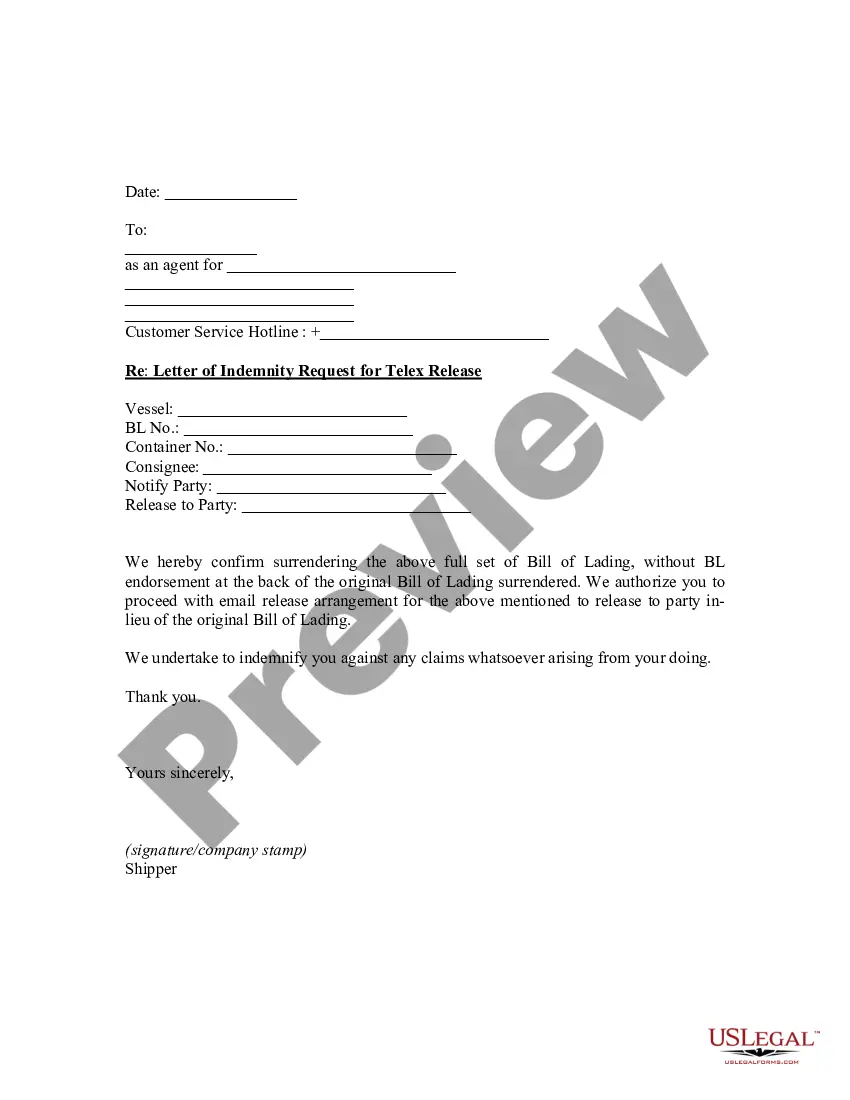
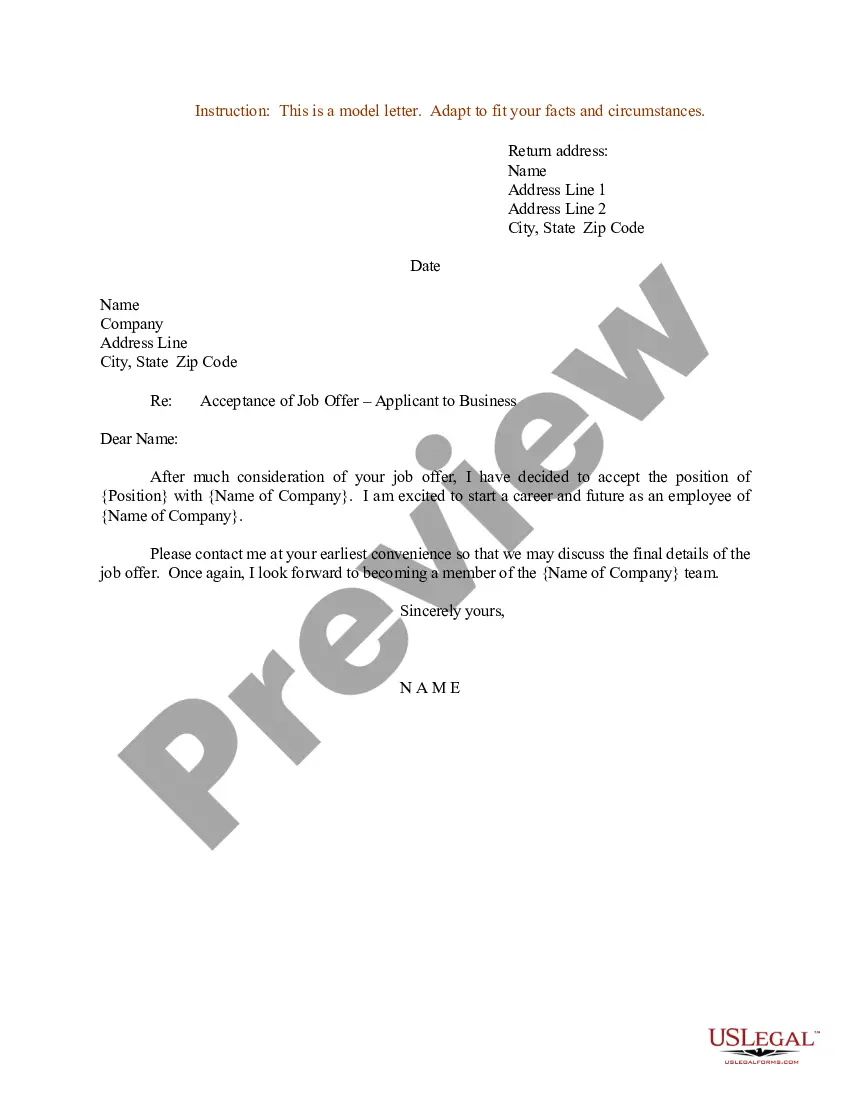
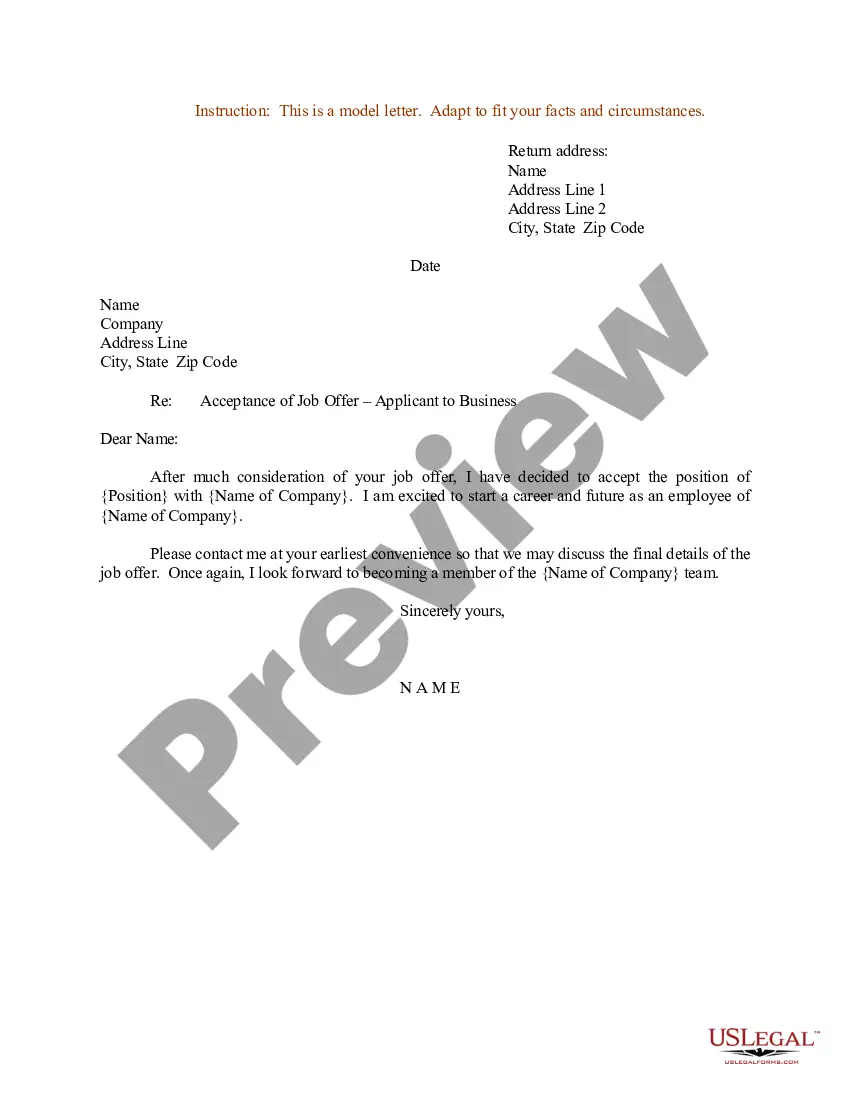
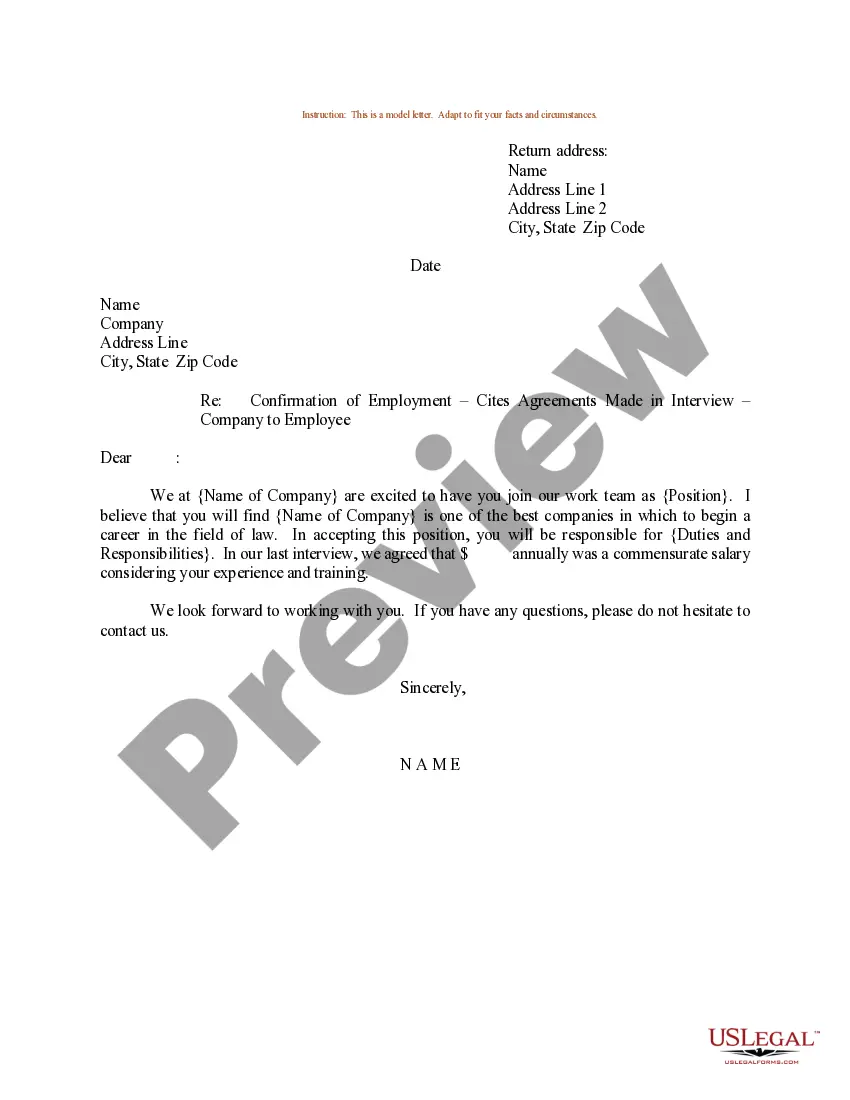
Get your form ready online
Our built-in tools help you complete, sign, share, and store your documents in one place.
Make edits, fill in missing information, and update formatting in US Legal Forms—just like you would in MS Word.
Download a copy, print it, send it by email, or mail it via USPS—whatever works best for your next step.
Sign and collect signatures with our SignNow integration. Send to multiple recipients, set reminders, and more. Go Premium to unlock E-Sign.
If this form requires notarization, complete it online through a secure video call—no need to meet a notary in person or wait for an appointment.
We protect your documents and personal data by following strict security and privacy standards.

Make edits, fill in missing information, and update formatting in US Legal Forms—just like you would in MS Word.

Download a copy, print it, send it by email, or mail it via USPS—whatever works best for your next step.

Sign and collect signatures with our SignNow integration. Send to multiple recipients, set reminders, and more. Go Premium to unlock E-Sign.

If this form requires notarization, complete it online through a secure video call—no need to meet a notary in person or wait for an appointment.

We protect your documents and personal data by following strict security and privacy standards.
Looking for another form?







Form popularity
FAQ
If you received your college acceptance letter via email, you can respond directly to that email. If the letter was sent through direct mail, consider replying with a physical letter. The college admissions board often specifies their preferred method of communication in the acceptance letter.
An admission letter confirms your acceptance into a graduate program, while an offer letter provides details about the financial aid package and any conditions that must be met to enroll.
Yes, being offered admission is the same thing as being accepted (at least in the US system).
Log Into the College's Student Portal You likely set up an applicant portal with a school once you submitted your application. You can often accept admission within the portal.
Acceptance letters are the admission letters that everyone wants to receive. These letters may include information about next steps, deadlines, scholarships and awards, special programs, and more. You may receive admission to more than one college.
It's in the name – an acceptance letter is a type of professional letter used to formally respond to offers or requests. Most commonly, they're used to accept job offers, but they could also be used to accept an award, event invitation, or even a school placement. They're more than a formal way to say “yes”, though.
An admissions letter is a note that colleges and other programs send to notify students that they earned acceptance. The letter congratulates students on their admission and shares basic details about their admittance into the program.
It isn't necessary to reply to an offer of admission until you decide whether you will accept. If you feel you must reply, you can simply say something like "Thank you for letting me know. I will be sure to let you know my decision before the deadline."
If you received your college acceptance letter via email, you can respond directly to that email. If the letter was sent through direct mail, consider replying with a physical letter. The college admissions board often specifies their preferred method of communication in the acceptance letter.
What is an admissions acceptance letter? A brief description of what made the candidate's application special. Basic information about any scholarships the applicant earned. Details about how to accept the offer. Deadlines for responding or submitting a deposit. Information about first-year orientation.

