Letter With Offer Real Estate In Pima
Description
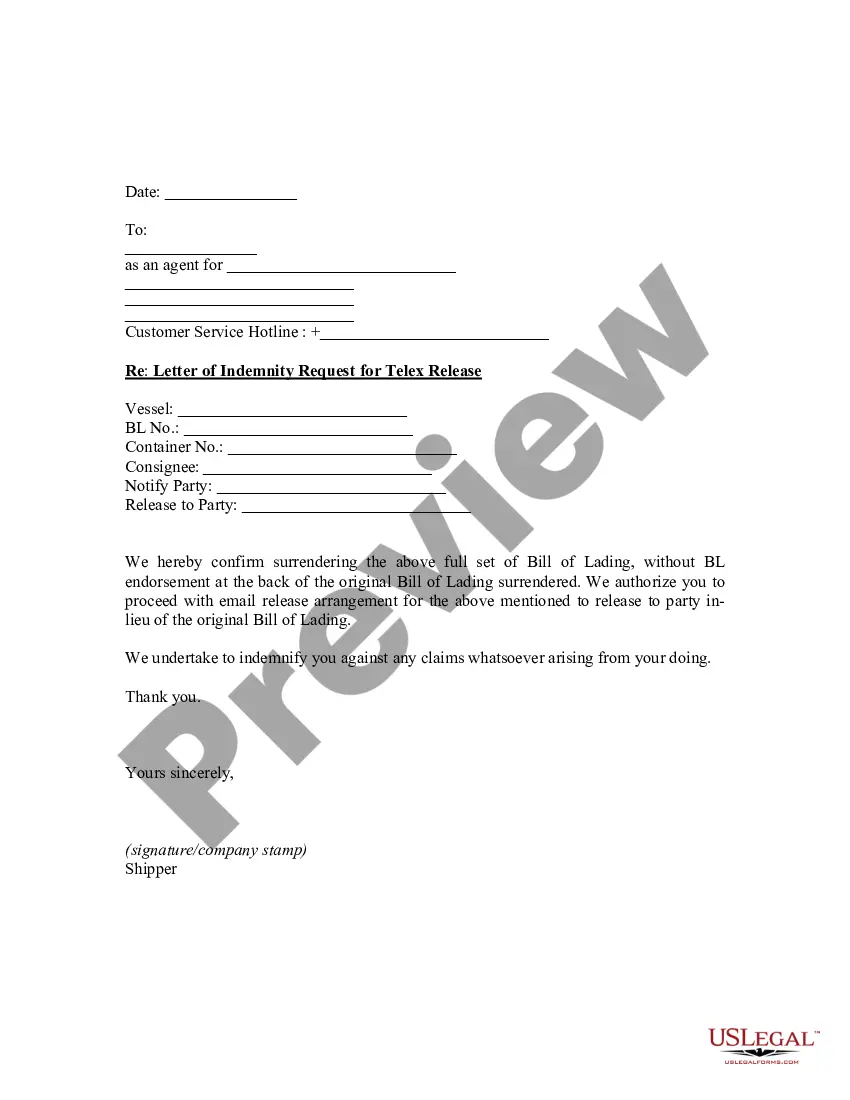
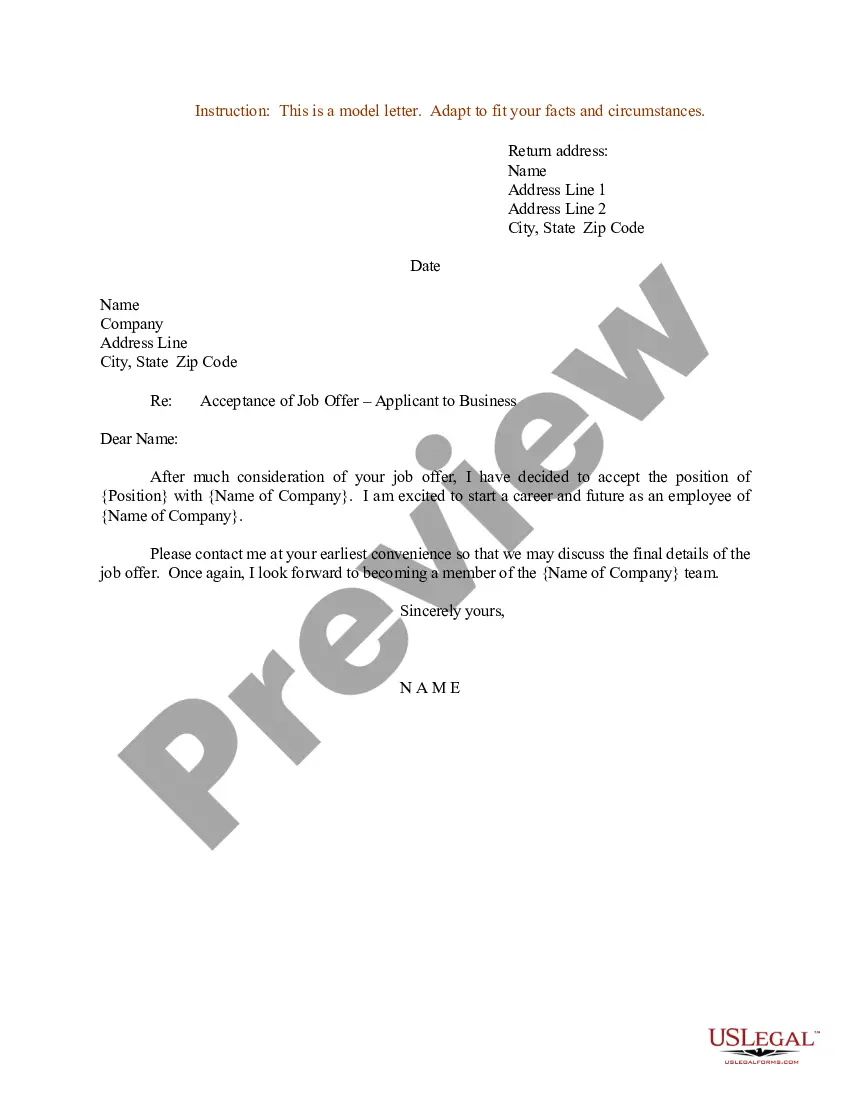
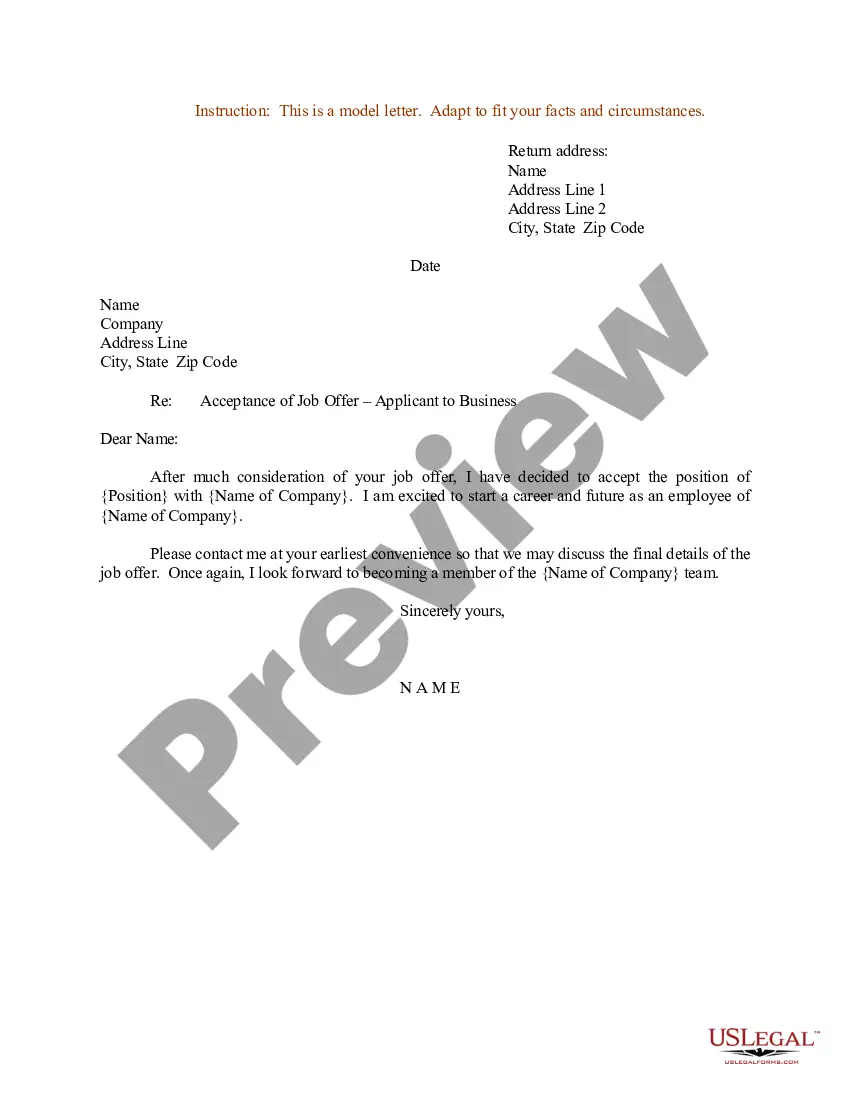
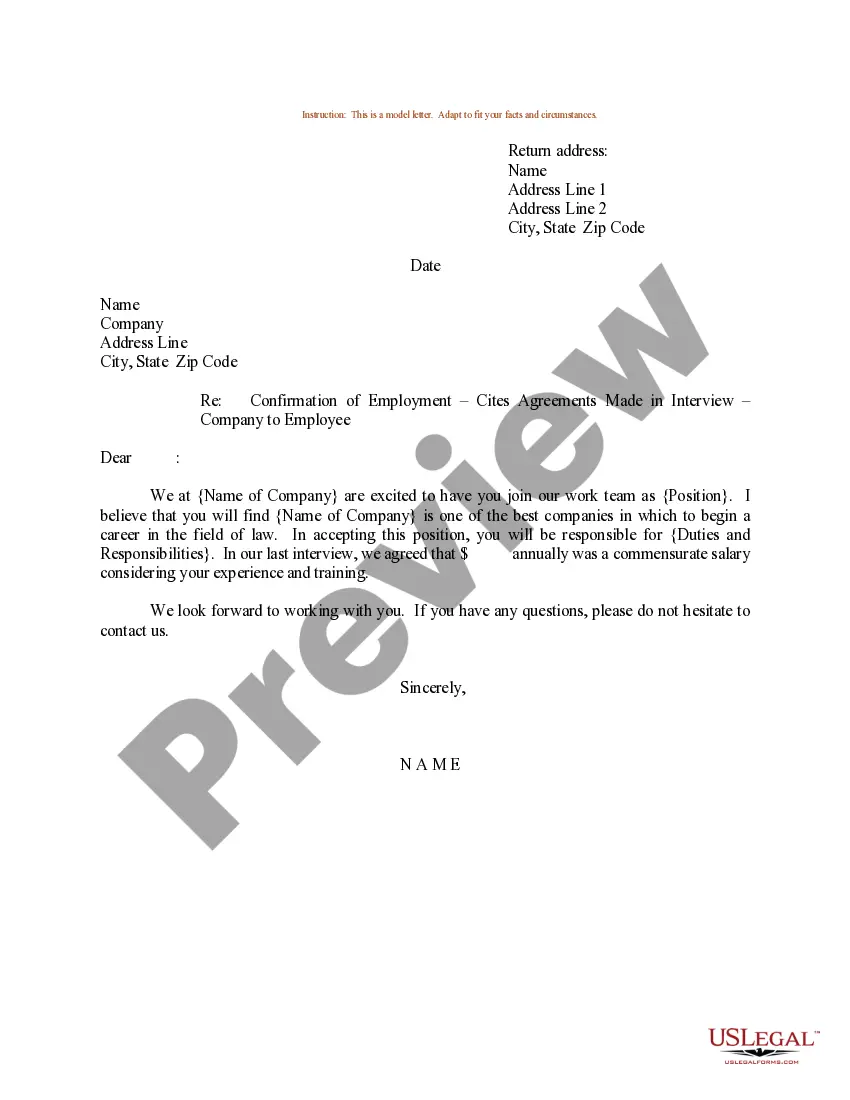
Get your form ready online
Our built-in tools help you complete, sign, share, and store your documents in one place.
Make edits, fill in missing information, and update formatting in US Legal Forms—just like you would in MS Word.
Download a copy, print it, send it by email, or mail it via USPS—whatever works best for your next step.
Sign and collect signatures with our SignNow integration. Send to multiple recipients, set reminders, and more. Go Premium to unlock E-Sign.
If this form requires notarization, complete it online through a secure video call—no need to meet a notary in person or wait for an appointment.
We protect your documents and personal data by following strict security and privacy standards.

Make edits, fill in missing information, and update formatting in US Legal Forms—just like you would in MS Word.

Download a copy, print it, send it by email, or mail it via USPS—whatever works best for your next step.

Sign and collect signatures with our SignNow integration. Send to multiple recipients, set reminders, and more. Go Premium to unlock E-Sign.

If this form requires notarization, complete it online through a secure video call—no need to meet a notary in person or wait for an appointment.

We protect your documents and personal data by following strict security and privacy standards.
Looking for another form?









Form popularity
FAQ
A letter can be in violation of fair housing laws. Seller's agents who accept them are opening themselves and the sellers up to lawsuits. If you are prejudiced toward one type of buyer or another, fine - just don't let it get put into writing.
Yes, it can be appropriate and even thoughtful to write a letter to the seller when making an offer on their house. A well-crafted letter can express your genuine interest, explain why you love the property, and provide some personal background. Keep it respectful and focused on your enthusiasm for the home.
Typically, formal offers are sent by the buyer's broker to the seller's broker in writing via email. In some cases, a buyer will also write a personal note to the seller to send along with it. That letter is known as a house offer letter.
A nonbinding letter of intent is used for general discussion purposes only and is not an offer, acceptance, or contract.
Yes, it can be appropriate and even thoughtful to write a letter to the seller when making an offer on their house. A well-crafted letter can express your genuine interest, explain why you love the property, and provide some personal background. Keep it respectful and focused on your enthusiasm for the home.
To ensure our records are accurate, please update your mailing address if you've recently moved or notice any errors. You can do this in person at our Customer Service desk located at 240 N. Stone, or by using our electronic Change of Address form.
Class 3 property means Assessed Property that is or is intended to be developed as multifamily rental units under common management (e.g., apartments), including any ancillary uses thereto.
The Senior Valuation Protection program enables qualified seniors to have their Limited Value frozen, which is the basis for all property taxes, frozen in 3 year increments to protect against the potential of an increasing real estate market.
Legal class Class 1Commercial Class 2 Vacant Land, Agricultural, Non-Profit Class 3 Primary Residence (3.1) or Primary Residence of a QFM (3.2) or Primary Residence Also Leased to Lodgers (3.3) Class 4 Residential Rental (4.2) or Non-Primary Residence (4.1) Class 6 Historic Residential or Foreign Trade Zone4 more rows
Residential property falls into two main categories: Legal Class 3 and Legal Class 4. Each of these two legal classes have multiple subclasses, ranging from Primary Residence to Primary Residence that is also leased or rented to lodgers, as well as Non-Primary Residence to Qualifying LIHTC properties.

