Proposal Letter Format For Business In Philadelphia
Description
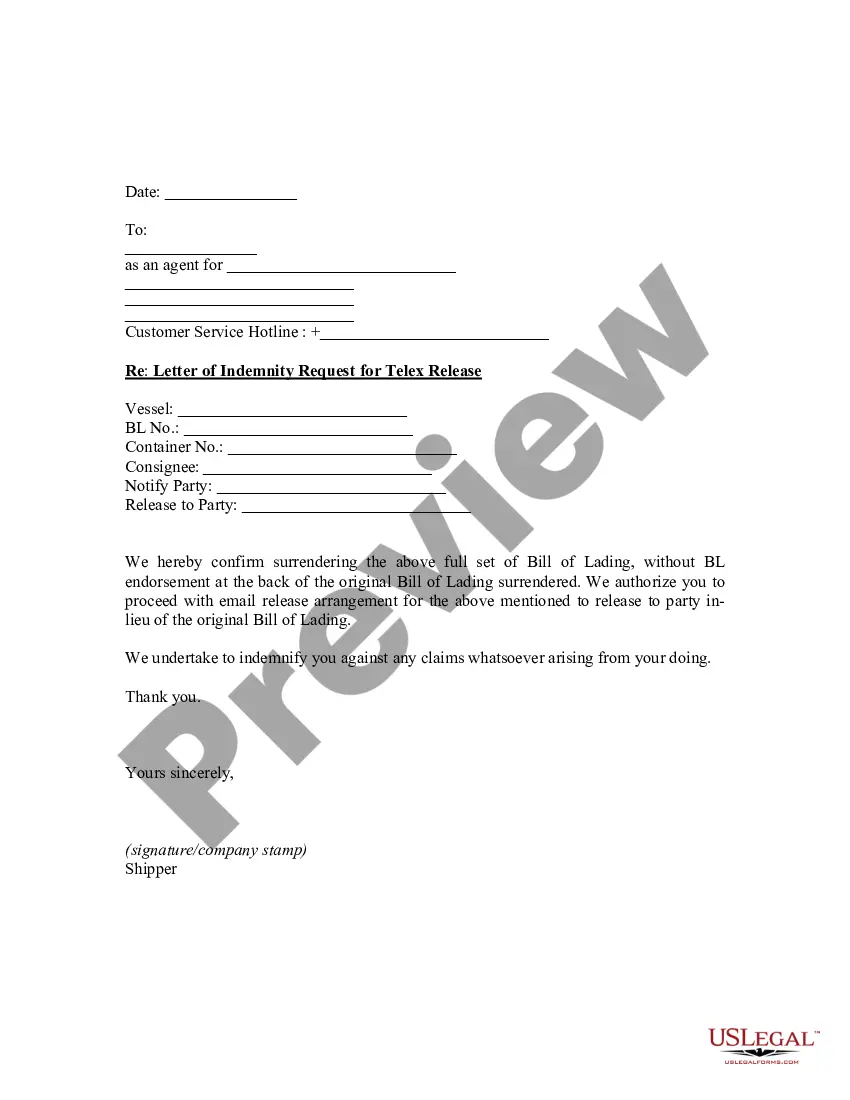
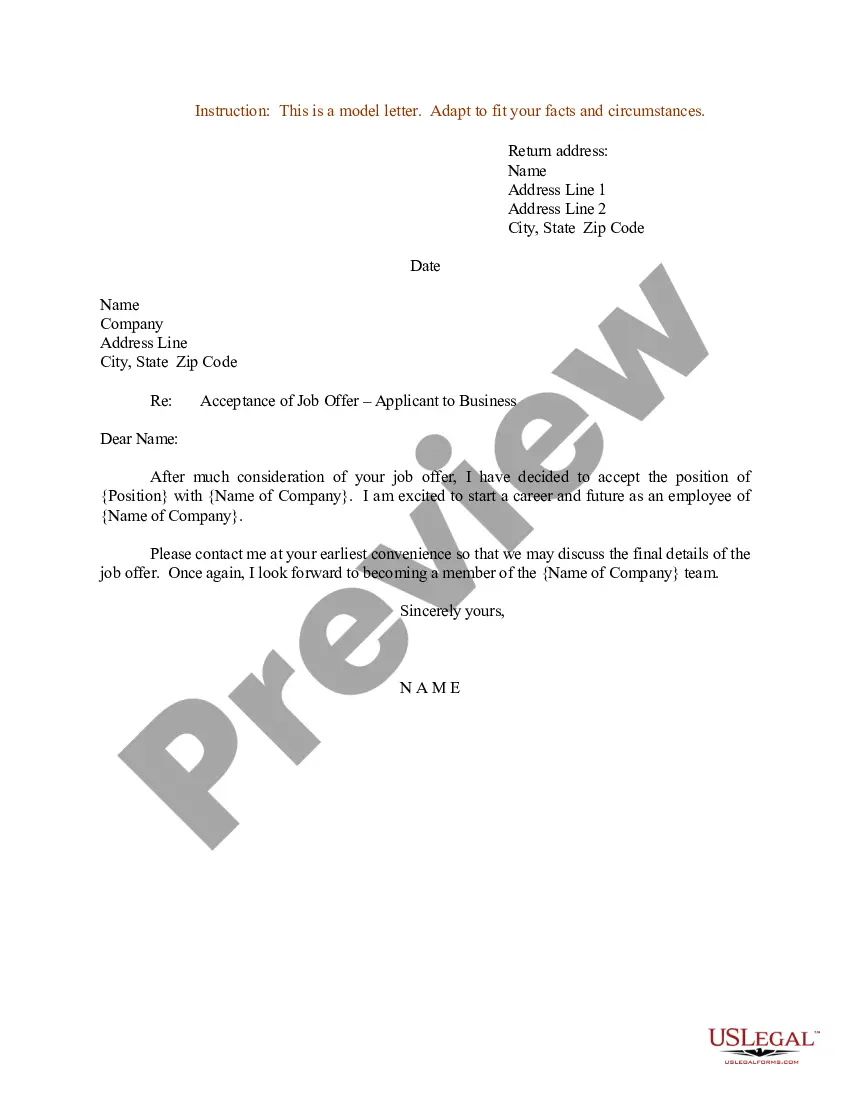
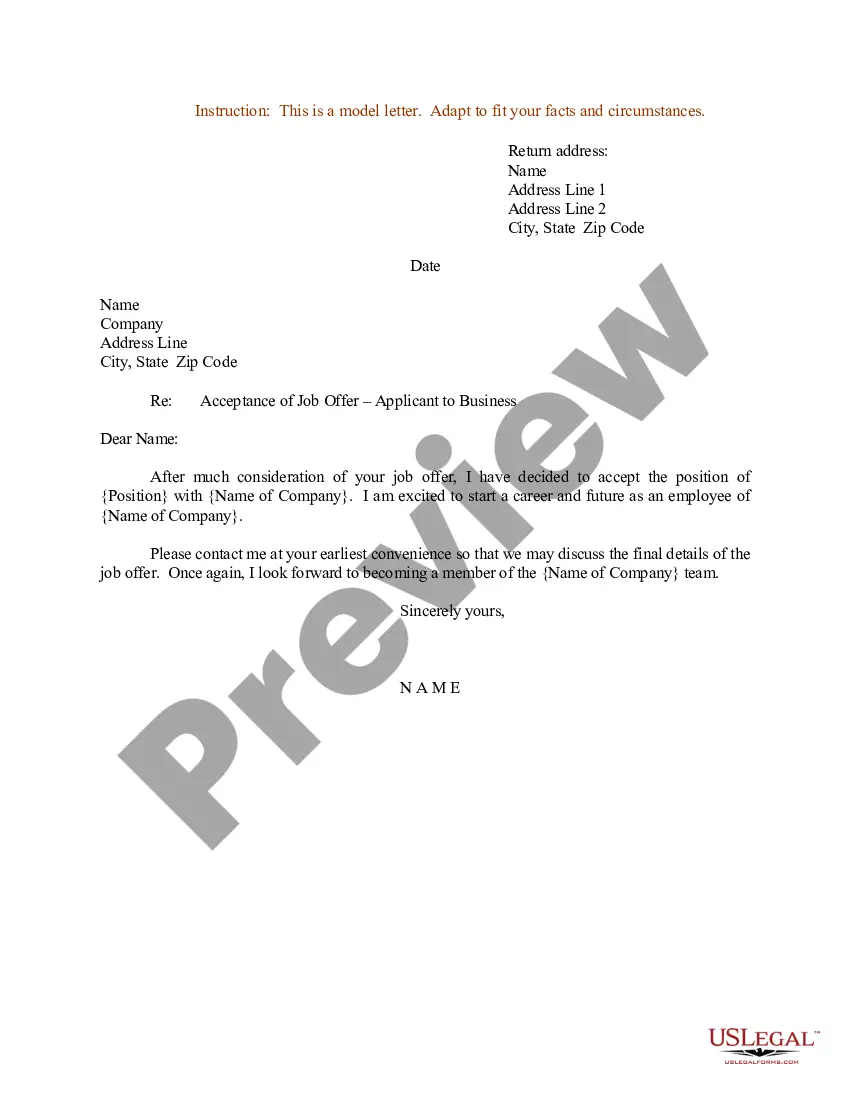
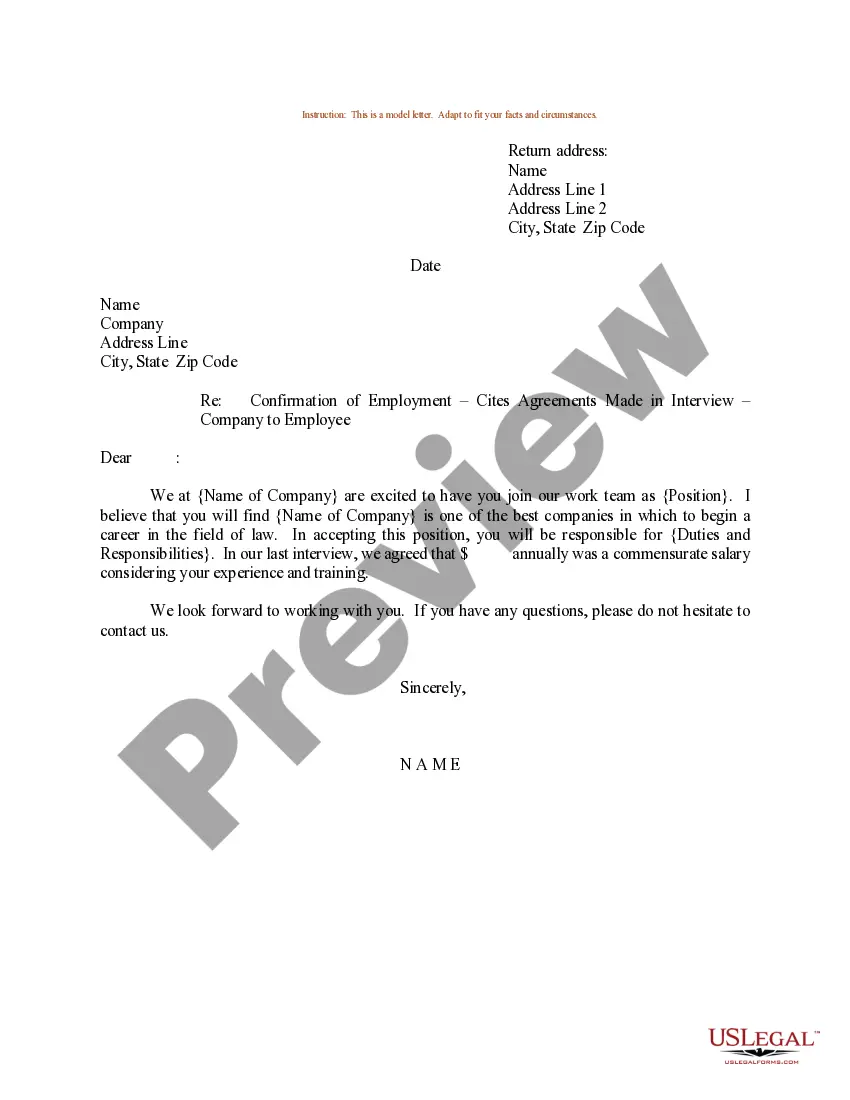
Get your form ready online
Our built-in tools help you complete, sign, share, and store your documents in one place.
Make edits, fill in missing information, and update formatting in US Legal Forms—just like you would in MS Word.
Download a copy, print it, send it by email, or mail it via USPS—whatever works best for your next step.
Sign and collect signatures with our SignNow integration. Send to multiple recipients, set reminders, and more. Go Premium to unlock E-Sign.
If this form requires notarization, complete it online through a secure video call—no need to meet a notary in person or wait for an appointment.
We protect your documents and personal data by following strict security and privacy standards.

Make edits, fill in missing information, and update formatting in US Legal Forms—just like you would in MS Word.

Download a copy, print it, send it by email, or mail it via USPS—whatever works best for your next step.

Sign and collect signatures with our SignNow integration. Send to multiple recipients, set reminders, and more. Go Premium to unlock E-Sign.

If this form requires notarization, complete it online through a secure video call—no need to meet a notary in person or wait for an appointment.

We protect your documents and personal data by following strict security and privacy standards.
Looking for another form?

Form popularity
FAQ
Introduce yourself and provide background information. State your purpose for the proposal. Define your goals and objectives. Highlight what sets you apart. Briefly discuss budget and how funds will be used. Finish with a call to action and request a follow-up. Close the letter and provide contact details.
How to do you write a business proposal letter? Create a business header. Address the recipient properly. Include relevant background details. State the purpose of the proposal. Include a request to follow up. Close the letter appropriately. Include supporting documentation.
How to Write an Effective Proposal Letter Give an Introduction and Some Background Information. Include a Statement of the Issue in your Proposal Letter. Write about Goals and Objectives you Have. Offer Ways for Evaluation of the Progress. Describe Needed Budget for the Project. Include your Contact Information.
Key Elements of a Complete Proposal. Cover. Table of Contents. Abstract (also called Project Summary) ... Project Description (also called Narrative or Research Plan) ... Budget Explanation (also called Budget Justification) ... Vita (also called Resume or Biographical Sketch) ... Other Support (also called Current and Pending Support)
IN THE ABSENCE OF SUCH GUIDELINES, the following format, including a cover/title page, abstract, table of contents, introduction/statement of need, description of proposed research, biographical sketch, current and pending, facilities and equipment, and budget, may be useful.
You can divide a proposal letter into three main sections, the problem, its solution and your qualifications for solving the issue. Consider the problem to be your "why." This is the purpose or reasoning for the proposed project. The problem is the issue or task you hope to solve.
At a high level, your effective business proposal should include the following: Create a compelling business proposal title. Build a table of contents. Craft the executive summary. Write a detailed problem statement. Propose your solutions. Showcase your team's expertise. Create a realistic timeline.
A proposal has a front matter, a main text, and a back matter. The front matter involves things like a cover page, table of contents, and background information. The main text is the discussion and argument, along with evidence. The back matter is the glossary, schematics, and any additional information needed.
An example of an informal proposal may be a proposal to the supervisor about changing the time of a lunch meeting. An external formal sales proposal may be a proposal regarding a product the company produces and which they think will be useful to prospective customers.
Here are the essential elements that should be included in your business proposal email: Choose an attention-grabbing subject line. 2: Start with a strong opening statement. 3: Outline the problem and offer a solution. 4: Provide details and benefits. 5: Include a call to action. Sign off with a professional email signature.

