Letter Offer Form With Two Points In Middlesex
Description
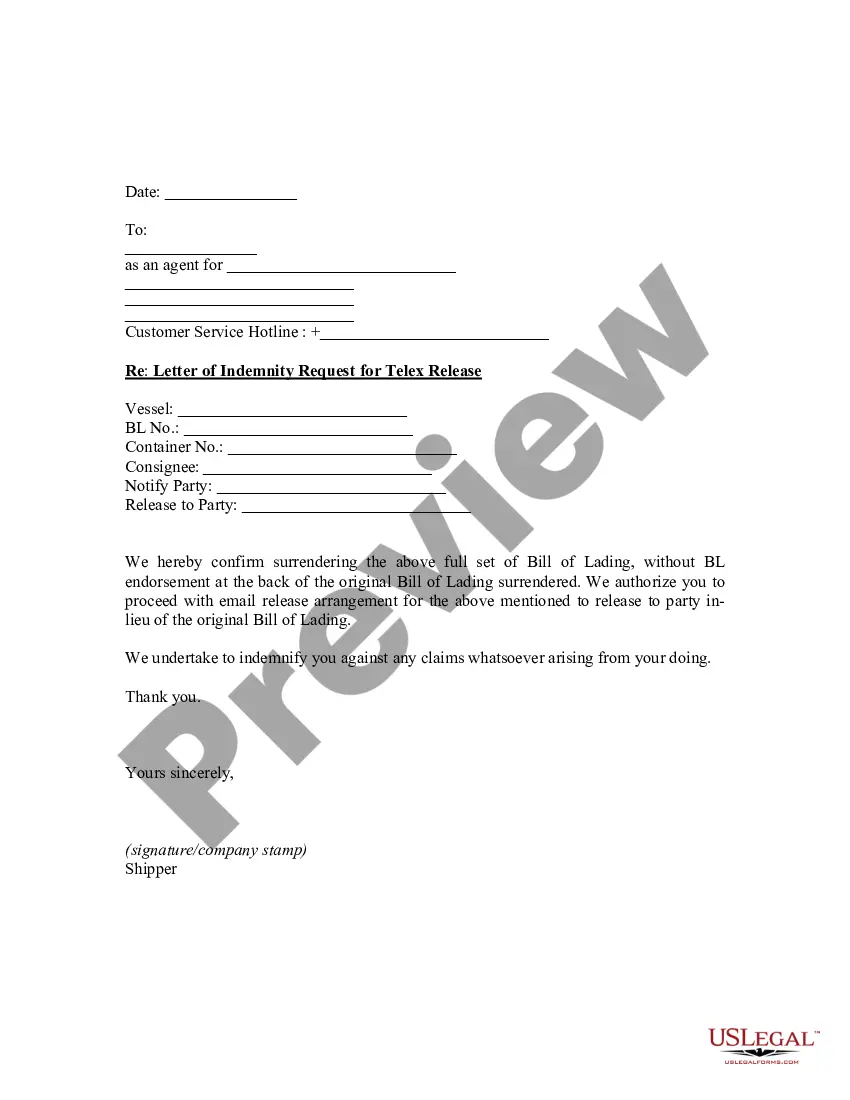
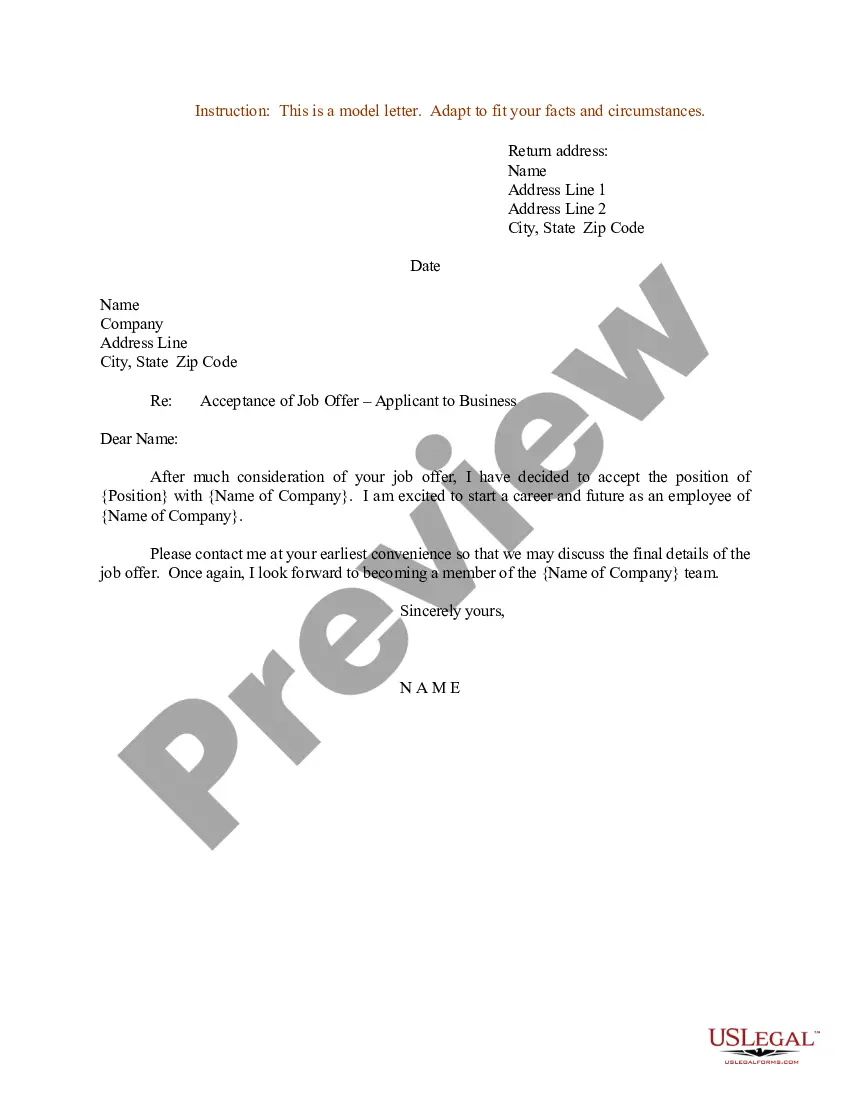
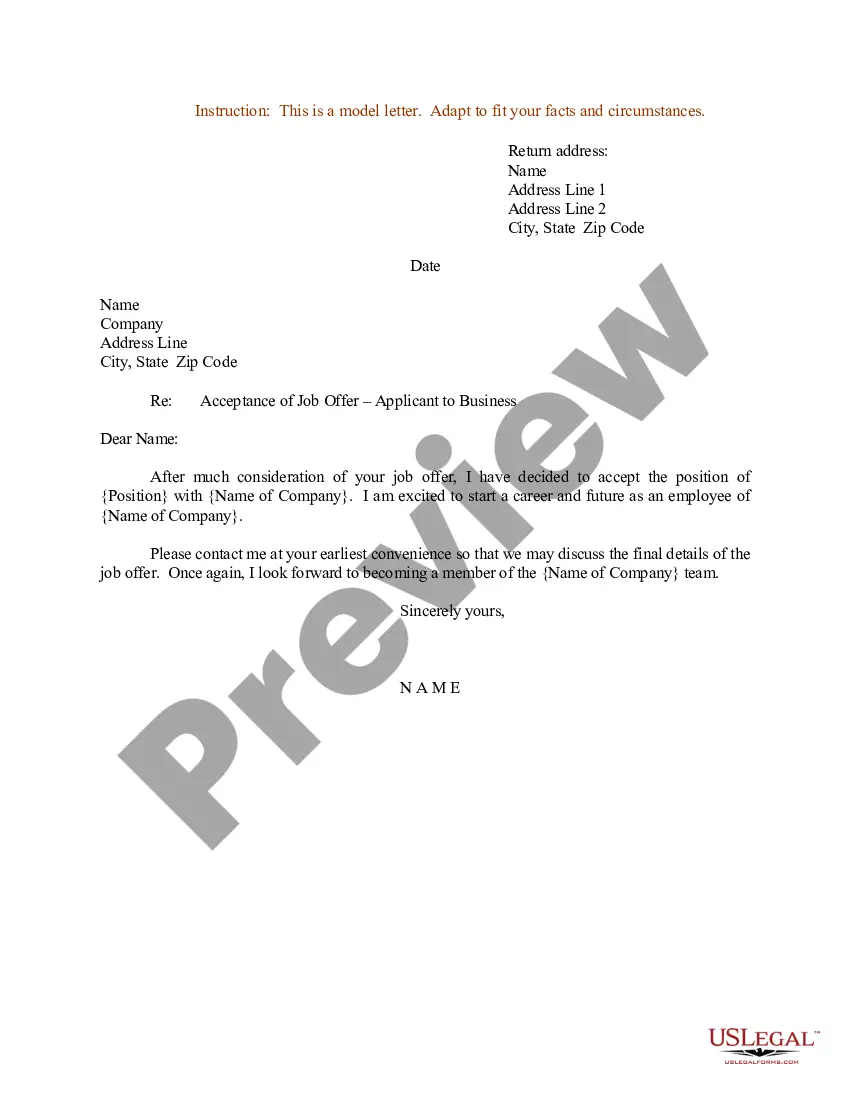
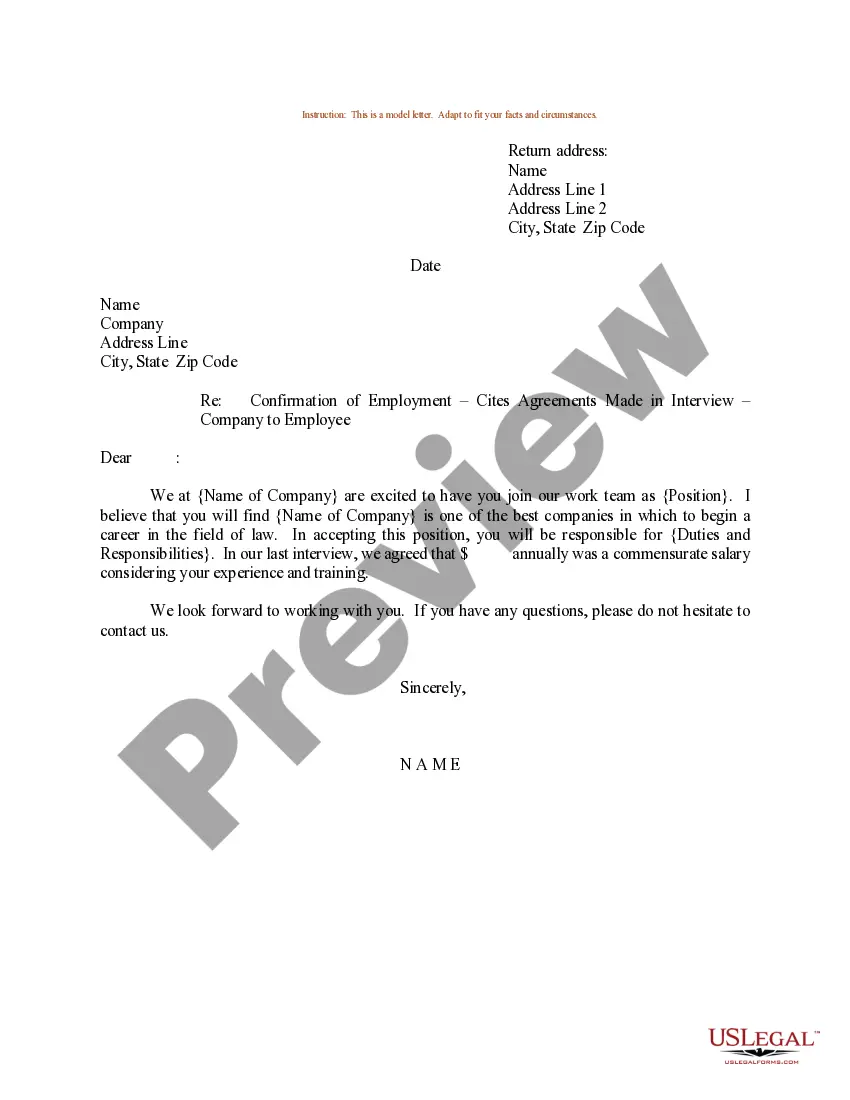
Get your form ready online
Our built-in tools help you complete, sign, share, and store your documents in one place.
Make edits, fill in missing information, and update formatting in US Legal Forms—just like you would in MS Word.
Download a copy, print it, send it by email, or mail it via USPS—whatever works best for your next step.
Sign and collect signatures with our SignNow integration. Send to multiple recipients, set reminders, and more. Go Premium to unlock E-Sign.
If this form requires notarization, complete it online through a secure video call—no need to meet a notary in person or wait for an appointment.
We protect your documents and personal data by following strict security and privacy standards.

Make edits, fill in missing information, and update formatting in US Legal Forms—just like you would in MS Word.

Download a copy, print it, send it by email, or mail it via USPS—whatever works best for your next step.

Sign and collect signatures with our SignNow integration. Send to multiple recipients, set reminders, and more. Go Premium to unlock E-Sign.

If this form requires notarization, complete it online through a secure video call—no need to meet a notary in person or wait for an appointment.

We protect your documents and personal data by following strict security and privacy standards.
Looking for another form?









Form popularity
FAQ
You must answer each question giving complete answers, attaching additional pages if necessary. False or misleading answers may subject you to punishment by the Court. Be sure to sign and date your answers and return them to the address in the upper left hand corner within 14 days.
An information subpoena is a court document with written questions about the debtor's assets. You can use an information subpoena to request information about: Checking and savings accounts. What personal assets the debtor owns.
The Information Subpoena is a legal document signed by the Court Clerk that orders the Debtor or others to answer questions about where the Debtor's assets are located.
Proposed Form of Order – A proposed order is a form that the judge can use to either grant or. deny the relief sought in the motion. Every motion must be accompanied by a proposed form of. order. Return date – The return date is the date on which the court will consider the motion.
Attached to this Information Subpoena is a list of questions that court rules require you to answer within 14 days from the date you receive this subpoena.
Follow these steps to respond to a motion: Fill out the forms. You have to fill out at least 2 forms, maybe more, to file your opposition. File the forms. Turn in your completed forms by mail or efiling. Serve the other party. Get ready for the hearing. Prepare an order.
