Acceptance Letter For Offer In Michigan
Description

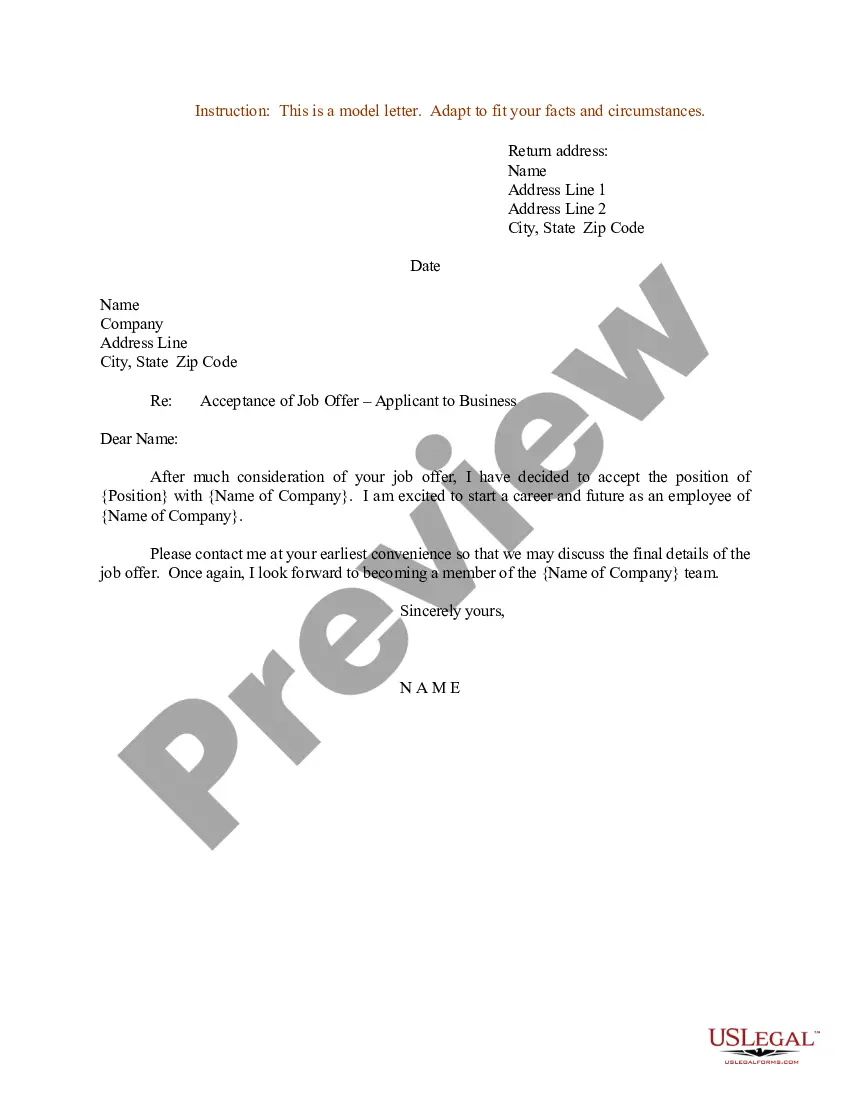
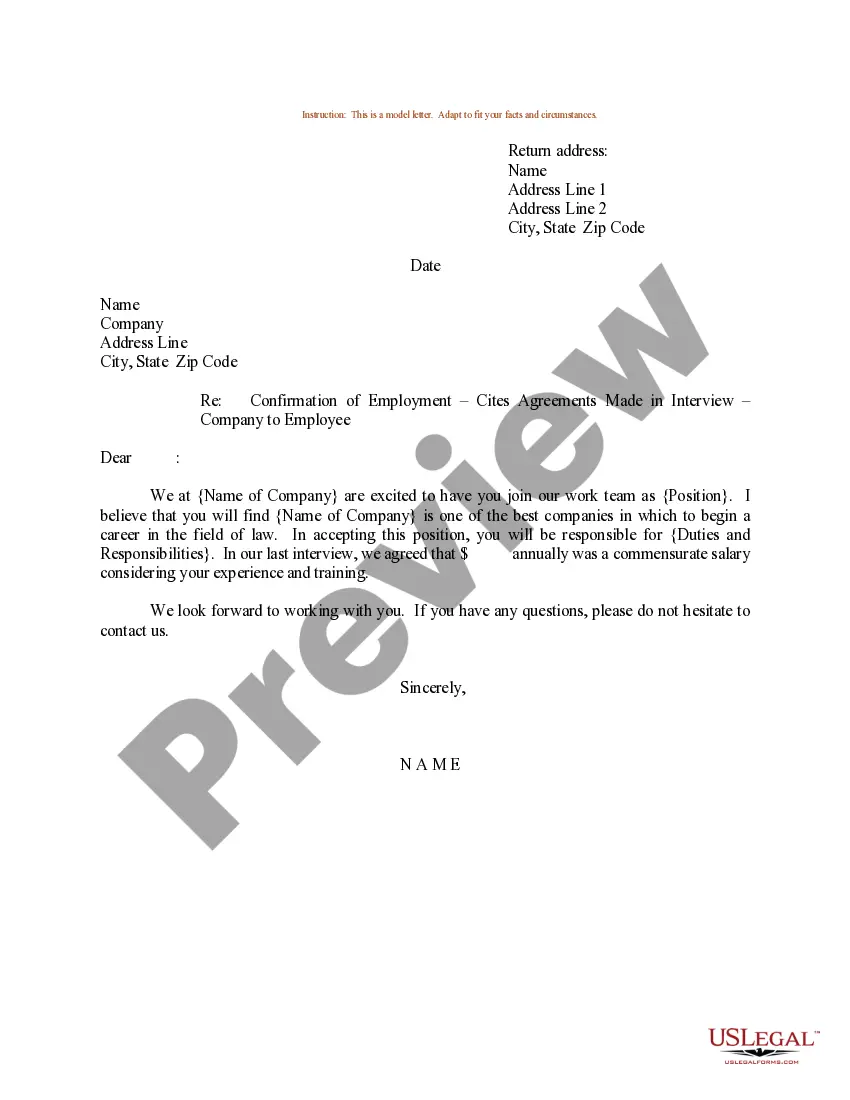
Get your form ready online
Our built-in tools help you complete, sign, share, and store your documents in one place.
Make edits, fill in missing information, and update formatting in US Legal Forms—just like you would in MS Word.
Download a copy, print it, send it by email, or mail it via USPS—whatever works best for your next step.
Sign and collect signatures with our SignNow integration. Send to multiple recipients, set reminders, and more. Go Premium to unlock E-Sign.
If this form requires notarization, complete it online through a secure video call—no need to meet a notary in person or wait for an appointment.
We protect your documents and personal data by following strict security and privacy standards.

Make edits, fill in missing information, and update formatting in US Legal Forms—just like you would in MS Word.

Download a copy, print it, send it by email, or mail it via USPS—whatever works best for your next step.

Sign and collect signatures with our SignNow integration. Send to multiple recipients, set reminders, and more. Go Premium to unlock E-Sign.

If this form requires notarization, complete it online through a secure video call—no need to meet a notary in person or wait for an appointment.

We protect your documents and personal data by following strict security and privacy standards.
Looking for another form?




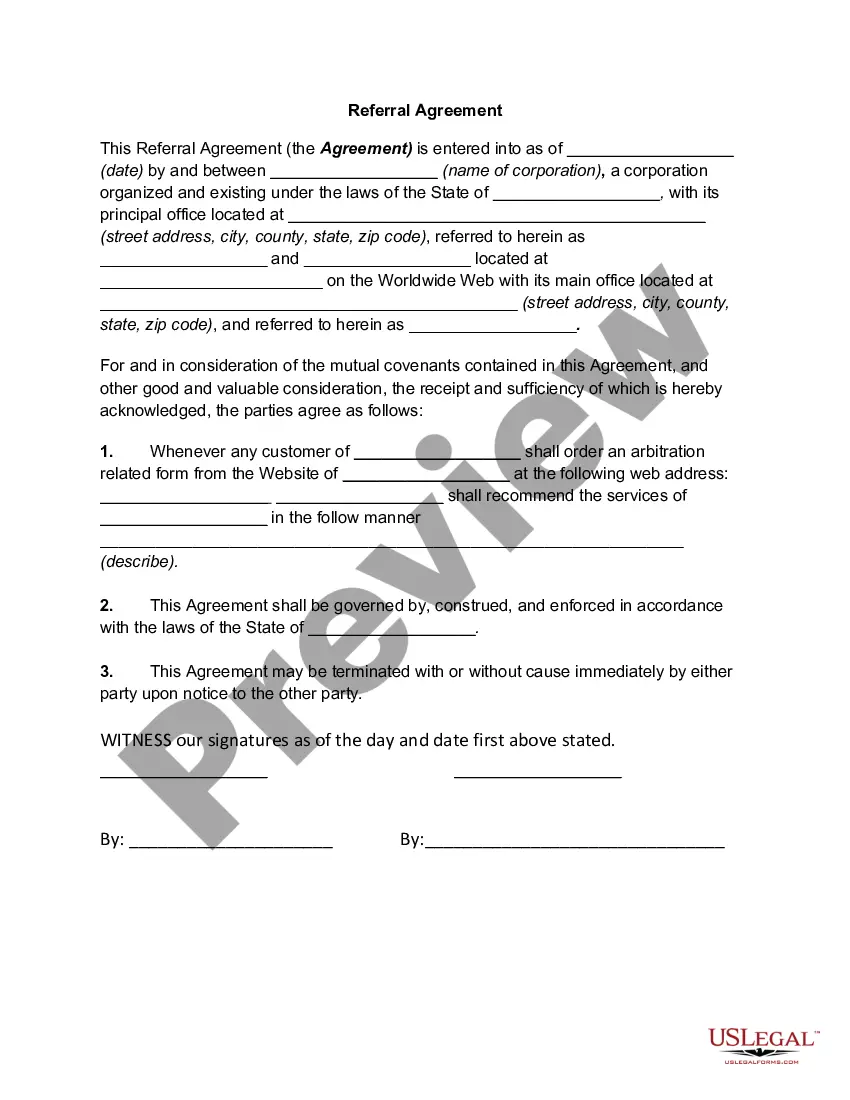



Form popularity
FAQ
A letter of intent (LOI) issued by an employer to a potential candidate, as the name suggests, indicates only the employer's intention to issue an offer of employment. It is a common misconception that an LOI is an offer, which, once accepted, becomes a binding contract.
Dear (Employer's Name), Thank you for offering me the position of (Job Title) at (Company Name). I am delighted and grateful to accept this offer and I look forward to joining your team. I appreciate the opportunity you have given me to work with such a reputable and respected organization.
A letter of intent in a job interview refers to a document or email expressing your interest in a job opportunity and summarizing your qualifications and fit for the role.
A letter of intent (also known as an LOI) is often written to initiate a business transaction and help define expectations with customers, partners, and vendors before creating a binding agreement.
The LOA represents a formal acceptance of a contractor's offer and initiates the contractual relationship, whereas the LOI expresses an intention to proceed with negotiations towards a formal contract but does not create binding obligations until a contract is executed.
In summary, the LOI is an initial expression of interest that sets the framework for negotiations, the NBIO is an initial non-binding offer presented by the buyer, and the Term Sheet outlines the key terms and conditions of a potential deal, acting as a roadmap for further negotiations.

