Proposal Letter With Sample In Miami-Dade
Description
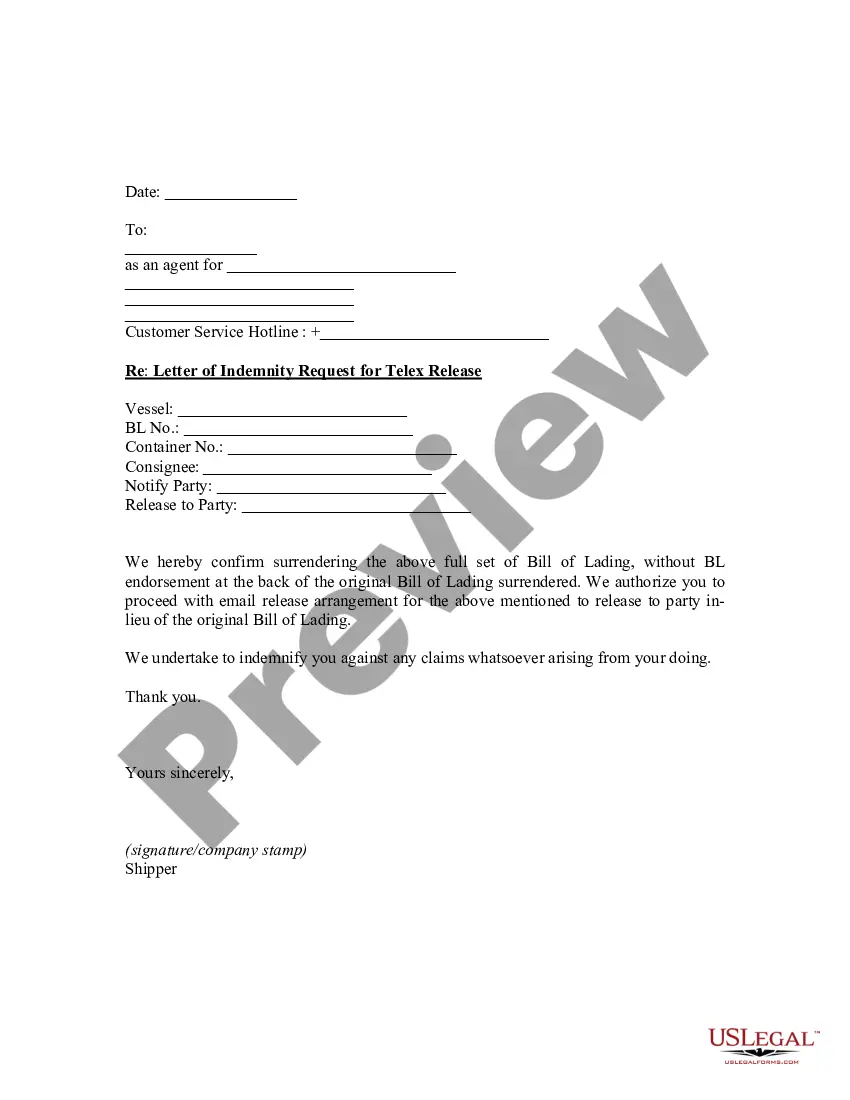
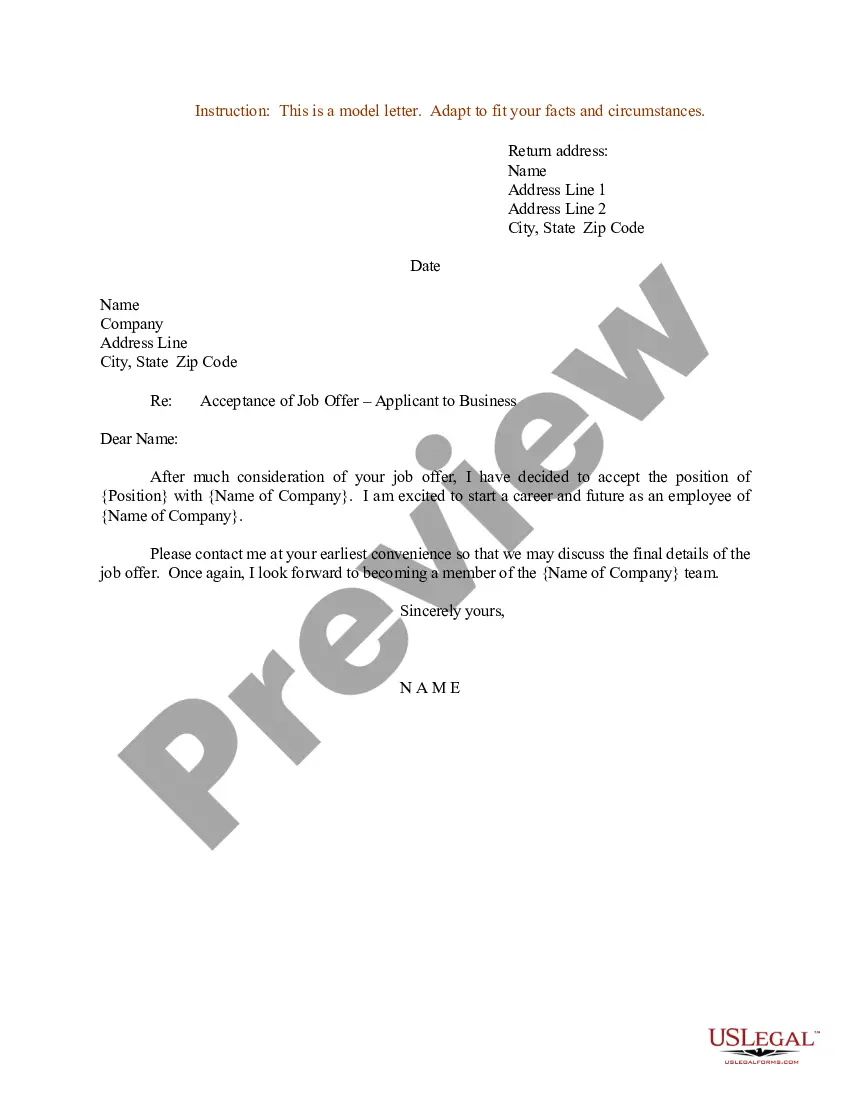
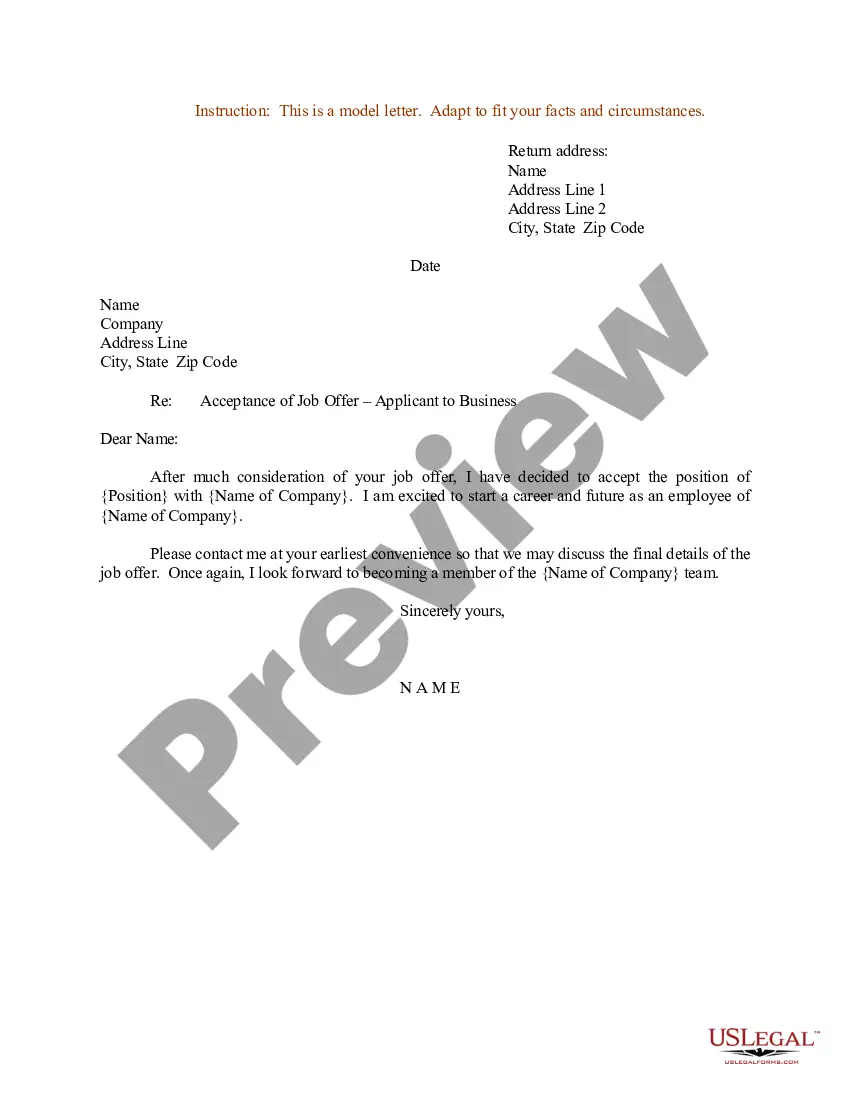
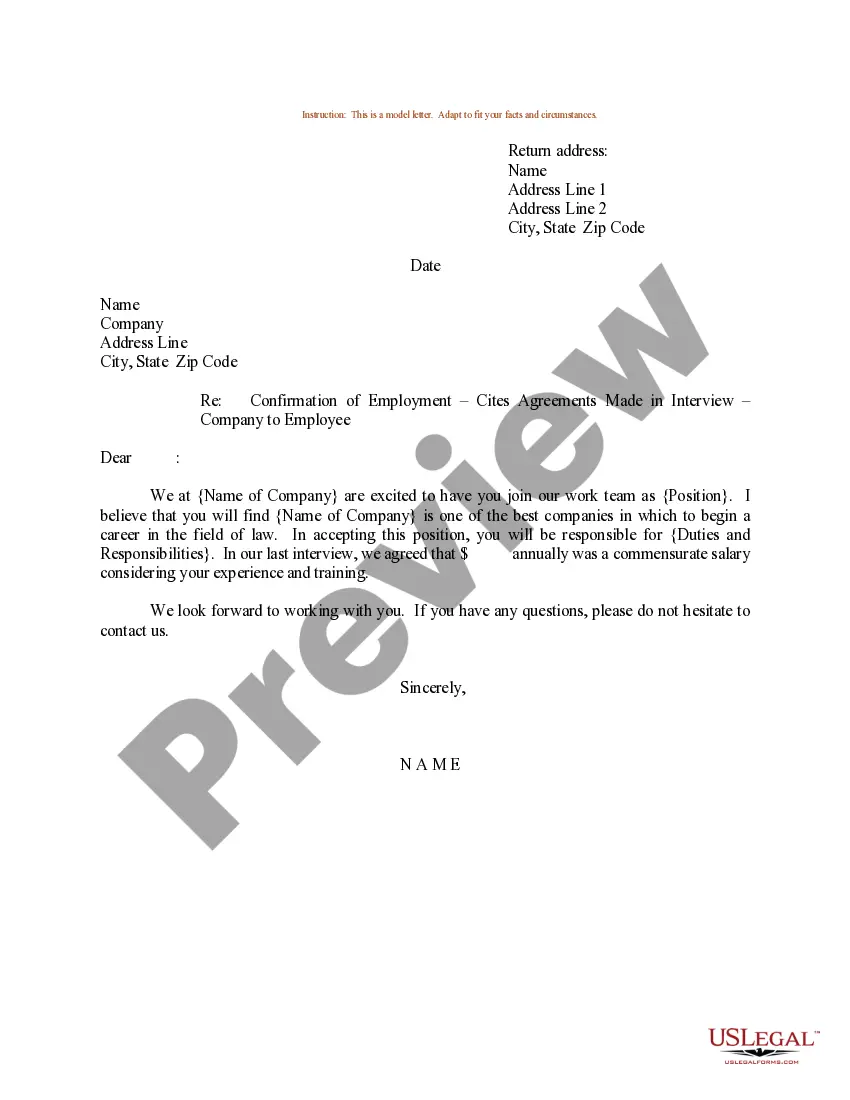
Get your form ready online
Our built-in tools help you complete, sign, share, and store your documents in one place.
Make edits, fill in missing information, and update formatting in US Legal Forms—just like you would in MS Word.
Download a copy, print it, send it by email, or mail it via USPS—whatever works best for your next step.
Sign and collect signatures with our SignNow integration. Send to multiple recipients, set reminders, and more. Go Premium to unlock E-Sign.
If this form requires notarization, complete it online through a secure video call—no need to meet a notary in person or wait for an appointment.
We protect your documents and personal data by following strict security and privacy standards.

Make edits, fill in missing information, and update formatting in US Legal Forms—just like you would in MS Word.

Download a copy, print it, send it by email, or mail it via USPS—whatever works best for your next step.

Sign and collect signatures with our SignNow integration. Send to multiple recipients, set reminders, and more. Go Premium to unlock E-Sign.

If this form requires notarization, complete it online through a secure video call—no need to meet a notary in person or wait for an appointment.

We protect your documents and personal data by following strict security and privacy standards.
Looking for another form?







Form popularity
FAQ
Sample RFPs A Request for Proposal (RFP) is a formal bidding document that describes a project and desired services in detail to ensure an effective competitive bidding process. If you use an RFP, you must submit it with your FCC Form 461 or Form 465 (Request for Services Form).
How to write an RFP Provide a business overview. Kick off your RFP by introducing your organization. Define your project needs and goals. List requirements and expectations. Provide a statement of work (SOW) ... Set your evaluation criteria. Provide submission instructions.
What are the 7 steps in writing an RFP? Introduce the company and project. Outline project background. Provide bid deadline and proposal timeline. Specify budget. Outline project scope. Express concerns or roadblocks. Explain evaluation criteria.
A Look at a Detailed RFP The proposal describes the project, provides an overview of the organization, defines the goals for the services it is pursuing, and explains how proposals will be evaluated. It communicates the expected format, budget limitations, and deadline requirements.
Documents are recorded at the Clerk of the Courts, MIAMI-DADE COUNTY RECORDER, COURTHOUSE EAST, 22 N.W. First Street, 1st Floor, Miami, FL 33128. You can record the Notice of Commencement by mail. The original Notice should be sent to the County Recorder, P.O. Box 011711, Flagler Station, Miami, Florida 33101.
Here's how to write an RFP: Identify your goals. Before writing your RFP, you can identify the scope of the project and the goals you want it to accomplish. Determine logistics. Outline your RFP. Revise and proofread. Share your RFP. Summary and background. Project scope. Project timeline.

