Letter Acceptance Form With Decimals In Massachusetts
Description



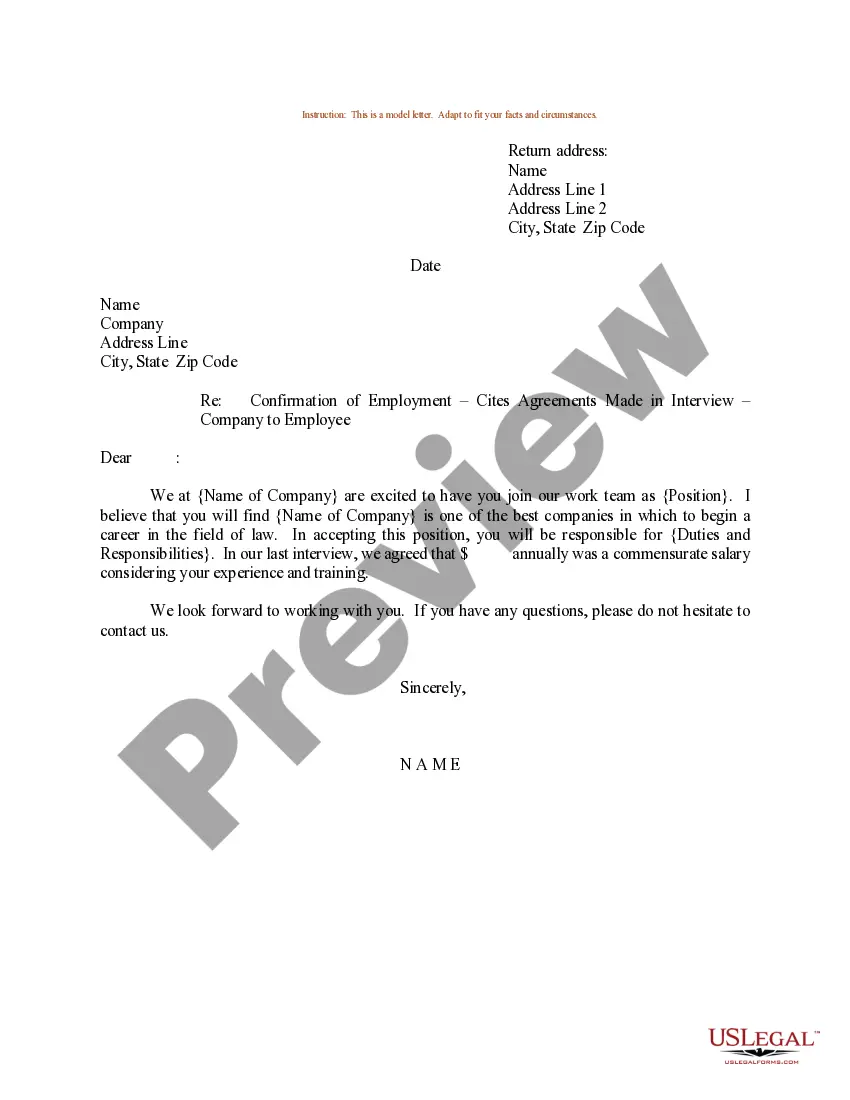
Get your form ready online
Our built-in tools help you complete, sign, share, and store your documents in one place.
Make edits, fill in missing information, and update formatting in US Legal Forms—just like you would in MS Word.
Download a copy, print it, send it by email, or mail it via USPS—whatever works best for your next step.
Sign and collect signatures with our SignNow integration. Send to multiple recipients, set reminders, and more. Go Premium to unlock E-Sign.
If this form requires notarization, complete it online through a secure video call—no need to meet a notary in person or wait for an appointment.
We protect your documents and personal data by following strict security and privacy standards.

Make edits, fill in missing information, and update formatting in US Legal Forms—just like you would in MS Word.

Download a copy, print it, send it by email, or mail it via USPS—whatever works best for your next step.

Sign and collect signatures with our SignNow integration. Send to multiple recipients, set reminders, and more. Go Premium to unlock E-Sign.

If this form requires notarization, complete it online through a secure video call—no need to meet a notary in person or wait for an appointment.

We protect your documents and personal data by following strict security and privacy standards.
Looking for another form?







Form popularity
FAQ
Rounding a decimal number to two decimal places is the same as rounding it to the hundredths place, which is the second place to the right of the decimal point. For example, 2.83620364 can be rounded to two decimal places as 2.84, and 0.7035 can be rounded to two decimal places as 0.70.
Understanding the Decimal Place Value Chart When looking at the decimal place value chart, you can see that place values before the decimal point begin with ones, then tens, hundreds, and so on, but place values following the decimal point begin with tenths, then hundredths, then thousandths, and so on.
Step 1: Write the first number from the given number. Step 2: Add the decimal point after the first number. Step 3: Now, count the number of digits after the first number from the given number and write it in the power of 10. Step 2: Adding the decimal point after 5, it becomes “5.”
To write a decimal in standard form, zeros may have to be inserted after the decimal point so that the last digit is in the given place-value position. Five and thirty-eight hundredths 5.38 (8 is in the hundredths' place.)
The first digit after the decimal represents the tenths place. The next digit after the decimal represents the hundredths place. The remaining digits continue to fill in the place values until there are no digits left.
And now we write the decimal part 17. to finish off we take a look at the place value of the lastMoreAnd now we write the decimal part 17. to finish off we take a look at the place value of the last digit the last digit is 7 and it's in the hundredths. Place. So we write 5 and 17 hundredths.
Place for number one. So on to number two where we have 627 thousandths and the digit that we haveMorePlace for number one. So on to number two where we have 627 thousandths and the digit that we have underlined is that 7. There.
Since it is larger than, you can round the 38 up to 40 . So now the number you have is 2.740 , but since the 0 does not need to be included, you have 2.74 , which is 2 decimal places.

