Letter Acceptance Document With Multiple Recipients In Massachusetts
Description
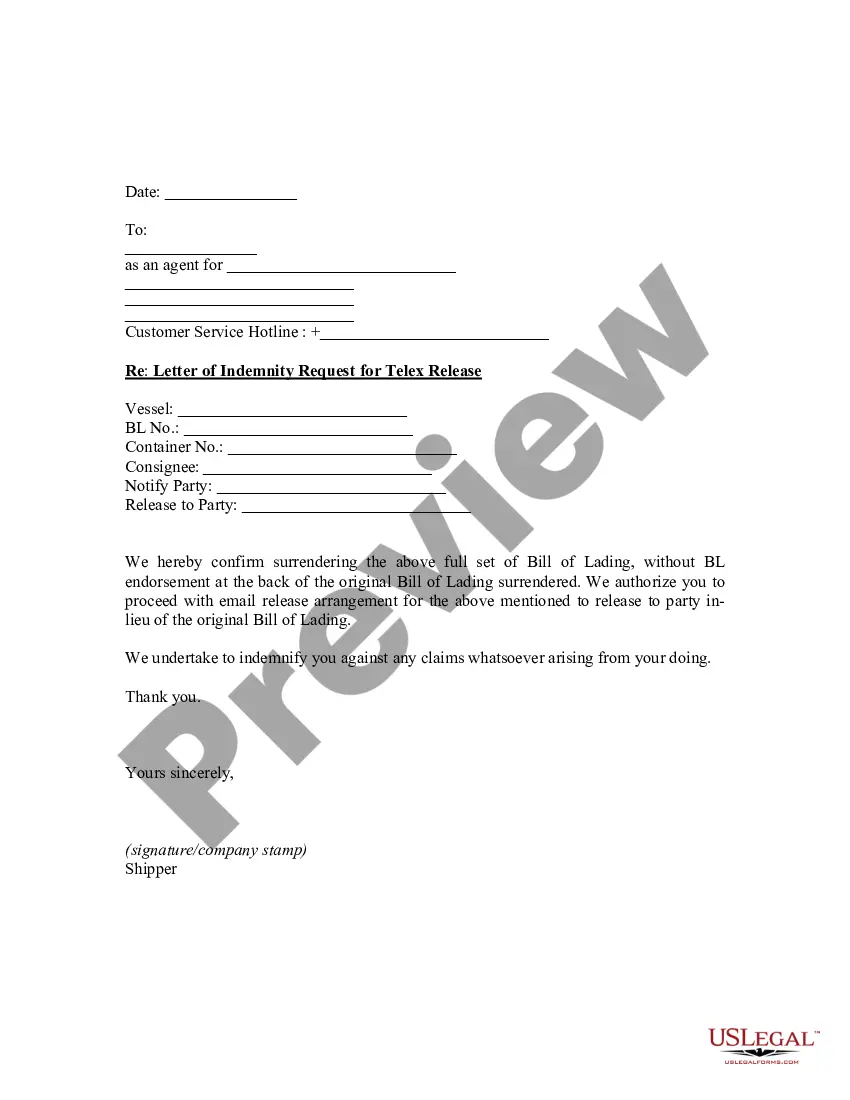
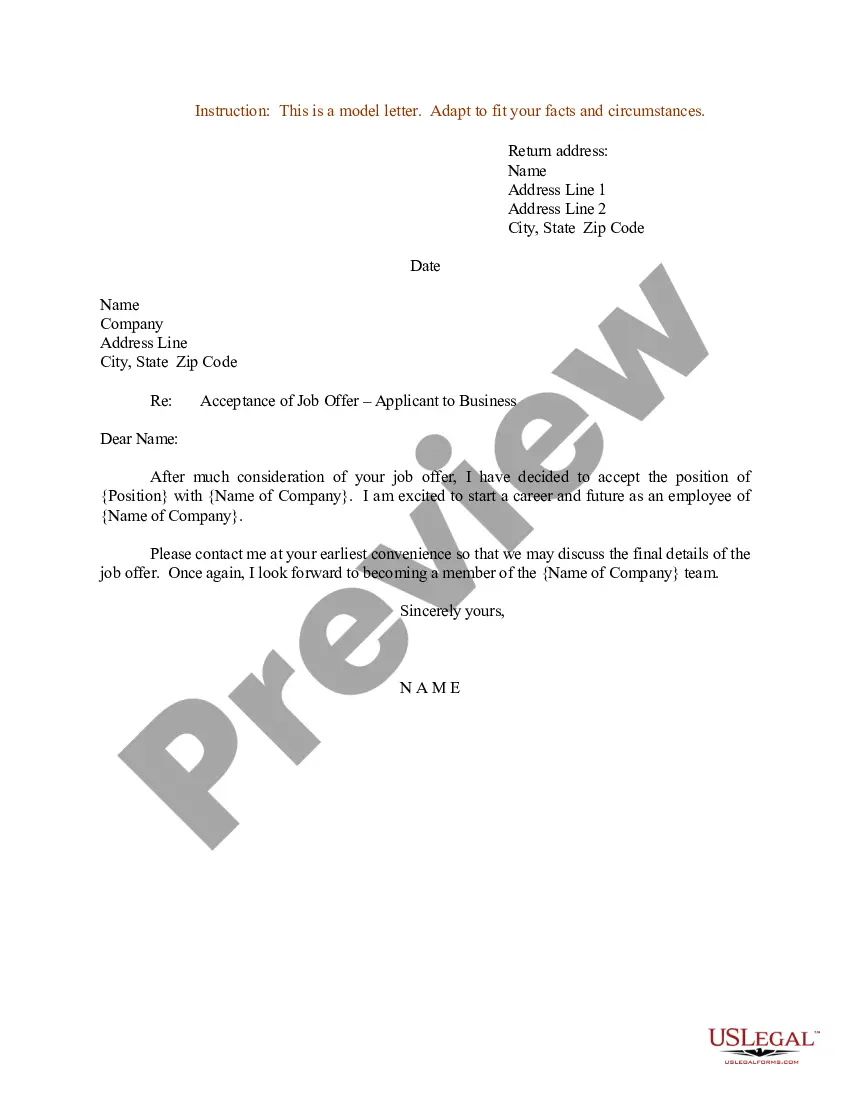
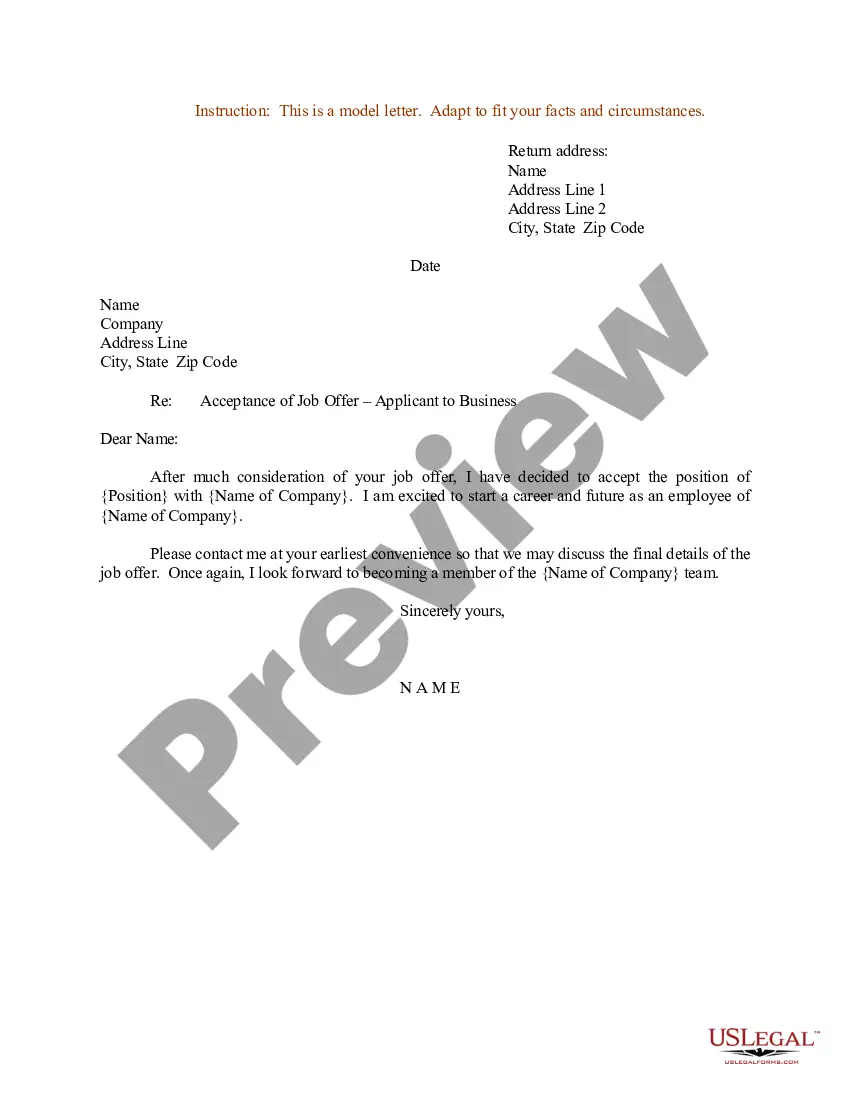
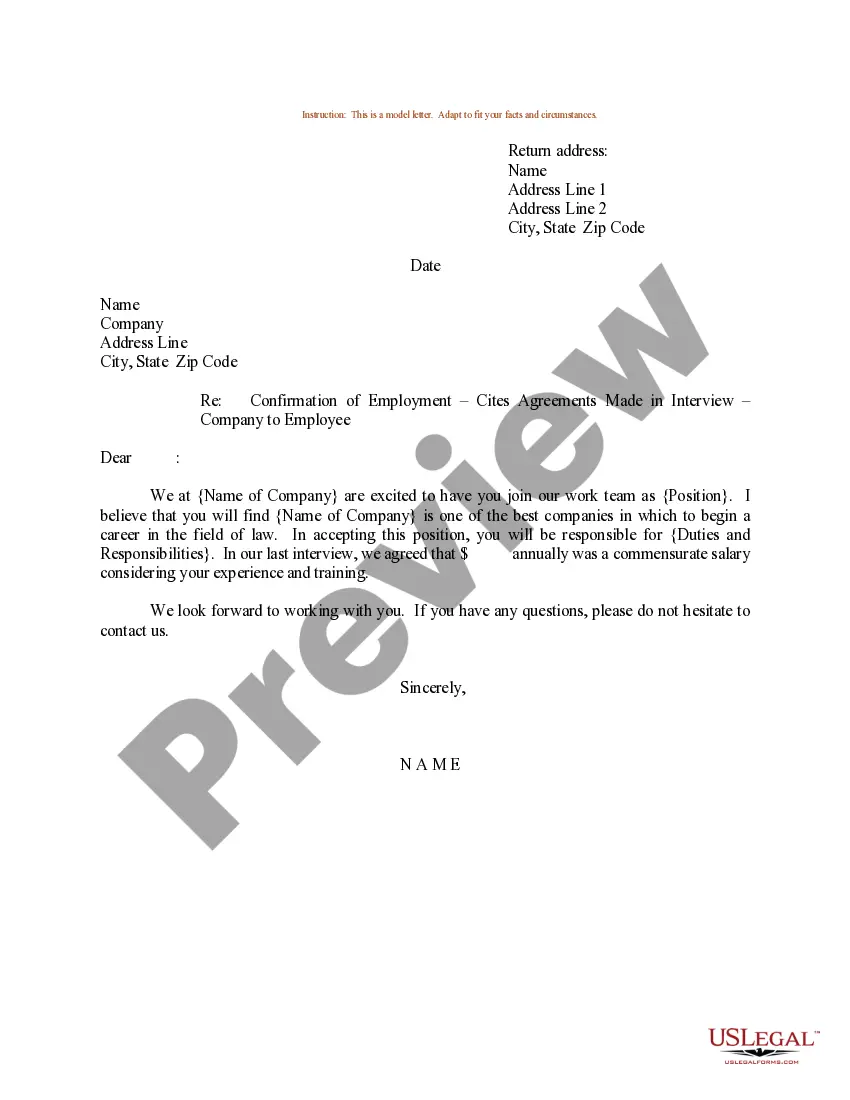
Get your form ready online
Our built-in tools help you complete, sign, share, and store your documents in one place.
Make edits, fill in missing information, and update formatting in US Legal Forms—just like you would in MS Word.
Download a copy, print it, send it by email, or mail it via USPS—whatever works best for your next step.
Sign and collect signatures with our SignNow integration. Send to multiple recipients, set reminders, and more. Go Premium to unlock E-Sign.
If this form requires notarization, complete it online through a secure video call—no need to meet a notary in person or wait for an appointment.
We protect your documents and personal data by following strict security and privacy standards.

Make edits, fill in missing information, and update formatting in US Legal Forms—just like you would in MS Word.

Download a copy, print it, send it by email, or mail it via USPS—whatever works best for your next step.

Sign and collect signatures with our SignNow integration. Send to multiple recipients, set reminders, and more. Go Premium to unlock E-Sign.

If this form requires notarization, complete it online through a secure video call—no need to meet a notary in person or wait for an appointment.

We protect your documents and personal data by following strict security and privacy standards.
Looking for another form?








Form popularity
FAQ
Include all the names on the salutation line if you must send a single letter to several recipients. For instance, a letter to Bob Jones and Sally Smith would be addressed "Dear Mr. Jones and Ms. Smith." Use a colon at the end of the salutation line.
In all instances, if both names cannot fit on one line, write them on two separate lines without the "and" (whomever you're closer to can be listed first, or it's common to list same-gender couples alphabetically by last name). (Ms. Emily Wood and Mr. George Swan or Ms.
The best way to do it is to start with "Introduction:" or "Intro:". It's self-explanatory and catches the eye quickly. Next, include the first names of people you are introducing. Add "<>", "/", "x" or similar between the names.
One of the easiest ways to write a professional salutation for a group is to use a generic term that applies to everyone in the audience, such as "Dear Team", "Hello Everyone", or "Greetings". This is a safe and neutral option that works well for internal communications, casual messages, or general announcements.
Create two sections for signatures You can create two sections for signatures below your valediction. Leave a space for the first person's signature and put their name and job title directly underneath this space. Repeat the process for the second person's name.
Third, use commas or semicolons to separate the names, and end with a colon or a comma before the body of the email. For example, you could write "Dear John, Mary, and Sam:", "Hello Dr. Smith, Ms. Jones, Mr. Lee; or "Hi Alice, Bob, Carol, and Dave,".
A carbon copy, or cc, lets others know who else is receiving the letter. You can include a carbon copy somewhere below your signature. A carbon copy is usually marked by the words "cc" or "copies to", usually followed by a colon. Multiple recipients are listed using their full names and alphabetically.
How To Write An Offer Letter Acceptance Email Review your job offer. Read your job offer carefully. Start drafting your email. Write a concise subject line. Address your email to the right person. Express gratitude. Make a formal statement of acceptance. Conclude and sign. Format your email.
In a Declaration you declare facts based upon your knowledge and under penalty of perjury. In an Affidavit you swear to the truth under oath with a notary and sometimes in front of witnesses.
Under Rule 5(b), service may be made by mailing the paper to the party or attorney at his last known address; if no address is known, the paper may be left with the clerk of court. Prior Massachusetts practice made no provision in cases where the address was unknown. Notice must be written.

