Letter Acceptance Documents With Withdraw In Illinois
Description
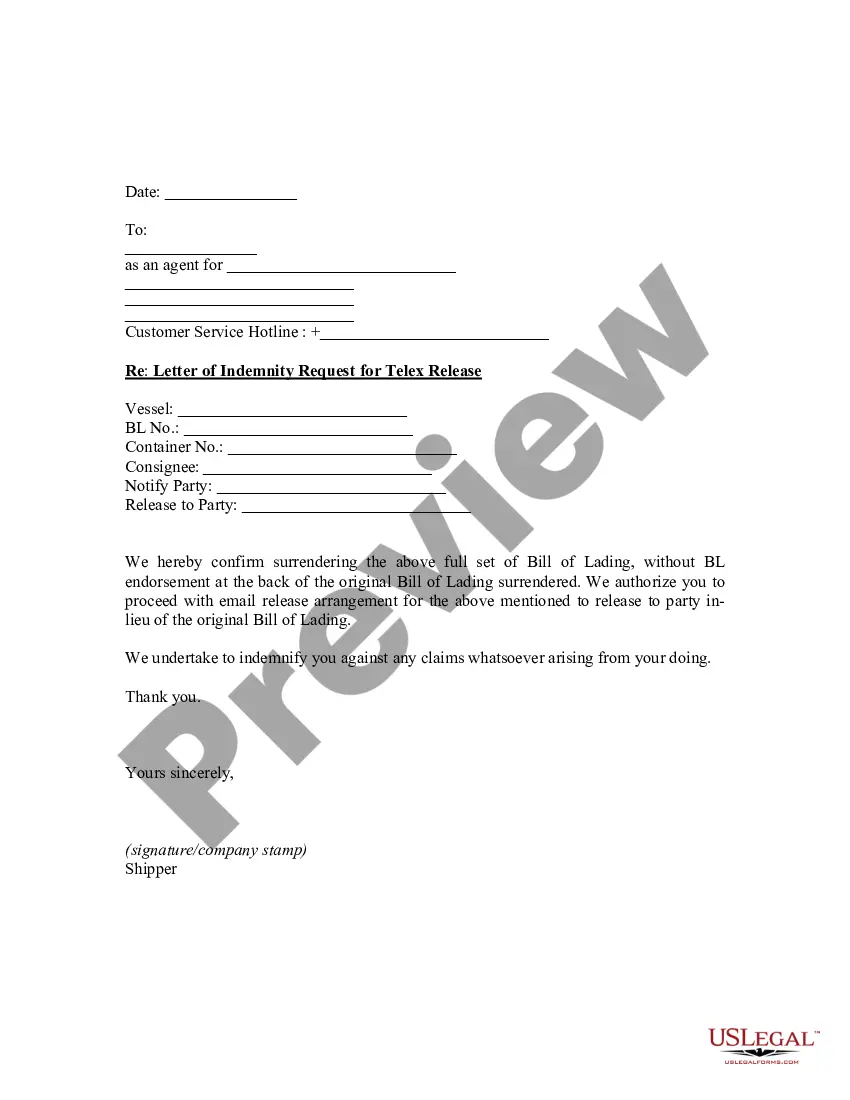
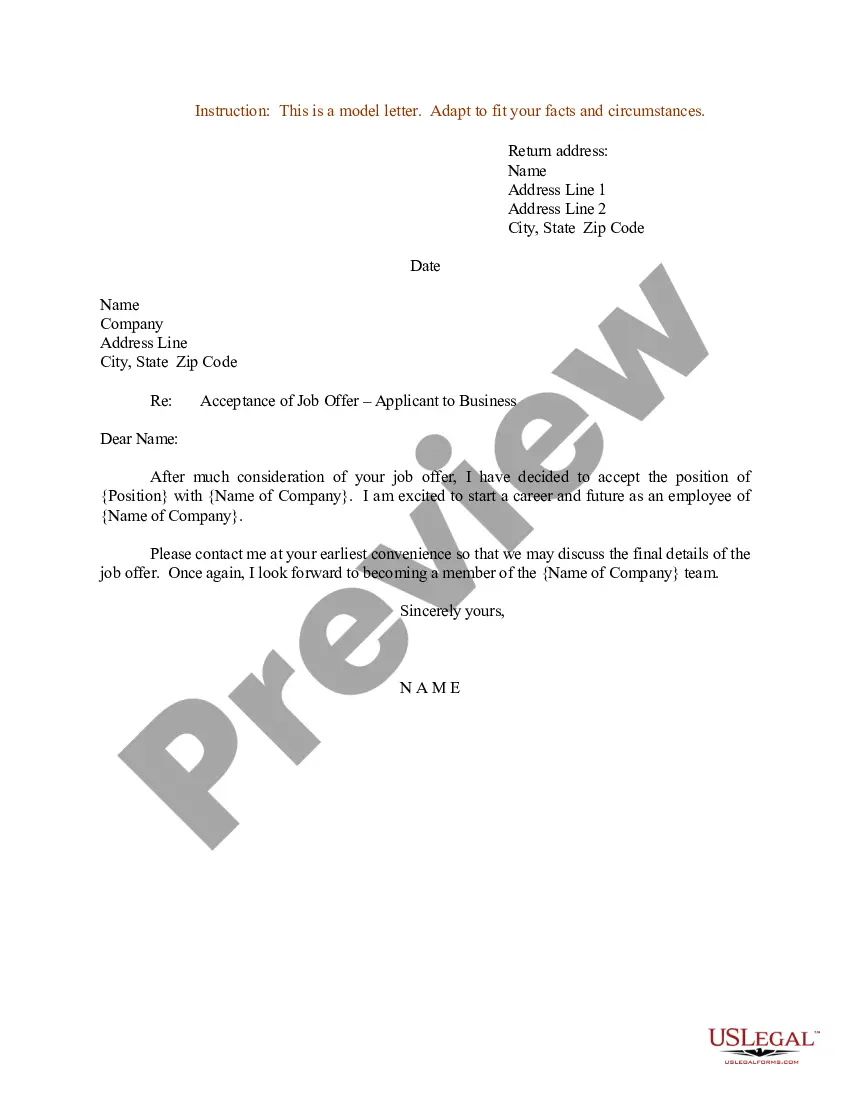
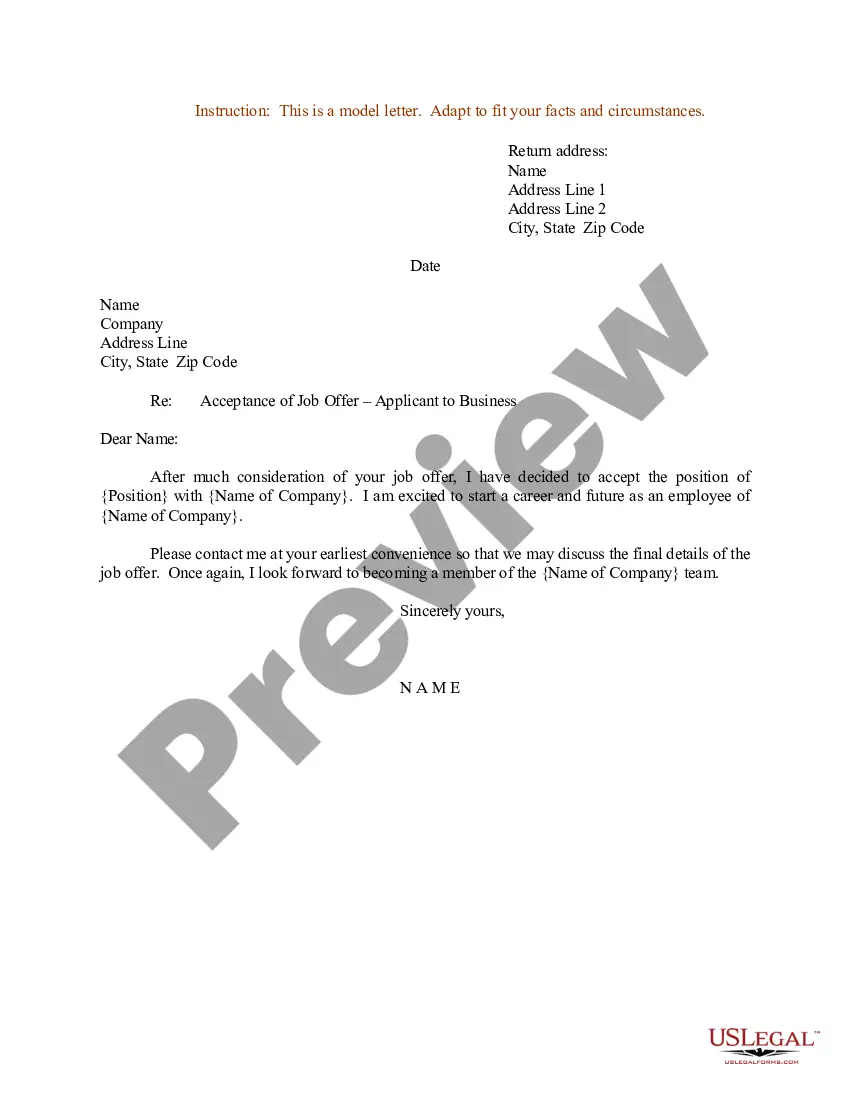
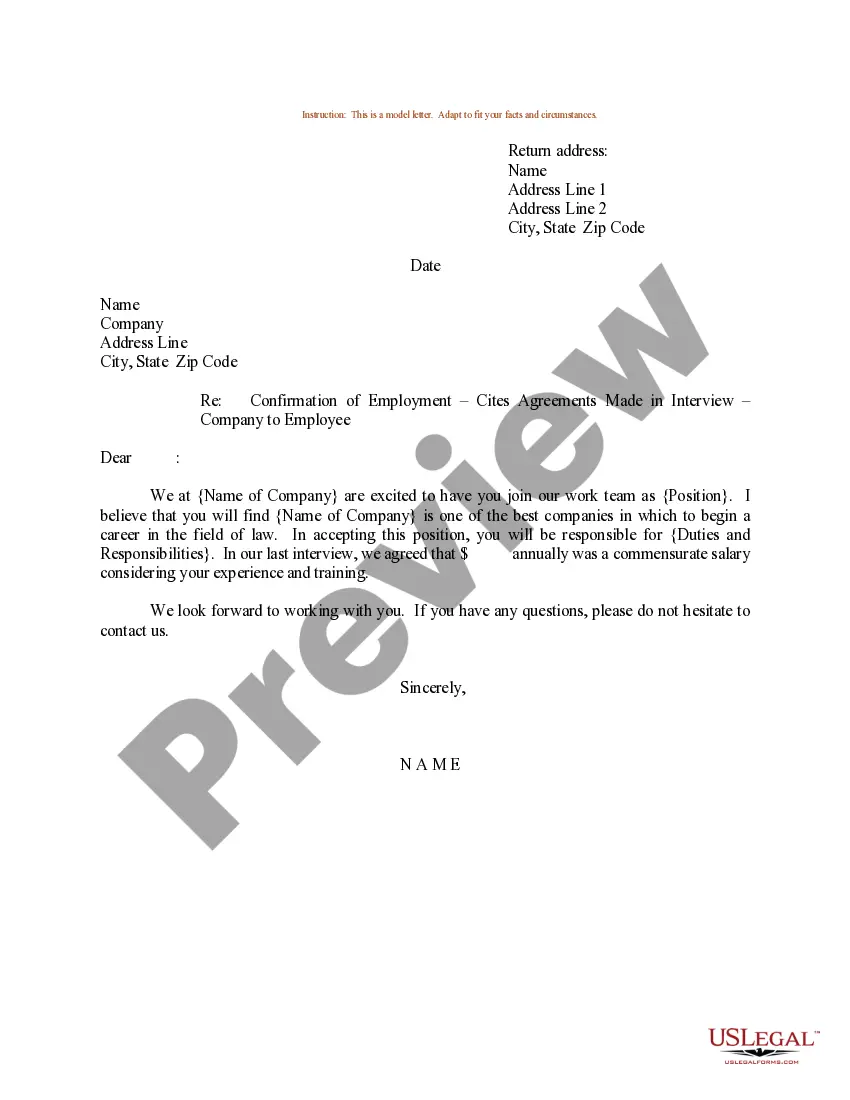
Get your form ready online
Our built-in tools help you complete, sign, share, and store your documents in one place.
Make edits, fill in missing information, and update formatting in US Legal Forms—just like you would in MS Word.
Download a copy, print it, send it by email, or mail it via USPS—whatever works best for your next step.
Sign and collect signatures with our SignNow integration. Send to multiple recipients, set reminders, and more. Go Premium to unlock E-Sign.
If this form requires notarization, complete it online through a secure video call—no need to meet a notary in person or wait for an appointment.
We protect your documents and personal data by following strict security and privacy standards.

Make edits, fill in missing information, and update formatting in US Legal Forms—just like you would in MS Word.

Download a copy, print it, send it by email, or mail it via USPS—whatever works best for your next step.

Sign and collect signatures with our SignNow integration. Send to multiple recipients, set reminders, and more. Go Premium to unlock E-Sign.

If this form requires notarization, complete it online through a secure video call—no need to meet a notary in person or wait for an appointment.

We protect your documents and personal data by following strict security and privacy standards.
Looking for another form?









Form popularity
FAQ
Yes, you can quit a job after accepting an offer, even if you haven't started yet. However, it's important to consider the following: Professionalism: It's best to notify the employer as soon as possible. A simple, polite email or phone call expressing your decision is recommended.
Yes, it is generally legally permissible to back out after signing an offer letter, especially in at-will employment jurisdictions where either party can terminate the employment relationship at any time for any reason.
What is a letter of withdrawal? A letter of withdrawal is what you'd provide to an employer with who you are in the hiring process, but have decided not to move forward working for because of any number of reasons.
Here are some key considerations to keep in mind when crafting your response: Choose an appropriate format. Be clear and formal. Acknowledge receipt and accept the resignation. Show understanding. Express the company's gratitude. Outline the next steps. Keep a copy on file.
In most cases, you can decline a job offer after you have accepted it. If you've signed an employment agreement, check the legal implications before you withdraw your acceptance. If you can, it's better to have a conversation in person or on the phone to explain why you have decided not to take the job.
Yes, it is generally acceptable to decline a job offer after initially accepting it, but it should be done thoughtfully and professionally. Here are some key considerations: Timing: The sooner you communicate your decision, the better. This allows the employer to move forward with their hiring process.
Dear Contact Name, I want to thank you for your time and offer to join the Department Name team at Company Name. I regret to inform you that after further consideration, I will have to withdraw my acceptance for the role of Position Title with the company.
In most cases, you can decline a job offer after you have accepted it. If you've signed an employment agreement, check the legal implications before you withdraw your acceptance. If you can, it's better to have a conversation in person or on the phone to explain why you have decided not to take the job.
Once an offer has been accepted, it cannot be withdrawn without there being a breach of contract. However, if the offer hasn't yet been accepted, withdrawal is possible. Time and explicit wording will both be critical, and it will also be necessary to prove that the employee received notification of the withdrawal.

