Acceptance Letter To Harvard In Illinois
Description

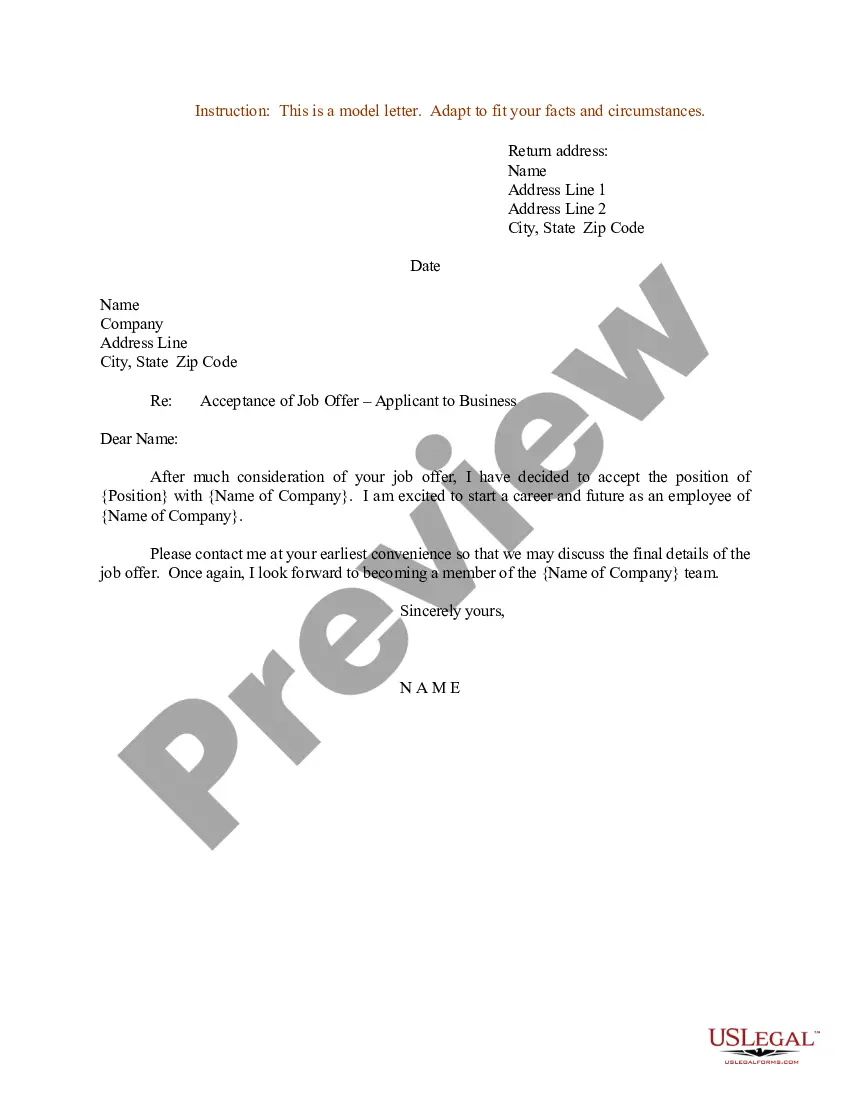
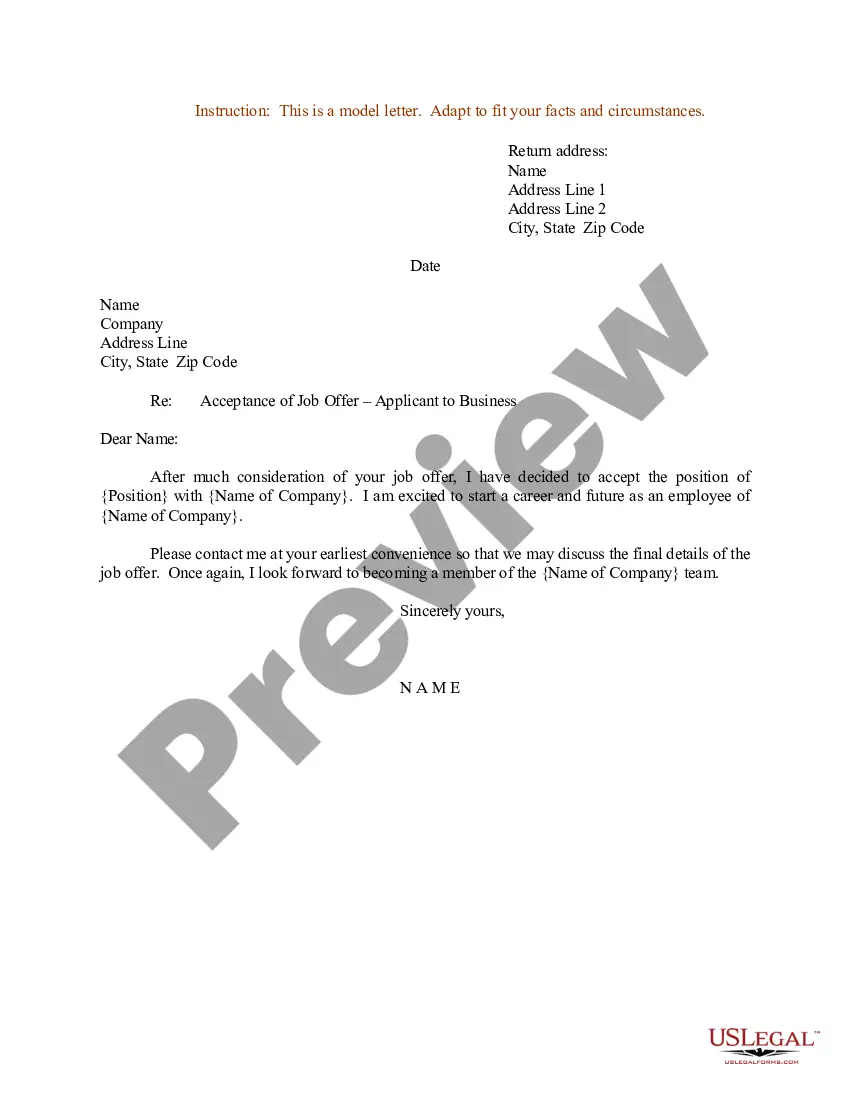
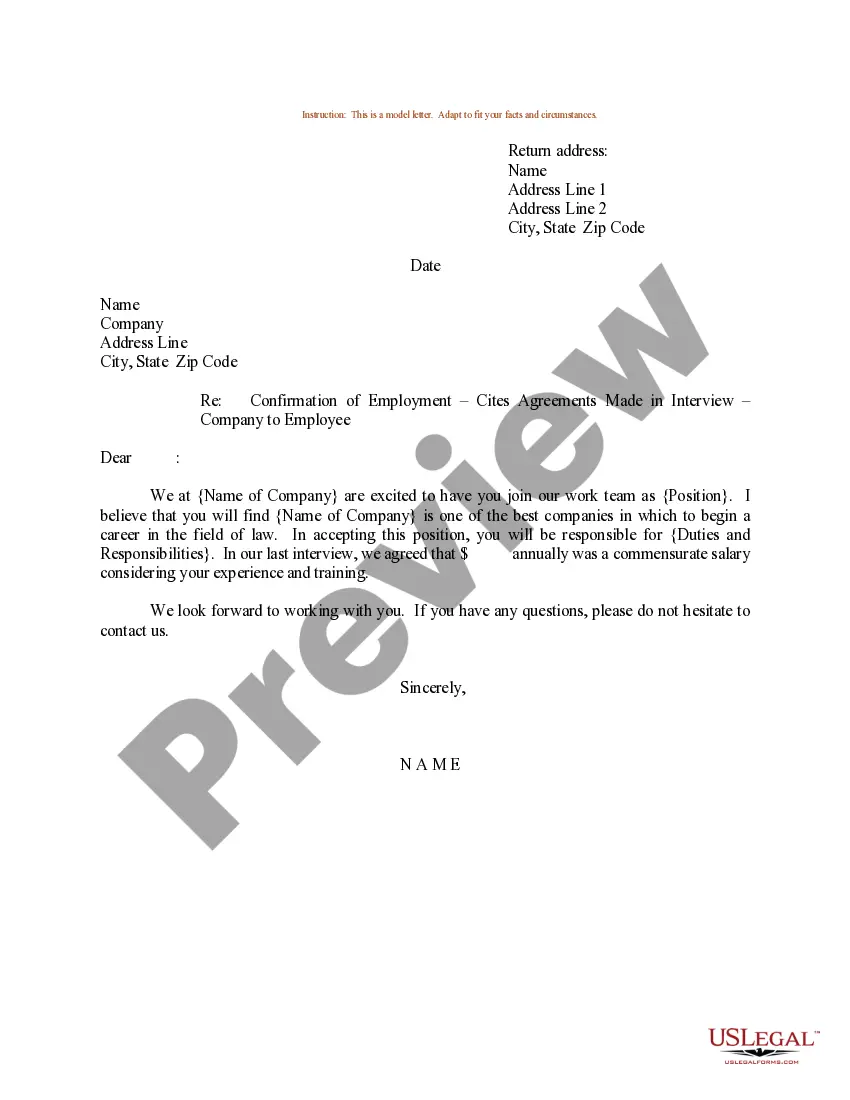
Get your form ready online
Our built-in tools help you complete, sign, share, and store your documents in one place.
Make edits, fill in missing information, and update formatting in US Legal Forms—just like you would in MS Word.
Download a copy, print it, send it by email, or mail it via USPS—whatever works best for your next step.
Sign and collect signatures with our SignNow integration. Send to multiple recipients, set reminders, and more. Go Premium to unlock E-Sign.
If this form requires notarization, complete it online through a secure video call—no need to meet a notary in person or wait for an appointment.
We protect your documents and personal data by following strict security and privacy standards.

Make edits, fill in missing information, and update formatting in US Legal Forms—just like you would in MS Word.

Download a copy, print it, send it by email, or mail it via USPS—whatever works best for your next step.

Sign and collect signatures with our SignNow integration. Send to multiple recipients, set reminders, and more. Go Premium to unlock E-Sign.

If this form requires notarization, complete it online through a secure video call—no need to meet a notary in person or wait for an appointment.

We protect your documents and personal data by following strict security and privacy standards.
Looking for another form?






Form popularity
FAQ
Applicants are notified by email when a decision is available to view in the Applicant Portal, normally by March 15. You can log in to the Applicant Portal to check the status of your application and track the receipt of required materials.
Restrictive Early Action candidates apply by November 1 and receive notification by mid-December. Regular Decision candidates apply by January 1 and receive notification by the end of March.
How long does it take for an acceptance letter to be sent out? There's no standard for how long it takes colleges to send out acceptance letters, but generally, if you applied under regular decision, you can expect letters to begin arriving between mid-March and mid-April.
Most importantly, the Applicant Portal is where you'll view your admissions decision. Most applicants receive an email reminding them to check their portal and view their decision about 15 minutes after decisions are released.
There's no standard for how long it takes colleges to send out acceptance letters, but generally, if you applied under regular decision, you can expect letters to begin arriving between mid-March and mid-April.
File Upload for Students Sign in to my.harvard. On the Student Home tab select Documents. In the Document Center section under Uploaded Documents, click Upload. Click Choose File, select the file, and click Open. Click Upload.
You should also have a 4.2 GPA or higher. If your GPA is lower than this, you need to compensate with a higher SAT/ACT score. For a school as selective as Harvard, you'll also need to impress them with the rest of your application. We'll cover those details next.
All applicants will receive a notification email within 48 hours of submitting the admission application. Admission and financial aid decisions are released in March.
Harvard's admissions process is famous for sending out Likely Letters to promising applicants. They send them out after an applicant has submitted a full application, but prior to the release of Regular Decision acceptance letters. Sometimes, admissions officers will call students instead of sending them a letter.

