Acceptance Letter For Bid In Hillsborough
Description
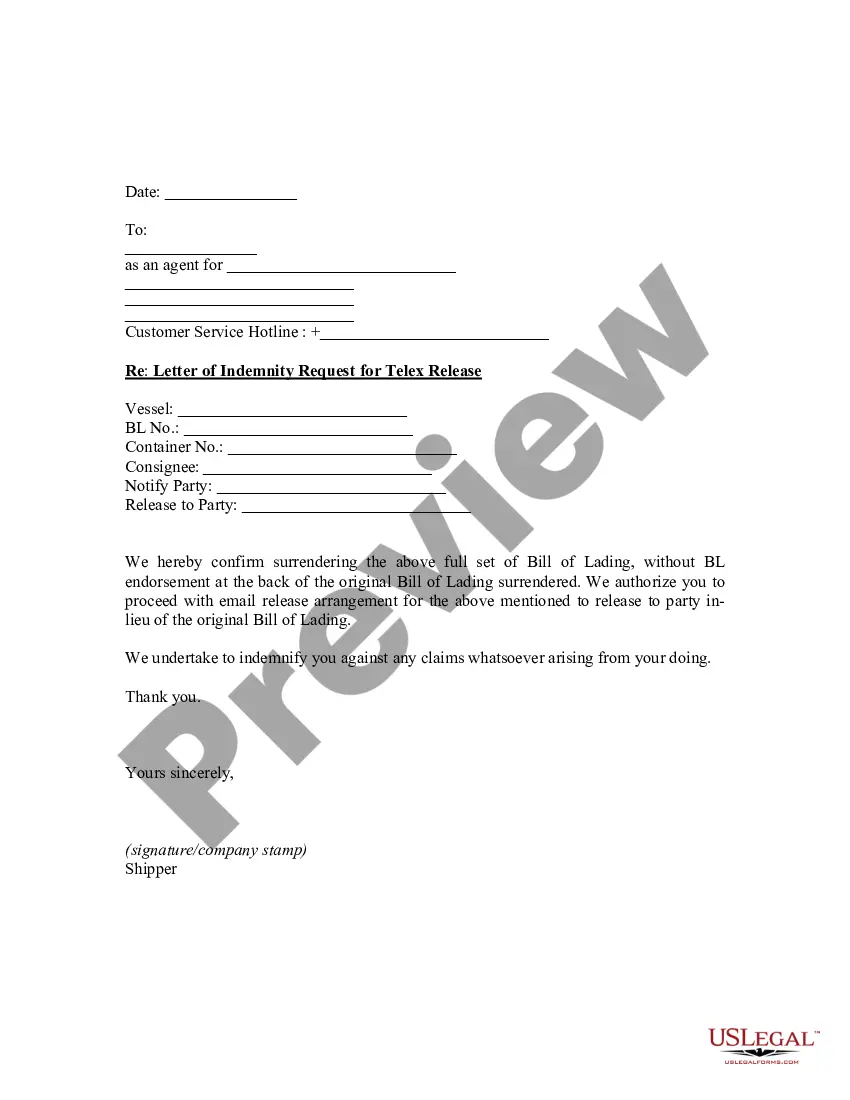
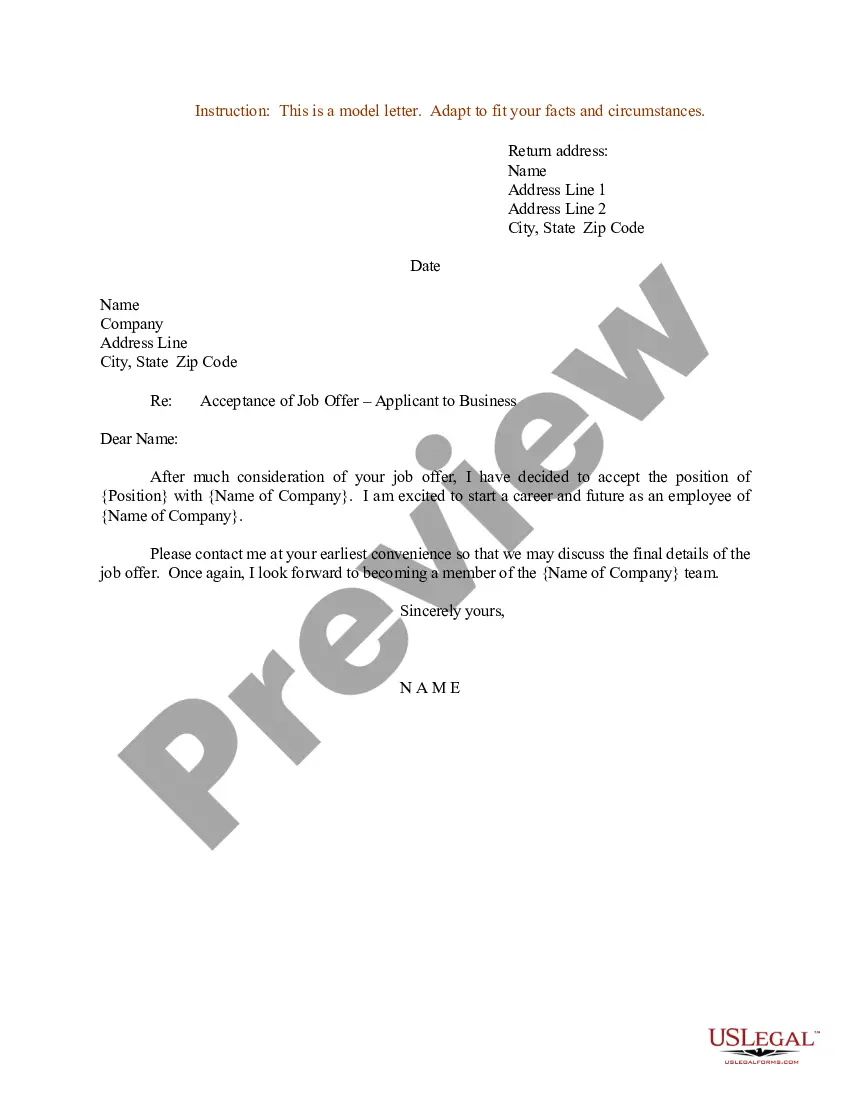
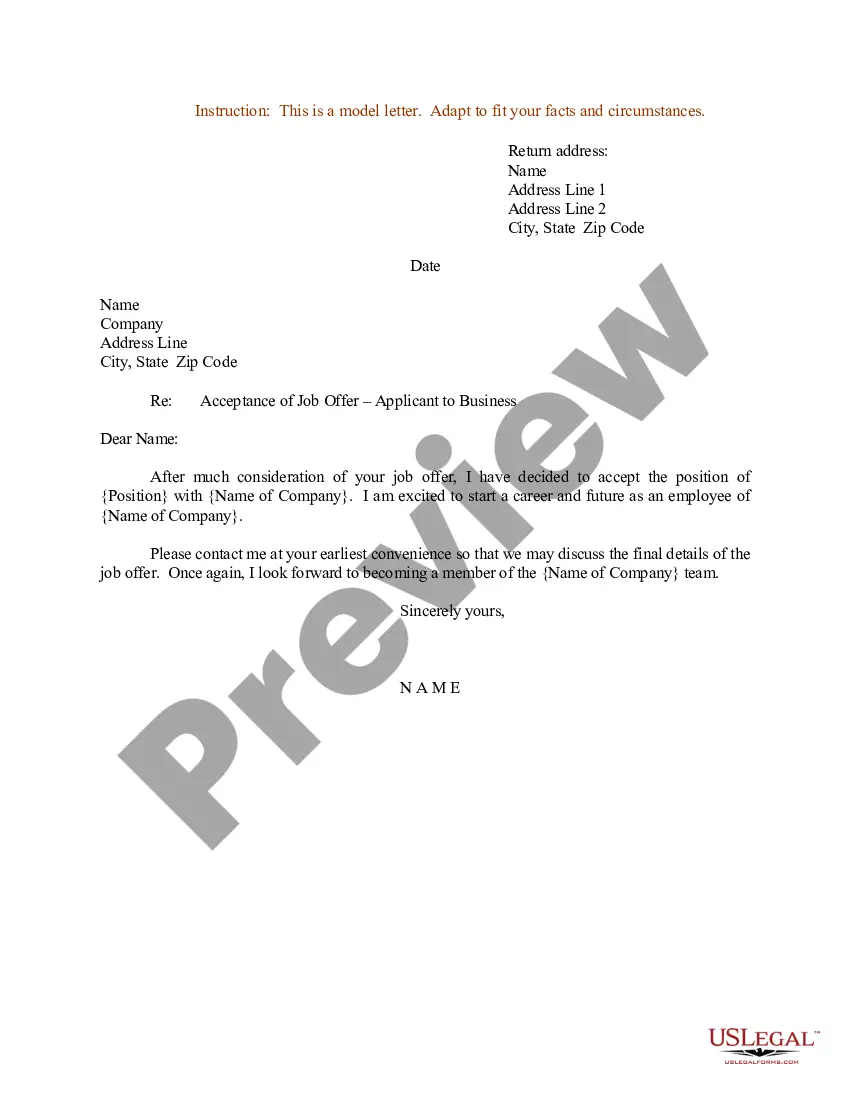
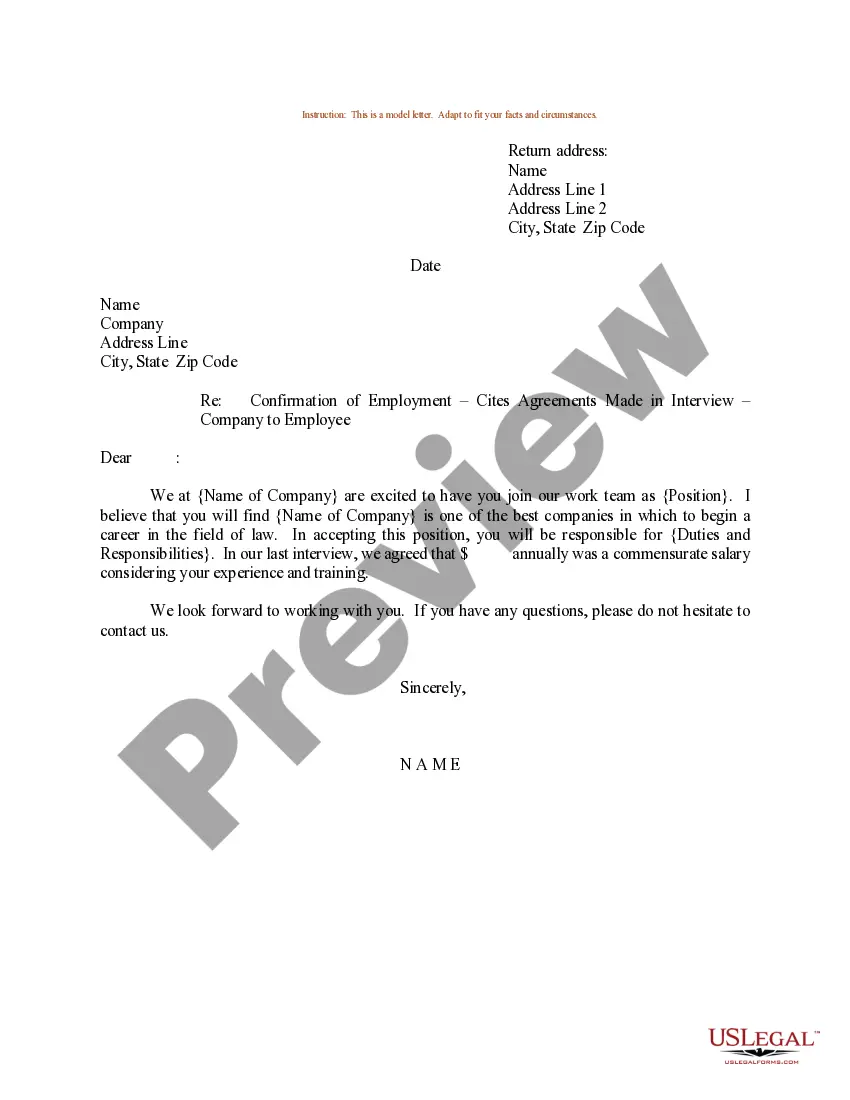
Get your form ready online
Our built-in tools help you complete, sign, share, and store your documents in one place.
Make edits, fill in missing information, and update formatting in US Legal Forms—just like you would in MS Word.
Download a copy, print it, send it by email, or mail it via USPS—whatever works best for your next step.
Sign and collect signatures with our SignNow integration. Send to multiple recipients, set reminders, and more. Go Premium to unlock E-Sign.
If this form requires notarization, complete it online through a secure video call—no need to meet a notary in person or wait for an appointment.
We protect your documents and personal data by following strict security and privacy standards.

Make edits, fill in missing information, and update formatting in US Legal Forms—just like you would in MS Word.

Download a copy, print it, send it by email, or mail it via USPS—whatever works best for your next step.

Sign and collect signatures with our SignNow integration. Send to multiple recipients, set reminders, and more. Go Premium to unlock E-Sign.

If this form requires notarization, complete it online through a secure video call—no need to meet a notary in person or wait for an appointment.

We protect your documents and personal data by following strict security and privacy standards.
Looking for another form?









Form popularity
FAQ
Transparency and open communications are key to any successful bidding. Encourage all bidders to ask questions to clarify any details. Doing so ensures everyone has a common understanding of the project. Finally, you must address the selection process and the timeline to announce the successful bid.
What is an Intent to Bid? An Intent to Bid is a formal declaration submitted by a contractor to a government agency indicating their intention to participate in a bidding process for a specific project or procurement opportunity.
A letter of intent to bid is a formal way for prospective vendors to communicate their plan to submit a response or bid to a request for proposal (RFP). Often, a buyer requests or requires a letter of intent from interested vendors as part of the RFP process.
A letter of intent (LOI) is a document declaring the preliminary commitment of one party to do business with another. An LOI outlines the chief terms of a prospective deal and is commonly used in business transactions.
Letter of intent to bid definition A letter of intent to bid is a formal way for prospective vendors to communicate their plan to submit a response or bid to a request for proposal (RFP). Often, a buyer requests or requires a letter of intent from interested vendors as part of the RFP process.
Letter of Bid means the document entitled letter of bid, which was completed by the Contractor and includes the signed offer to the Employer for the Works. 1.1. 1.9 “Letter of Acceptance” means the letter of formal acceptance, signed by the bidder after the receipt of Letter of Award confirming their acceptance.
What are the essential steps in the RFP process? Identify stakeholders. Collect RFP requirements. Create RFP. Evaluate RFP responses. Select winning vendor. Create vendor contract.
Letter of intent to bid definition A letter of intent to bid is a formal way for prospective vendors to communicate their desire to submit a response to a request for proposal (RFP). Often, a buyer will request a letter of intent from interested vendors as part of the RFP process.
Acceptance of Bid means the letter/fax or any memorandum communicating to the Bidder the acceptance of its Bid and includes an advance acceptance of his Bid. Acceptance of Bid means the letter/fax or any memorandum communicated to the bidder as the acceptance of the bid and includes an advance acceptance/LOI of bid.
The RFP process allows more flexibility than the sealed bid process in the evaluation process. The evaluation committee first evaluates proposals for compliance to the specifications and requirements in the RFP and creates a list of those firms whose proposals meet mandatory requirements.

