Letter Acceptance Template For College Student In Georgia
Description
Get your form ready online
Our built-in tools help you complete, sign, share, and store your documents in one place.
Make edits, fill in missing information, and update formatting in US Legal Forms—just like you would in MS Word.
Download a copy, print it, send it by email, or mail it via USPS—whatever works best for your next step.
Sign and collect signatures with our SignNow integration. Send to multiple recipients, set reminders, and more. Go Premium to unlock E-Sign.
If this form requires notarization, complete it online through a secure video call—no need to meet a notary in person or wait for an appointment.
We protect your documents and personal data by following strict security and privacy standards.

Make edits, fill in missing information, and update formatting in US Legal Forms—just like you would in MS Word.

Download a copy, print it, send it by email, or mail it via USPS—whatever works best for your next step.

Sign and collect signatures with our SignNow integration. Send to multiple recipients, set reminders, and more. Go Premium to unlock E-Sign.

If this form requires notarization, complete it online through a secure video call—no need to meet a notary in person or wait for an appointment.

We protect your documents and personal data by following strict security and privacy standards.
Looking for another form?






Form popularity
FAQ
Within one to two weeks of learning of your acceptance, write a thoughtful letter accepting the offer. Keep it short, sweet, and to the point. Your first sentence should state something to the effect of this: “I am writing to accept your offer to enroll in program at university.”
Your letter of intent is where you'll highlight significant experiences and accomplishments from your academic history! Mention high school internships, extracurriculars, volunteering, honor roll, and subject awards. Focus on the most relevant details within the 500-800 word limit!
If you want your school application letter to stand out to the admissions committee, here are the steps to follow: Address your letter. Use proper salutation. Create a subject line. Introduce yourself, your purpose and your interests. Highlight your skills and achievements. Reiterate your interest. Thank the reviewer.
How to write an admission letter for college Write your name and street address. Include the date. Address people and institutions by name. Include a salutation. State your purpose for applying to the school. Explain why you want to attend their school. Write a conclusion. Include a sign-off.
It typically includes congratulatory messages, details about the admission offer, next steps for enrollment, important deadlines, and often financial aid information. It serves as a formal invitation to join the college community and provides essential information that will guide the student through the next steps.
Some examples of information that you can include on an admissions acceptance letter include: A brief description of what made the candidate's application special. Basic information about any scholarships the applicant earned. Details about how to accept the offer. Deadlines for responding or submitting a deposit.
To put it simply, a college acceptance letter usually contains words that clearly state you've been accepted. Phrases like "Congratulations," "We are pleased to offer you admission," or "Welcome to the class of..." are common in these letters.
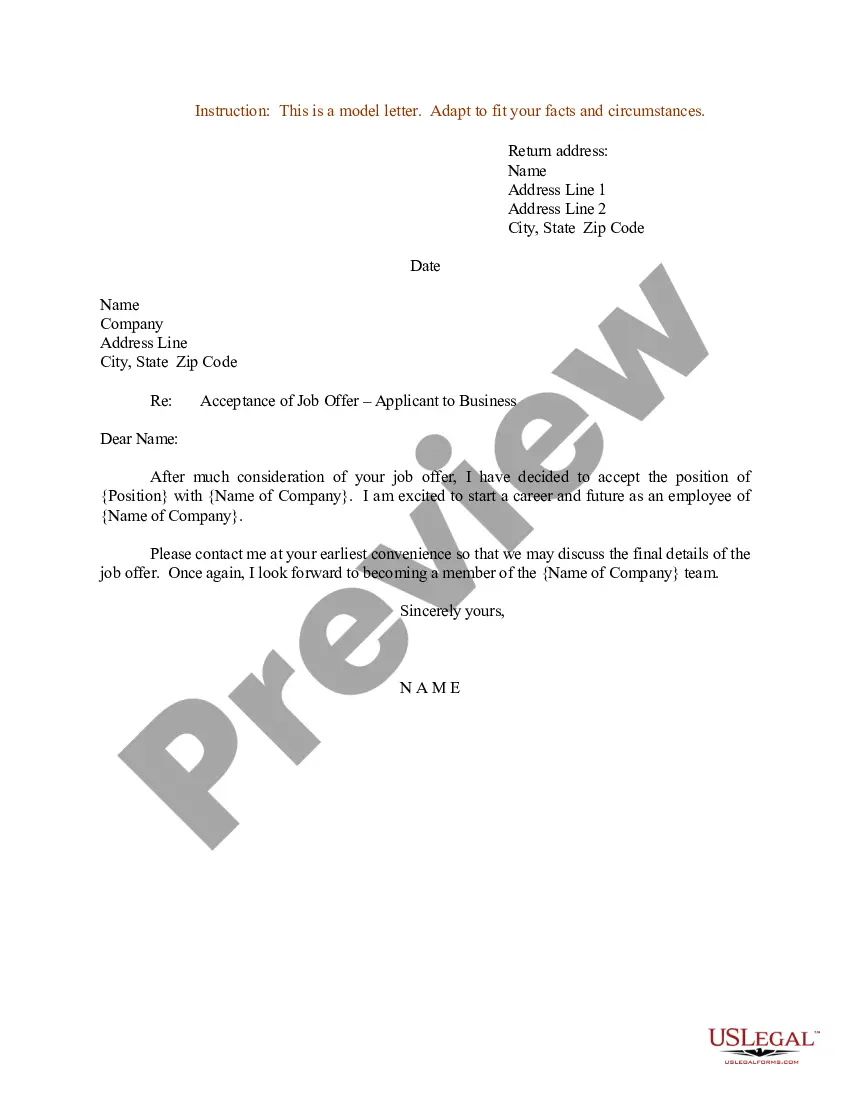
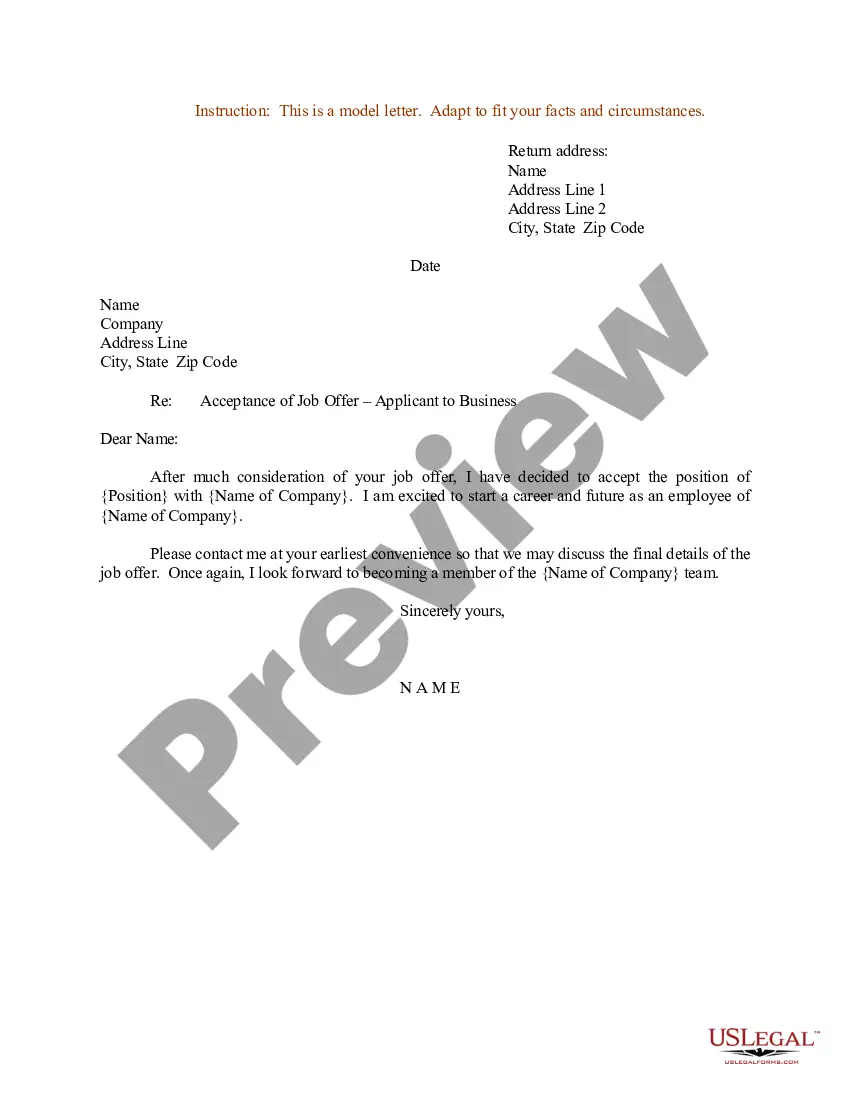
Acceptance Letter Format I am writing to confirm my acceptance of your employment offer from April 1. I am delighted to be joining International Engineering Corporation as a Project Manager. The work is exactly what I have prepared for and hoped to do.
Here are some examples of thank-you statements you might include in your letter: Thank you for your consideration and for taking the time to read this letter. Thank you for considering me to be a good fit for this college. Thank you for choosing me to take part in this program.
It's in the name – an acceptance letter is a type of professional letter used to formally respond to offers or requests. Most commonly, they're used to accept job offers, but they could also be used to accept an award, event invitation, or even a school placement. They're more than a formal way to say “yes”, though.

