Letter Acceptance For Project In Fairfax
Description

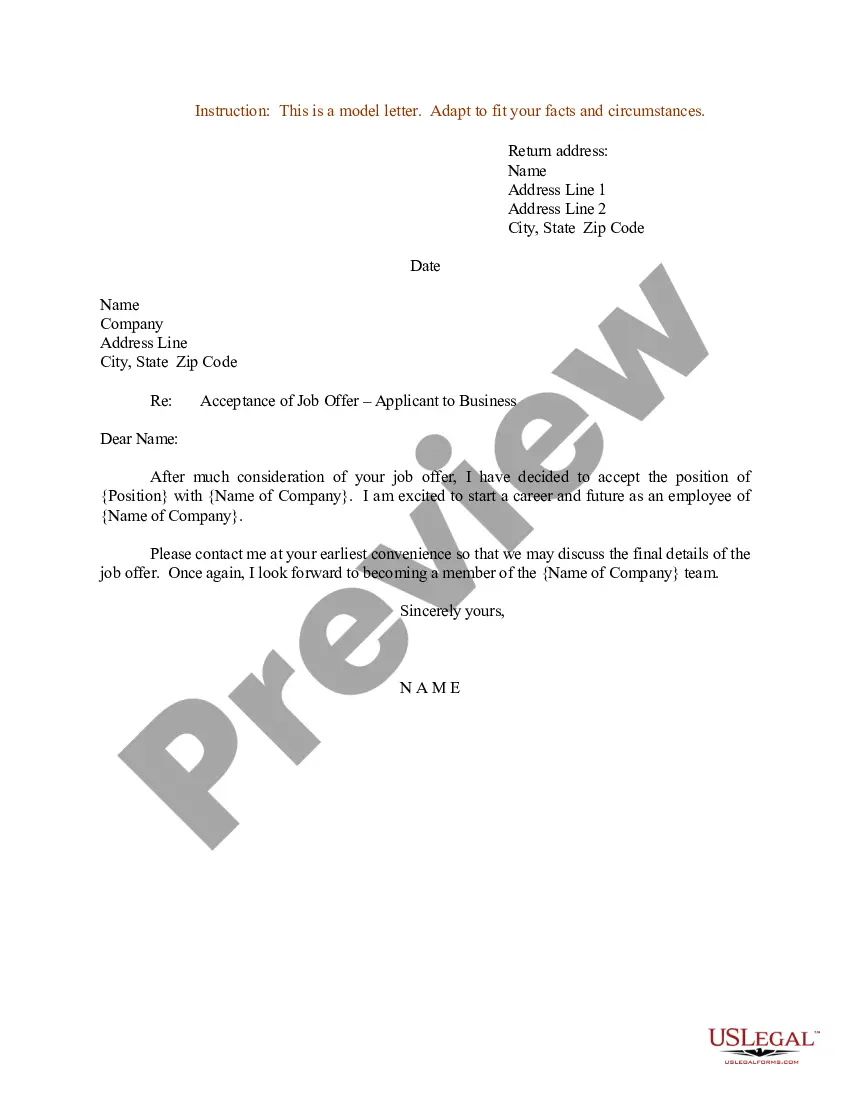
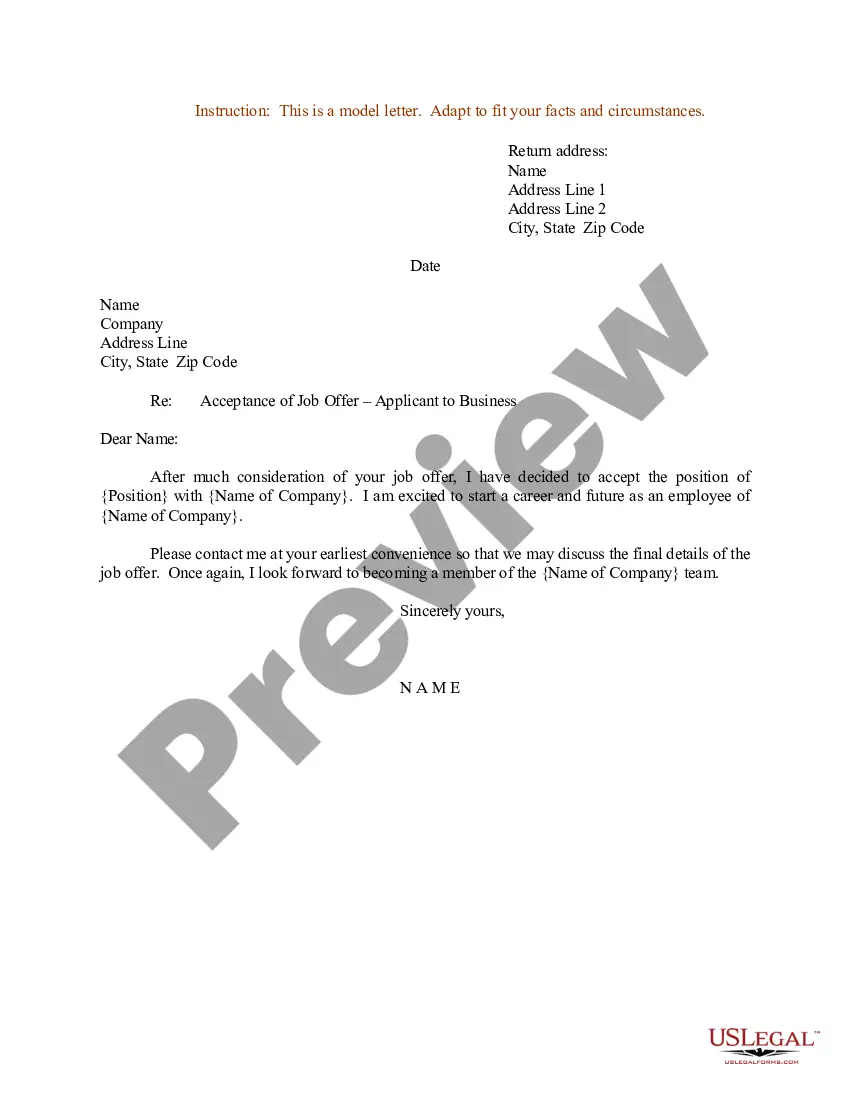
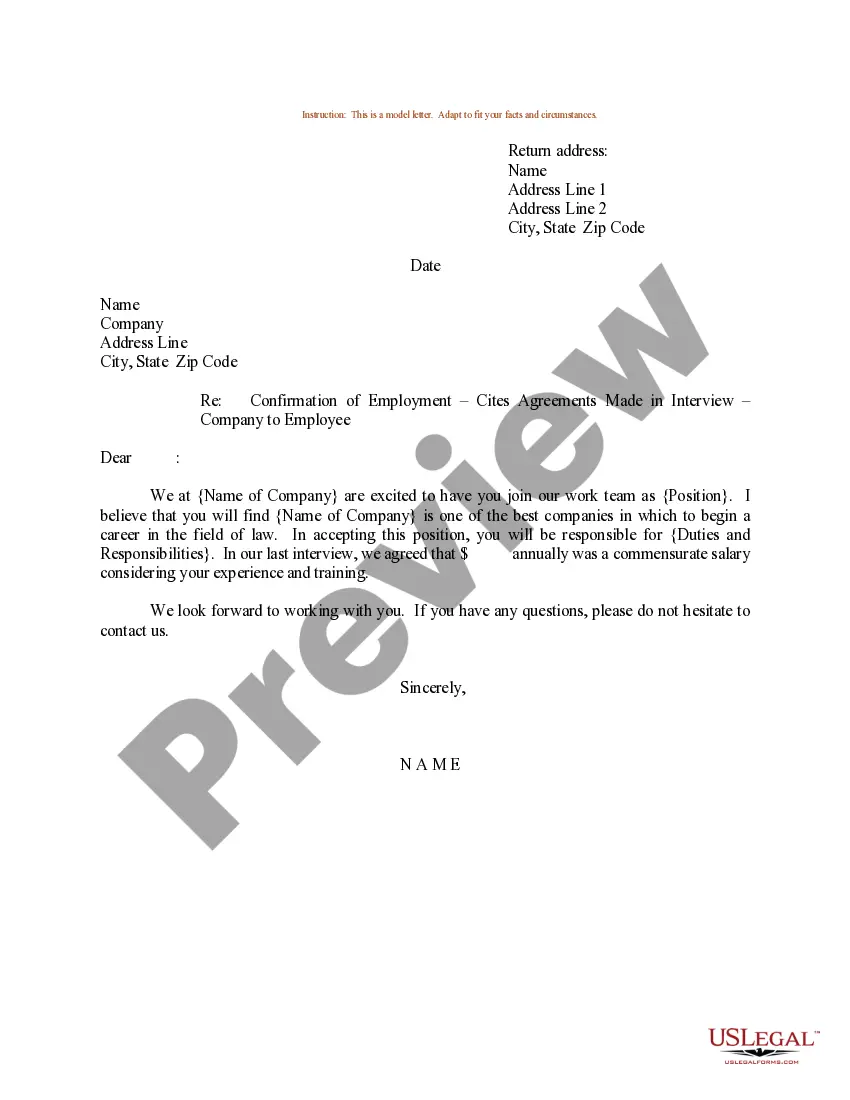
Get your form ready online
Our built-in tools help you complete, sign, share, and store your documents in one place.
Make edits, fill in missing information, and update formatting in US Legal Forms—just like you would in MS Word.
Download a copy, print it, send it by email, or mail it via USPS—whatever works best for your next step.
Sign and collect signatures with our SignNow integration. Send to multiple recipients, set reminders, and more. Go Premium to unlock E-Sign.
If this form requires notarization, complete it online through a secure video call—no need to meet a notary in person or wait for an appointment.
We protect your documents and personal data by following strict security and privacy standards.

Make edits, fill in missing information, and update formatting in US Legal Forms—just like you would in MS Word.

Download a copy, print it, send it by email, or mail it via USPS—whatever works best for your next step.

Sign and collect signatures with our SignNow integration. Send to multiple recipients, set reminders, and more. Go Premium to unlock E-Sign.

If this form requires notarization, complete it online through a secure video call—no need to meet a notary in person or wait for an appointment.

We protect your documents and personal data by following strict security and privacy standards.
Looking for another form?







Form popularity
FAQ
Contacting the Local Government or County Records Office In most cases, the local government or county assessor's office will have a copy of the plat map for your property on file. You can contact them to request a copy, and they can provide it in person or through mail or email.
Here are the best places to start your search for your local plat map: County clerk. County assessor. Office of the recorder of deeds.
An interpretation of the Zoning Ordinance is a written or verbal determination made by the Zoning Administrator that explains the applicability of specific provision(s) of the Fairfax County Zoning Ordinance based on the set of facts presented in the request.
Record Plat Call 703-222-0801, TTY 711. Monday through Thursday from 8 a.m. to 4 p.m. and Friday from a.m. to 4 p.m. LDS Permit Library: Access guides to navigate every record type in PLUS.
Record Plat Call 703-222-0801, TTY 711. Monday through Thursday from 8 a.m. to 4 p.m. and Friday from a.m. to 4 p.m. LDS Permit Library: Access guides to navigate every record type in PLUS. Letters to Industry: Subscribe for LDS announcements, notices, and tech bulletins.
They are: Agricultural/Rural Residential AR; Residential R-1; Residential R-2; Business B-1; Business B-2; Industrial M-1; and Planned Unit Development PUD. Each zoning classification has individual setback requirements, acceptable uses, and uses requiring special use and special exception approvals.
Zoning is how cities, such as Los Angeles, translate the citywide vision and goals of the General Plan into targeted land use regulations, providing guidance on the types of projects that can be constructed and the uses that are allowed.
A zoning ordinance is a rule that defines how property in specific geographic zones can be used. Zoning ordinances may also regulate lot size, placement, density, and the height of structures.
The I-5 District provides for a wide range of industrial and industrially-oriented business activities. Uses must minimize noise, smoke, glare, and other environmental pollutants on the uses within the district and on neighboring areas.
