Acceptance Letter To College In Fairfax
Description

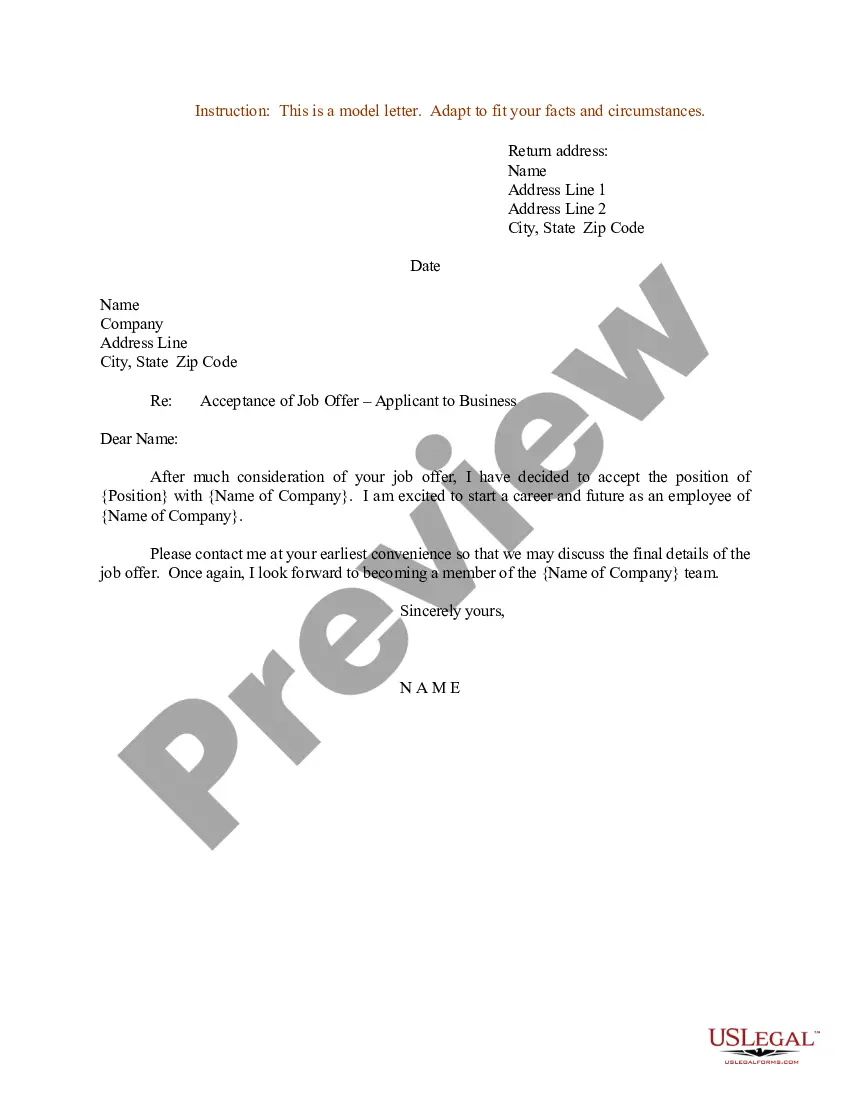
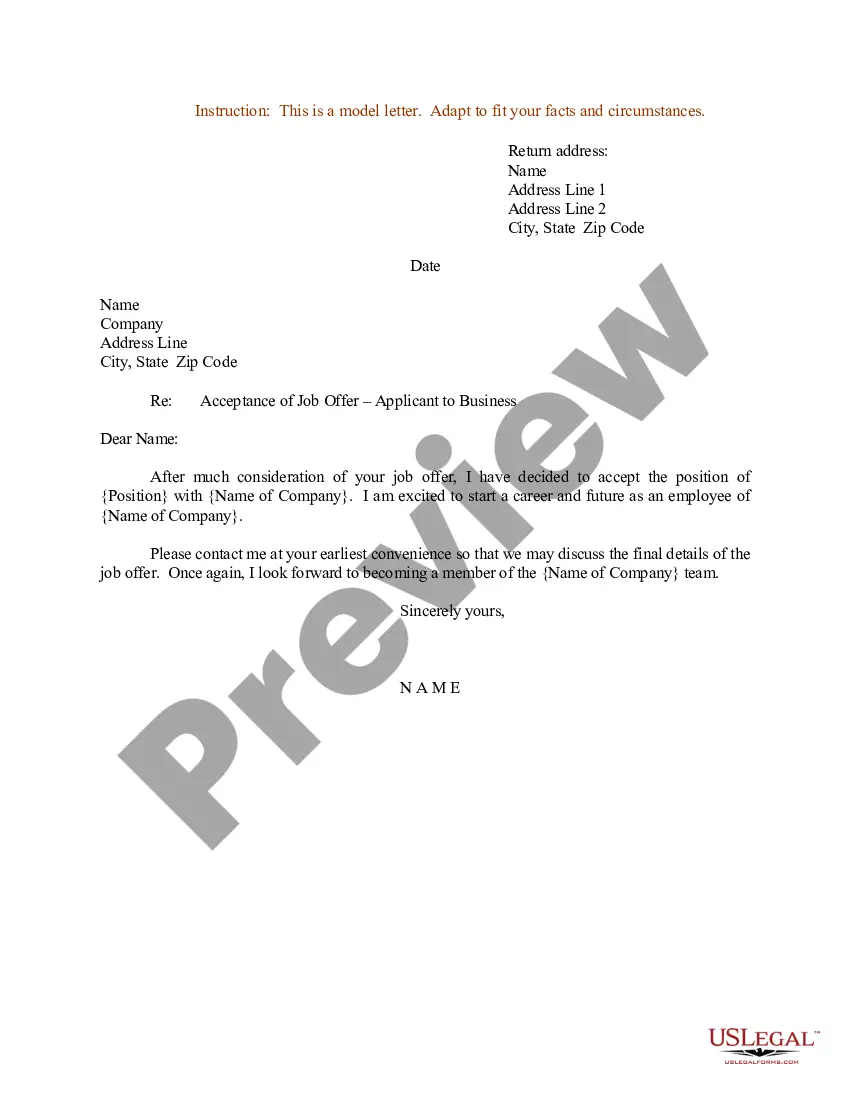
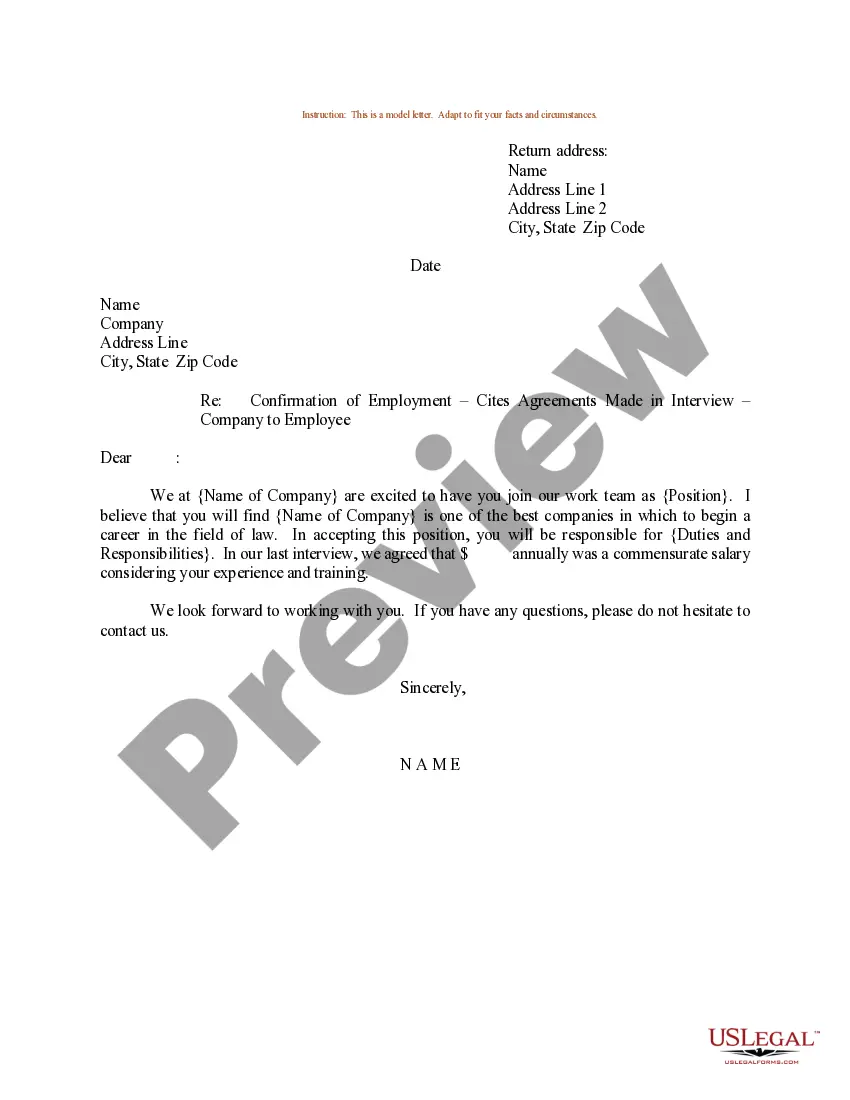
Get your form ready online
Our built-in tools help you complete, sign, share, and store your documents in one place.
Make edits, fill in missing information, and update formatting in US Legal Forms—just like you would in MS Word.
Download a copy, print it, send it by email, or mail it via USPS—whatever works best for your next step.
Sign and collect signatures with our SignNow integration. Send to multiple recipients, set reminders, and more. Go Premium to unlock E-Sign.
If this form requires notarization, complete it online through a secure video call—no need to meet a notary in person or wait for an appointment.
We protect your documents and personal data by following strict security and privacy standards.

Make edits, fill in missing information, and update formatting in US Legal Forms—just like you would in MS Word.

Download a copy, print it, send it by email, or mail it via USPS—whatever works best for your next step.

Sign and collect signatures with our SignNow integration. Send to multiple recipients, set reminders, and more. Go Premium to unlock E-Sign.

If this form requires notarization, complete it online through a secure video call—no need to meet a notary in person or wait for an appointment.

We protect your documents and personal data by following strict security and privacy standards.
Looking for another form?






Form popularity
FAQ
It can take a few weeks to a few months to hear back for a college admissions decision, depending on the type of application you submitted. Early applicants — such as early decision or early action — will generally hear back in December while regular decision applicants will receive their admission decision in April.
Once you've made a decision, it's time to accept the admission offer from your chosen school. Typically, you'll submit your decision along with an enrollment deposit. This is usually for around $200-$600, and since it's a deposit, it will be applied to your balance for the first semester.
The timing of decision emails depends on the specific college and their admissions process. Some colleges may send out all decisions (acceptances, rejections, and waitlists) simultaneously, while others might send them out in separate batches.
Hang in there—you'll know soon enough! Colleges that accept you will usually notify you of your acceptance between mid-March and mid-April, either through an email or as an update on your college application portal.
It can take a few weeks to a few months to hear back for a college admissions decision, depending on the type of application you submitted. Early applicants — such as early decision or early action — will generally hear back in December while regular decision applicants will receive their admission decision in April.
Colleges that accept you will usually notify you of your acceptance between mid-March and mid-April, either through an email or as an update on your college application portal.
Follow these steps to write an impressive college admission letter: Write your name and street address. Include the date. Address people and institutions by name. Include a salutation. State your purpose for applying to the school. Explain why you want to attend their school. Write a conclusion. Include a sign-off.
When do you apply for college? College application typeAdmission decision Early decision Mid-December Early action Mid-December to February Regular decision March to early April Rolling admissions 4 to 6 weeks after submission
Students usually receive acceptance letters through traditional mail, email, or as an update on your college application portal set up by the college. When applying to schools, keep track of how the school handles this process.
Many schools have pages within their admissions site with information on application numbers, admission rates, median GPAs, and test scores from the most-recently admitted class, and more. This can be as simple as searching “SCHOOL NAME + admitted student profile” or “SCHOOL NAME admission rate” on Google.

