Sample Letter Acceptance Job Offer With Another Job Offer In Dallas
Description
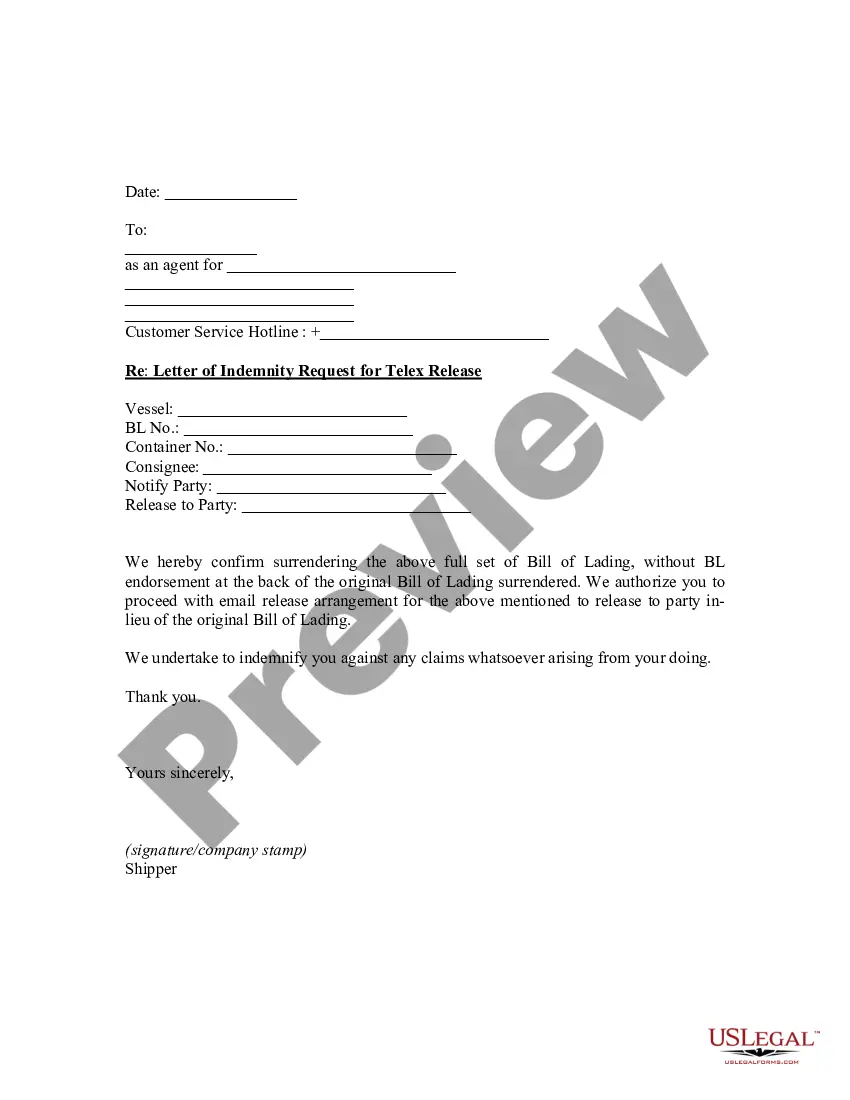
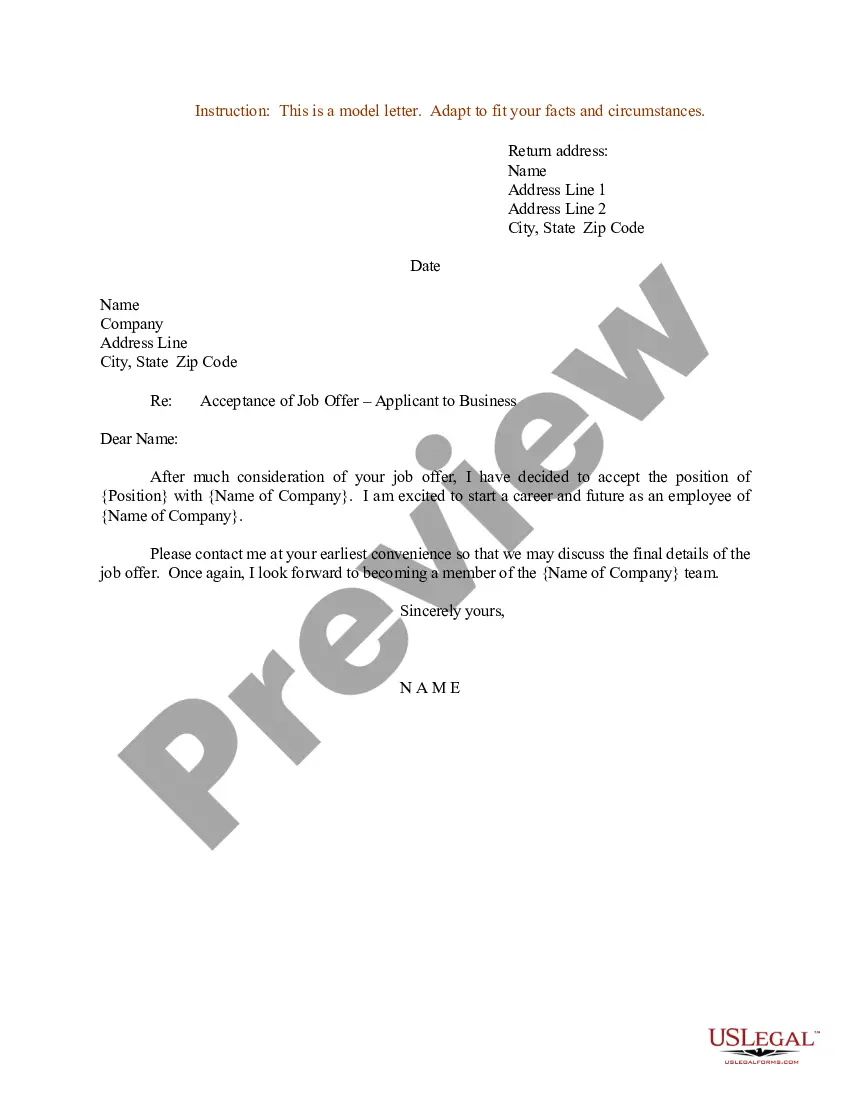
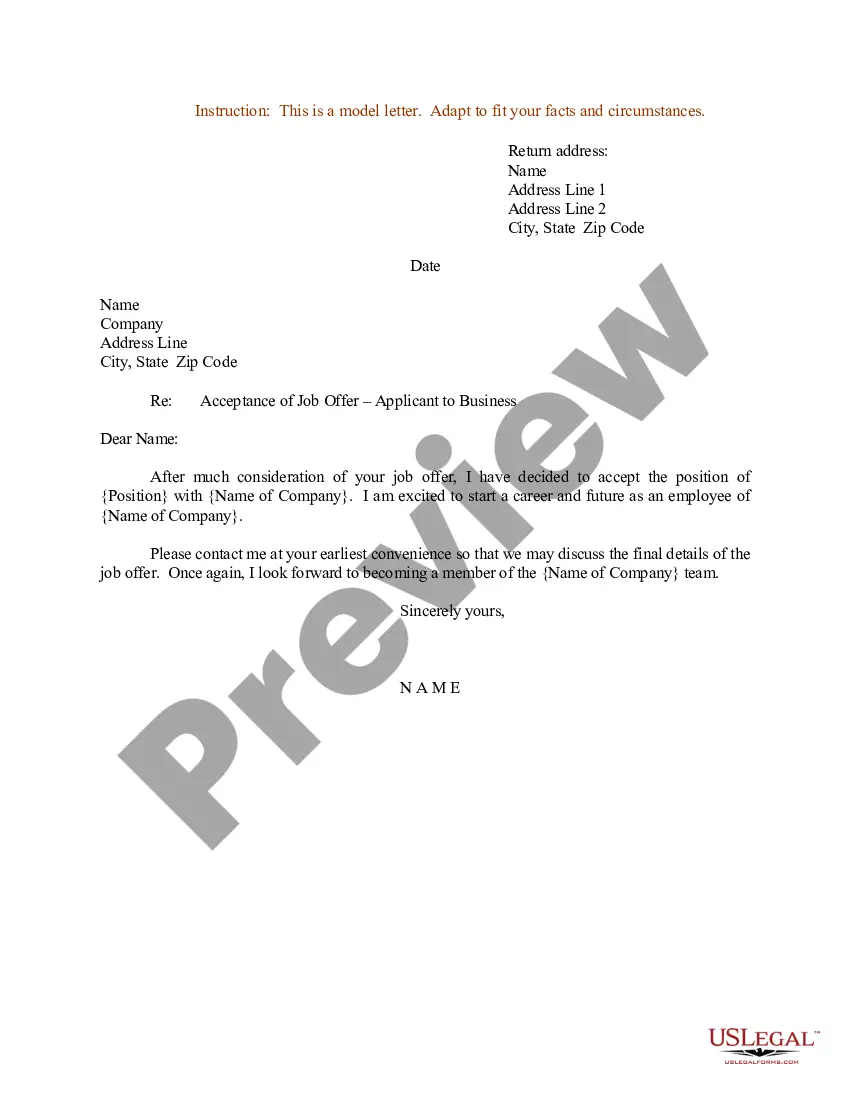
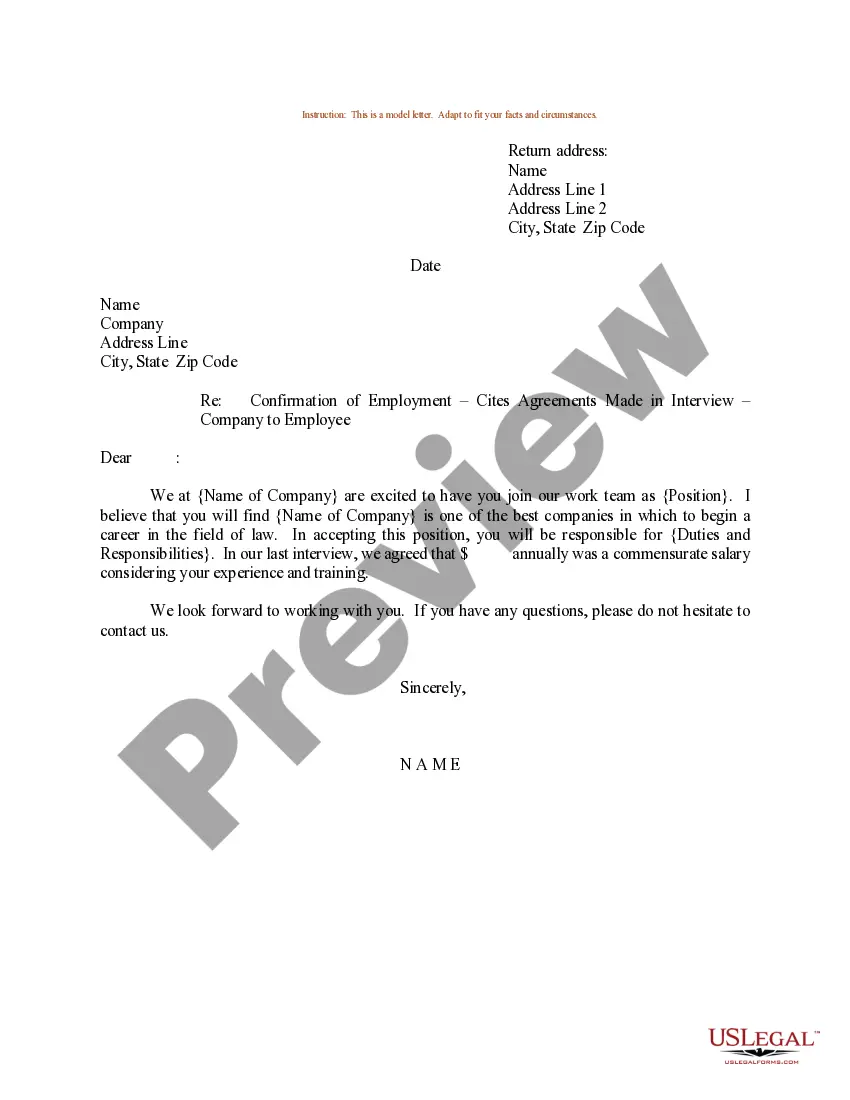
Get your form ready online
Our built-in tools help you complete, sign, share, and store your documents in one place.
Make edits, fill in missing information, and update formatting in US Legal Forms—just like you would in MS Word.
Download a copy, print it, send it by email, or mail it via USPS—whatever works best for your next step.
Sign and collect signatures with our SignNow integration. Send to multiple recipients, set reminders, and more. Go Premium to unlock E-Sign.
If this form requires notarization, complete it online through a secure video call—no need to meet a notary in person or wait for an appointment.
We protect your documents and personal data by following strict security and privacy standards.

Make edits, fill in missing information, and update formatting in US Legal Forms—just like you would in MS Word.

Download a copy, print it, send it by email, or mail it via USPS—whatever works best for your next step.

Sign and collect signatures with our SignNow integration. Send to multiple recipients, set reminders, and more. Go Premium to unlock E-Sign.

If this form requires notarization, complete it online through a secure video call—no need to meet a notary in person or wait for an appointment.

We protect your documents and personal data by following strict security and privacy standards.
Looking for another form?





Form popularity
FAQ
Ever wondered if it's okay to change your mind after accepting a job offer? The answer is YES! ? Just because you accept an offer doesn't mean you're legally bound to join the company. You can inform them before or on your start date that you've received a better offer. It works both ways—companies can also change thei.
Start by thanking the employer for the offer. Show appreciation for their interest in you. If you're happy in your current job but are considering the offer, it's fine to mention that. You can say you're evaluating your options but want to be transparent about your current employment.
Yes, it is generally acceptable to decline a job offer after initially accepting it, but it should be done thoughtfully and professionally. Here are some key considerations: Timing: The sooner you communicate your decision, the better. This allows the employer to move forward with their hiring process.
I am pleased to accept the job offer for the position of Job Title at Company Name. I'm excited to join the team and contribute to the company's success. As discussed, my joining date will be Start Date. I look forward to working with you and the rest of the team.
Explain that you have decided to accept a different offer, but do so tactfully. You could say ``After careful consideration, I have decided to accept a position that is a better fit for my career goals at this time.'' Avoid comparing the two offers or speaking negatively about the company you are turning down.
Ultimately, the decision to share your offer letter is yours. If you're uncomfortable doing so, you can politely decline and focus on negotiating based on your value to the company.
I am writing to formally accept the offer for the position of Job Title at Company Name. Thank you for this exciting opportunity. I am genuinely thrilled to join your team and contribute to the success of the organization. I confirm my start date as Start Date and agree to the terms outlined in the offer letter.
Tips For Writing A Good Offer Acceptance Email Use formal and professional language. Keep the email brief and concise. Express your gratitude towards the employer for offering you the job. Demonstrate your commitment and excitement for the job to reassure the employer that they made the right decision in hiring you.
Thank you for offering me the position of Name of Position at Name of Company. I am delighted to accept your offer and very excited to begin this journey. As we have previously discussed / As stated in the offer letter, I accept my starting salary of Salary for this position.
Be enthusiastic and polite when formally accepting their offer. (E.g.: I am delighted to officially accept the position of Head of Content at Bookster and be part of your team.) State and agree to the employment terms. If you've read and agreed to the employment terms, you mention so in your email.

