Job Offer Letter With Acceptance Signature In Collin
Description
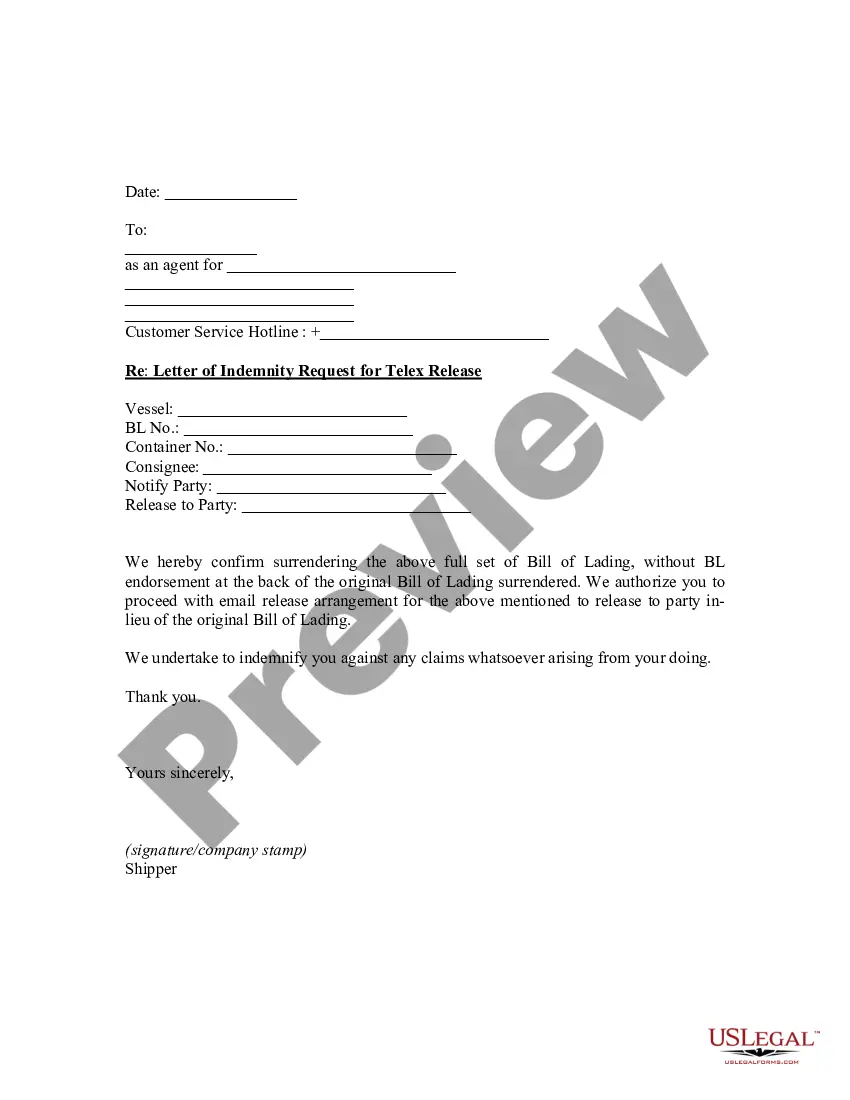
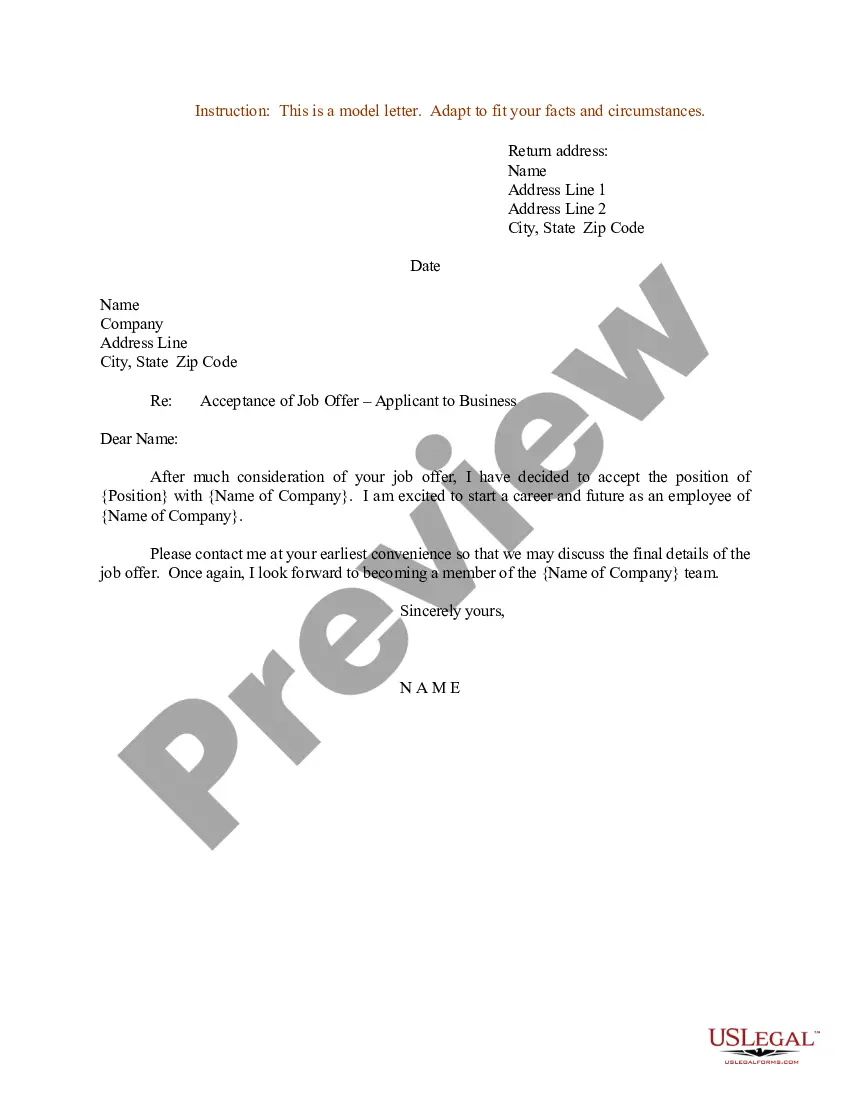
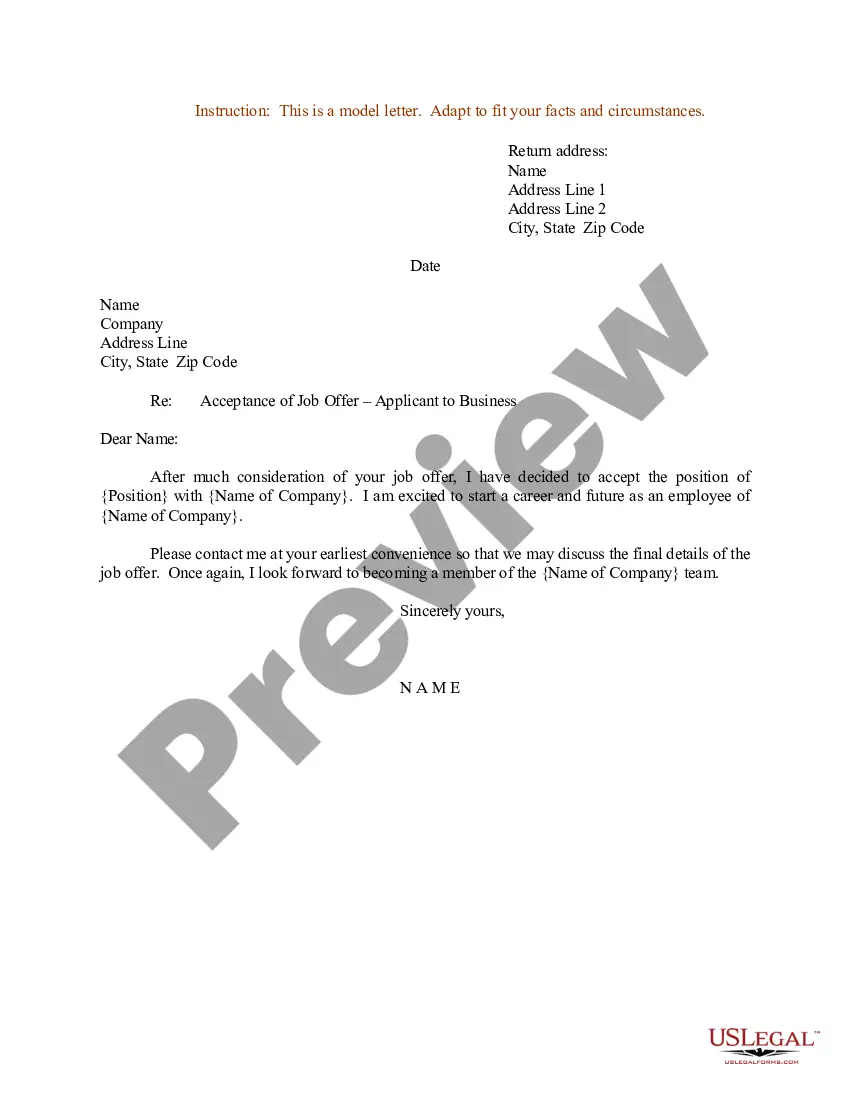
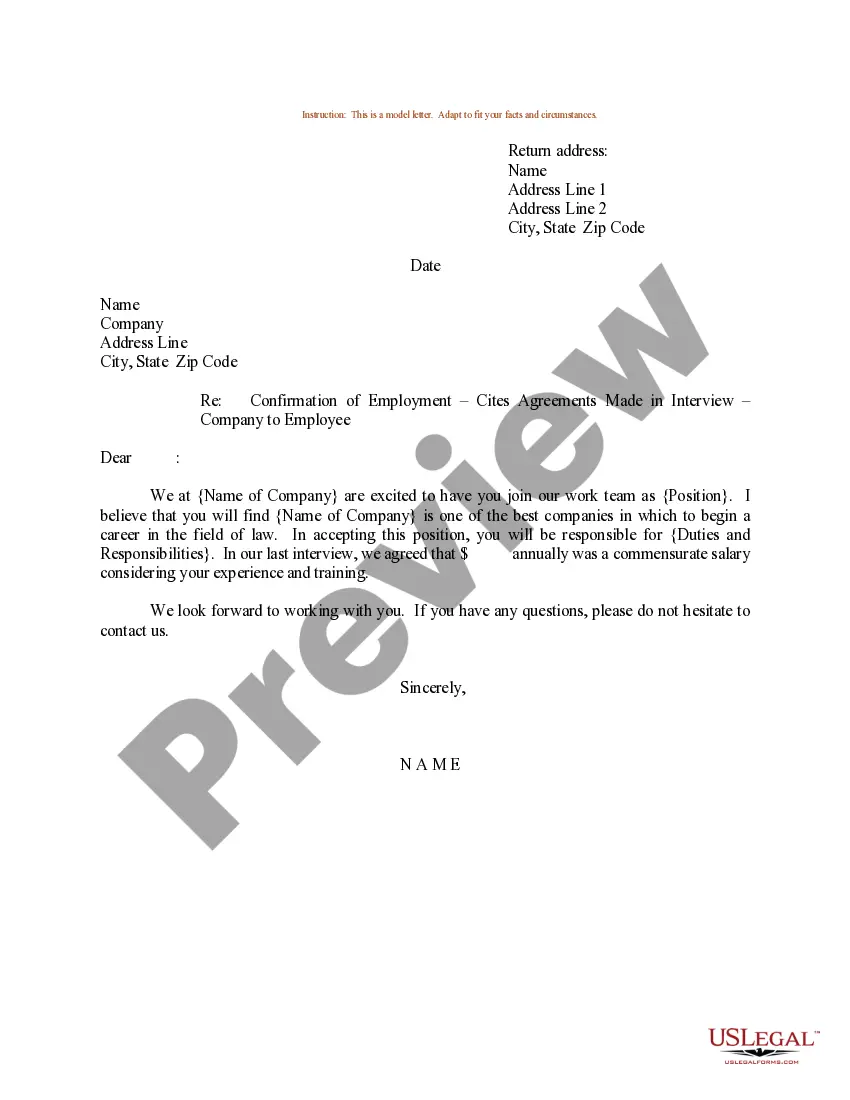
Get your form ready online
Our built-in tools help you complete, sign, share, and store your documents in one place.
Make edits, fill in missing information, and update formatting in US Legal Forms—just like you would in MS Word.
Download a copy, print it, send it by email, or mail it via USPS—whatever works best for your next step.
Sign and collect signatures with our SignNow integration. Send to multiple recipients, set reminders, and more. Go Premium to unlock E-Sign.
If this form requires notarization, complete it online through a secure video call—no need to meet a notary in person or wait for an appointment.
We protect your documents and personal data by following strict security and privacy standards.

Make edits, fill in missing information, and update formatting in US Legal Forms—just like you would in MS Word.

Download a copy, print it, send it by email, or mail it via USPS—whatever works best for your next step.

Sign and collect signatures with our SignNow integration. Send to multiple recipients, set reminders, and more. Go Premium to unlock E-Sign.

If this form requires notarization, complete it online through a secure video call—no need to meet a notary in person or wait for an appointment.

We protect your documents and personal data by following strict security and privacy standards.
Looking for another form?







Form popularity
FAQ
Here are key actions to consider after accepting a job offer to ensure a smooth transition and a positive start at your new company. Formalize Your Acceptance. Notify Your Current Employer. Manage the Transition. Understand Your New Role. Plan Your Commute and Work Logistics. Set Professional Goals. Prepare for the First Day.
In summary, while a job offer is a positive indication that you have been chosen for a role, it is not an absolute guarantee of employment until all conditions are met and you formally accept the offer.
Even if you've accepted the terms of the offer letter, it doesn't mean you have to go through and execute the employment agreement. The employer will probably talk about you agreeing to the terms, and now you're returning to us. So, it is most effective if you provide some context as to why it looked good initially.
How To Write An Offer Letter Acceptance Email Review your job offer. Read your job offer carefully. Start drafting your email. Write a concise subject line. Address your email to the right person. Express gratitude. Make a formal statement of acceptance. Conclude and sign. Format your email.
A signed offer letter can be legally binding to an extent, but it depends on the content and how it's presented. If it clearly outlines the key terms of employment, it may create a binding agreement. However, it's generally not as binding as a formal employment contract.
When accepting an offer letter, you will be asked to sign and return a copy of the document to the recruiter. This is a binding agreement between you and the company. Make sure you follow the best practices for accepting an offer letter.
While a signed offer letter is a formal part of the hiring process, it is not a legally binding contract in the same way that an employment contract is.
Yes, you can reject a job offer after accepting it, but it's important to handle the situation professionally to maintain a good relationship with the employer. Here are some steps to consider: Act Quickly: As soon as you realize you need to withdraw your acceptance, inform the employer.
Click on the 'Upload Document' button to upload the offer letter template in PDF format. Once the document is uploaded, click on the 'Signature' button in the toolbar. Select the 'Digital Signature' option from the drop-down menu.
How to write a letter of acceptance Address the letter to the recruiter. Express your gratitude for the offer. Confirm the terms of employment. Format your letter appropriately. Proofread your letter. Send your letter and follow up with the recruiter.

