Letter With Offer In Alameda
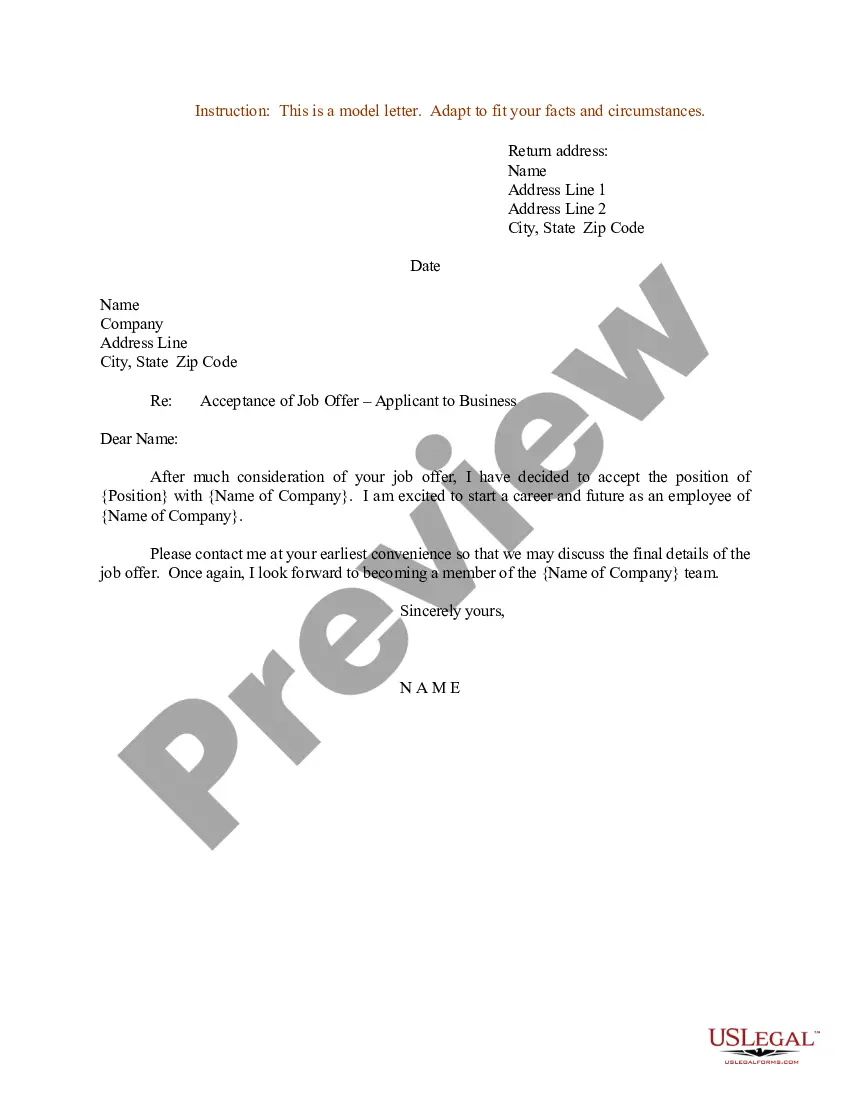
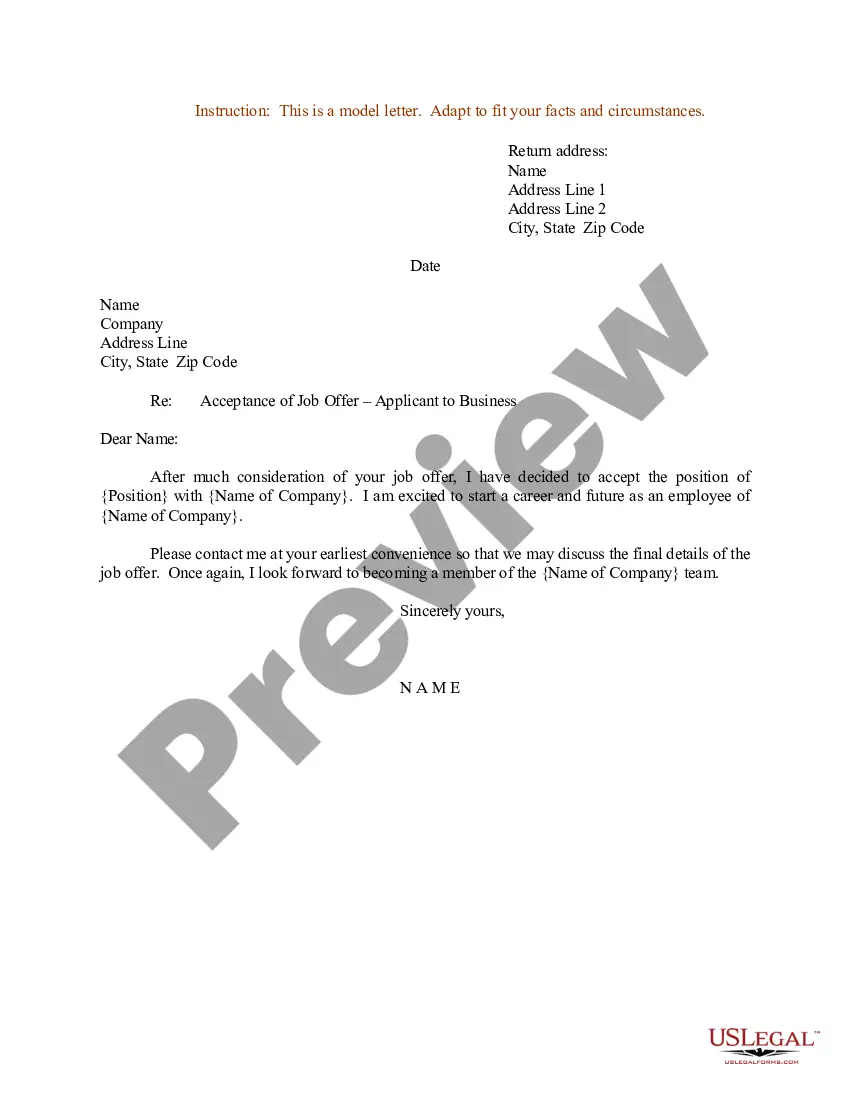
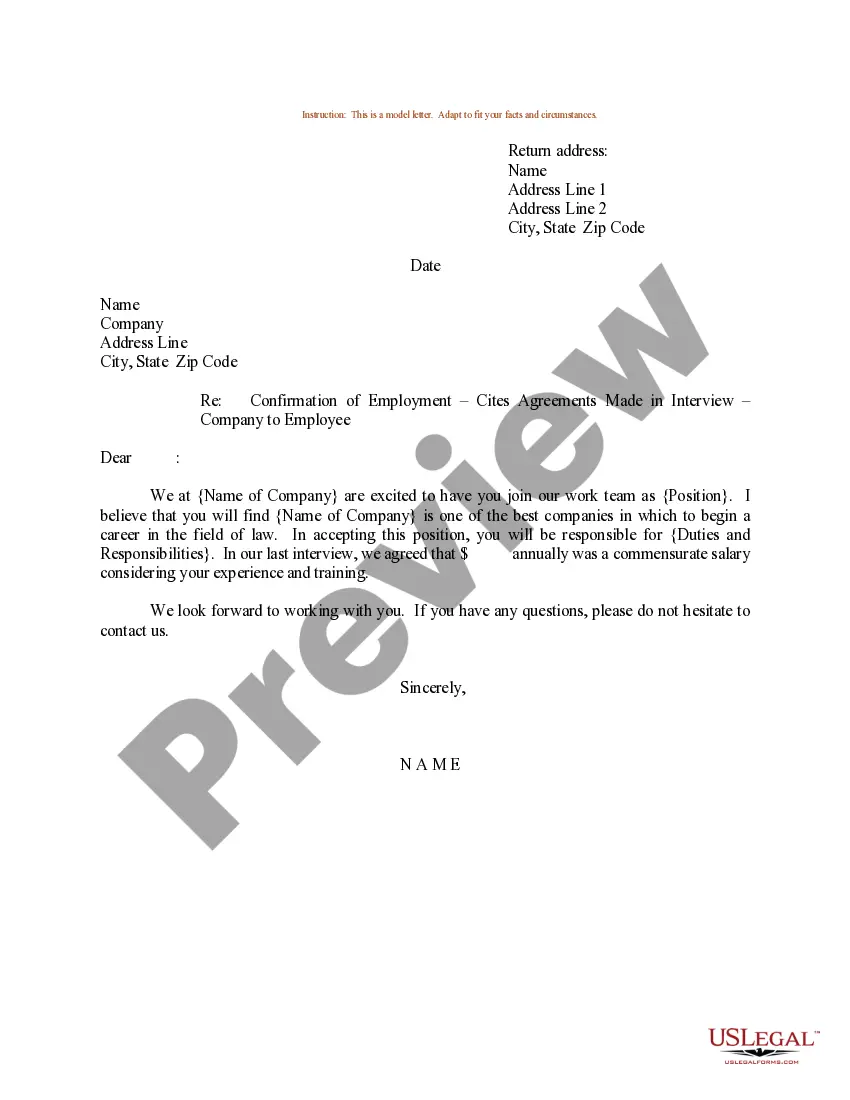
Description

Get your form ready online
Our built-in tools help you complete, sign, share, and store your documents in one place.
Make edits, fill in missing information, and update formatting in US Legal Forms—just like you would in MS Word.
Download a copy, print it, send it by email, or mail it via USPS—whatever works best for your next step.
Sign and collect signatures with our SignNow integration. Send to multiple recipients, set reminders, and more. Go Premium to unlock E-Sign.
If this form requires notarization, complete it online through a secure video call—no need to meet a notary in person or wait for an appointment.
We protect your documents and personal data by following strict security and privacy standards.

Make edits, fill in missing information, and update formatting in US Legal Forms—just like you would in MS Word.

Download a copy, print it, send it by email, or mail it via USPS—whatever works best for your next step.

Sign and collect signatures with our SignNow integration. Send to multiple recipients, set reminders, and more. Go Premium to unlock E-Sign.

If this form requires notarization, complete it online through a secure video call—no need to meet a notary in person or wait for an appointment.

We protect your documents and personal data by following strict security and privacy standards.
Looking for another form?



Form popularity
FAQ
Alameda County has courts in ten different locations. Here is a rundown of the locations of each courthouse in Alameda County.
The Superior Court of Alameda County has jurisdiction over Alameda County. It hears cases ranging from traffic violations to murder. The trial court handles all criminal and civil cases within the county.
Certified copies of divorce records can be requested through the superior court, either in-person or by mail. The George E. McDonald Hall of Justice is the courthouse in Alameda County that houses all divorce papers. For either option, start by filling out the county's civil records request form.
Superior Court of Alameda County.
The United States District Court for the Northern District of California has jurisdiction in Alameda County. Appeals from the Northern District go to the United States Court of Appeals for the 9th Circuit.
All Superior Courts in California have authority over a wide variety of case types: Civil Cases - Includes both limited civil cases ($35,000 or less) and unlimited civil cases (over $35,000). Criminal Cases - Both felony and misdemeanor crimes (including such offenses as driving under the influence).
In California, you can ask for a court order to change your legal name. To do this, you file a petition with the court and publish a notice in a newspaper. Then, you'll either have a court date (a hearing) where a judge will make a decision, or the judge may make a decision without a hearing.
A new hire probationary period at work is a short period of time — usually lasting between one and three months — where employers assess new employees for professional qualities like work ethic, adaptability, cultural fit, and attitude before offering them a permanent role.
Rule 3.31. Unless otherwise authorized by the court, discovery meet and confer obligations require an in-person, telephonic, or video conference between parties.
A probation period is essentially a trial period of employment during which someone is employed subject to successfully completing their probation. They're mainly used with new employees and vary in length, but typically last between one and six months.

