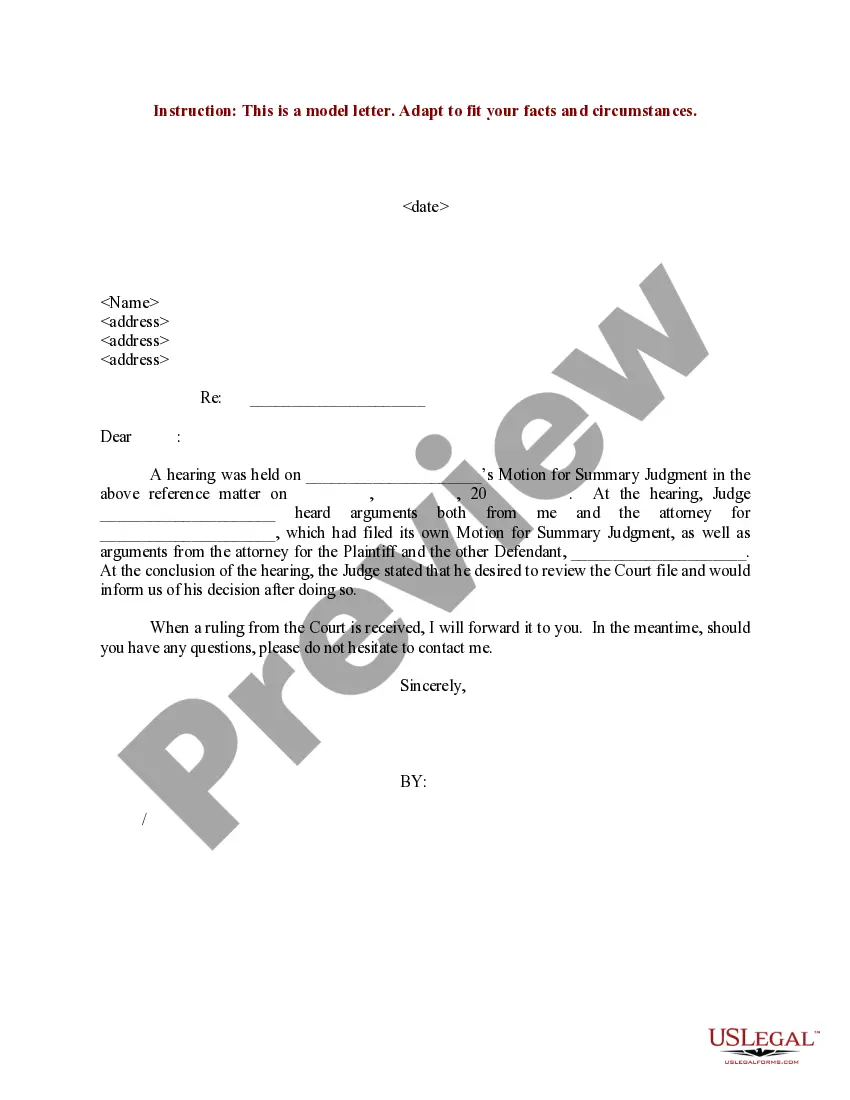
Motion Hearing In Court In Minnesota
Description
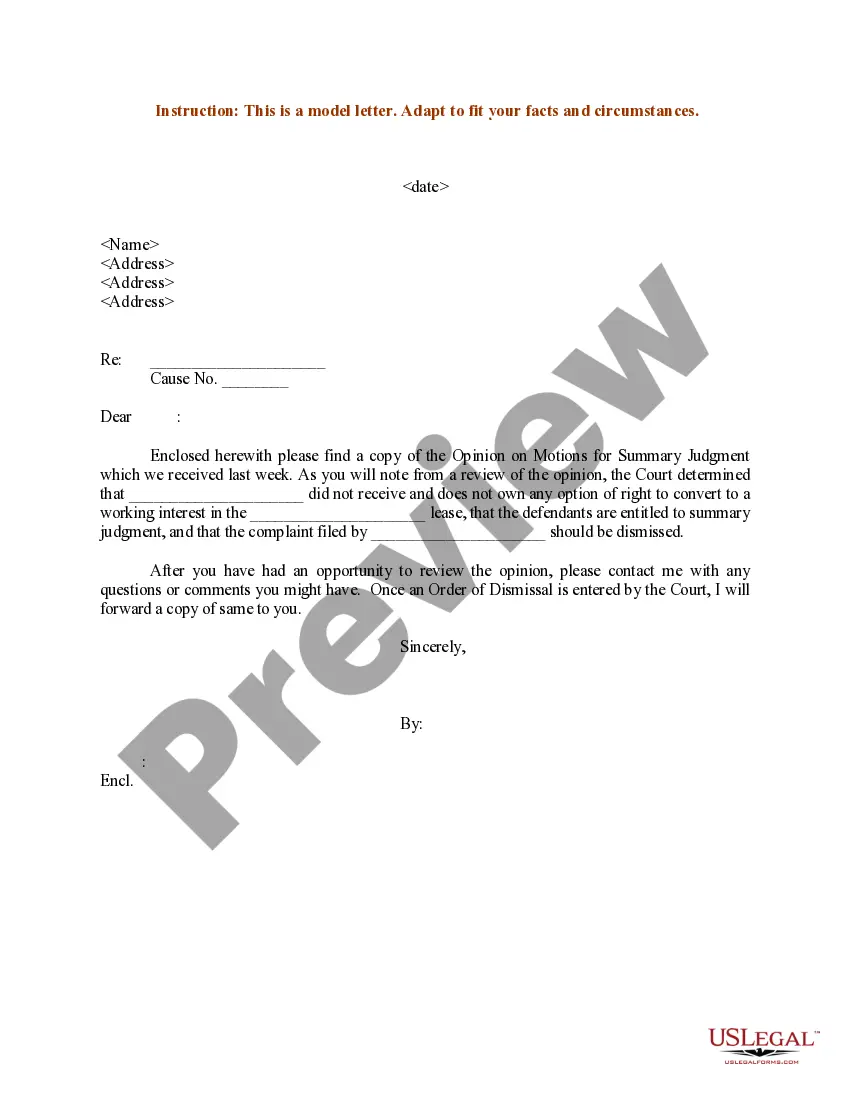
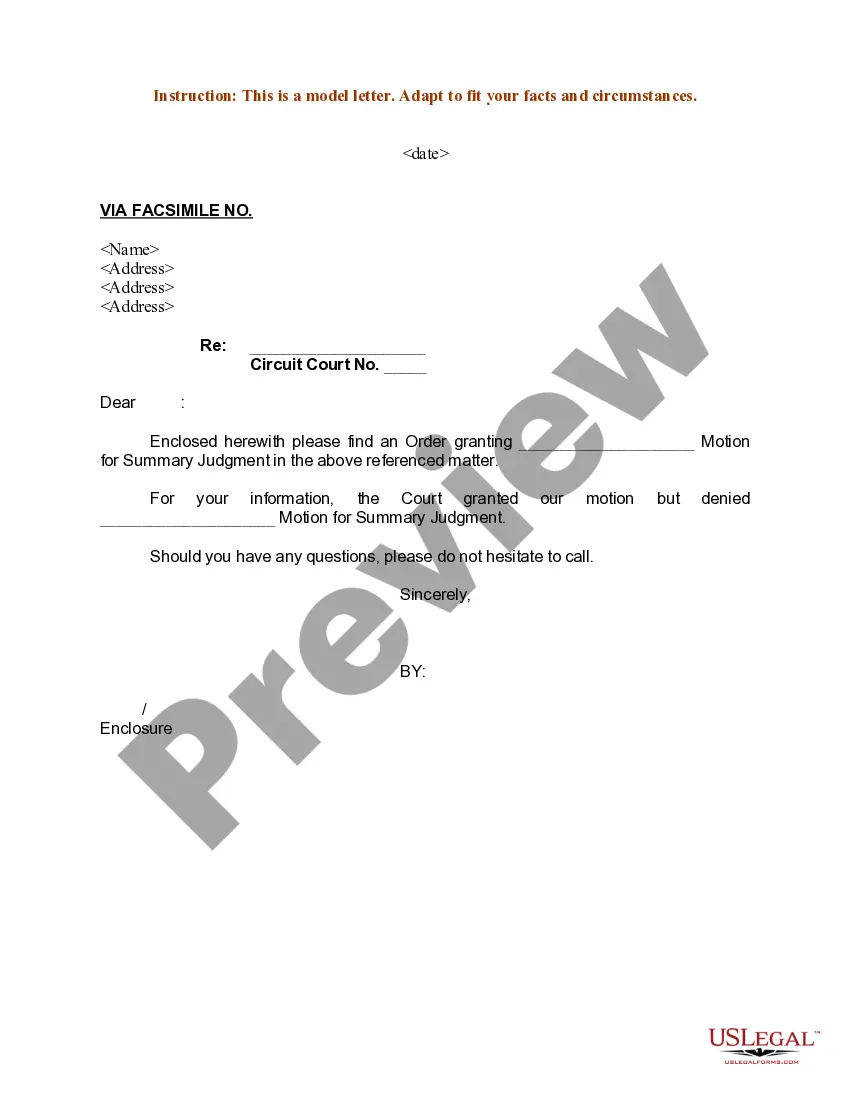
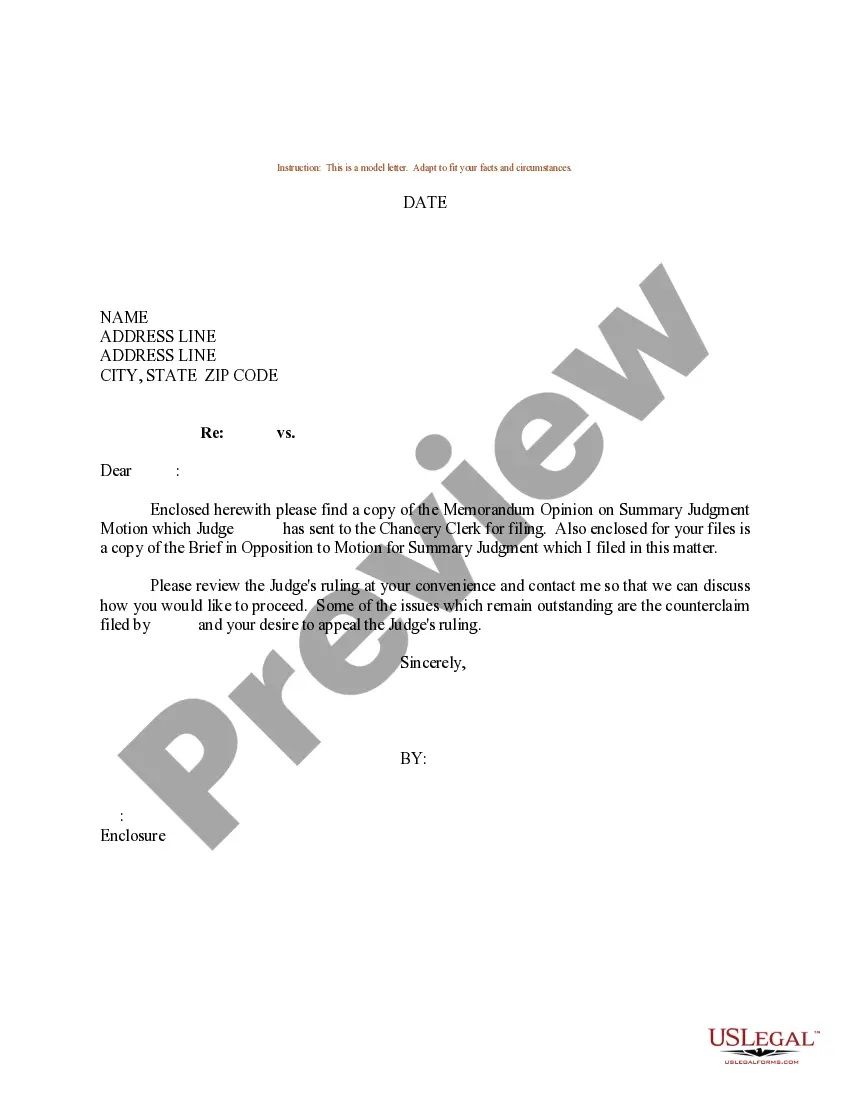
Get your form ready online
Our built-in tools help you complete, sign, share, and store your documents in one place.
Make edits, fill in missing information, and update formatting in US Legal Forms—just like you would in MS Word.
Download a copy, print it, send it by email, or mail it via USPS—whatever works best for your next step.
Sign and collect signatures with our SignNow integration. Send to multiple recipients, set reminders, and more. Go Premium to unlock E-Sign.
If this form requires notarization, complete it online through a secure video call—no need to meet a notary in person or wait for an appointment.
We protect your documents and personal data by following strict security and privacy standards.

Make edits, fill in missing information, and update formatting in US Legal Forms—just like you would in MS Word.

Download a copy, print it, send it by email, or mail it via USPS—whatever works best for your next step.

Sign and collect signatures with our SignNow integration. Send to multiple recipients, set reminders, and more. Go Premium to unlock E-Sign.

If this form requires notarization, complete it online through a secure video call—no need to meet a notary in person or wait for an appointment.

We protect your documents and personal data by following strict security and privacy standards.
Looking for another form?
Form popularity
FAQ
General format - each motion generally consists of a case caption, a title that briefly identifies the relief sought, a series of numbered paragraphs that explains -- in a logical way -- why you are entitled to that relief, a prayer for relief, a signature block, a certification that a copy of the motion was sent to ...
State Court: the moving party's motion and supporting documents are due at least 28 days before the hearing; the opposing party's response is due at least 14 days before the hearing; and moving party may submit a reply memorandum, limited to new legal or factual matters raised by an opposing party's response to a ...
If you want to file a motion, the process is generally something like this: You write your motion. You file your motion with the court clerk. The court clerk inserts the date and time your motion will be heard by the judge. You “serve” (mail) your motion to the other side.
A final order granting or denying a petition for an order for protection is appealable as a final order in a special proceeding. There are other types of orders that are appealable under statutes that apply to specific types of proceedings or under a decision of the Minnesota Supreme Court.
A motion is heard on a 24 day cycle, meaning that when you file a motion, you can expect that your case will be scheduled before a judge within approximately 24 days. There is often times a motion can be delayed when an adjournment is requested or when the court's calendar requires.
If you see a potential for a motion to dismiss, this is an opportunity to inform the client how much legal expertise is necessary for such a filing. In other words, they will be facing a daunting challenge trying to represent themselves and will likely need an attorney more than ever.
Rule 35 - Physical and Mental Examinations (a) ORDER FOR AN EXAMINATION. (1)In General. The court where the action is pending may order a party whose mental or physical condition-including blood group-is in controversy to submit to a physical or mental examination by a suitably licensed or certified examiner.
Rule 36. Requests for Admission Copies of documents shall be served with the request, unless they have been or are otherwise furnished or made available for inspection and copying. The request may, without leave of court, be served after service of the summons and complaint.
A final order granting or denying a petition for an order for protection is appealable as a final order in a special proceeding. There are other types of orders that are appealable under statutes that apply to specific types of proceedings or under a decision of the Minnesota Supreme Court.
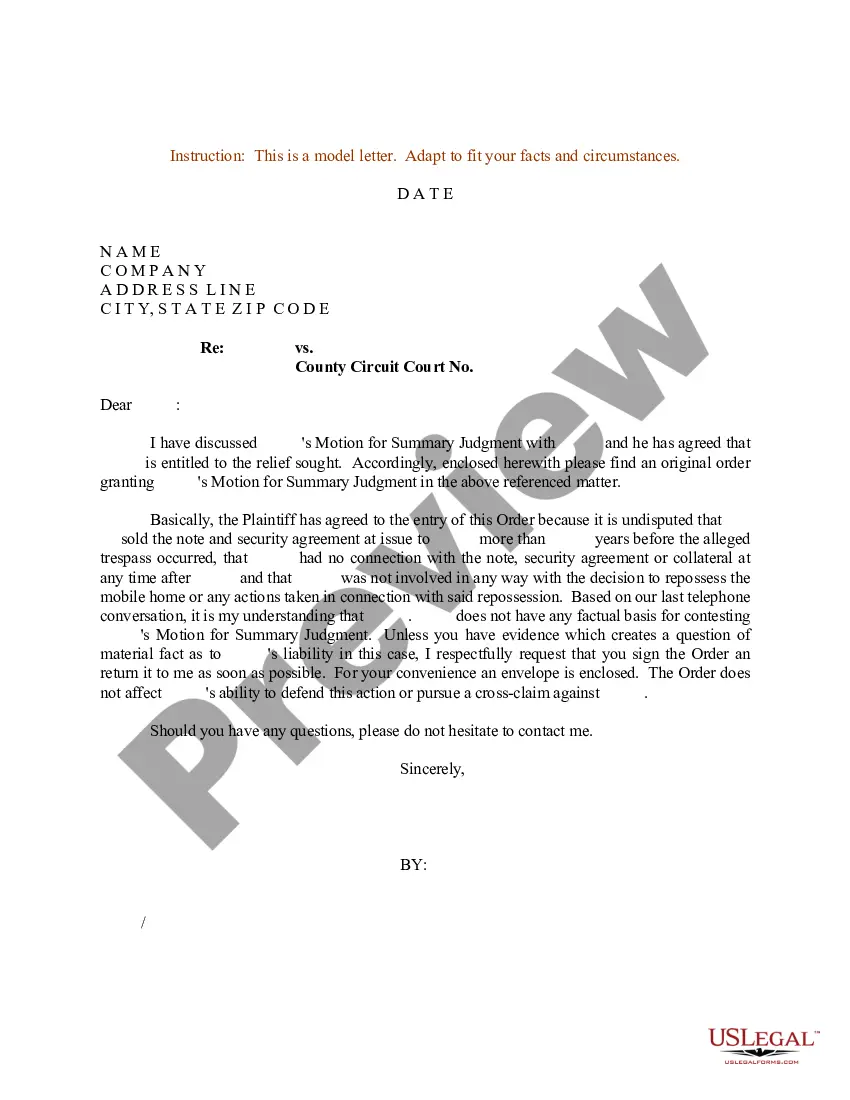
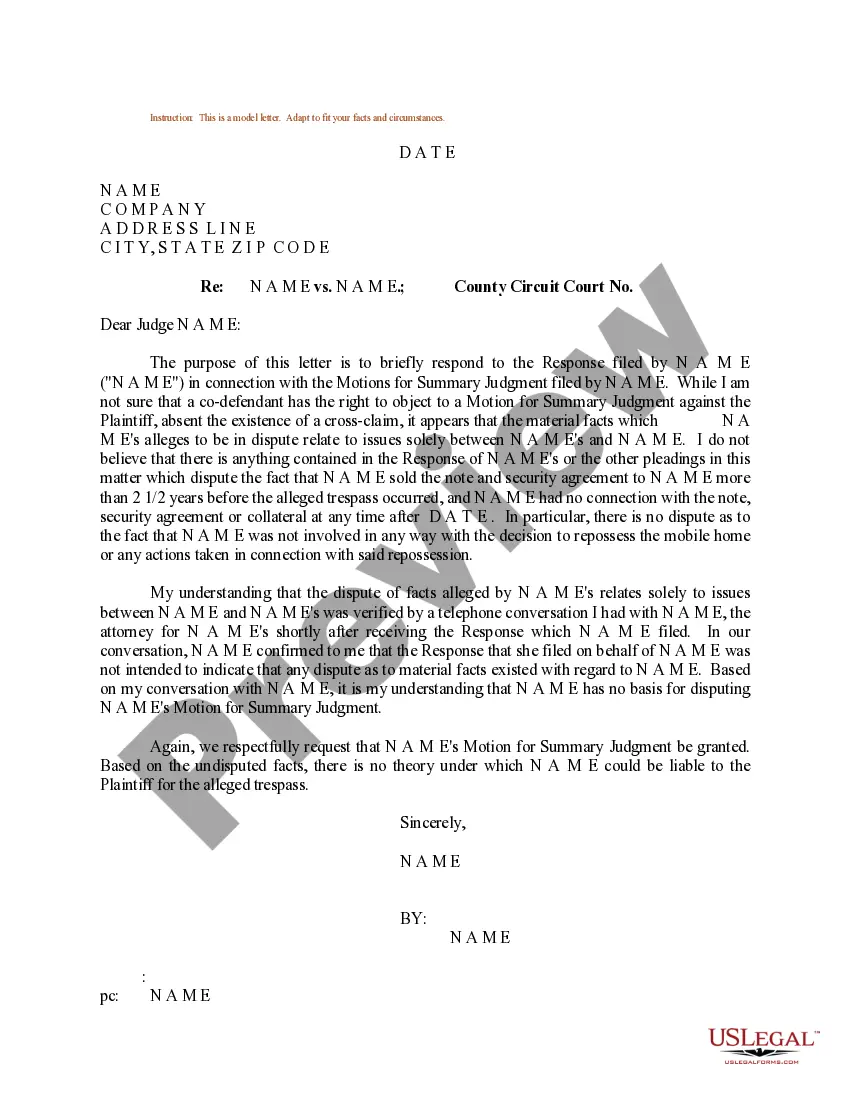
Rule 56. Summary Judgment The court shall grant summary judgment if the movant shows that there is no genuine issue as to any material fact and the movant is entitled to judgment as a matter of law. The court shall state on the record or in a written decision the reasons for granting or denying the motion.