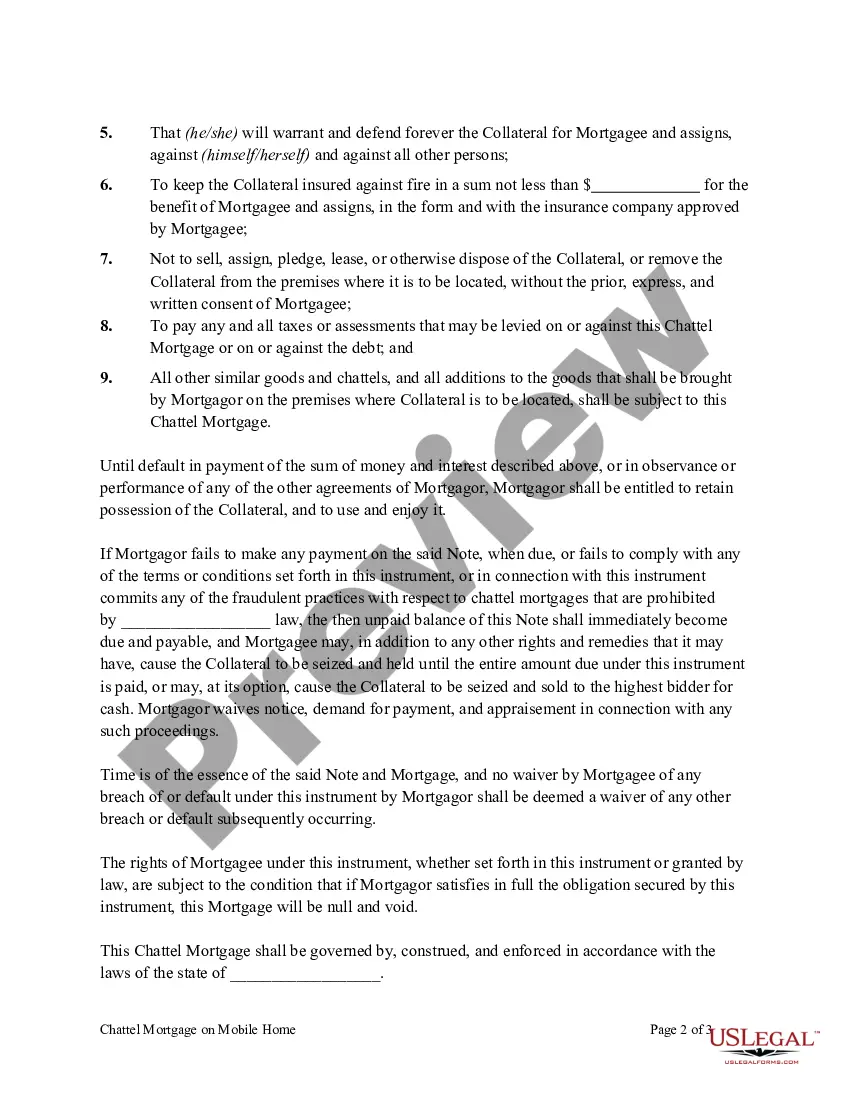
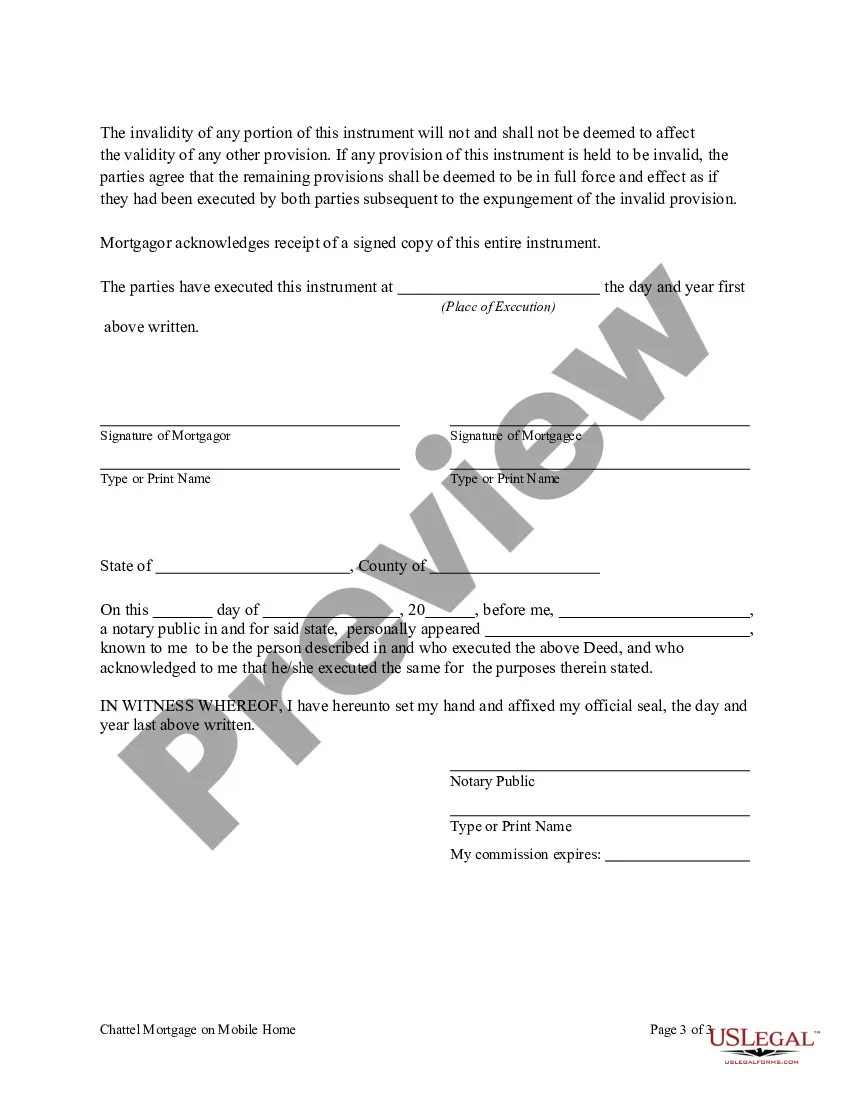
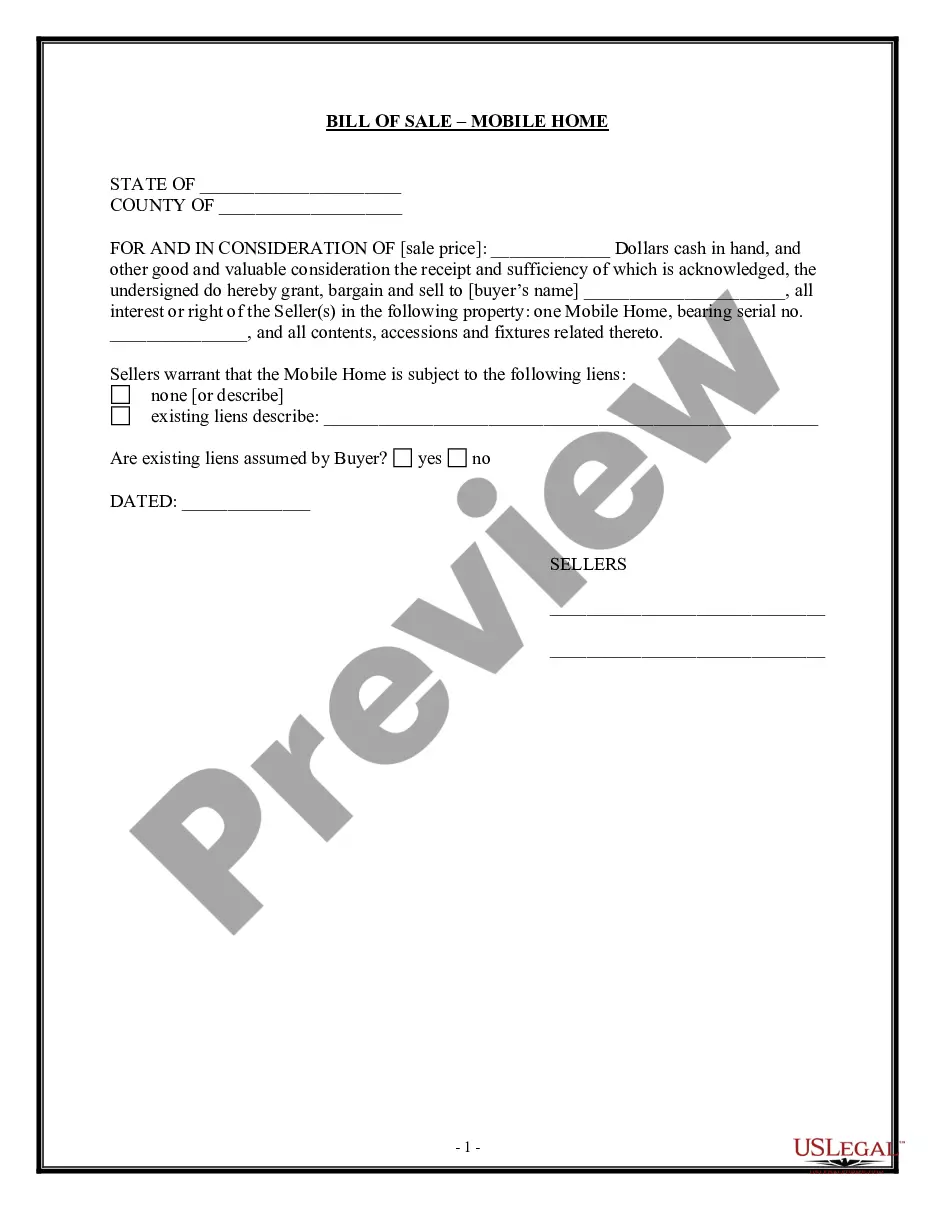
Chattel Mortgage Form With Promissory Note In San Antonio
Description

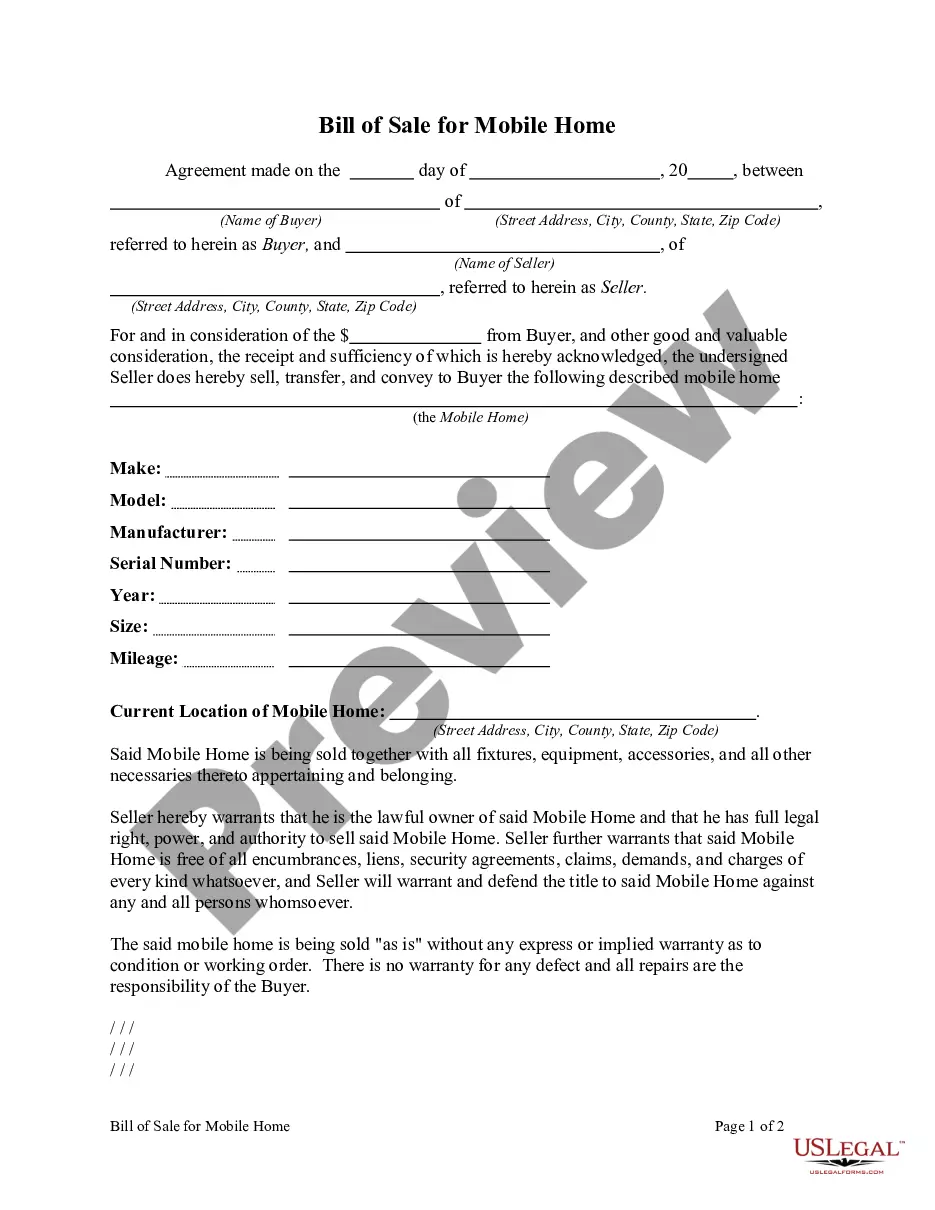
Get your form ready online
Our built-in tools help you complete, sign, share, and store your documents in one place.
Make edits, fill in missing information, and update formatting in US Legal Forms—just like you would in MS Word.
Download a copy, print it, send it by email, or mail it via USPS—whatever works best for your next step.
Sign and collect signatures with our SignNow integration. Send to multiple recipients, set reminders, and more. Go Premium to unlock E-Sign.
If this form requires notarization, complete it online through a secure video call—no need to meet a notary in person or wait for an appointment.
We protect your documents and personal data by following strict security and privacy standards.

Make edits, fill in missing information, and update formatting in US Legal Forms—just like you would in MS Word.

Download a copy, print it, send it by email, or mail it via USPS—whatever works best for your next step.

Sign and collect signatures with our SignNow integration. Send to multiple recipients, set reminders, and more. Go Premium to unlock E-Sign.

If this form requires notarization, complete it online through a secure video call—no need to meet a notary in person or wait for an appointment.

We protect your documents and personal data by following strict security and privacy standards.
Looking for another form?



Form popularity
FAQ
DO THE NOTES NEED TO BE REGISTERED? Most promissory notes must be registered as securities with the SEC and the states in which they're being sold. But remember that some promissory notes, such as those that have nine-month or shorter terms, may be “exempt.” That means that they don't have to be registered.
In the United States, the Internal Revenue Service governs the taxation aspects of promissory notes. Specifically, the interest income received from a promissory note is taxable and should be reported, whereas the principal amount usually does not have tax implications unless the note is forgiven or canceled.
Additionally, although those selling them might not know or admit it, promissory notes are usually securities and must be registered with the SEC or the state in which they're sold—or they must have a specific exemption from registration under the law.
Yes, a properly executed promissory note is legally binding. As long as the note contains all necessary elements, is signed by the involved parties, and complies with applicable laws, it's enforceable in court if the borrower defaults or fails to meet their obligations.
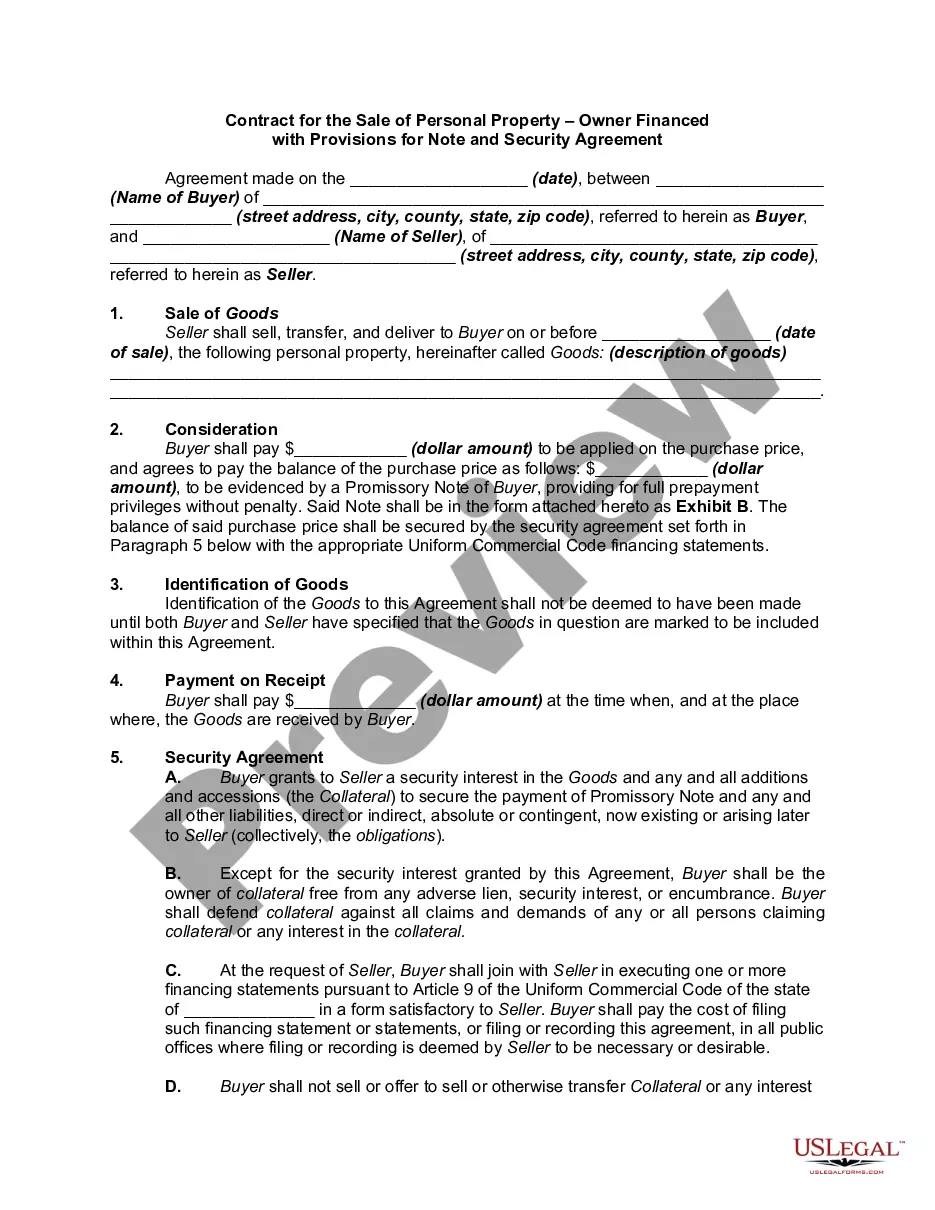
A promissory note secured by collateral will need a second document. If the collateral is real property, there will be either a mortgage or a deed of trust. If the collateral is personal property, there will be a security agreement.
If you lost your mortgage note copy, request another one from your mortgage lender or servicer. Some lenders require you to make this request in writing. You could also try to retrieve a copy through your local recording office.
Unless the lender uses a different document or terminology for “promissory note,” there typically wouldn't be a mortgage in place without a promissory note.