Chattel Mortgage Form Format In Queens
Description

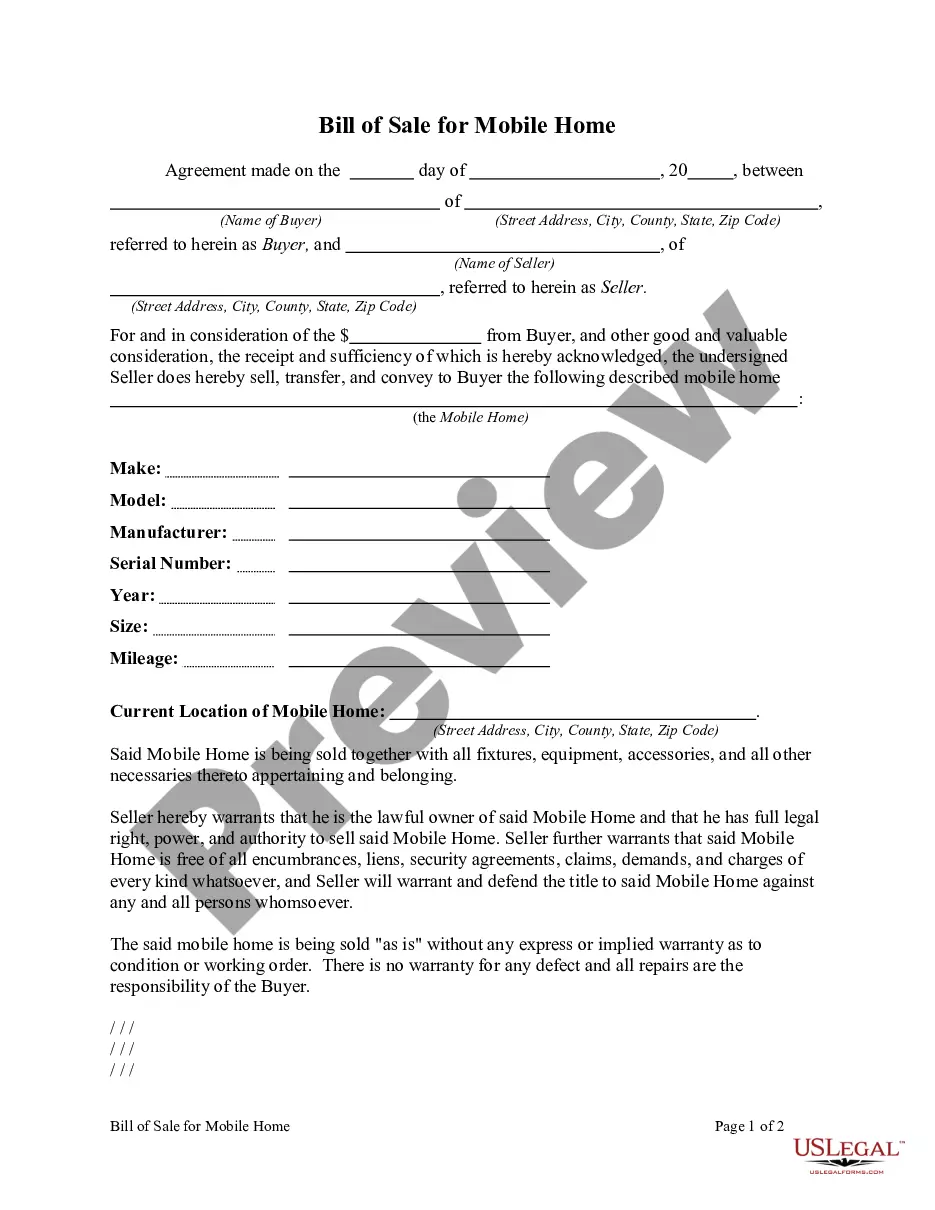
Get your form ready online
Our built-in tools help you complete, sign, share, and store your documents in one place.
Make edits, fill in missing information, and update formatting in US Legal Forms—just like you would in MS Word.
Download a copy, print it, send it by email, or mail it via USPS—whatever works best for your next step.
Sign and collect signatures with our SignNow integration. Send to multiple recipients, set reminders, and more. Go Premium to unlock E-Sign.
If this form requires notarization, complete it online through a secure video call—no need to meet a notary in person or wait for an appointment.
We protect your documents and personal data by following strict security and privacy standards.

Make edits, fill in missing information, and update formatting in US Legal Forms—just like you would in MS Word.

Download a copy, print it, send it by email, or mail it via USPS—whatever works best for your next step.

Sign and collect signatures with our SignNow integration. Send to multiple recipients, set reminders, and more. Go Premium to unlock E-Sign.

If this form requires notarization, complete it online through a secure video call—no need to meet a notary in person or wait for an appointment.

We protect your documents and personal data by following strict security and privacy standards.
Looking for another form?








Form popularity
FAQ
Step 1 – Obtain Quitclaim Deed Form. Step 2 – Fill in the Preparer's Details. Step 3 – Document Consideration. Step 4 – Write Grantor's Information. Step 5 – Enter Grantee's Details. Step 6 – Fill in Property County. Step 7 – Note Property Legal Description. Step 8 – Get Deed Notarized.
To change a deed in New York City, you will need a deed signed and notarized by the grantor. The deed must also be filed and recorded with the Office of the City Register. Transfer documents identifying if any taxes are due must also be filed and recorded with the City Register.
How to File a Quitclaim Deed in New York Step 1 - Obtain Quitclaim Deed Form. Step 2 - Fill in the Preparer's Details. Step 3 - Document Consideration. Step 4 - Write Grantor's Information. Step 5 - Enter Grantee's Details. Step 6 - Fill in Property County. Step 7 - Note Property Legal Description. Step 8 - Get Deed Notarized.
The type of deed you should use depends on the type of transaction and your desired level of protection. Generally, a quitclaim deed is ideal for situations involving only transfer of ownership between parties that explicitly trust one another and have no doubts about the title of the property.
Form TP-584-REIT Combined Real Estate Transfer Tax Return and Credit Line Mortgage Certificate for Real Estate Investment Trust.
To change a deed in New York City, you will need a deed signed and notarized by the grantor. The deed must also be filed and recorded with the Office of the City Register. Transfer documents identifying if any taxes are due must also be filed and recorded with the City Register.
Execution – A deed must be in writing and signed by the grantor(s). Generally, deeds conveying a homestead estate must also be signed by the grantor's spouse.
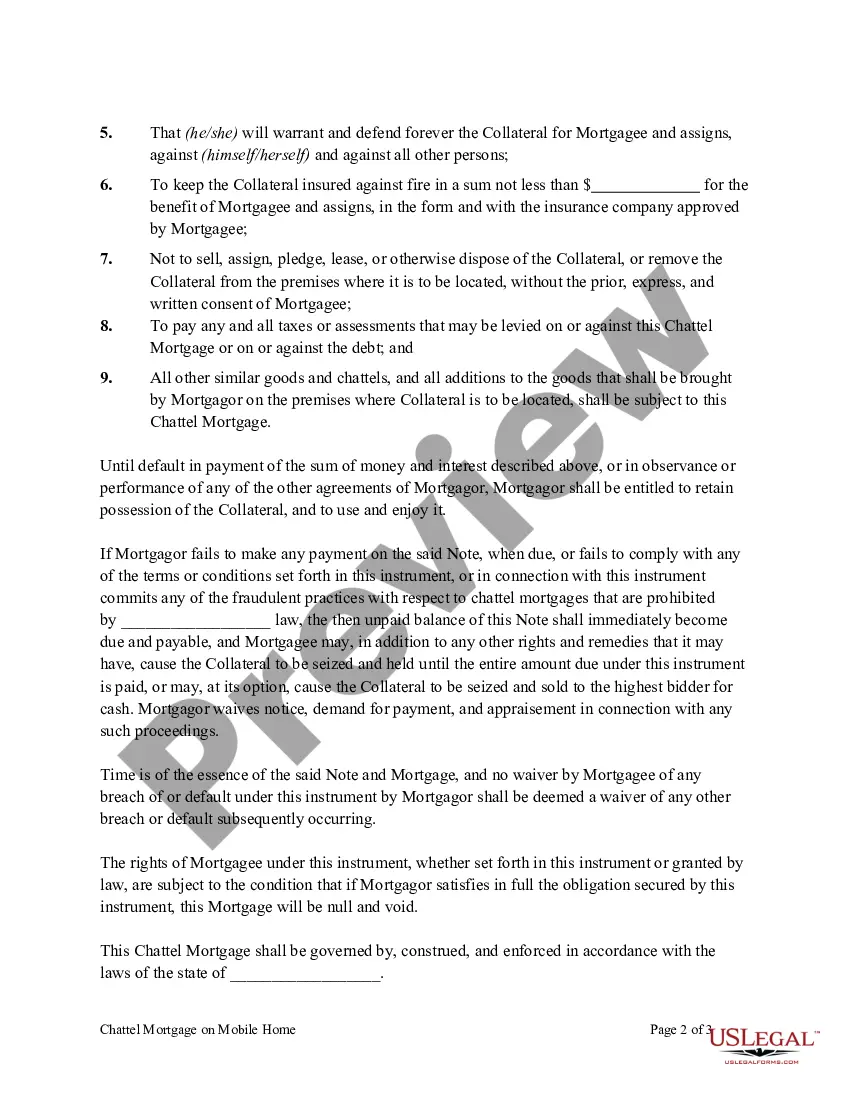
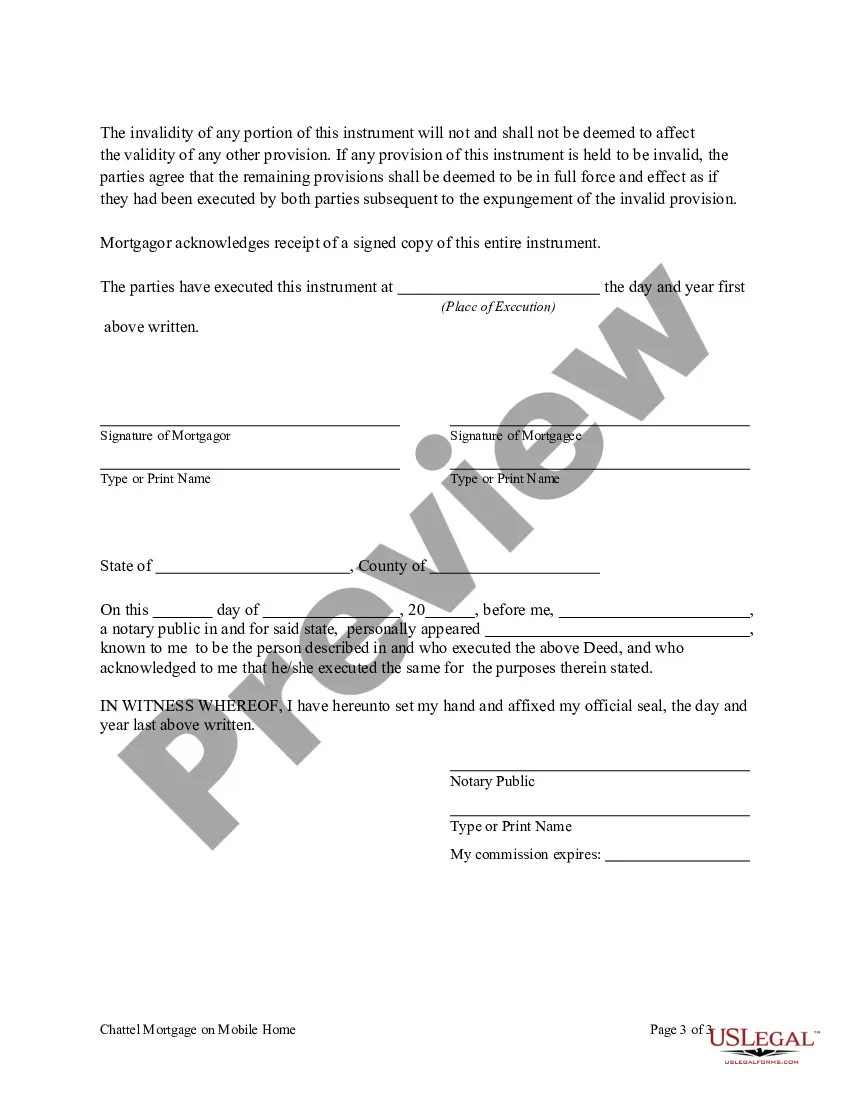
The Bottom Line Chattel mortgages are a little-known but potentially good option if you're looking to finance a manufactured home or heavy equipment. These loans are smaller than conventional loans and tend to have higher rates, but they have shorter terms and quicker payoffs.
The main difference is that the lender takes physical possession of the asset in a pledge. At the same time, in hypothecation, the borrower retains possession, but the lender can seize it if necessary. The borrower keeps the property in a mortgage, but the lender holds a legal claim.
Pledges and Liens A pledge arises where there is a delivery of goods to a creditor for the purpose of securing a debt due to him by their owner. A lien is a right to retain goods to secure payment. Both a pledge and lien involve a bailment. The pledgee and lienee are bailees and have the obligations of a bailee.
