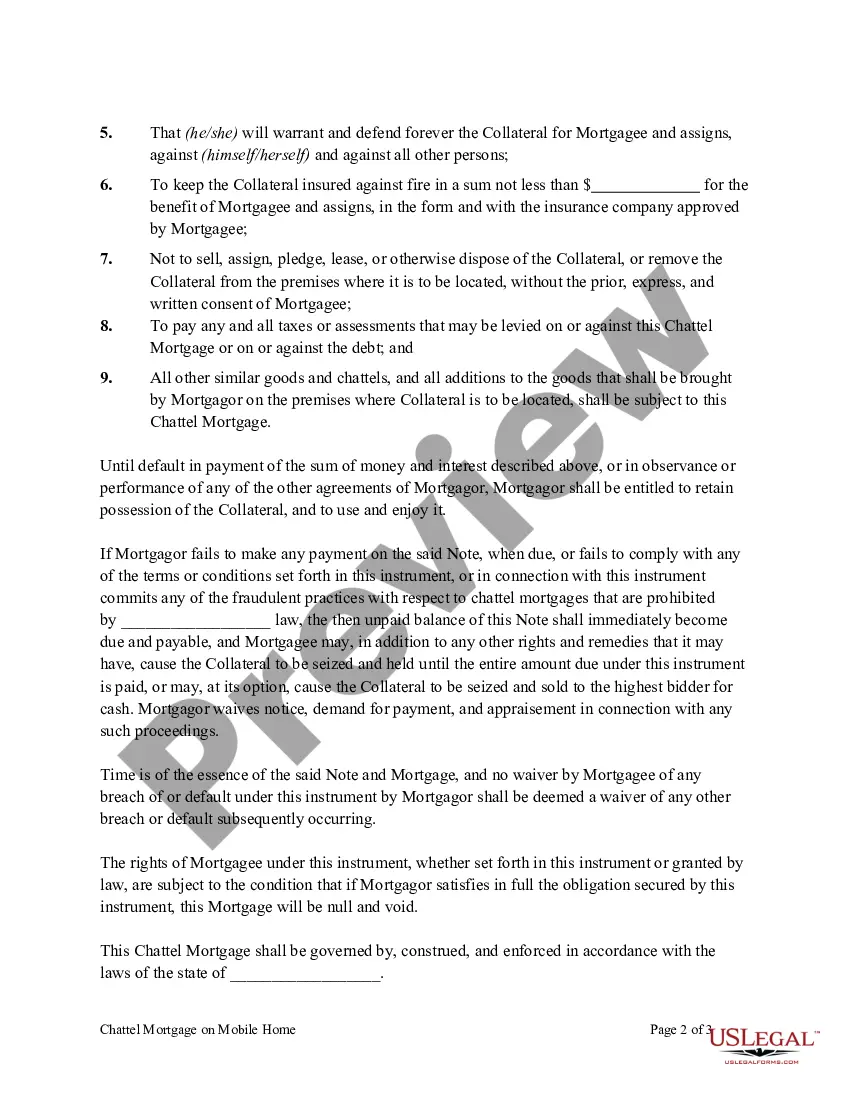
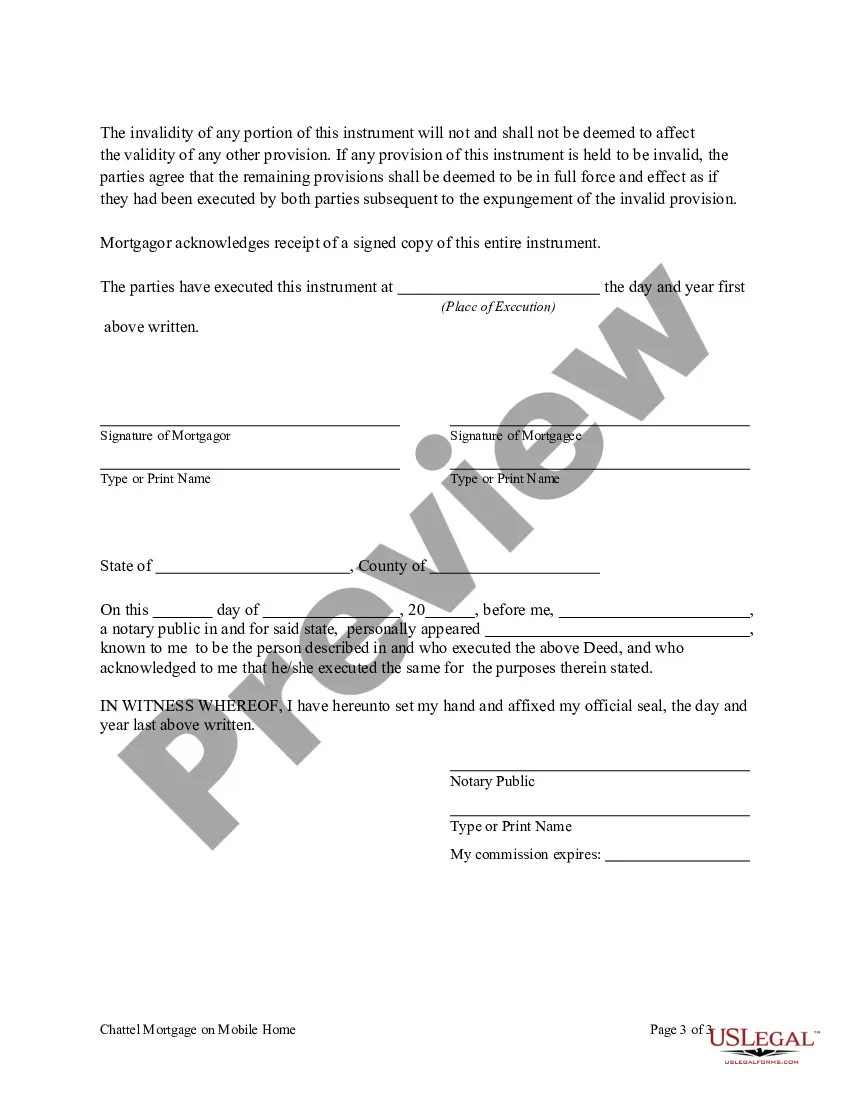
Chattel Mortgage Form Foreclose In North Carolina
Description

Get your form ready online
Our built-in tools help you complete, sign, share, and store your documents in one place.
Make edits, fill in missing information, and update formatting in US Legal Forms—just like you would in MS Word.
Download a copy, print it, send it by email, or mail it via USPS—whatever works best for your next step.
Sign and collect signatures with our SignNow integration. Send to multiple recipients, set reminders, and more. Go Premium to unlock E-Sign.
If this form requires notarization, complete it online through a secure video call—no need to meet a notary in person or wait for an appointment.
We protect your documents and personal data by following strict security and privacy standards.

Make edits, fill in missing information, and update formatting in US Legal Forms—just like you would in MS Word.

Download a copy, print it, send it by email, or mail it via USPS—whatever works best for your next step.

Sign and collect signatures with our SignNow integration. Send to multiple recipients, set reminders, and more. Go Premium to unlock E-Sign.

If this form requires notarization, complete it online through a secure video call—no need to meet a notary in person or wait for an appointment.

We protect your documents and personal data by following strict security and privacy standards.
Looking for another form?









Form popularity
FAQ
A power of sale foreclosure is a contractual right under the terms of a deed of trust which gives the trustee the power to sell the real property on behalf of the lender if the borrower defaults. The procedure for power of sale foreclosure is contained in Article 2A in Chapter 45 of the North Carolina General Statutes.
In North Carolina, the foreclosure process typically takes around 120 days from the date the first payment is missed to when the property is sold at a foreclosure sale. The timeline may vary depending on several factors, including: The lender's policies and procedures.
In many cases, filing for Chapter 7 bankruptcy can delay the foreclosure by a matter of months. Or, if you want to save your home, filing for Chapter 13 bankruptcy might be the answer. To find out about the options available, speak with a local bankruptcy attorney.
Federal foreclosure laws prevent lenders from starting a foreclosure until a homeowner's payments have been past due for at least 120 days. This gives a North Carolina homeowner time to catch up on payments, apply for loss mitigation, or begin the bankruptcy process.
The statute applies the ten year period tothe foreclosure of a mortgage, or deed in trust for creditors with a power of sale,of real property, where the mortgagor or grantor has been in possession of the property, within ten years after the forfeiture of the mortgage, or after the power of sale became absolute, or ...
The statute of limitations for contesting a will in North Carolina is three years from the date of the decedent's death. This means that an individual must file a claim to contest the will within three years of the decedent's passing, or they will lose the right to challenge the will.
In North Carolina, the foreclosure process typically takes around 120 days from the date the first payment is missed to when the property is sold at a foreclosure sale. The timeline may vary depending on several factors, including: The lender's policies and procedures. The type of foreclosure.
Federal law mandates that the lender cannot officially move forward with foreclosure until you're 120 days delinquent on the payments.
The foreclosure of a mortgage, or deed in trust for creditors with a power of sale, of real property, where the mortgagor or grantor has been in possession of the property, within ten years after the forfeiture of the mortgage, or after the power of sale became absolute, or within ten years after the last payment on ...
