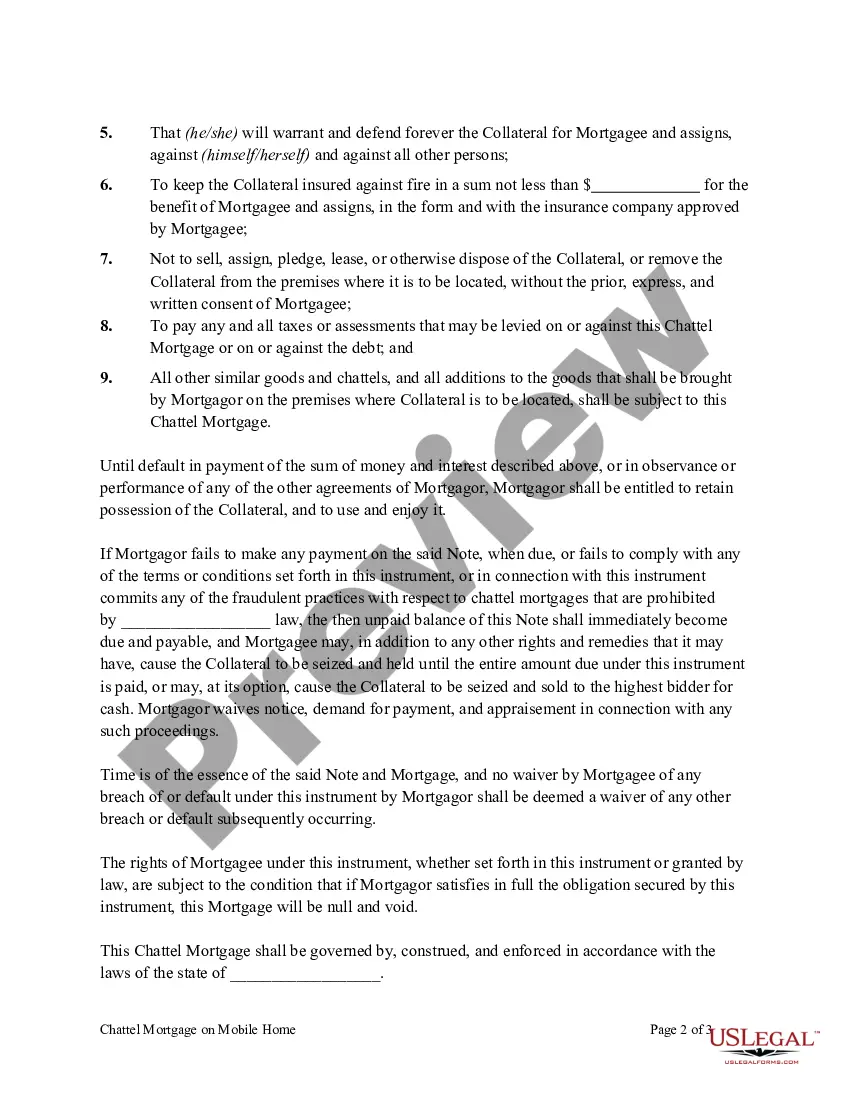
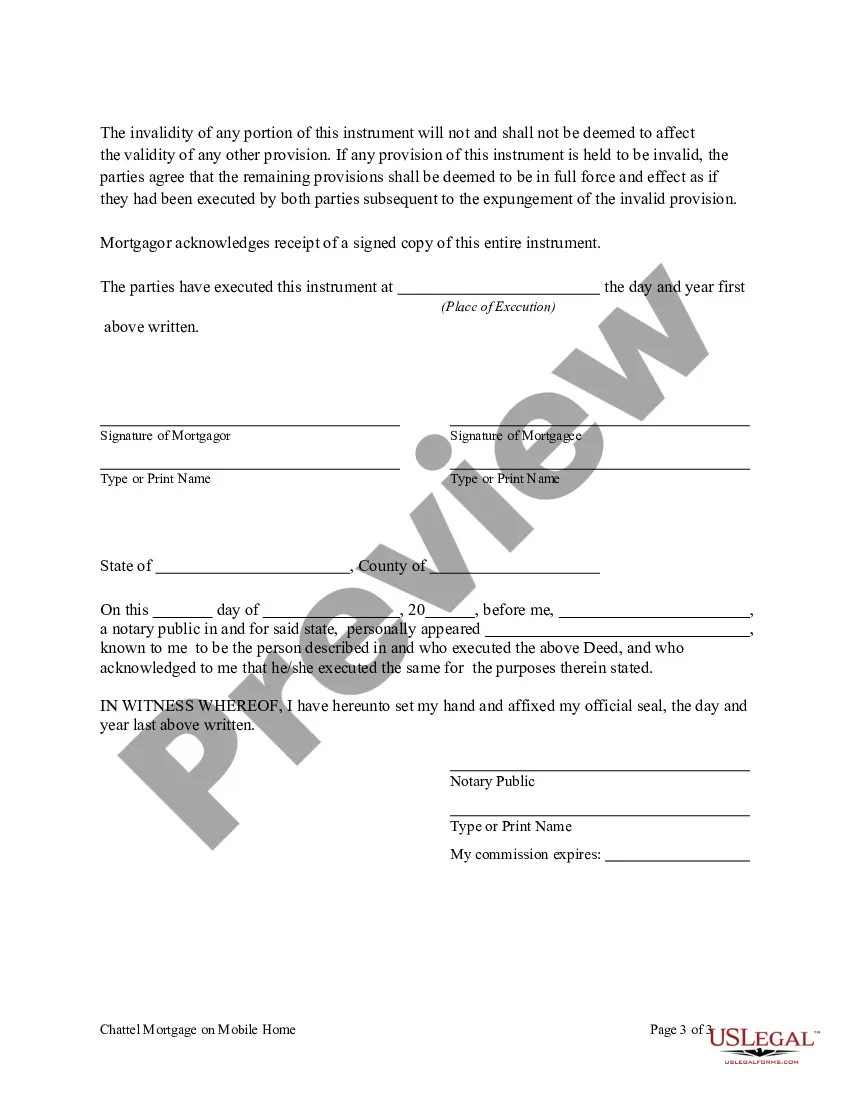
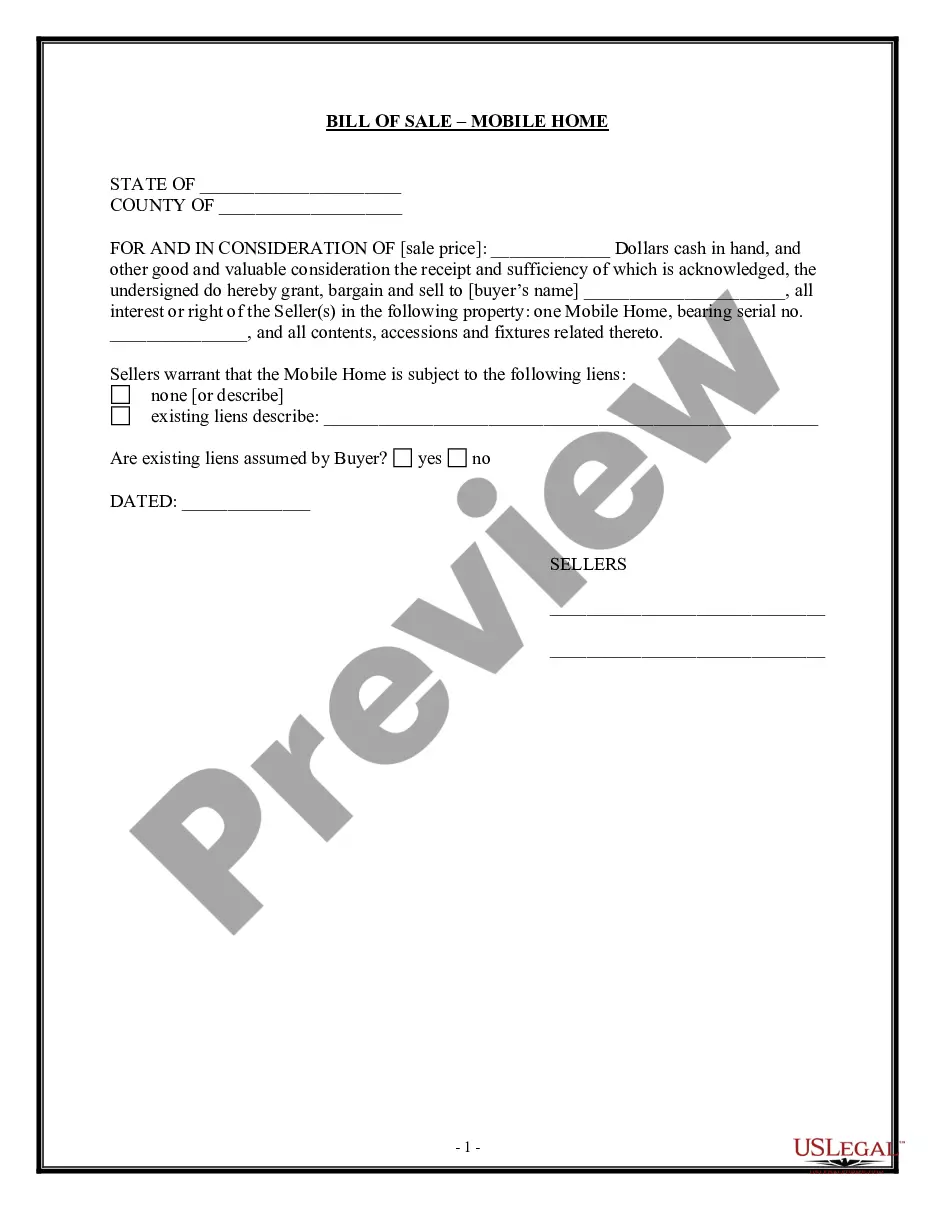
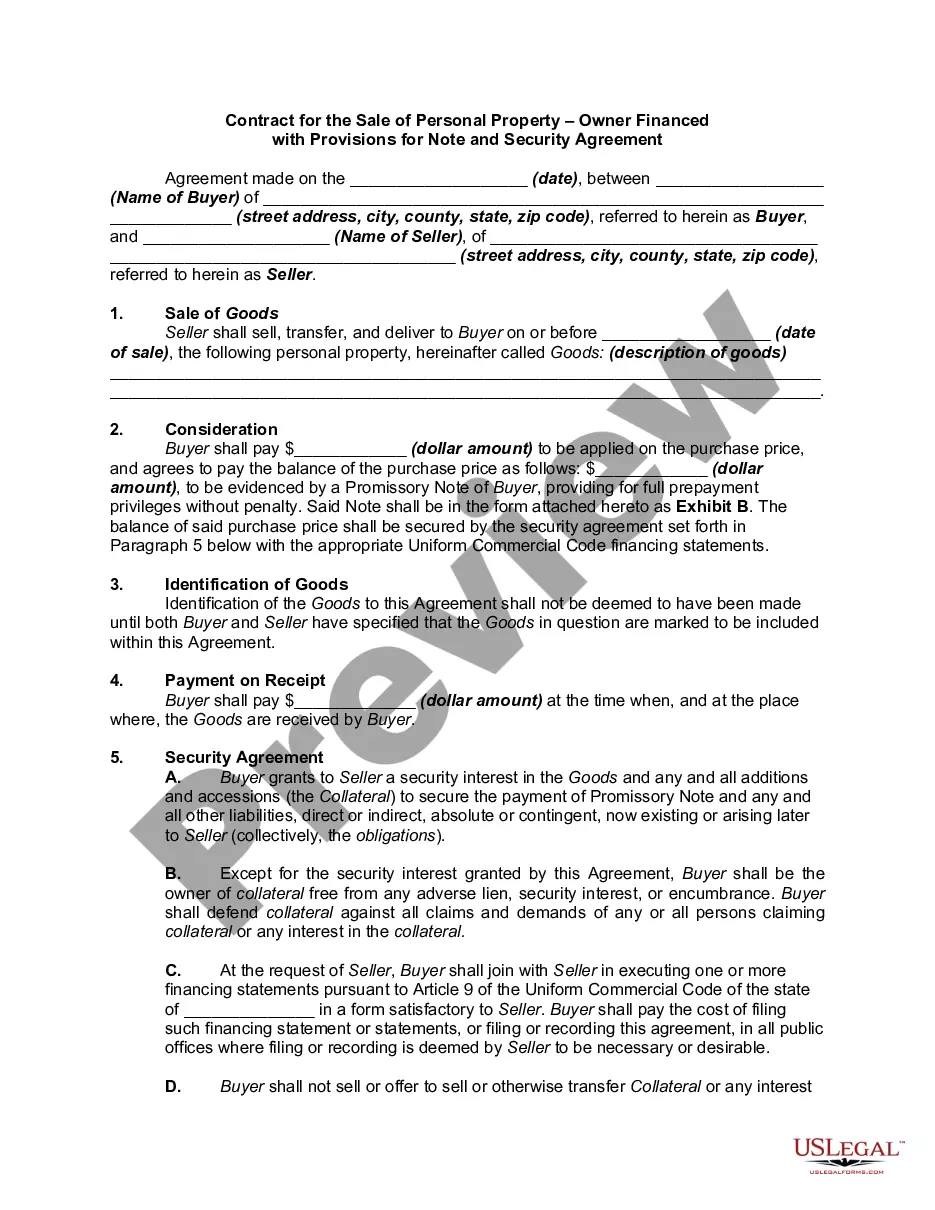
Chattel Mortgage Form With Extra Judicial Foreclosure In Montgomery
Description

Get your form ready online
Our built-in tools help you complete, sign, share, and store your documents in one place.
Make edits, fill in missing information, and update formatting in US Legal Forms—just like you would in MS Word.
Download a copy, print it, send it by email, or mail it via USPS—whatever works best for your next step.
Sign and collect signatures with our SignNow integration. Send to multiple recipients, set reminders, and more. Go Premium to unlock E-Sign.
If this form requires notarization, complete it online through a secure video call—no need to meet a notary in person or wait for an appointment.
We protect your documents and personal data by following strict security and privacy standards.

Make edits, fill in missing information, and update formatting in US Legal Forms—just like you would in MS Word.

Download a copy, print it, send it by email, or mail it via USPS—whatever works best for your next step.

Sign and collect signatures with our SignNow integration. Send to multiple recipients, set reminders, and more. Go Premium to unlock E-Sign.

If this form requires notarization, complete it online through a secure video call—no need to meet a notary in person or wait for an appointment.

We protect your documents and personal data by following strict security and privacy standards.
Looking for another form?




Form popularity
FAQ
In order to claim your right to any surplus, you must file a request with the court. After the ratification, you can be served with a Motion for Order of Possession, in which the purchaser asks the court to recognize that you no longer have the right to be in the house.
Recording a Notice of Default marks the start of the formal and public foreclosure process. The lender sends you a copy of this notice by certified mail within 10 business days of recording it.
Most foreclosures in Maryland are what's called “nonjudicial” or “quasi-judicial.” With a nonjudicial foreclosure, the lender must complete specific out-of-court steps detailed in state law before selling the property. In most states, a court is not involved in a nonjudicial foreclosure whatsoever.
The traditional mortgage is only for stationary property. It's suited for long-term real estate investments. Chattel loans are for property that can be easily moved. They're also an option for borrowers who want their loans approved faster and with shorter repayment times.
After a judicial foreclosure, who owns the property? The lender, unless the homeowner redeems himself. Who is the trustor in a deed of trust? The home buyer.
What is provision is required in a mortgage to allow a non-judicial foreclosure to force a sale without a foreclosure suit? A power of sale clause.
