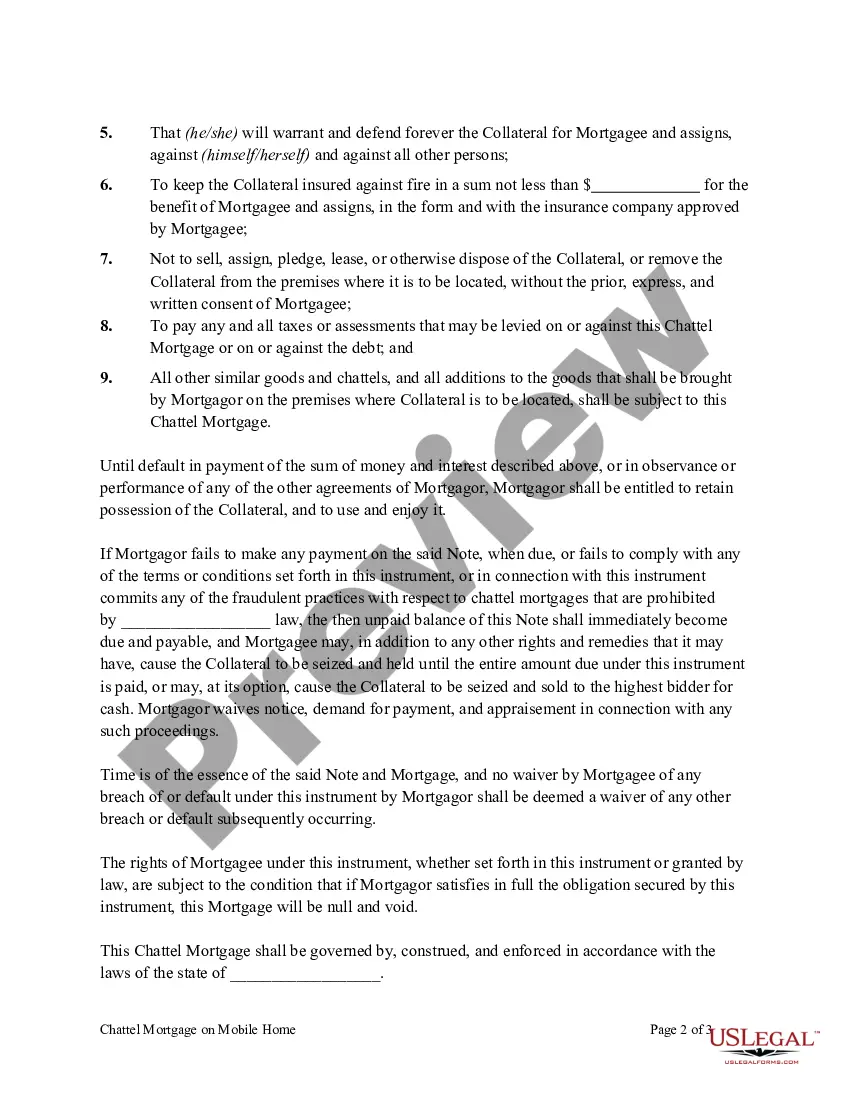
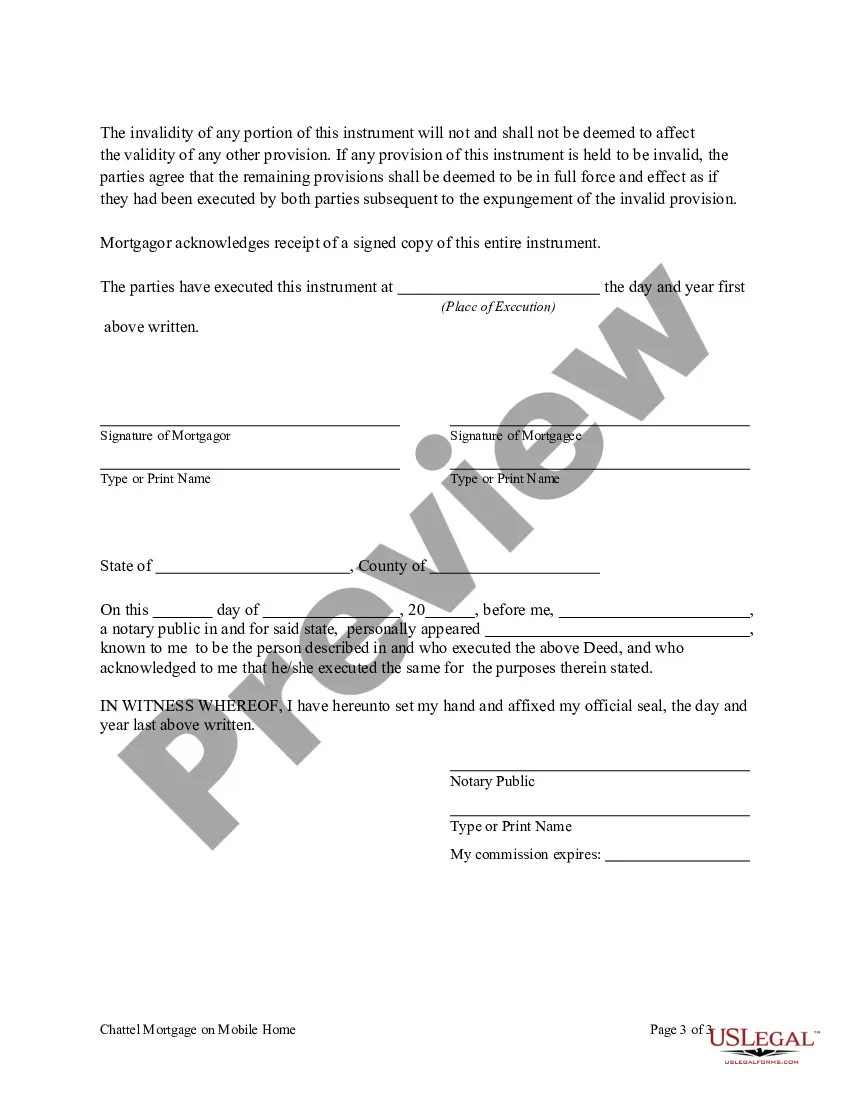
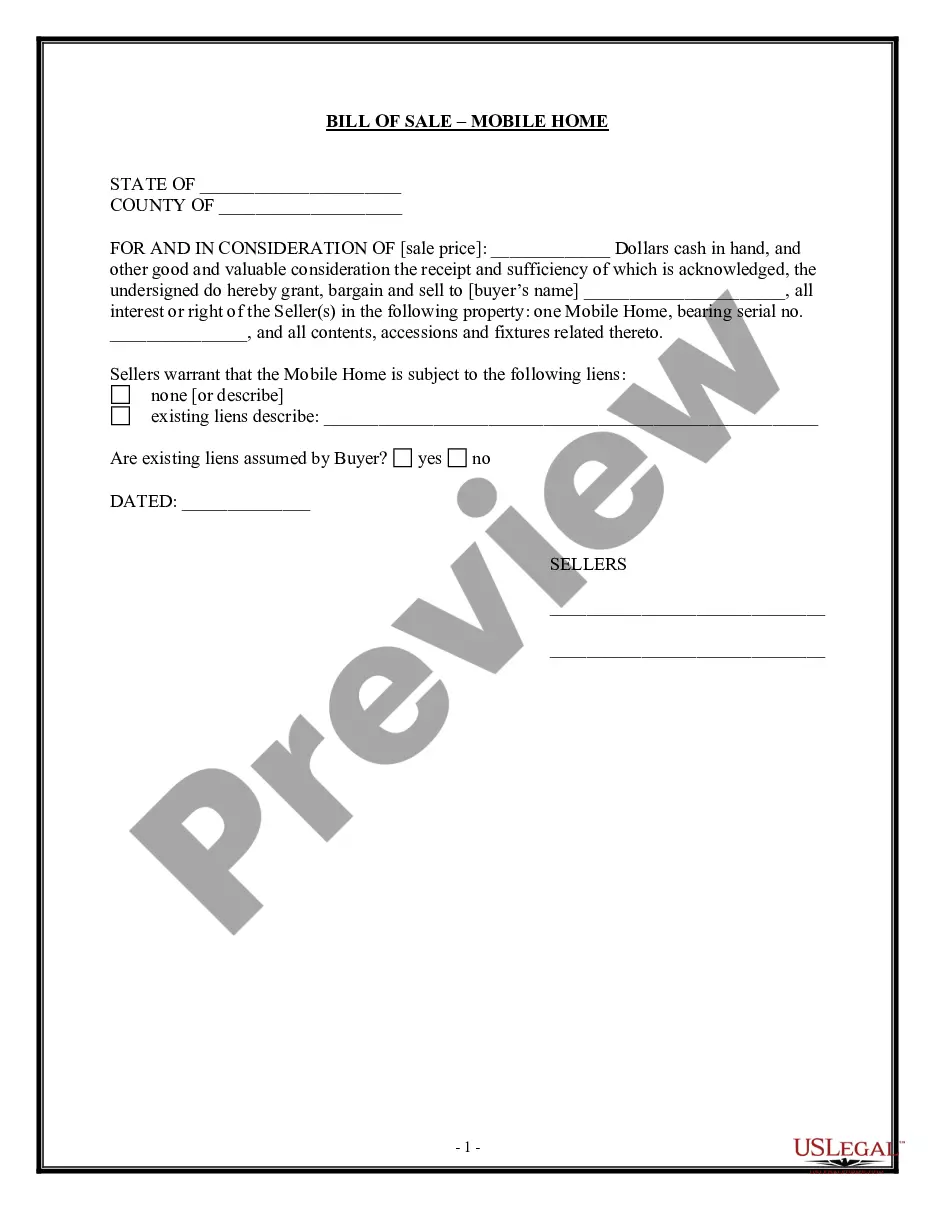
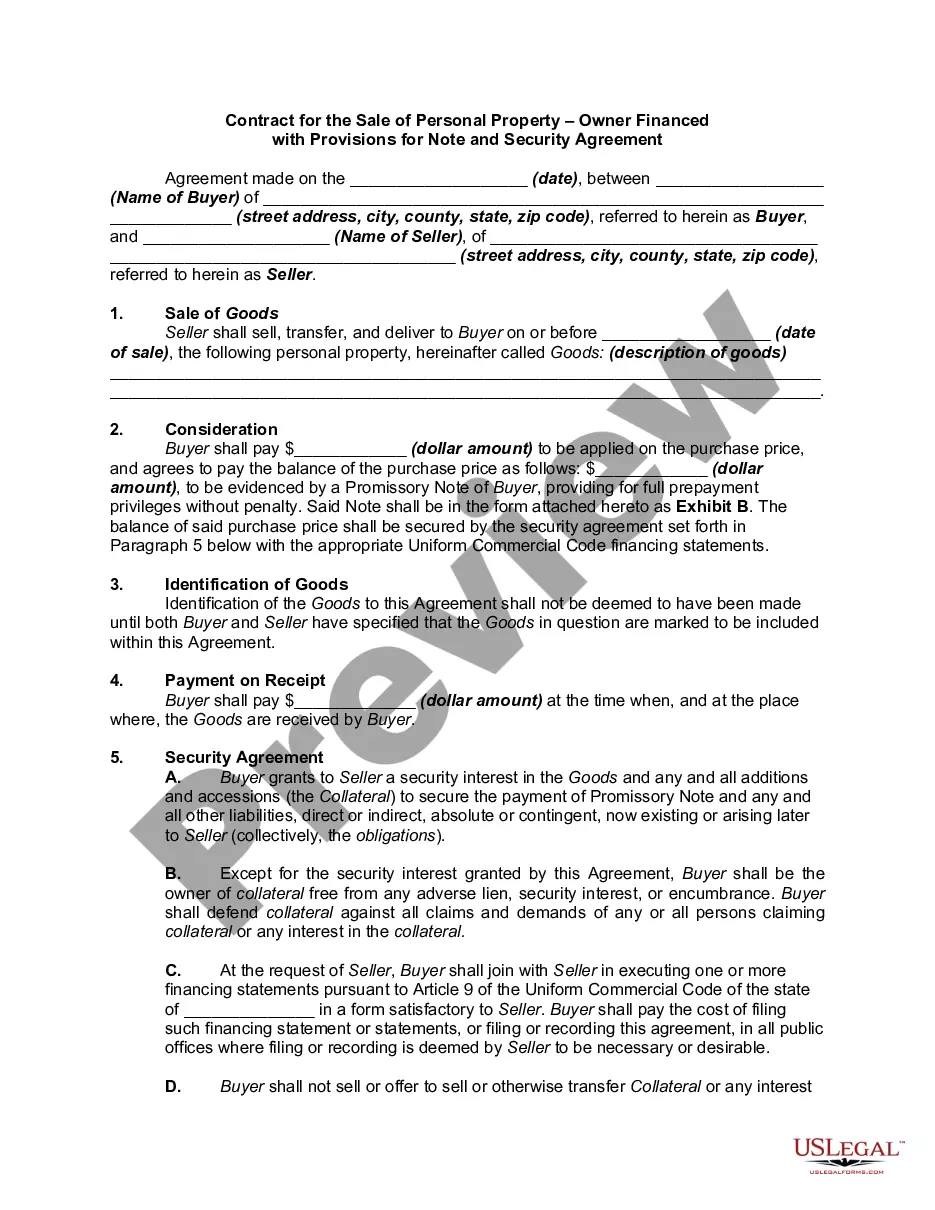
Chattel Mortgage Form With Extra Judicial Foreclosure In Minnesota
Description

Get your form ready online
Our built-in tools help you complete, sign, share, and store your documents in one place.
Make edits, fill in missing information, and update formatting in US Legal Forms—just like you would in MS Word.
Download a copy, print it, send it by email, or mail it via USPS—whatever works best for your next step.
Sign and collect signatures with our SignNow integration. Send to multiple recipients, set reminders, and more. Go Premium to unlock E-Sign.
If this form requires notarization, complete it online through a secure video call—no need to meet a notary in person or wait for an appointment.
We protect your documents and personal data by following strict security and privacy standards.

Make edits, fill in missing information, and update formatting in US Legal Forms—just like you would in MS Word.

Download a copy, print it, send it by email, or mail it via USPS—whatever works best for your next step.

Sign and collect signatures with our SignNow integration. Send to multiple recipients, set reminders, and more. Go Premium to unlock E-Sign.

If this form requires notarization, complete it online through a secure video call—no need to meet a notary in person or wait for an appointment.

We protect your documents and personal data by following strict security and privacy standards.
Looking for another form?








Form popularity
FAQ
Judicial foreclosure refers to foreclosure proceedings that take place through the court system. This foreclosure process occurs when a mortgage lacks a power of sale clause, which would legally authorize the mortgage lender to sell the property if a default occurred.
The "power of sale" clause in effect enables the mortgagee to order a public sale without court decree.
The NON-JUDICIAL Foreclosure states are Alabama, Alaska, Arizona, Arkansas, California, Colorado, District of Columbia, Georgia, Idaho, Maryland, Massachusetts, Michigan, Minnesota, Mississippi, Missouri, Montana, Nebraska, Nevada, New Hampshire, New Mexico (sometimes), North Carolina, Oklahoma (unless homeowner ...
What is the biggest differences between judicial foreclosure and strict foreclosure? that strict foreclosure does NOT involve a foreclosure sale.
What is the biggest differences between judicial foreclosure and strict foreclosure? that strict foreclosure does NOT involve a foreclosure sale.
In some jurisdictions, mortgagees must get a court order to foreclose on a mortgage. This is called a judicial foreclosure. Judicial foreclosures (like all foreclosures), are governed by the law of the jurisdiction that the mortgaged property is located in. This is almost always the law of a state.
If the property is newly listed, the bank may be less inclined to accept a significantly lower offer. However, if the property has been on the market for an extended period, the bank may be more willing to negotiate.
In a strict foreclosure, the secured party retains the debtor's collateral in full or partial satisfaction of the secured debt. For goods other than consumer goods, a party may accept collateral in full or partial satisfaction of the obligation it secures if both: The debtor consents to the acceptance.
What is provision is required in a mortgage to allow a non-judicial foreclosure to force a sale without a foreclosure suit? A power of sale clause.