Chattel Mortgage Form For Individuals In Middlesex
Description

Get your form ready online
Our built-in tools help you complete, sign, share, and store your documents in one place.
Make edits, fill in missing information, and update formatting in US Legal Forms—just like you would in MS Word.
Download a copy, print it, send it by email, or mail it via USPS—whatever works best for your next step.
Sign and collect signatures with our SignNow integration. Send to multiple recipients, set reminders, and more. Go Premium to unlock E-Sign.
If this form requires notarization, complete it online through a secure video call—no need to meet a notary in person or wait for an appointment.
We protect your documents and personal data by following strict security and privacy standards.

Make edits, fill in missing information, and update formatting in US Legal Forms—just like you would in MS Word.

Download a copy, print it, send it by email, or mail it via USPS—whatever works best for your next step.

Sign and collect signatures with our SignNow integration. Send to multiple recipients, set reminders, and more. Go Premium to unlock E-Sign.

If this form requires notarization, complete it online through a secure video call—no need to meet a notary in person or wait for an appointment.

We protect your documents and personal data by following strict security and privacy standards.
Looking for another form?









Form popularity
FAQ
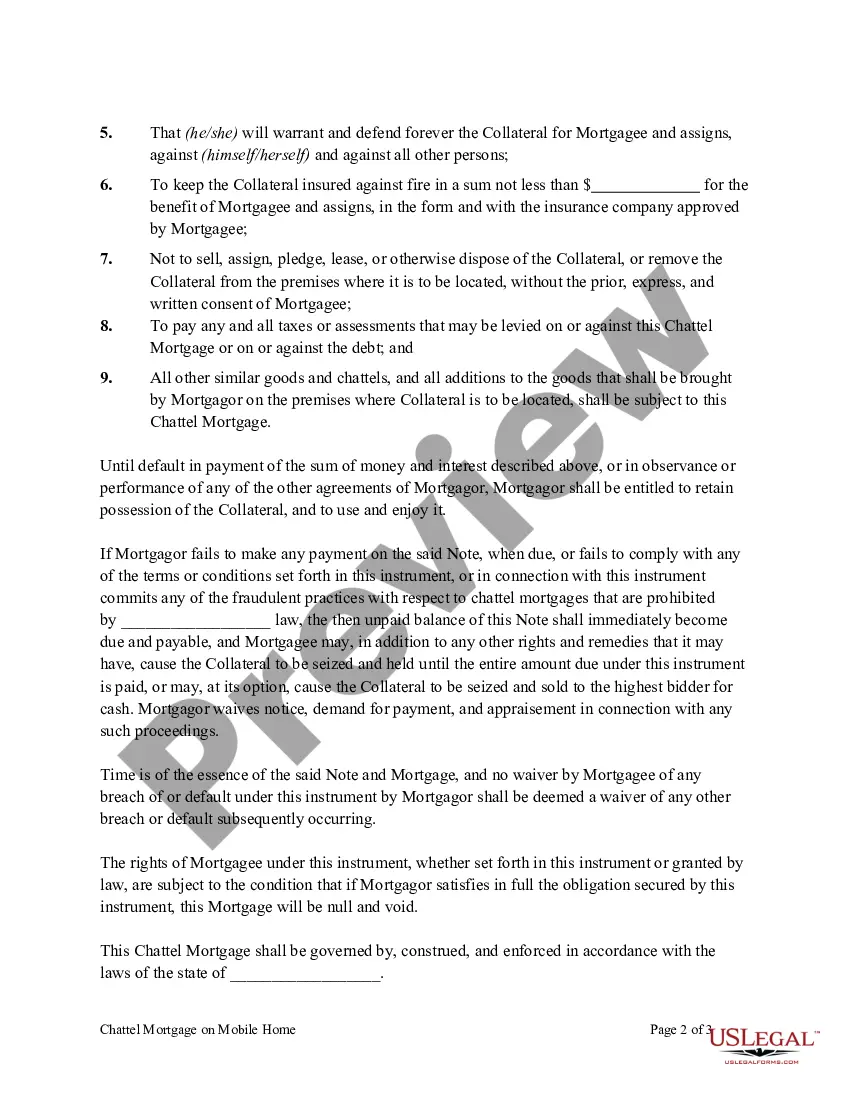
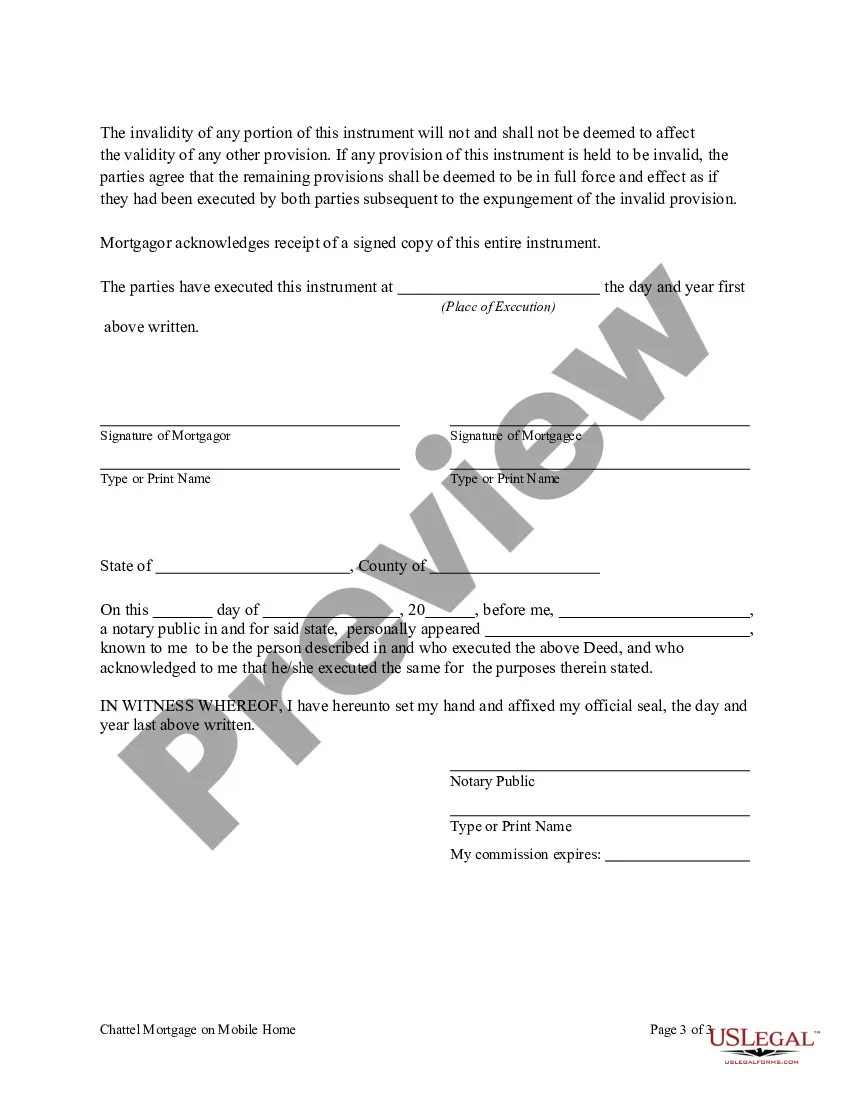
A form of security interest, typically a legal mortgage, taken over tangible movable property (known as chattels).
In comparison to regular mortgages, chattel mortgages come with shorter terms which means they're repaid within 10-15 years in most cases. With a residential mortgage, the lender can retain a lien on the property which may or may not be the case with a chattel property mortgage.
The Bottom Line Chattel mortgages are a little-known but potentially good option if you're looking to finance a manufactured home or heavy equipment. These loans are smaller than conventional loans and tend to have higher rates, but they have shorter terms and quicker payoffs.
A deed will include a detailed description of the property, including property lines, and name the seller (grantor) and buyer (grantee). Both buyer and seller must sign a deed to make it official.
Any property owner in Massachusetts has online access to the deed to their property and the property record card used to generate their tax bill by their local assessors.
Massachusetts law identifies certain information that all deeds must contain and defines how deeds must be signed and recorded. A deed that transfers title to Massachusetts real estate must comply with the rules described below, and its formatting should be consistent with state standards and local customs.
To do this, you must create a new deed that conveys an interest in the property to this other person. Technically, anyone can make up a new deed, but we strongly advise you to hire a lawyer to do it.
Chattel is any tangible personal property that is movable. Examples of chattel are furniture, livestock, bedding, picture frames, and jewelry.
