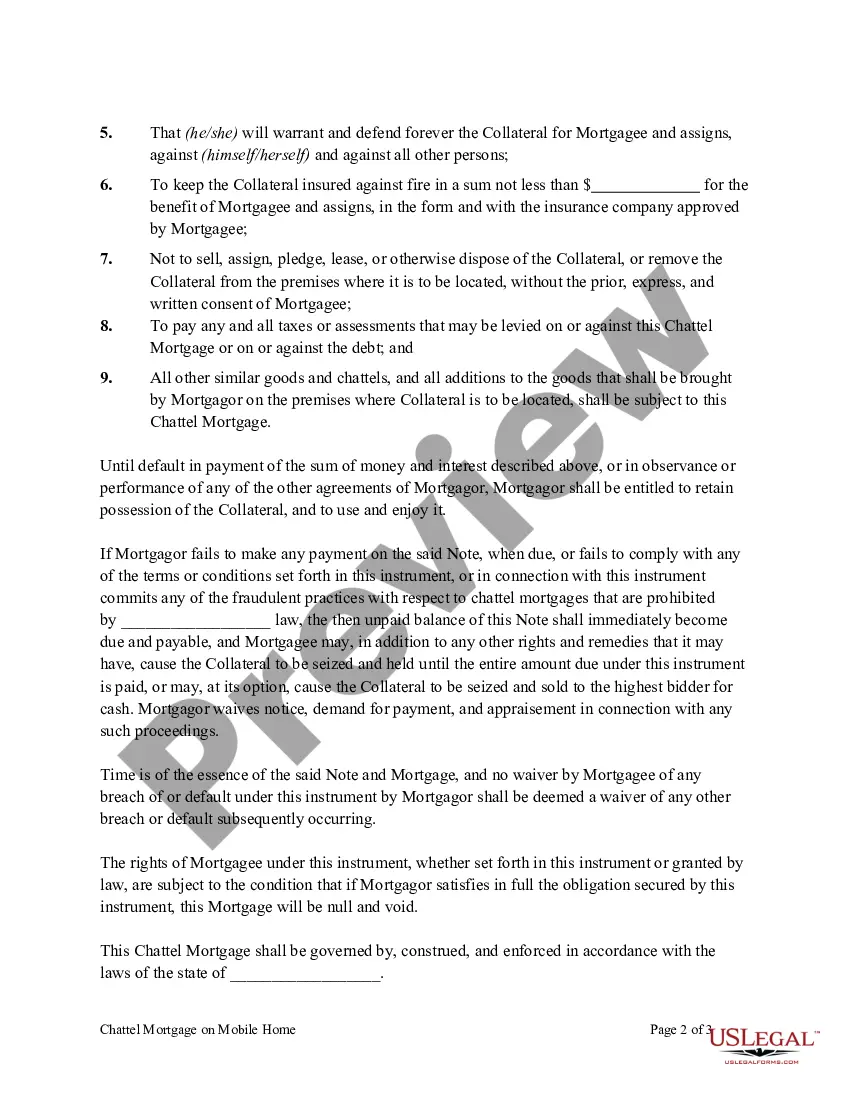
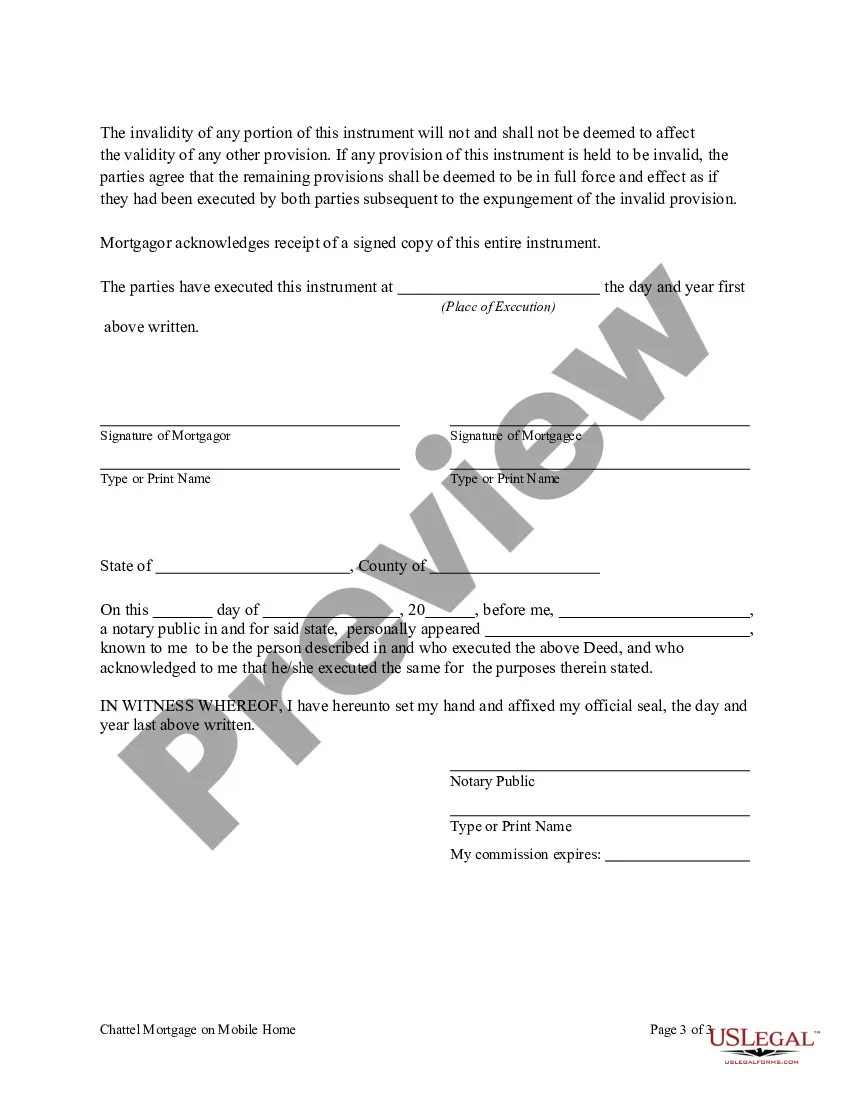
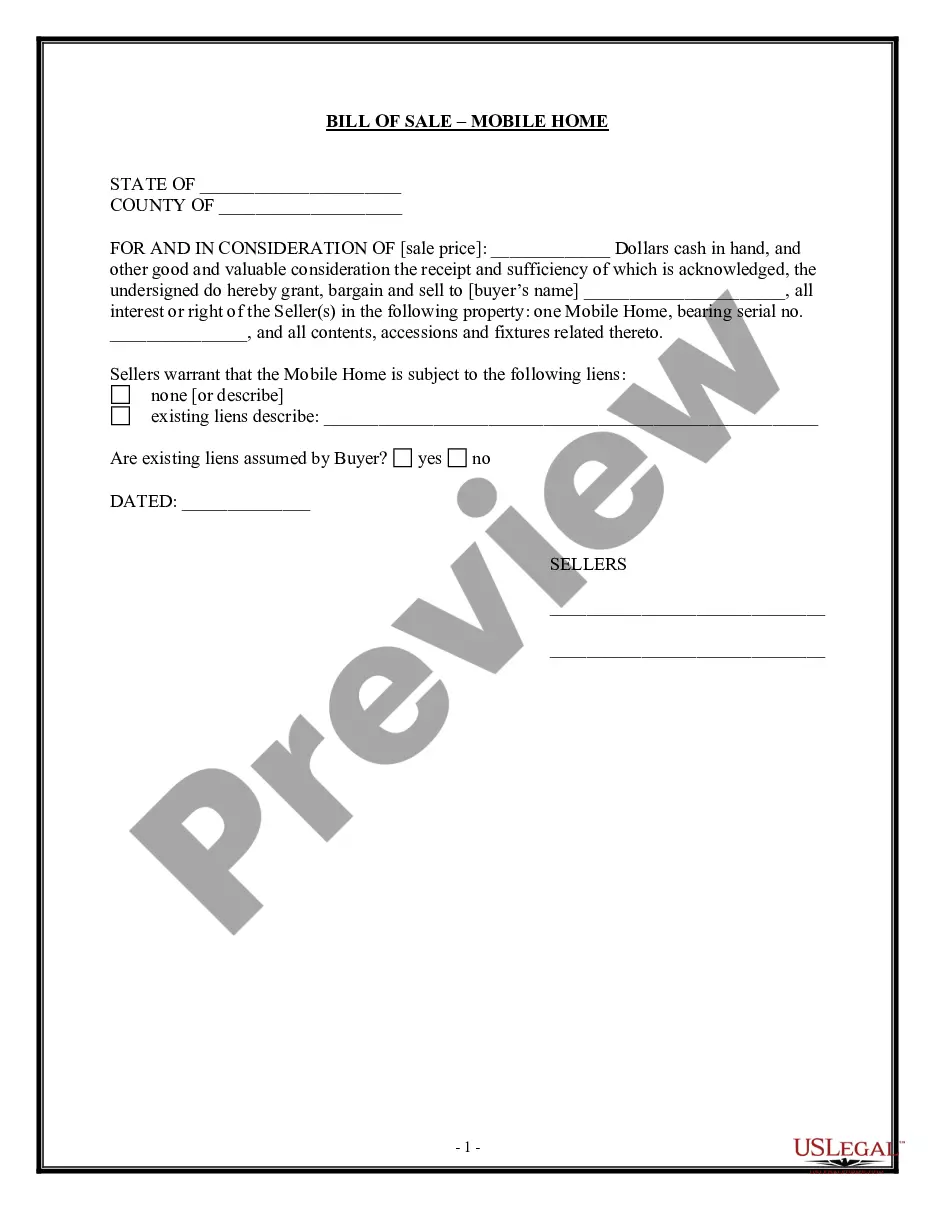
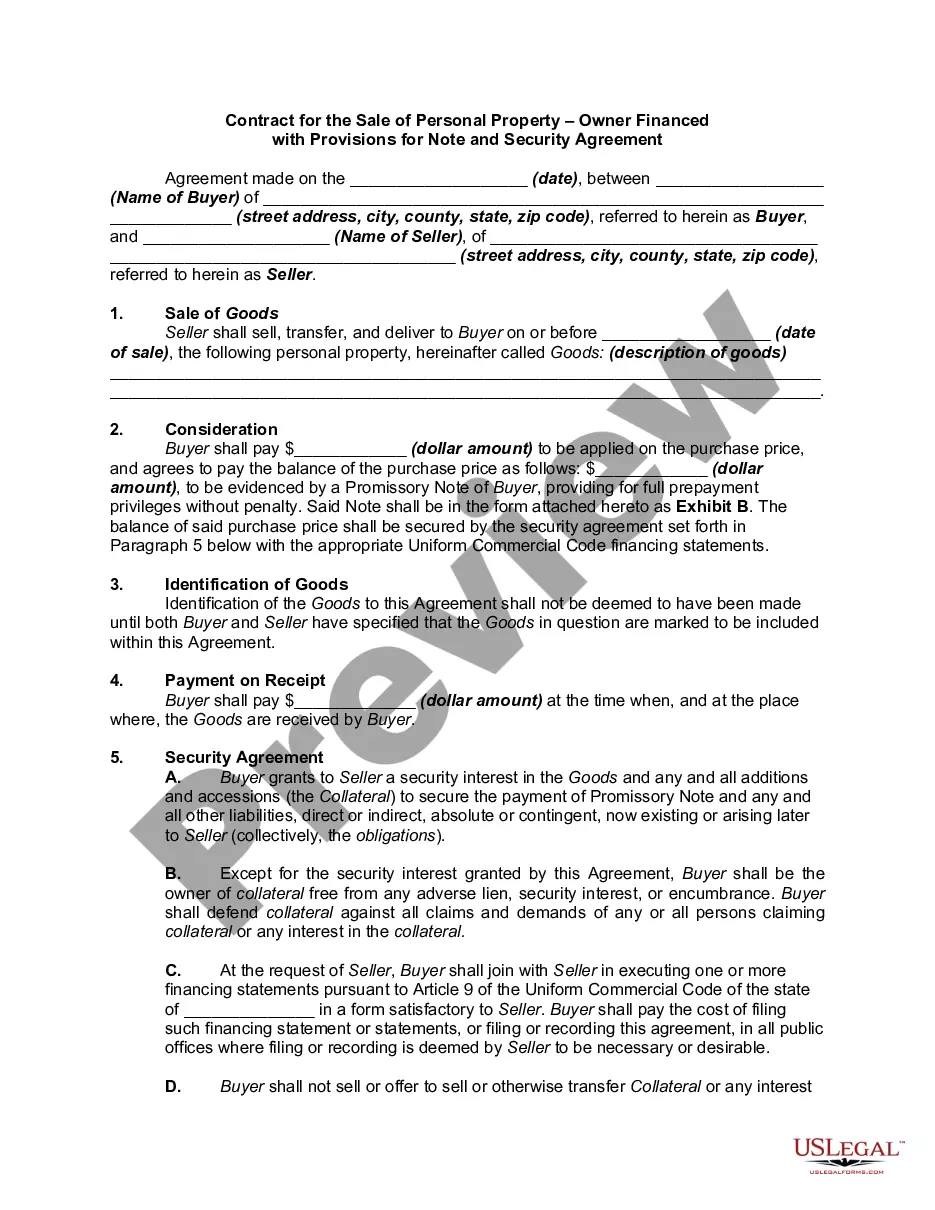
Chattel Mortgage Form Foreclose In Michigan
Description

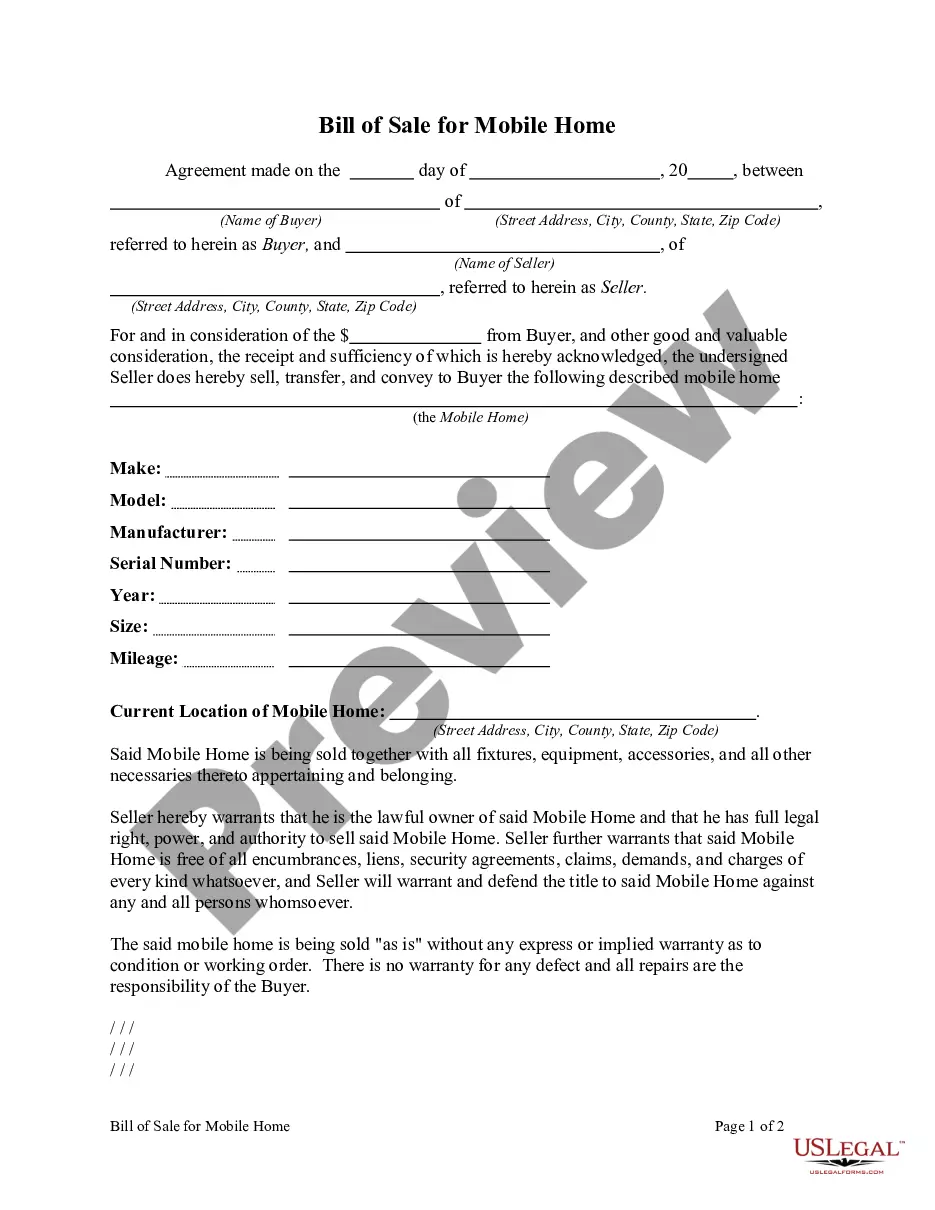
Get your form ready online
Our built-in tools help you complete, sign, share, and store your documents in one place.
Make edits, fill in missing information, and update formatting in US Legal Forms—just like you would in MS Word.
Download a copy, print it, send it by email, or mail it via USPS—whatever works best for your next step.
Sign and collect signatures with our SignNow integration. Send to multiple recipients, set reminders, and more. Go Premium to unlock E-Sign.
If this form requires notarization, complete it online through a secure video call—no need to meet a notary in person or wait for an appointment.
We protect your documents and personal data by following strict security and privacy standards.

Make edits, fill in missing information, and update formatting in US Legal Forms—just like you would in MS Word.

Download a copy, print it, send it by email, or mail it via USPS—whatever works best for your next step.

Sign and collect signatures with our SignNow integration. Send to multiple recipients, set reminders, and more. Go Premium to unlock E-Sign.

If this form requires notarization, complete it online through a secure video call—no need to meet a notary in person or wait for an appointment.

We protect your documents and personal data by following strict security and privacy standards.
Looking for another form?



Form popularity
FAQ
There are two ways lenders in Michigan can foreclose: Judicial Foreclosure where the lender must take the borrower to court (this type of foreclosure is not common), and. Foreclosure by Advertisement where the lender may foreclose by scheduling a Sheriff's sale and advertising the sale in a local paper.
Understanding the Michigan Foreclosure Process Timeline Foreclosure in Michigan follows a structured timeline with key stages that homeowners must understand to act promptly. Missed Payments: Foreclosure typically begins after four consecutive missed payments (about 120 days delinquent).
You'll need to include a motion for a temporary restraining order (TRO) and preliminary injunction to enjoin (stop) a foreclosure sale while your claims are being litigated. Usually, homeowners also ask the court for a permanent injunction.
You must complete and submit a Notice of Intention to Claim form (No. 6156). If your property was foreclosed in 2021-2023, the deadline to claim remaining/surplus proceeds has passed. If your property was foreclosed this year, the deadline to file an intent to claim remaining proceeds using form No.
File for Bankruptcy to Stop the Foreclosure. If a foreclosure sale is scheduled to occur in the next day or so, the best way to stop the sale immediately is by filing for bankruptcy.
Under federal law, the servicer usually can't officially begin a foreclosure until you're more than 120 days past due on payments, subject to a few exceptions. (12 C.F.R. § 1024.41). This 120-day period provides most homeowners with ample opportunity to submit a loss mitigation application to the servicer.
For homeowners facing immediate foreclosure, filing for bankruptcy or obtaining a temporary restraining order (TRO) can be effective solutions. Chapter 7 or Chapter 13 bankruptcy creates an “automatic stay,” which temporarily halts all collection activities, including foreclosure auctions.
