Chattel Form Paper With Code In Maryland
Description

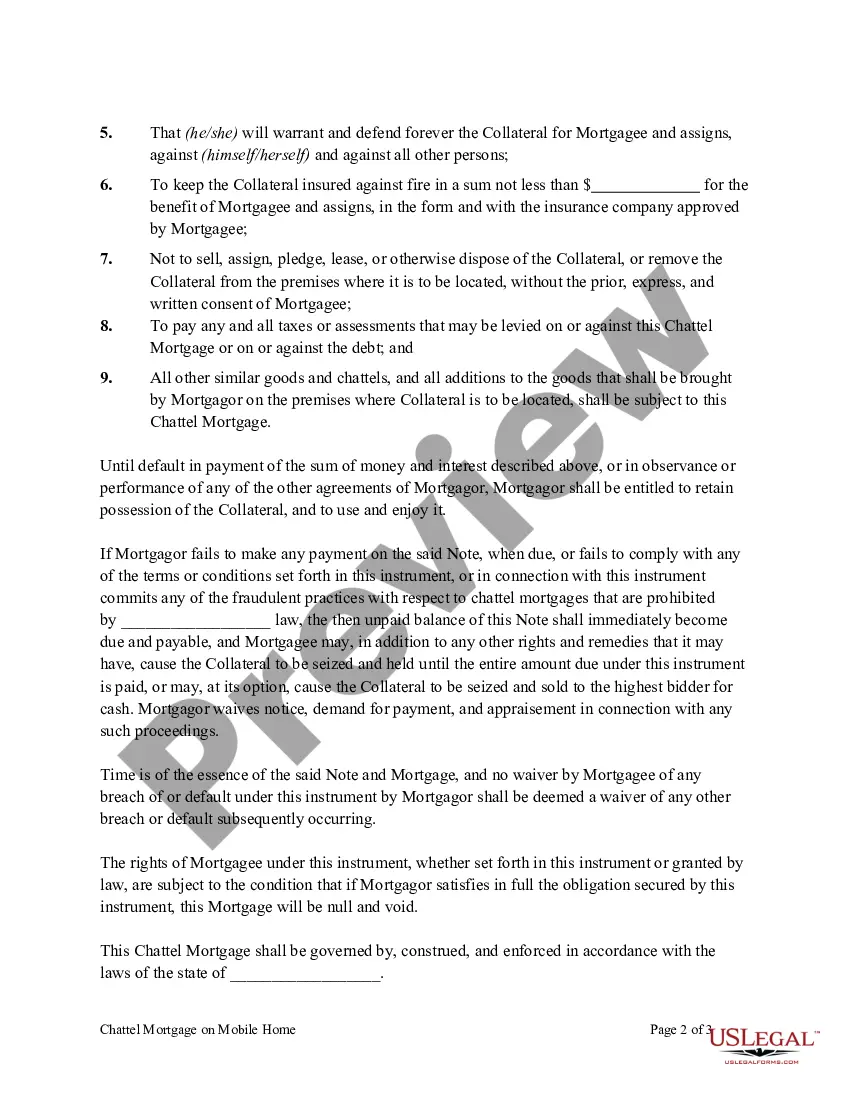
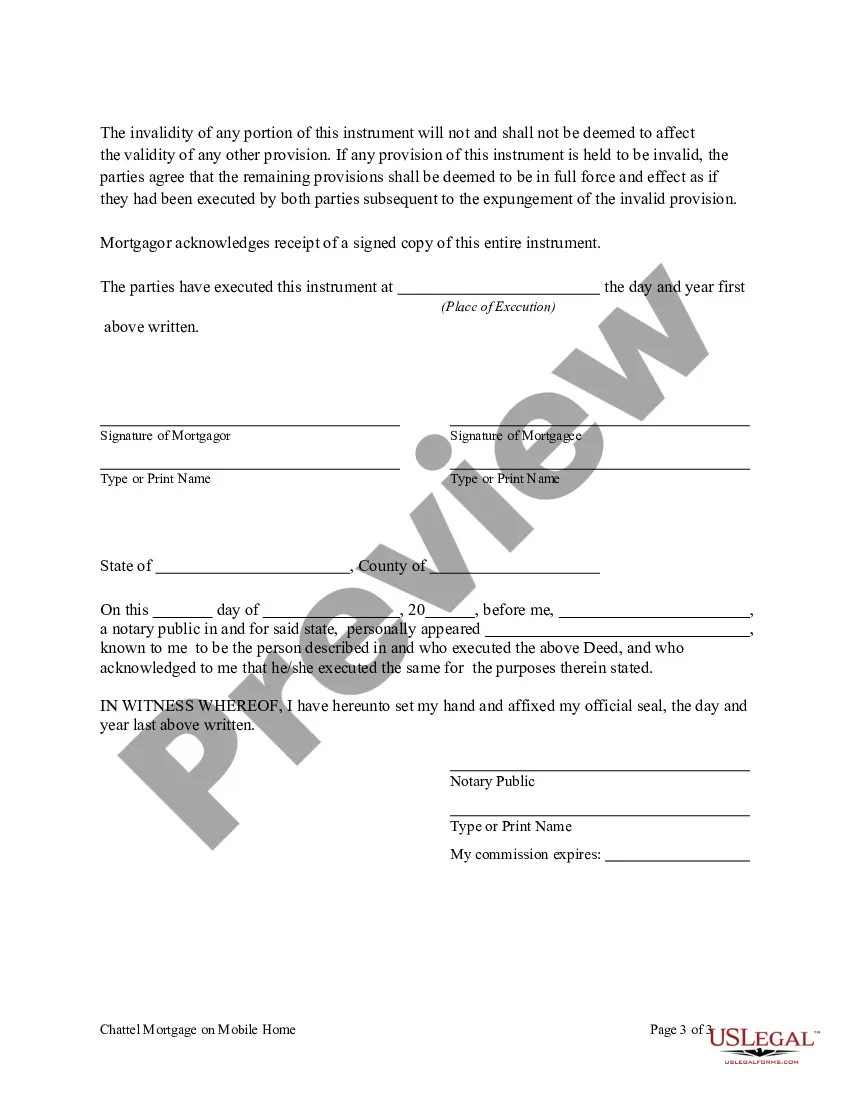
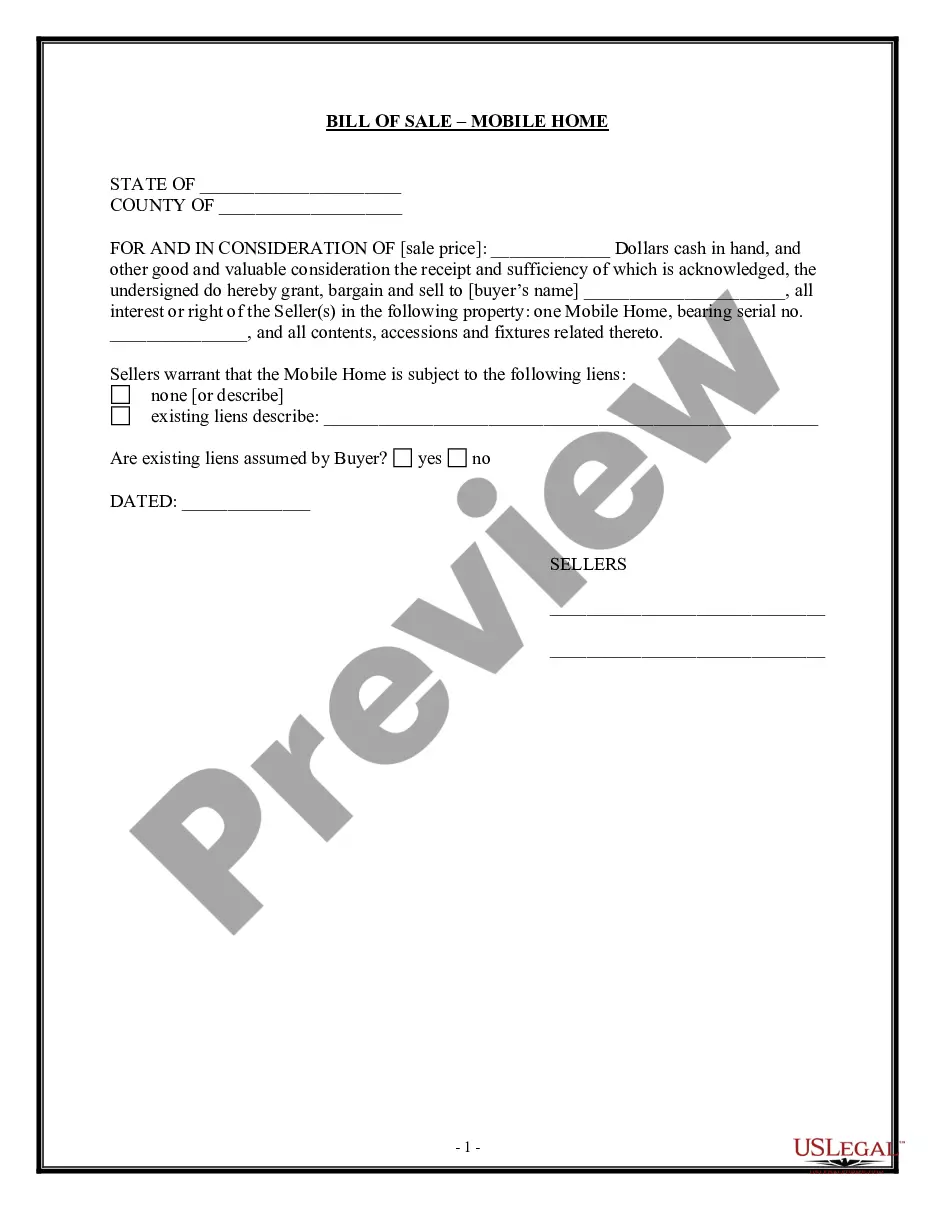
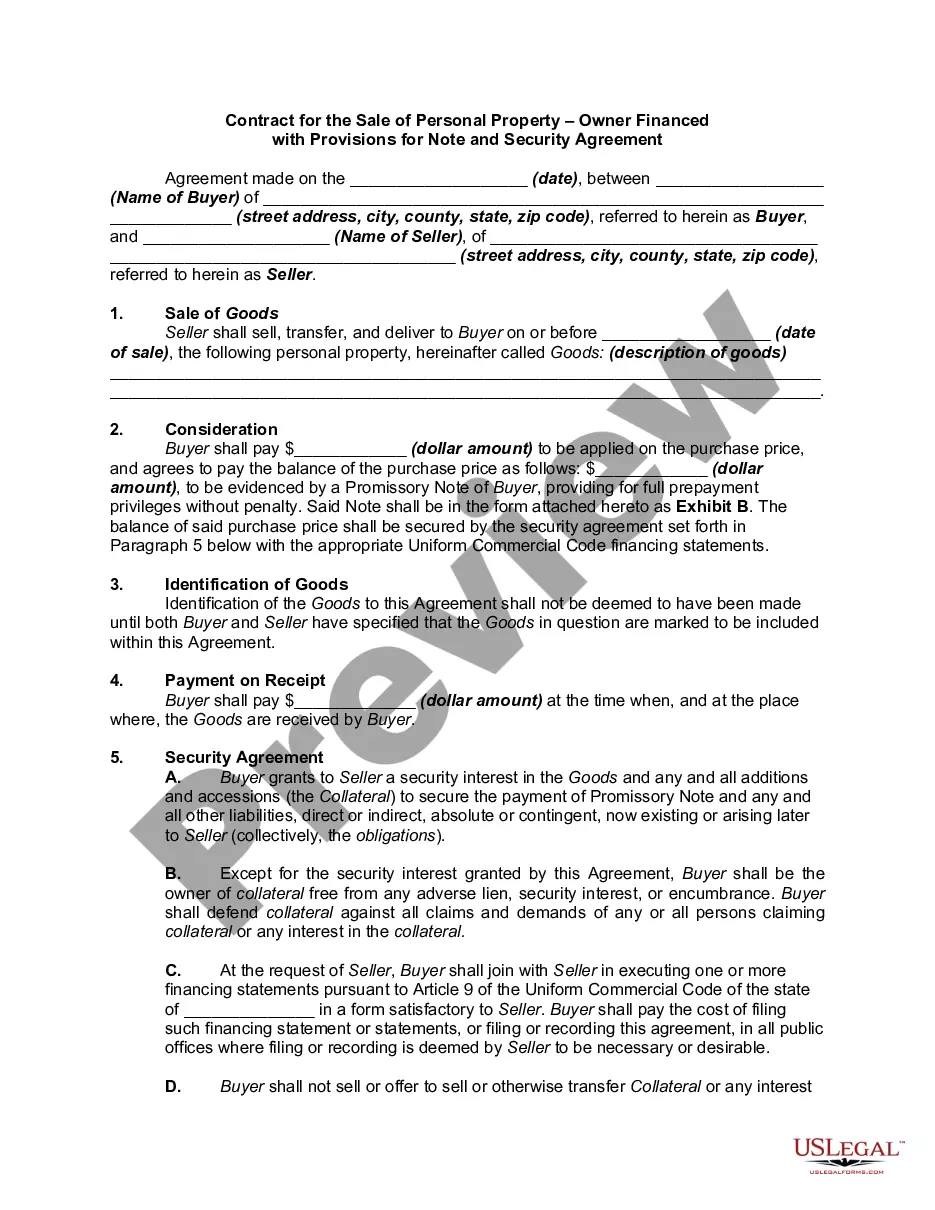
Get your form ready online
Our built-in tools help you complete, sign, share, and store your documents in one place.
Make edits, fill in missing information, and update formatting in US Legal Forms—just like you would in MS Word.
Download a copy, print it, send it by email, or mail it via USPS—whatever works best for your next step.
Sign and collect signatures with our SignNow integration. Send to multiple recipients, set reminders, and more. Go Premium to unlock E-Sign.
If this form requires notarization, complete it online through a secure video call—no need to meet a notary in person or wait for an appointment.
We protect your documents and personal data by following strict security and privacy standards.

Make edits, fill in missing information, and update formatting in US Legal Forms—just like you would in MS Word.

Download a copy, print it, send it by email, or mail it via USPS—whatever works best for your next step.

Sign and collect signatures with our SignNow integration. Send to multiple recipients, set reminders, and more. Go Premium to unlock E-Sign.

If this form requires notarization, complete it online through a secure video call—no need to meet a notary in person or wait for an appointment.

We protect your documents and personal data by following strict security and privacy standards.
Looking for another form?







Form popularity
FAQ
Chattel paper is an asset type over which an entity can grant a security interest under Article 9 of the UCC. For more information on security interests in chattel paper, see Practice Note, UCC Creation, Perfection, and Priority of Security Interests.
Chattel property is personal property that can be moved around. Chattel property law is defined as any property that is not land or physical items that belong to the land. Chattel is movable goods and land cannot be moved. A house would not be considered chattel property because it is attached to the land.
Chattel paper refers to a document used in secured transactions to sell property on credit while retaining some interest in the property.
The person served with the complaint has 30 days to answer, if they are served in Maryland; 60 days to answer, if they are served out of this State; and 90 days to answer, if they are served outside the United States.
There are three ways to serve someone: by certified mail, sheriff, and private process. Select how you wish to have the Defendant served by checking the box on your Complaint form.
The Form 1 Business Entity Annual Report and Personal Property Return must be typed using the fillable form, or submitted online at BusinessExpress.Maryland (use the link, type the URL or use the QR code to the left). HANDWRITTEN FORMS WILL NOT BE ACCEPTED.
In all cases, you should file a UCC-1 with the secretary of state's office in the state where the debtor is incorporated or organized (if a business), or lives (if an individual).
There's also a middle-ground option: filing for divorce online. An online divorce service will provide you with the completed Maryland forms and essentially walk you through the process. As an add-on service, some of these companies will also take care of actually filing the divorce papers in court for you.
