Chattel Form Paper With Axis In Illinois
Description

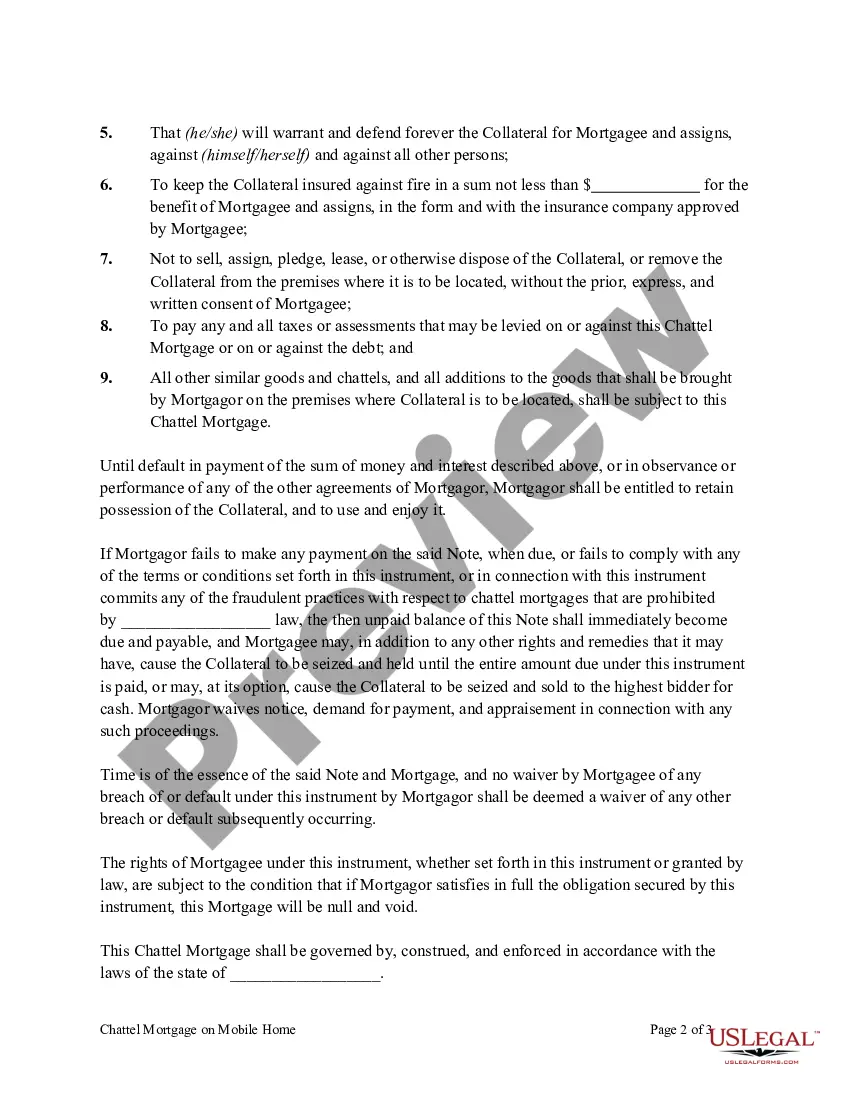
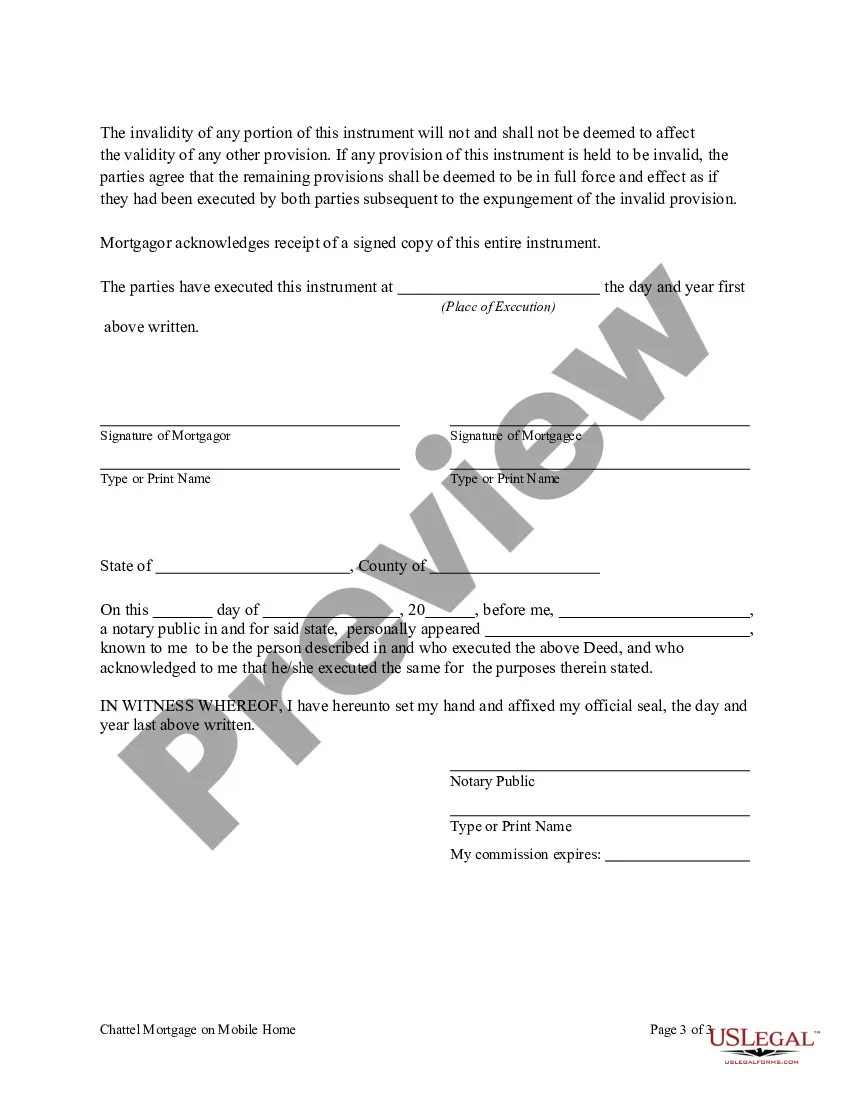
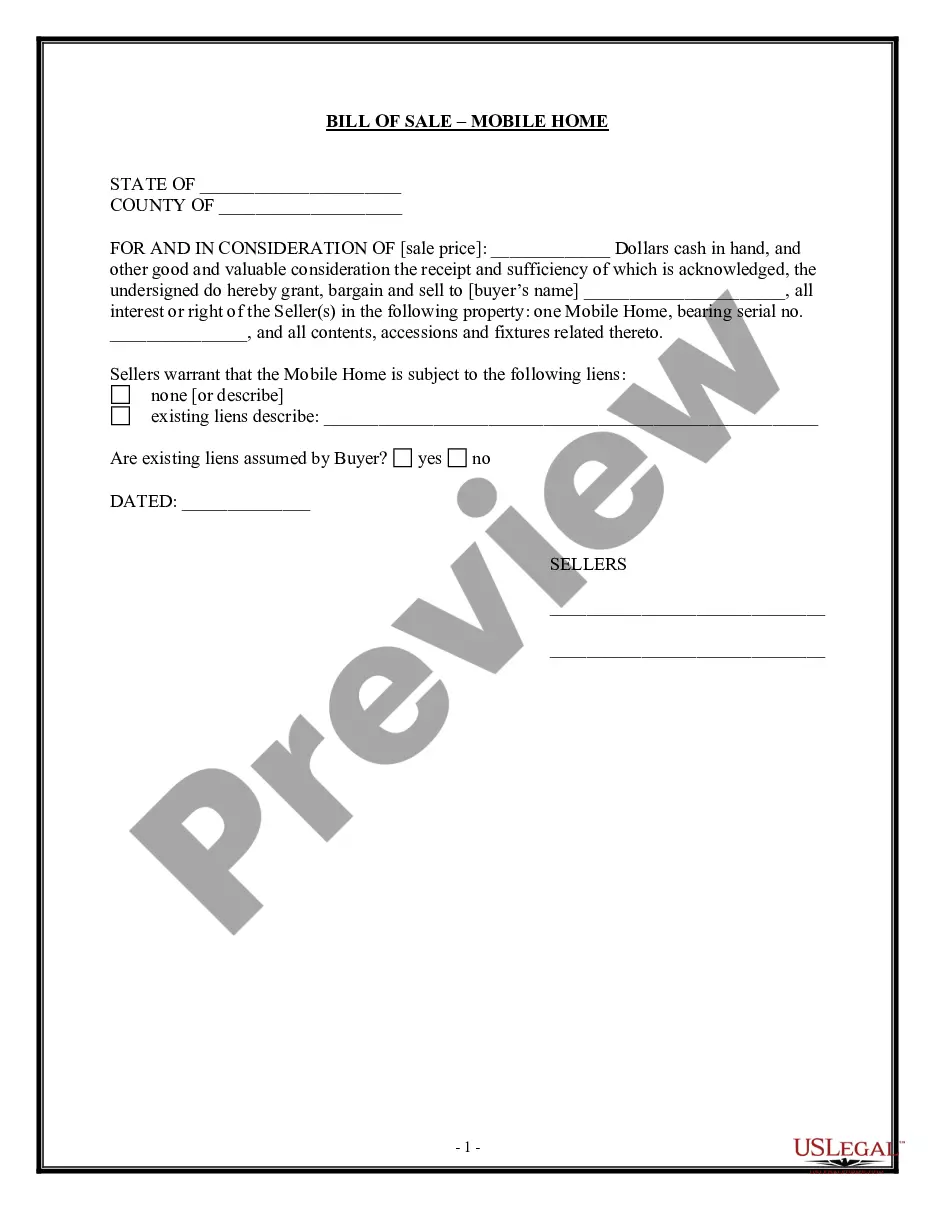
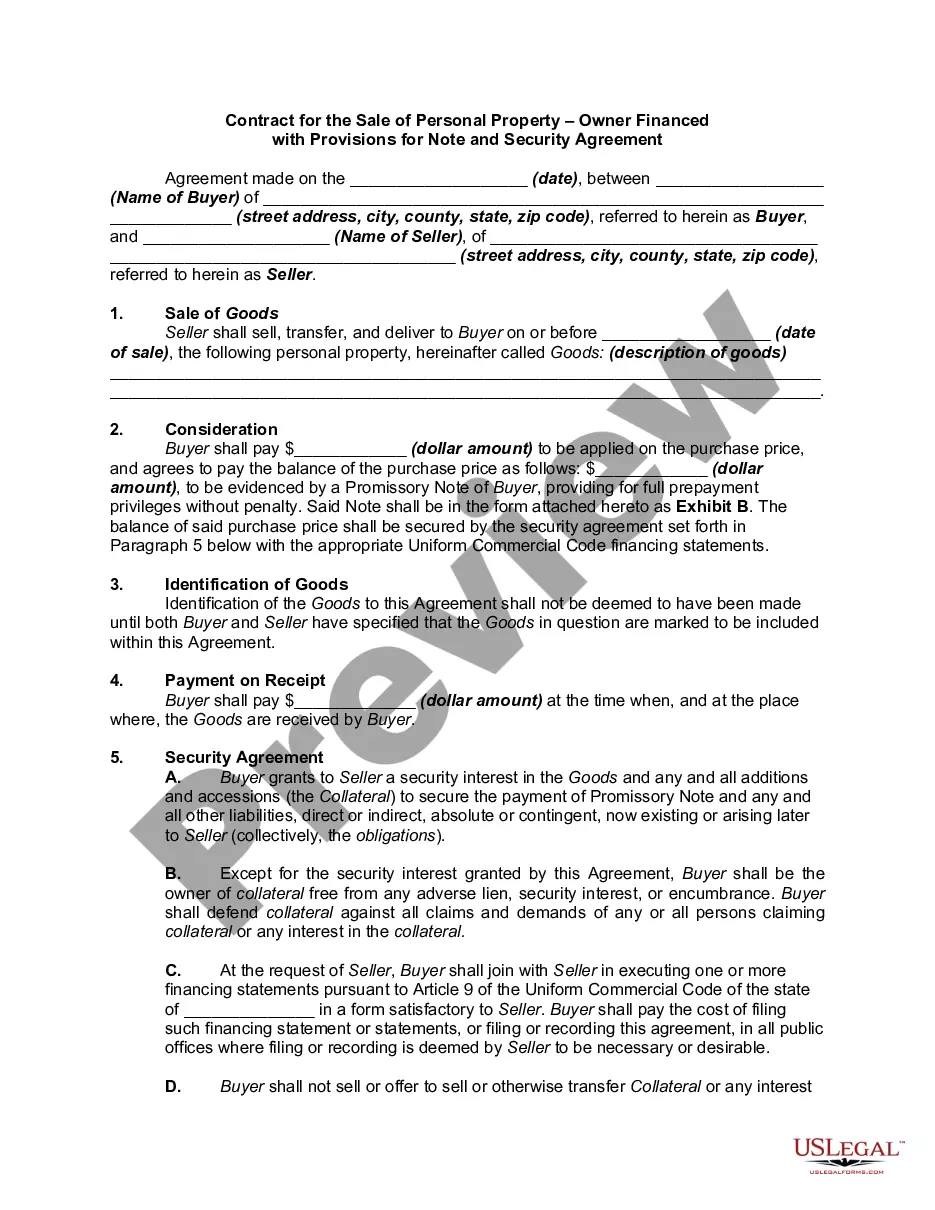
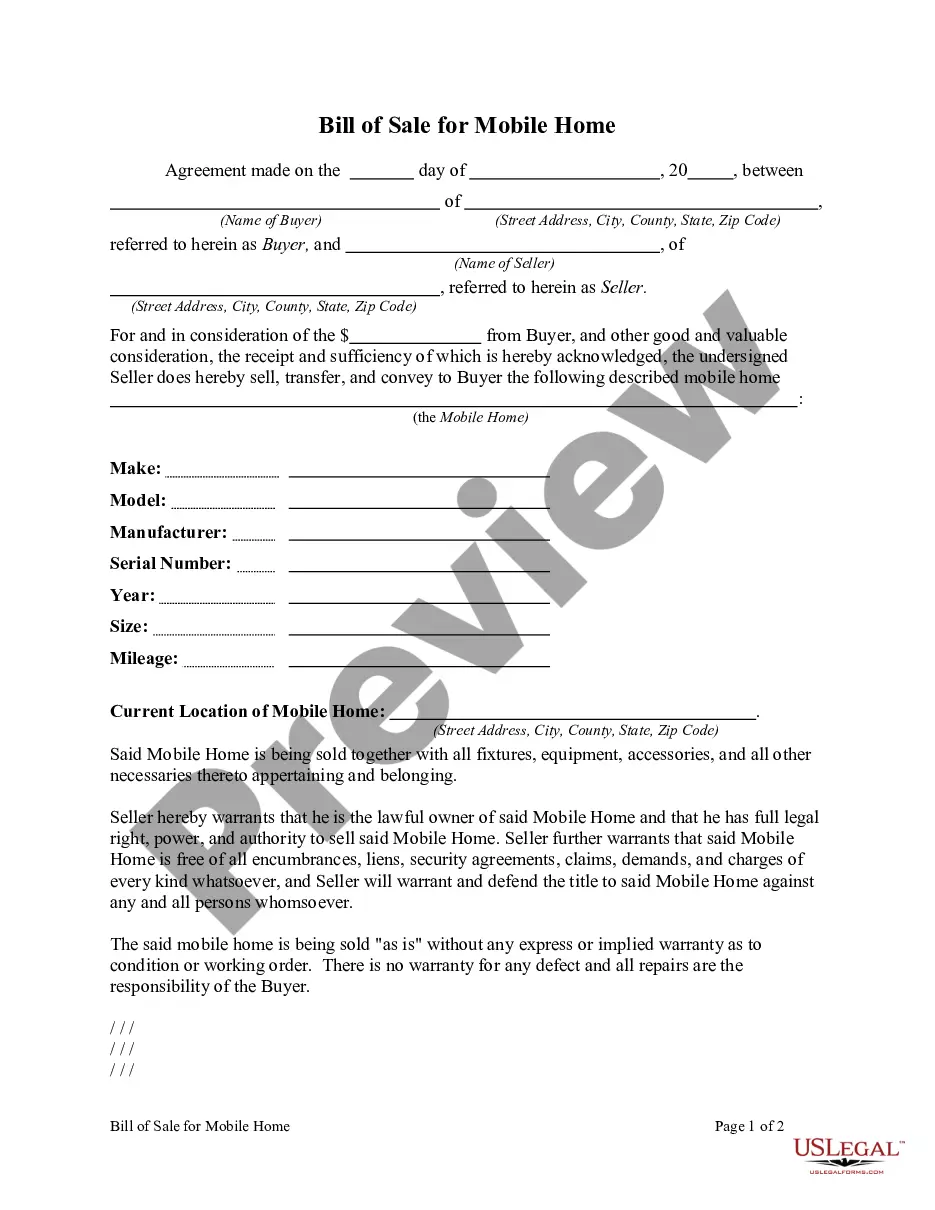
Get your form ready online
Our built-in tools help you complete, sign, share, and store your documents in one place.
Make edits, fill in missing information, and update formatting in US Legal Forms—just like you would in MS Word.
Download a copy, print it, send it by email, or mail it via USPS—whatever works best for your next step.
Sign and collect signatures with our SignNow integration. Send to multiple recipients, set reminders, and more. Go Premium to unlock E-Sign.
If this form requires notarization, complete it online through a secure video call—no need to meet a notary in person or wait for an appointment.
We protect your documents and personal data by following strict security and privacy standards.
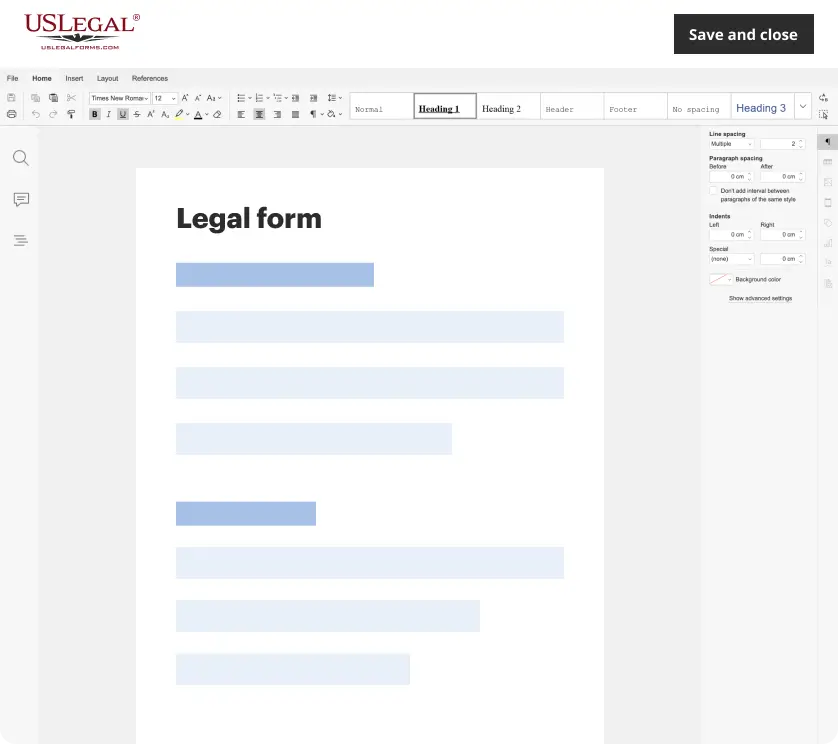
Make edits, fill in missing information, and update formatting in US Legal Forms—just like you would in MS Word.
Download a copy, print it, send it by email, or mail it via USPS—whatever works best for your next step.
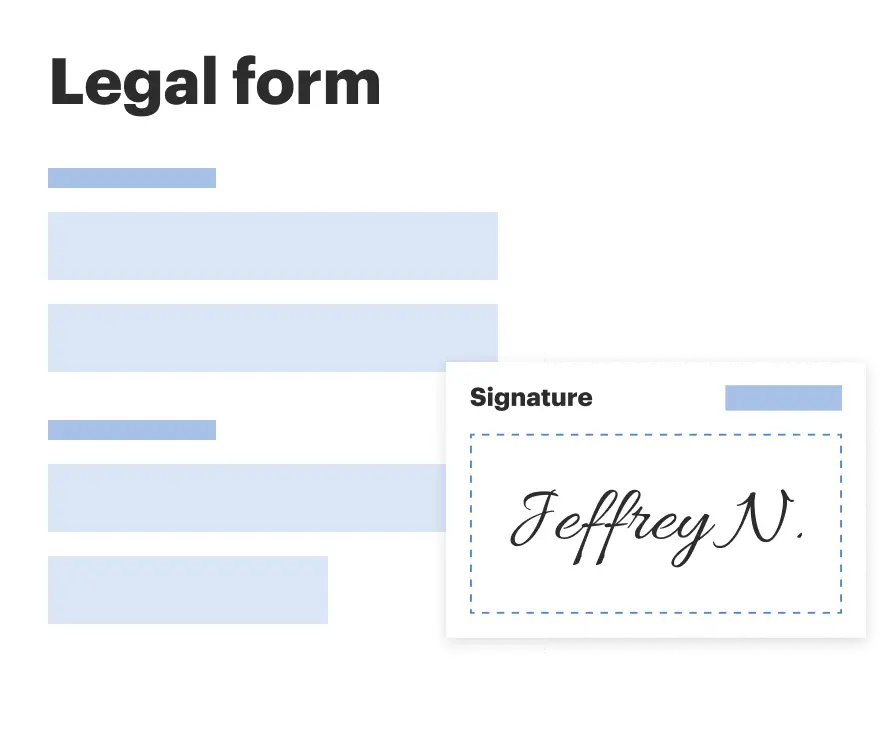
Sign and collect signatures with our SignNow integration. Send to multiple recipients, set reminders, and more. Go Premium to unlock E-Sign.
If this form requires notarization, complete it online through a secure video call—no need to meet a notary in person or wait for an appointment.
We protect your documents and personal data by following strict security and privacy standards.
Looking for another form?







Form popularity
FAQ
The clerk must issue a subpoena, signed but otherwise in blank, to a party who requests it. That party must complete it before service. An attorney also may issue and sign a subpoena if the attorney is authorized to practice in the issuing court. (4) Notice to Other Parties Before Service.
You with the e-filing process and information, but cannot give legal advice or file documents on your behalf. ✓ Call the support number for the EFSP you are using (Odyssey's number is 1-800-297-5377). .illinoiscourts/Forms/approved/procedures/interpreter_request.asp.
You must file either (1) Form PTAX-203 and any required documents with the deed or trust document or (2) an exemption notation on the original deed or trust document at the County Recorder's office within the county where the property is located.
Electronic Filing (or eFiling) is Mandatory for Civil Cases eFiling is mandatory in all civil cases in the Illinois Supreme, Appellate, and Circuit Courts through a single, centralized electronic filing manager (EFM), called eFileIL, by using one of the multiple certified electronic service providers that you pick.
