Chattel Mortgage Form With Decimals In Florida
Description

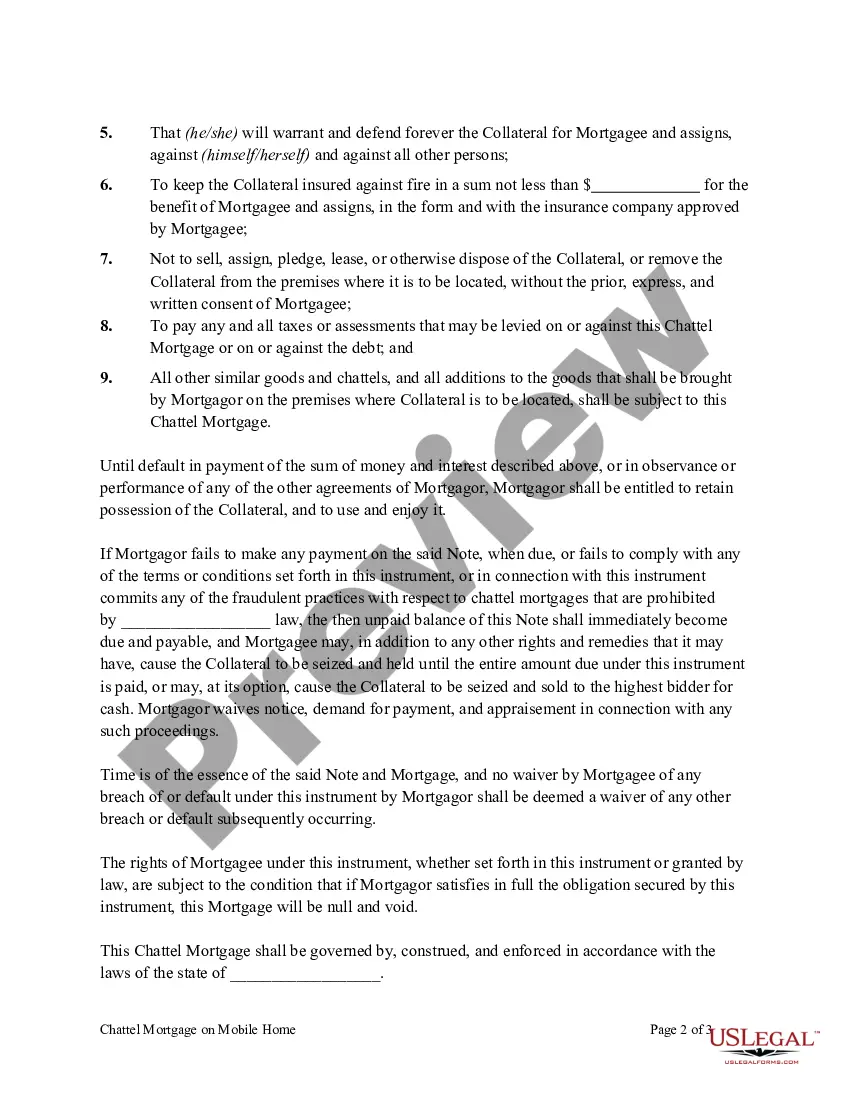
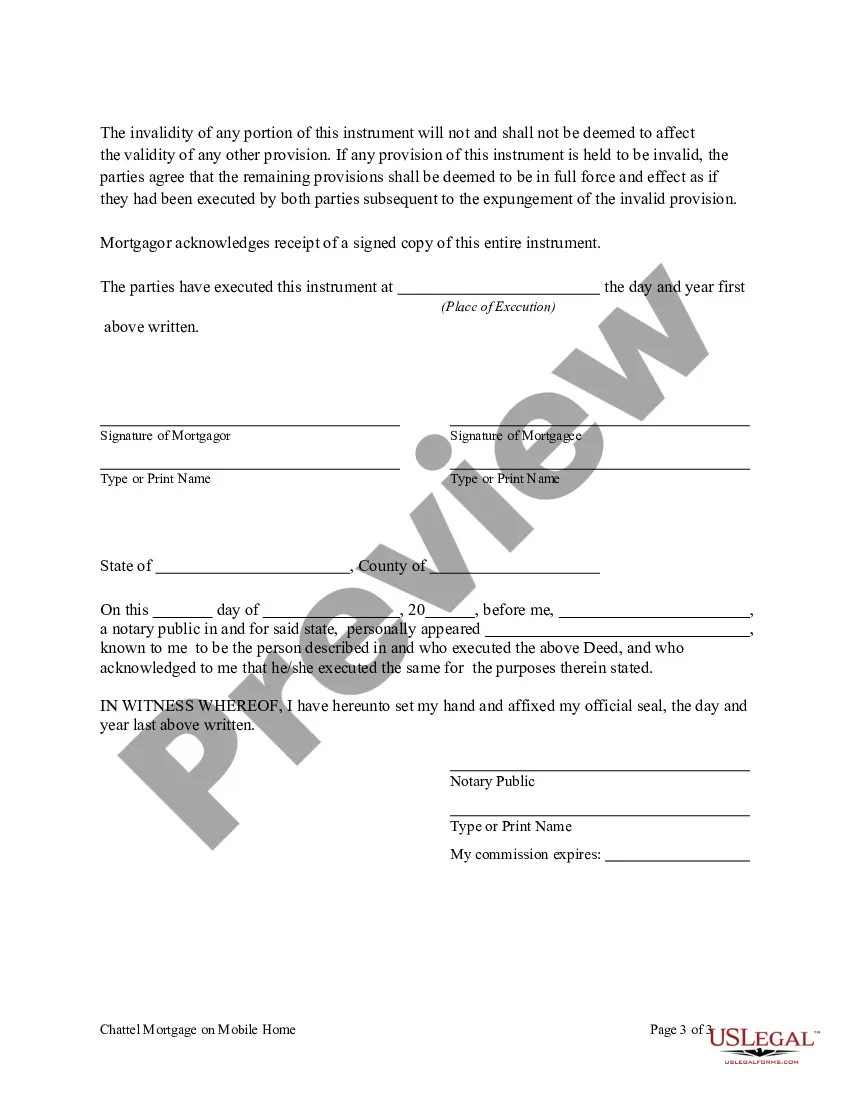
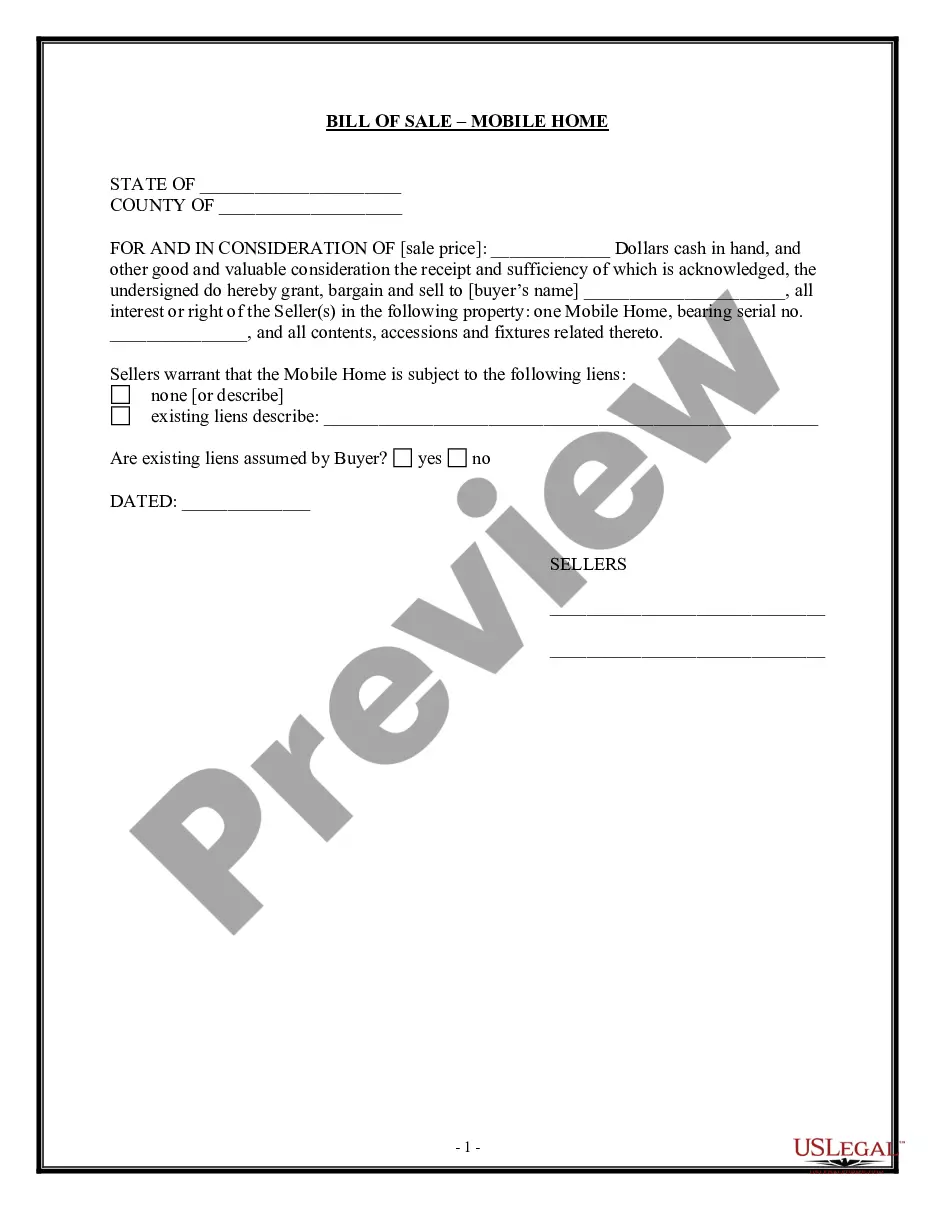
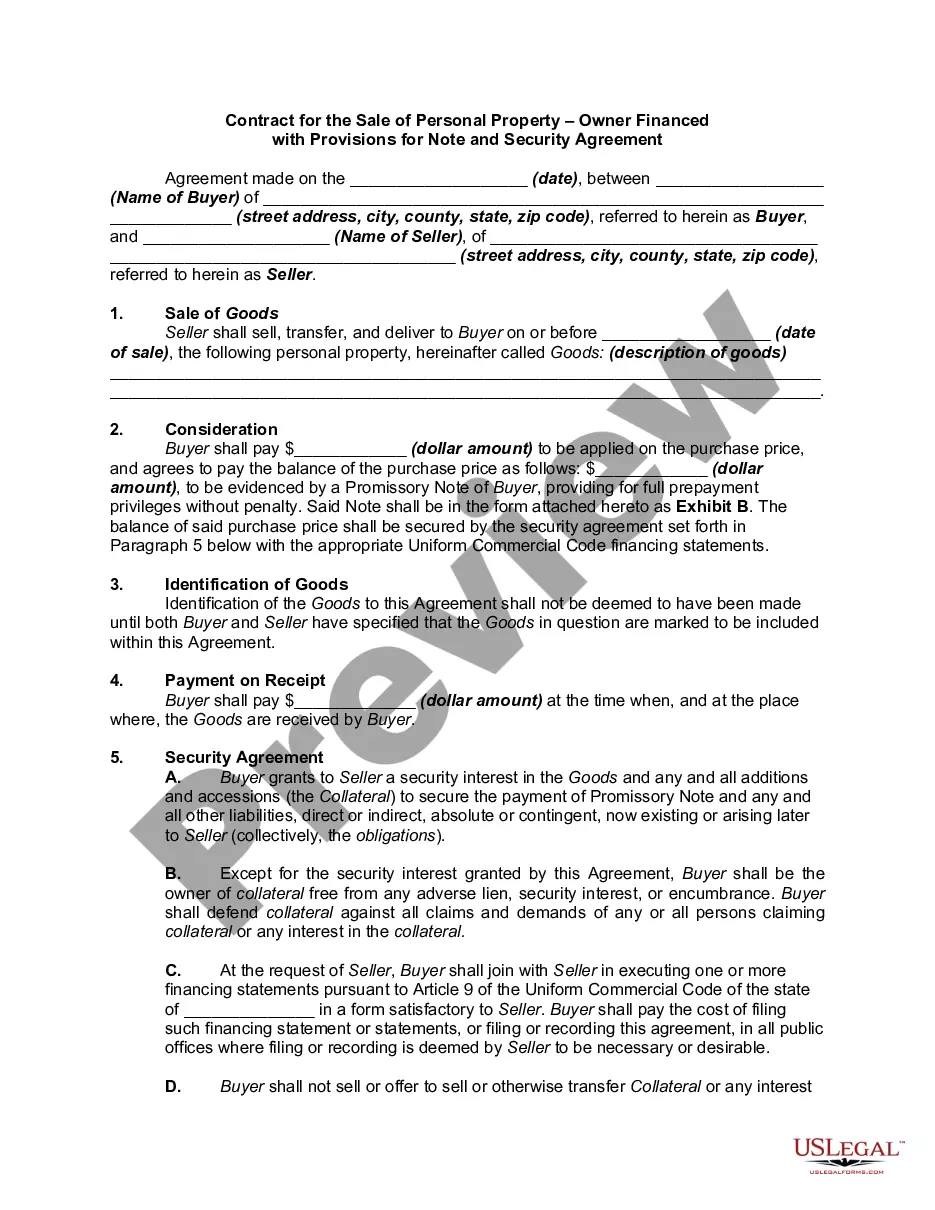
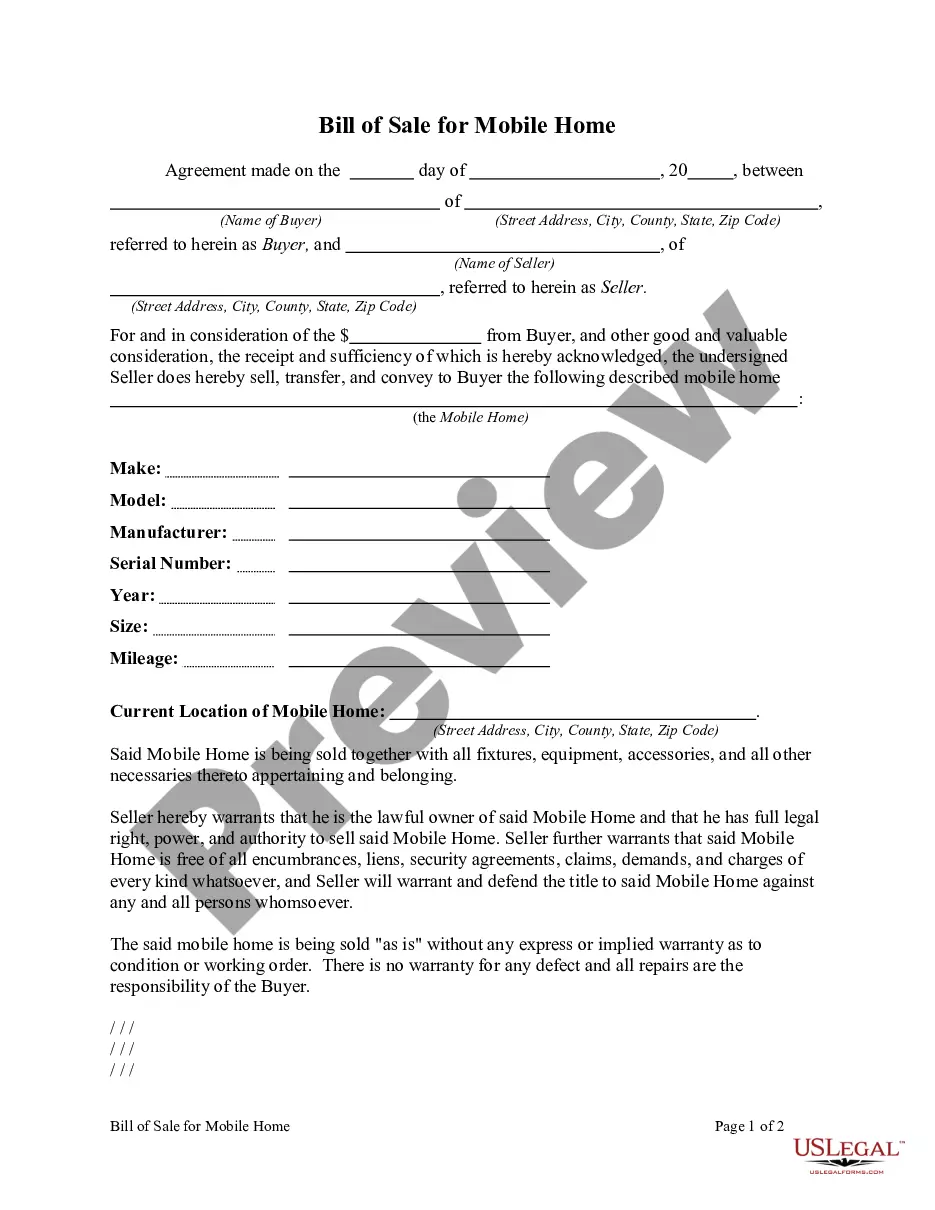
Get your form ready online
Our built-in tools help you complete, sign, share, and store your documents in one place.
Make edits, fill in missing information, and update formatting in US Legal Forms—just like you would in MS Word.
Download a copy, print it, send it by email, or mail it via USPS—whatever works best for your next step.
Sign and collect signatures with our SignNow integration. Send to multiple recipients, set reminders, and more. Go Premium to unlock E-Sign.
If this form requires notarization, complete it online through a secure video call—no need to meet a notary in person or wait for an appointment.
We protect your documents and personal data by following strict security and privacy standards.

Make edits, fill in missing information, and update formatting in US Legal Forms—just like you would in MS Word.

Download a copy, print it, send it by email, or mail it via USPS—whatever works best for your next step.

Sign and collect signatures with our SignNow integration. Send to multiple recipients, set reminders, and more. Go Premium to unlock E-Sign.

If this form requires notarization, complete it online through a secure video call—no need to meet a notary in person or wait for an appointment.

We protect your documents and personal data by following strict security and privacy standards.
Looking for another form?







Form popularity
FAQ
A general sales tax is a tax imposed at one rate on retail sales of a broad range of items. A taxpayer makes the election by checking box 5a on Schedule A of Form 1040. If you elect to deduct state and local general sales taxes, you can use either your actual expenses or the optional sales tax tables.
Schedule A is an optional schedule of Form 1040, which is the form U.S. taxpayers use for their personal income tax return. You must fill out Schedule A if you choose to itemize your deductions instead of taking the standard deduction.
Key Takeaways. An itemized deduction is an expense that can be subtracted from adjusted gross income to reduce your tax bill. Itemized deductions must be listed on Schedule A of Form 1040. Taxpayers can choose to itemize deductions or claim the standard deduction that applies to their filing status.
Use Schedule A (Form 1040 or 1040-SR) to figure your itemized deductions. In most cases, your federal income tax will be less if you take the larger of your itemized deductions or your standard deduction.
Use Schedule B (Form 1040) if any of the following applies: You had over $1,500 of taxable interest or ordinary dividends. You received interest from a seller-financed mortgage and the buyer used the property as a personal residence. You have accrued interest from a bond.
The standard deduction lowers your income by one fixed amount. On the other hand, itemized deductions are made up of a list of eligible expenses. You can claim whichever deduction reduces your tax bill the most. You are not allowed to claim both.
A chattel mortgage shall not be valid against any person except the mortgagor, his executors or administrators, unless the possession of the property is delivered to and retained by the mortgagee or unless the mortgage is recorded in the office of the register of deeds of the province in which the mortgagor resides at ...
Removing the encumbered status of the car on the LTO Certificate of Registration (CR) is done at the LTO. It can't just be any LTO office. It has to be done at the originating LTO branch office (the office where it was originally registered), or the LTO office stated on the Certificate of Registration (CR).
Documents Notarized by a Florida Notary Public Any document for which photocopying is prohibited. Birth Certificate. Certificate of Citizenship or Naturalization. Death Certificate. Documents filed in a court proceeding. Documents recorded by the Clerk of the Court. Federal or state income tax forms, already filed.
Rule 12.285 of Florida's Family Law Rules of Procedure was also recently amended to provide more circumstances under which the parties can forgo filing financial affidavits. The amended rule states that the parties can mutually agree to NOT file a financial affidavit by filing a joint verified waiver.
