Chattel Mortgage Form With Extra Judicial Foreclosure In Contra Costa
Description

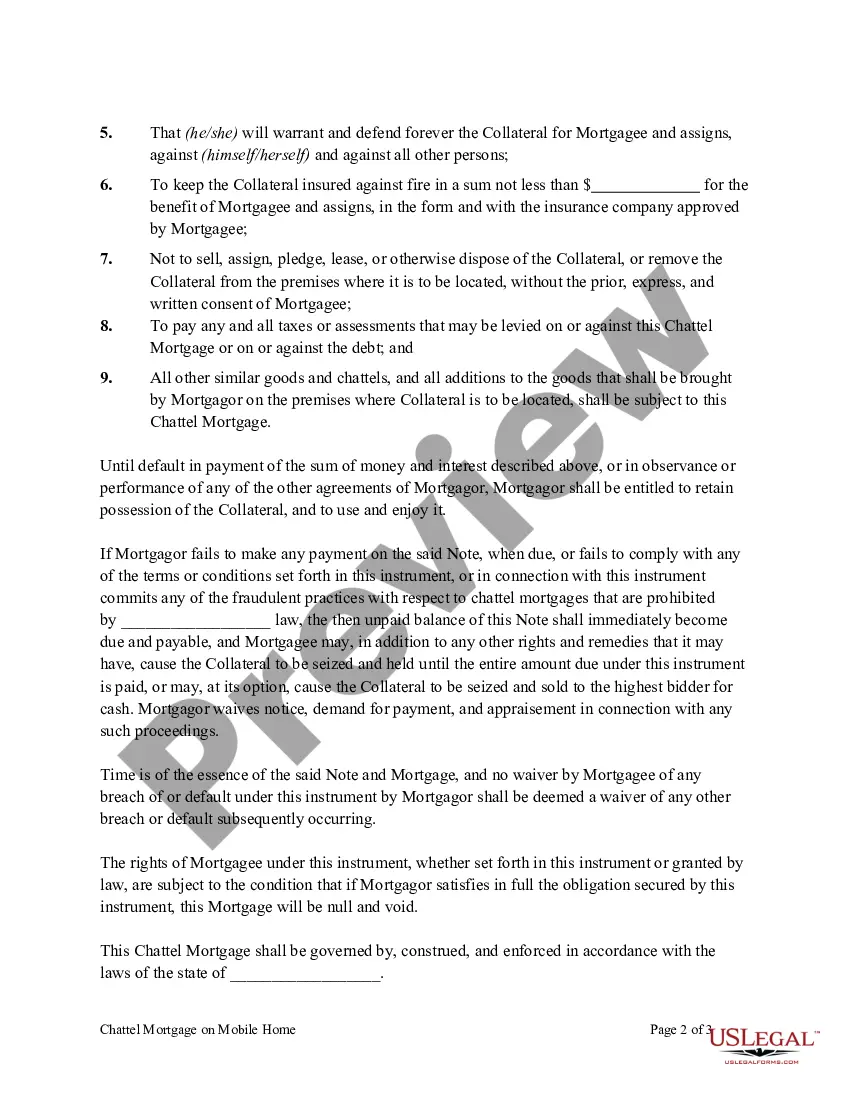
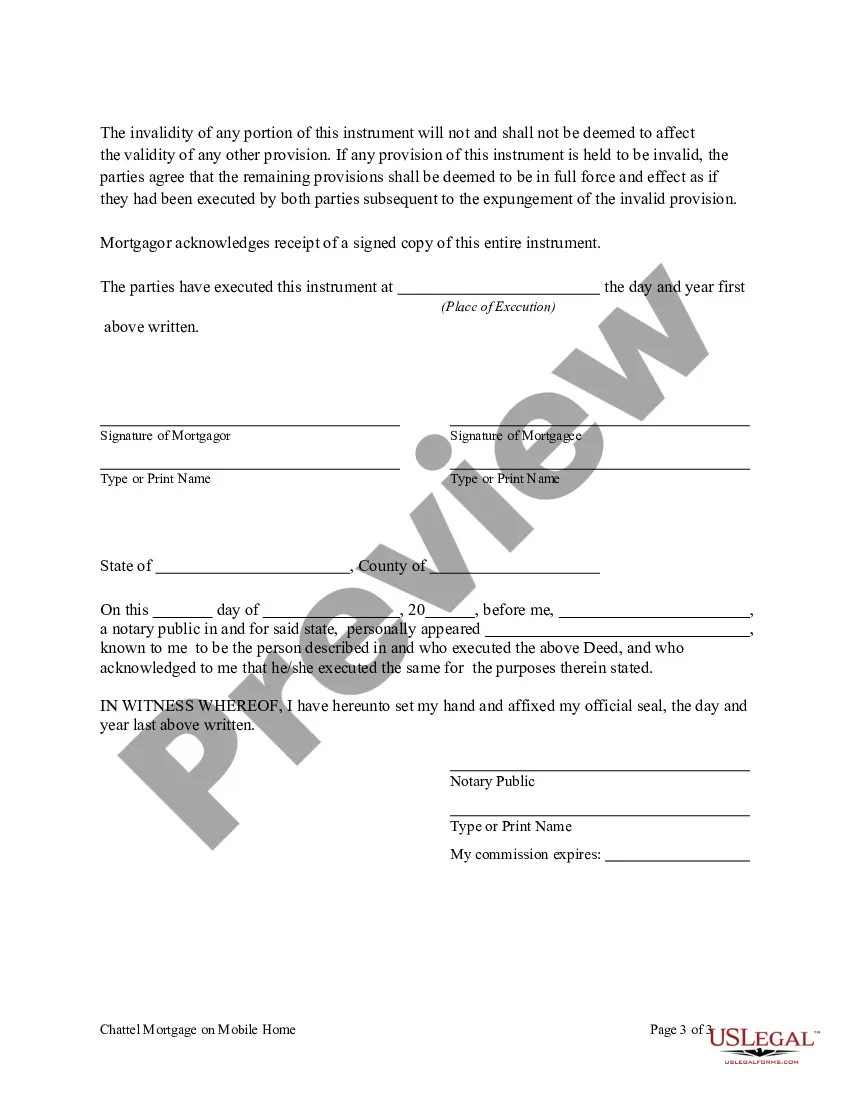
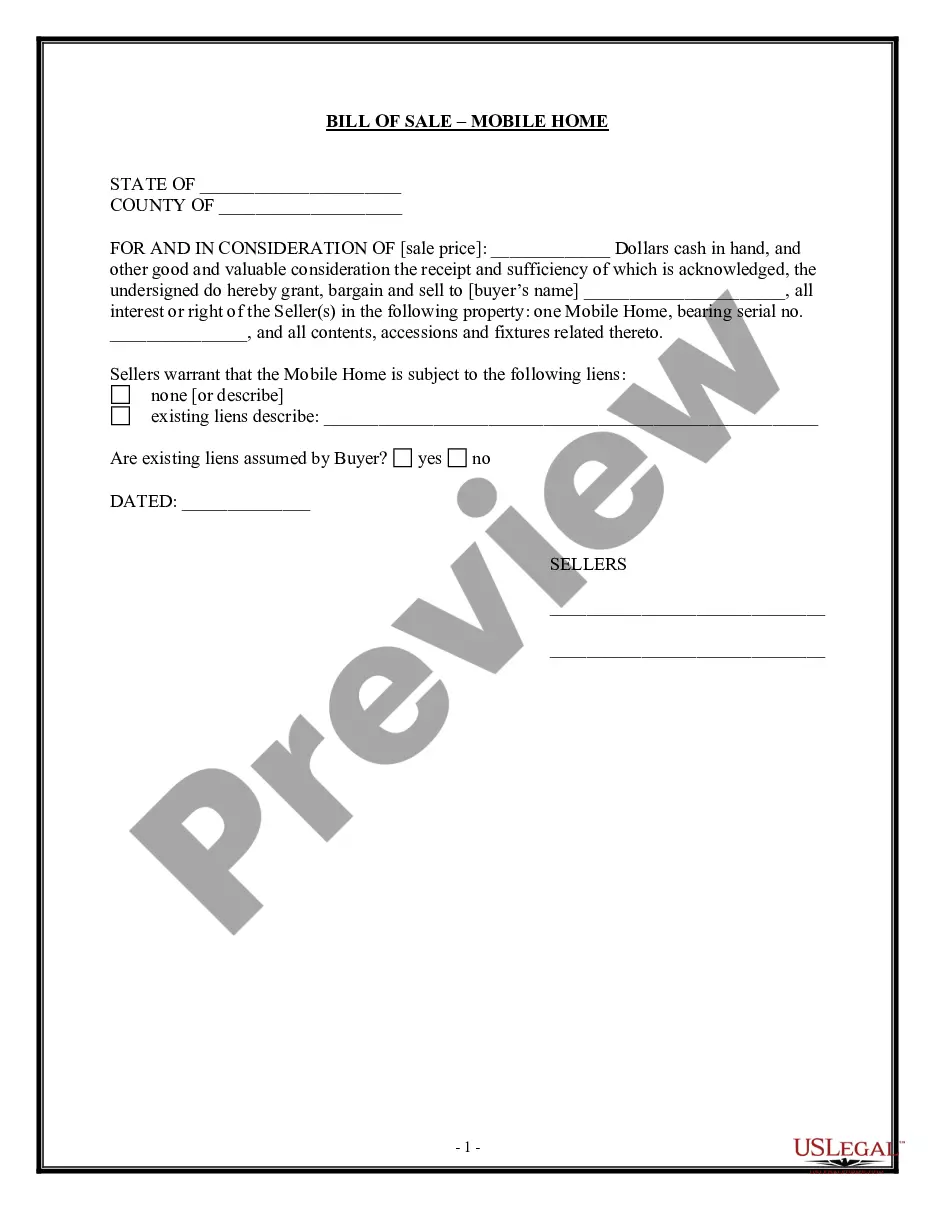
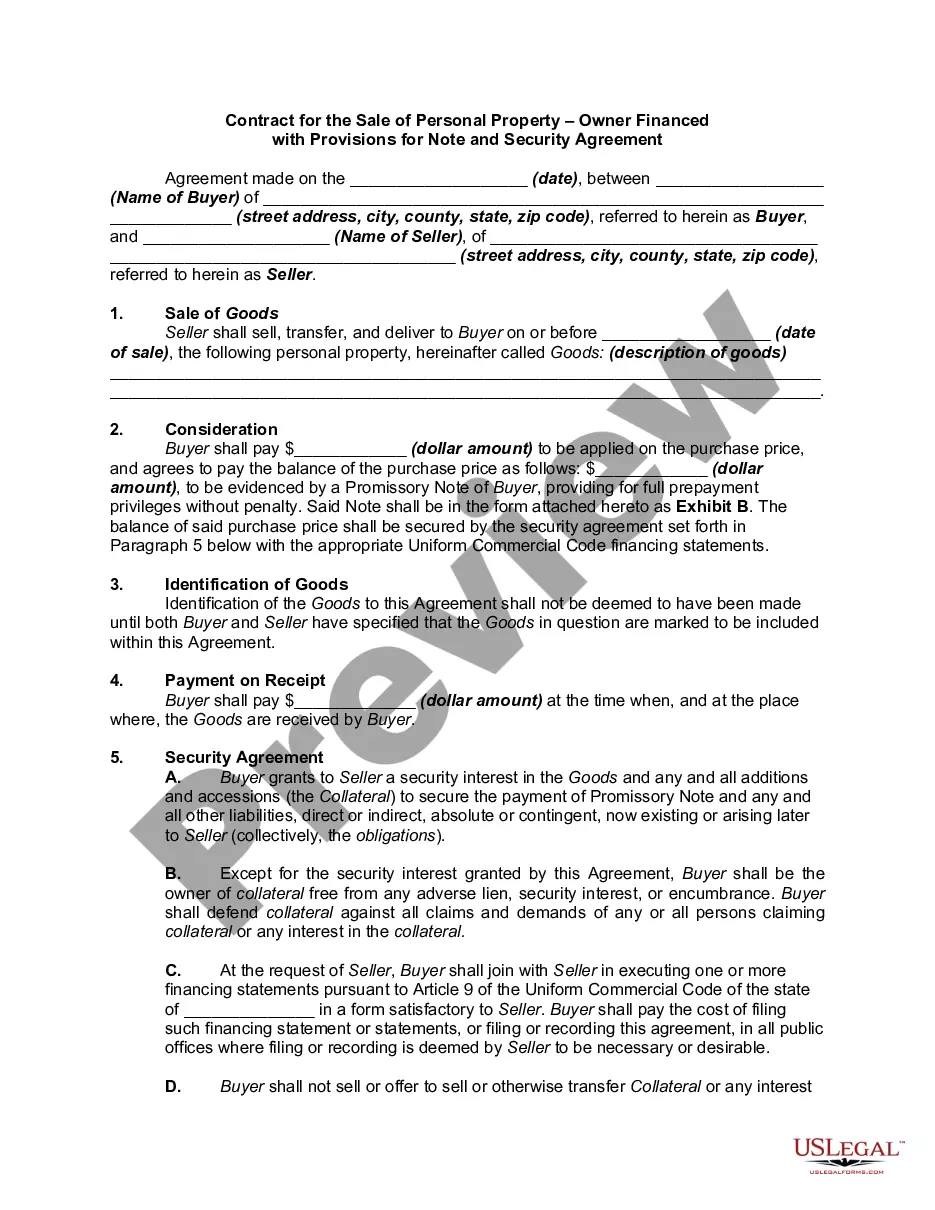
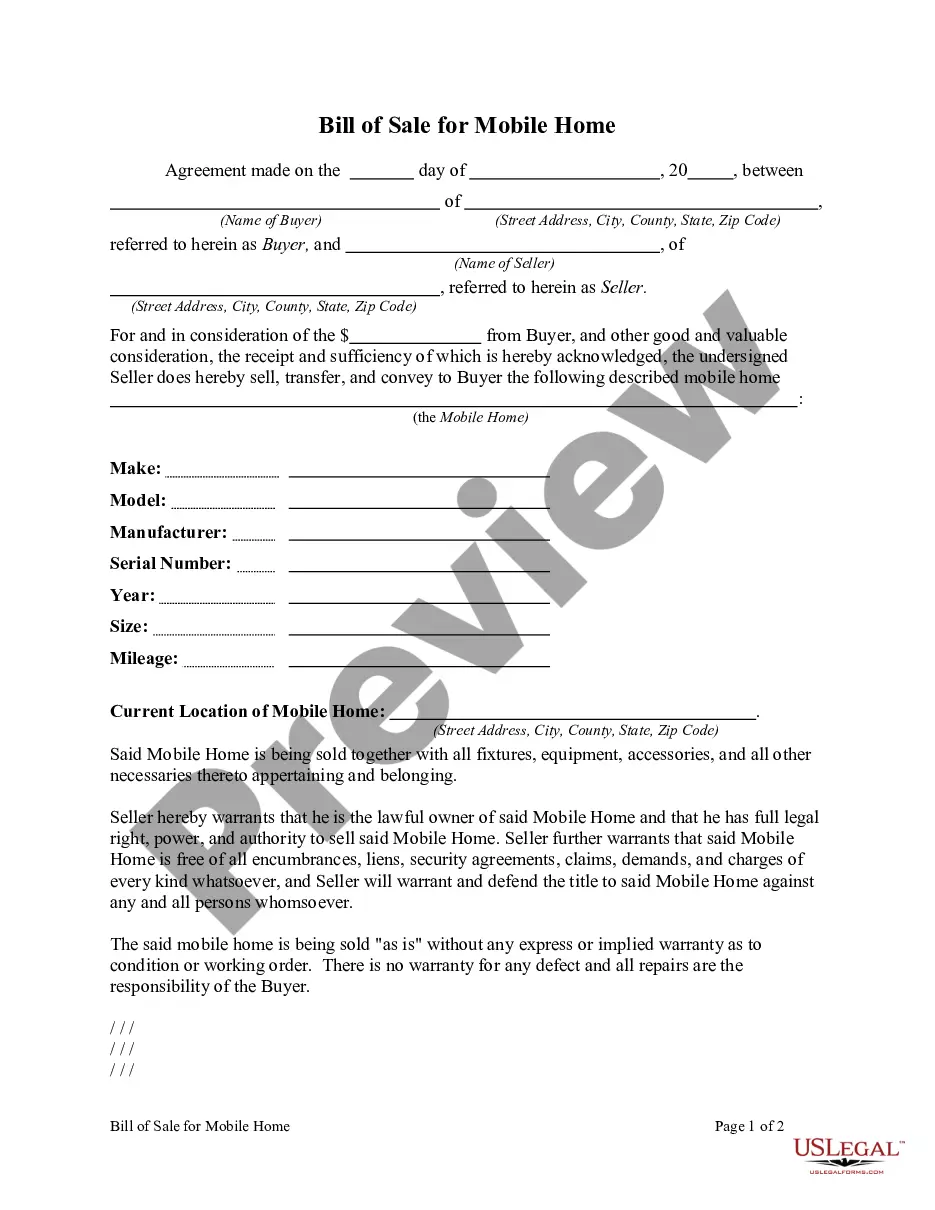
Get your form ready online
Our built-in tools help you complete, sign, share, and store your documents in one place.
Make edits, fill in missing information, and update formatting in US Legal Forms—just like you would in MS Word.
Download a copy, print it, send it by email, or mail it via USPS—whatever works best for your next step.
Sign and collect signatures with our SignNow integration. Send to multiple recipients, set reminders, and more. Go Premium to unlock E-Sign.
If this form requires notarization, complete it online through a secure video call—no need to meet a notary in person or wait for an appointment.
We protect your documents and personal data by following strict security and privacy standards.

Make edits, fill in missing information, and update formatting in US Legal Forms—just like you would in MS Word.

Download a copy, print it, send it by email, or mail it via USPS—whatever works best for your next step.

Sign and collect signatures with our SignNow integration. Send to multiple recipients, set reminders, and more. Go Premium to unlock E-Sign.

If this form requires notarization, complete it online through a secure video call—no need to meet a notary in person or wait for an appointment.

We protect your documents and personal data by following strict security and privacy standards.
Looking for another form?








Form popularity
FAQ
Judgment Liens – The direct result of a lawsuit, this type of involuntary lien can be placed on your property after a creditor sues you and wins the case. Judgment liens are most commonly used by unsecured creditors, such as the holders of credit card debt, personal loans, and medical bills.
The Register of Deeds records a variety of important documents, including property deeds and titles, mortgages and leases, and liens and easements.
Trust Deed - An instrument used to create a mortgage lien by which the mortgagor conveys his or her title to a trustee, who holds it as security for the benefit of the note holder (the lender); also called a Deed of Trust.
In the Philippines, foreclosure proceedings are governed by several laws, including Act No. 3135, as amended by Act No. 4118, which specifically covers the foreclosure of real estate mortgages. This legal framework ensures that the rights of both the lender and borrower are protected during the foreclosure process.
Foreclosure starts from the time the lender records a Notice of Default and after 90 days, the Trustee may give Notice of Sale. The Notice of Sale must be given at least 20 days before the date of the sale.
A chattel mortgage shall not be valid against any person except the mortgagor, his executors or administrators, unless the possession of the property is delivered to and retained by the mortgagee or unless the mortgage is recorded in the office of the register of deeds of the province in which the mortgagor resides at ...
The acquisition of ownership of the mortgaged property via judicial foreclosure is a long process. Extra-judicial foreclosure is simpler and faster. The property shall be sold and if the mortgagor fails to redeem the property within the period provided by law, the mortgagee becomes the absolute owner thereof.
The court's writ of execution authorizes an official, such as the county sheriff, to seize and sell the foreclosed property.
