Chattel Mortgage Form Foreclosure In Chicago
Description

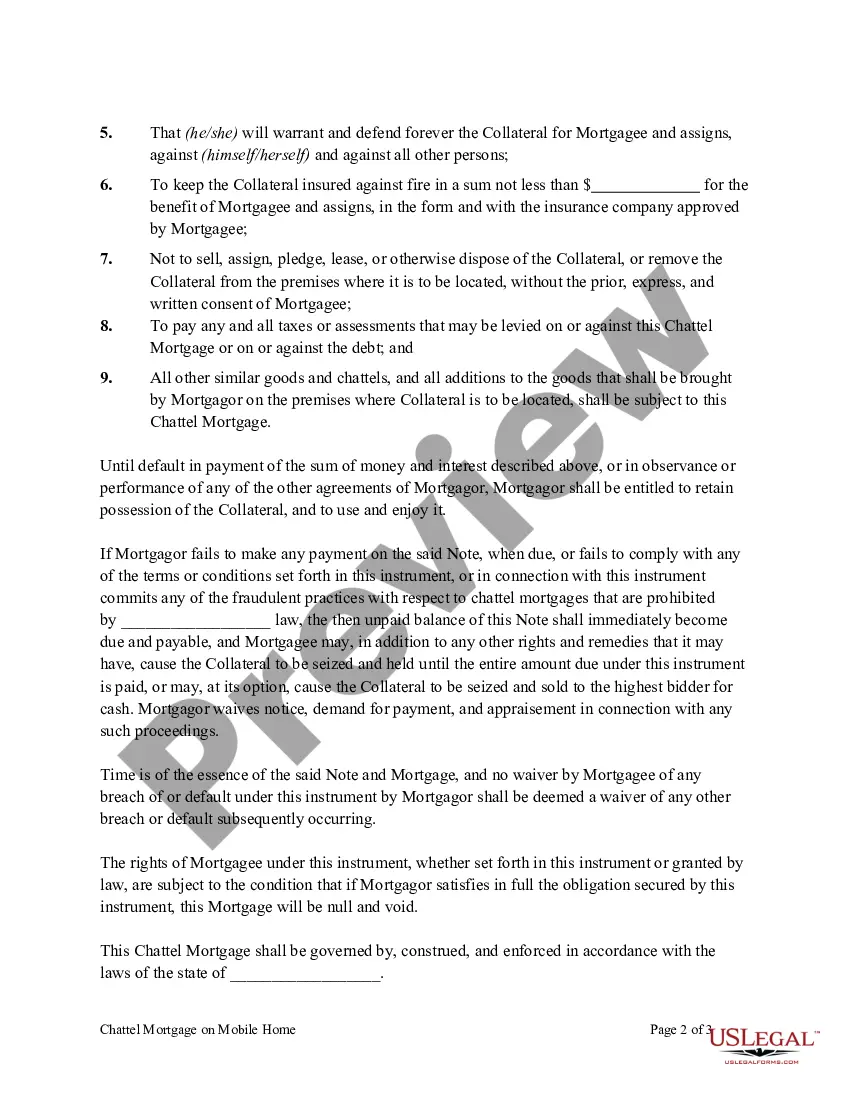
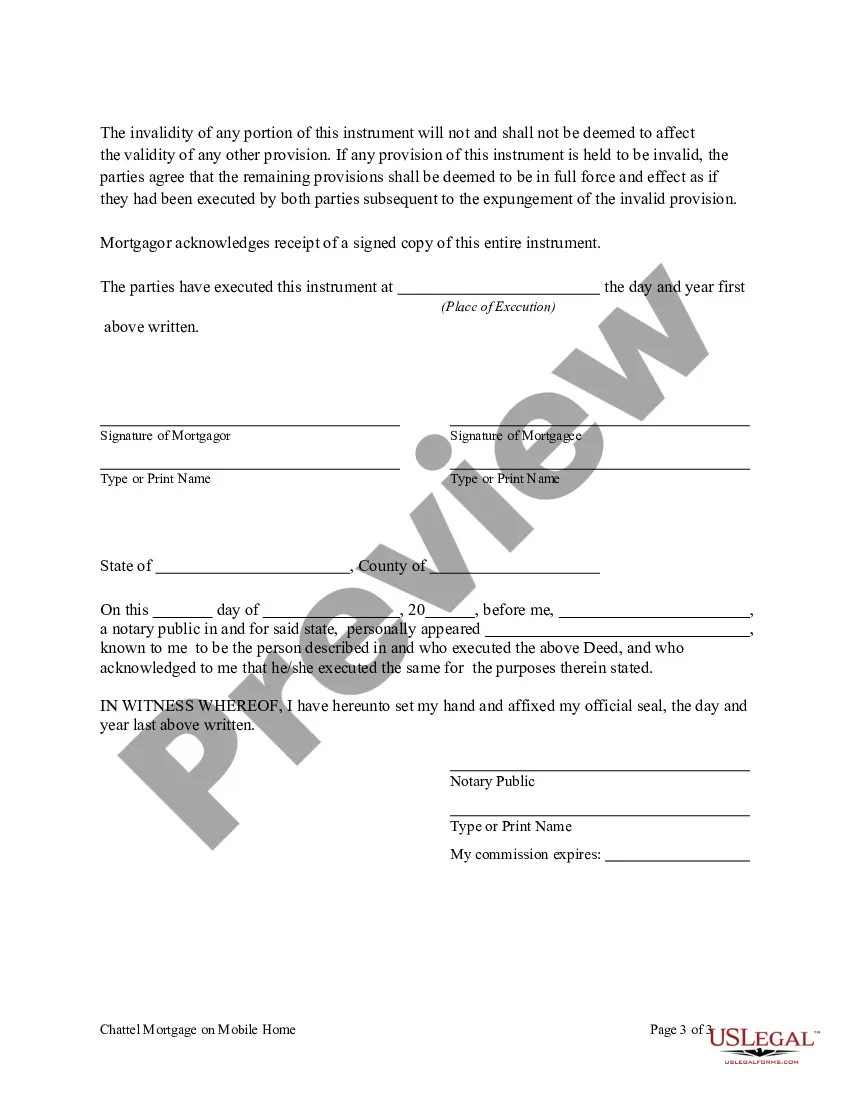
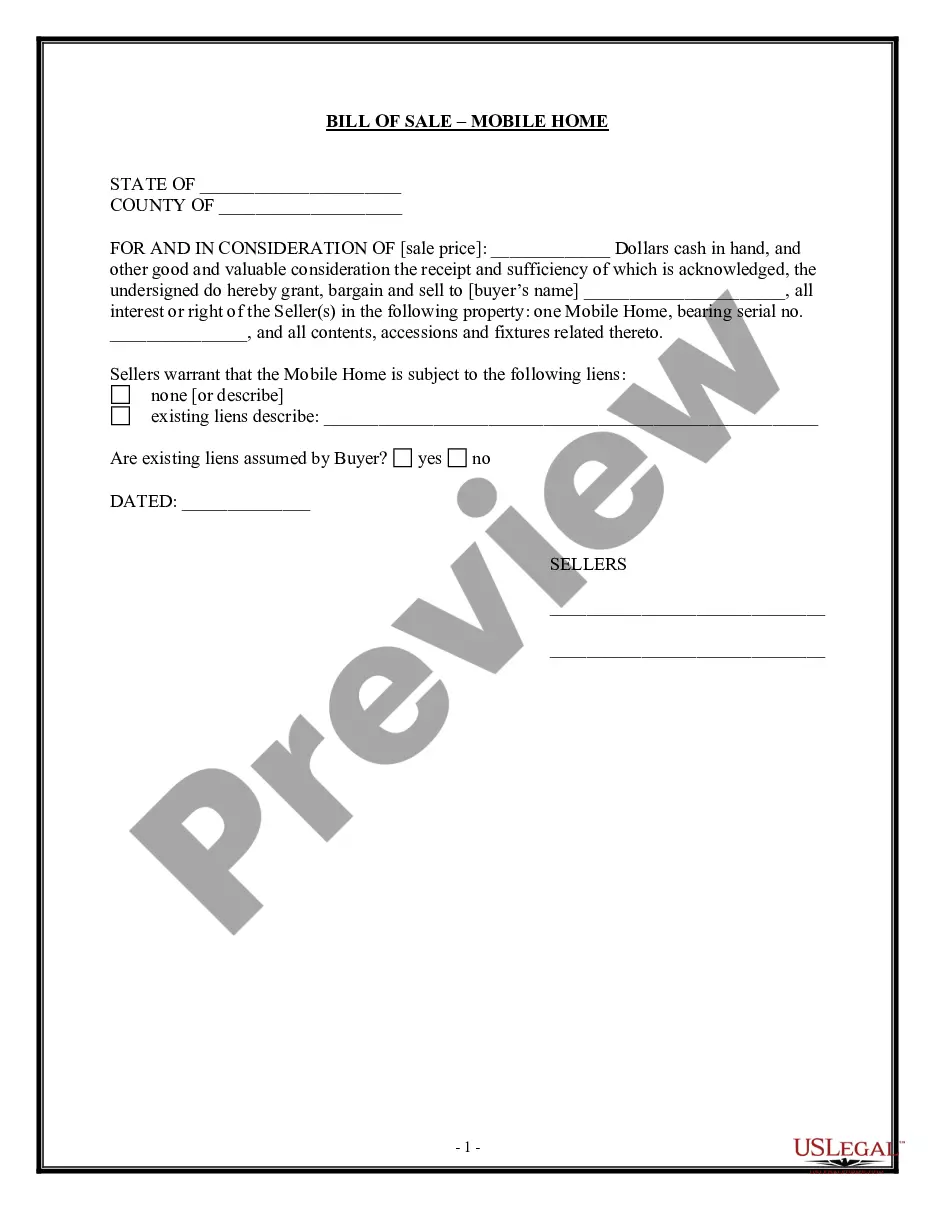
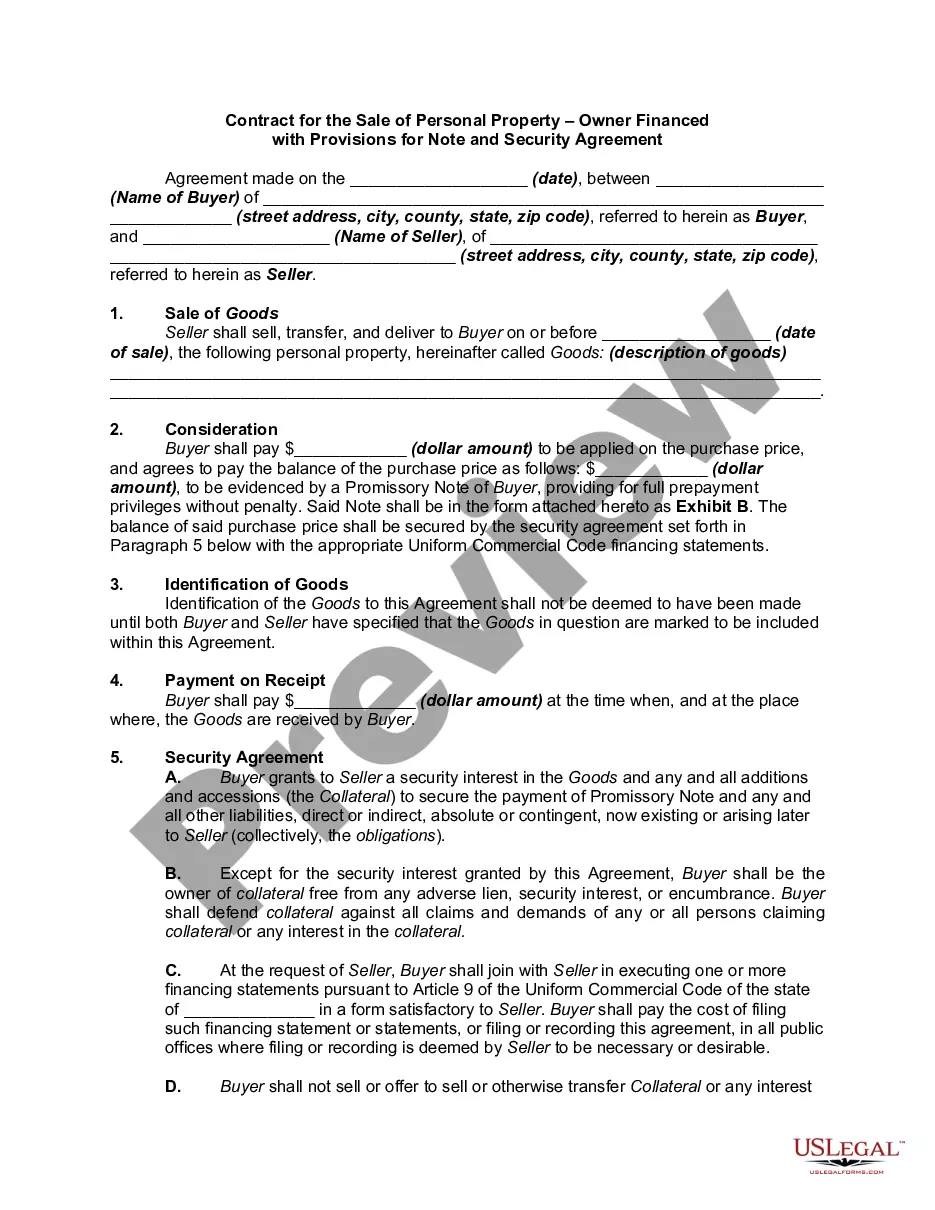
Get your form ready online
Our built-in tools help you complete, sign, share, and store your documents in one place.
Make edits, fill in missing information, and update formatting in US Legal Forms—just like you would in MS Word.
Download a copy, print it, send it by email, or mail it via USPS—whatever works best for your next step.
Sign and collect signatures with our SignNow integration. Send to multiple recipients, set reminders, and more. Go Premium to unlock E-Sign.
If this form requires notarization, complete it online through a secure video call—no need to meet a notary in person or wait for an appointment.
We protect your documents and personal data by following strict security and privacy standards.

Make edits, fill in missing information, and update formatting in US Legal Forms—just like you would in MS Word.

Download a copy, print it, send it by email, or mail it via USPS—whatever works best for your next step.

Sign and collect signatures with our SignNow integration. Send to multiple recipients, set reminders, and more. Go Premium to unlock E-Sign.

If this form requires notarization, complete it online through a secure video call—no need to meet a notary in person or wait for an appointment.

We protect your documents and personal data by following strict security and privacy standards.
Looking for another form?







Form popularity
FAQ
Filing an Answer to the Lawsuit If you decide to respond to the suit, you can tell a judge why you think the foreclosure isn't warranted. You must present your objections to the foreclosure by filing an "answer" with the court by a specific deadline.
A judge in the Circuit Court of Cook County oversees the foreclosure process, which typically involves the lender filing a lawsuit against the homeowner for defaulting on the mortgage. If the Court finds in favor of the lender, it can result in the forced sale of the property to repay the outstanding mortgage debt.
To respond to the Mortgage Foreclosure Summons, you actually must respond to the ``Complaint'' which was attached to the Summons. You file a response called an ``Answer'' that responds - paragraph by paragraph - to the claims about you in the Complaint.
For homeowners facing immediate foreclosure, filing for bankruptcy or obtaining a temporary restraining order (TRO) can be effective solutions. Chapter 7 or Chapter 13 bankruptcy creates an “automatic stay,” which temporarily halts all collection activities, including foreclosure auctions.
Send a public records request to the Office of the Assessor-Recorder in the county or city in which you reside. This office maintains public property records, and will have access to all publicly available foreclosure documents.
Government Agencies and Other Options for Finding Foreclosures U.S. Department of Housing and Urban Development (HUD) Federal National Mortgage Association's (Fannie Mae) HomePath website. Department of the Treasury, which lists homes seized by the Internal Revenue Service.
The new law does not disturb New York's six-year statute of limitations on mortgage foreclosure actions. It simply restores a common-sense principle: no party may unilaterally stop and restart the statute of limitations to revive what would otherwise be a time-barred action.
Public records Throughout the foreclosure process, various legal notices must be filed in your County Recorder's Office. This information is public record and available to anyone. Just visit your county's office and you can search for a Notice of Default (NOD), lis pendens or Notice of Sale.
Deed in Lieu of Foreclosure Potential for Relocation Assistance: Sometimes, lenders may offer relocation assistance or additional time to stay in the home as part of the deal. Faster Resolution: The deed in lieu process is generally quicker than foreclosure, providing faster relief from mortgage obligations.
