Chattel Form Paper Format In Chicago
Description

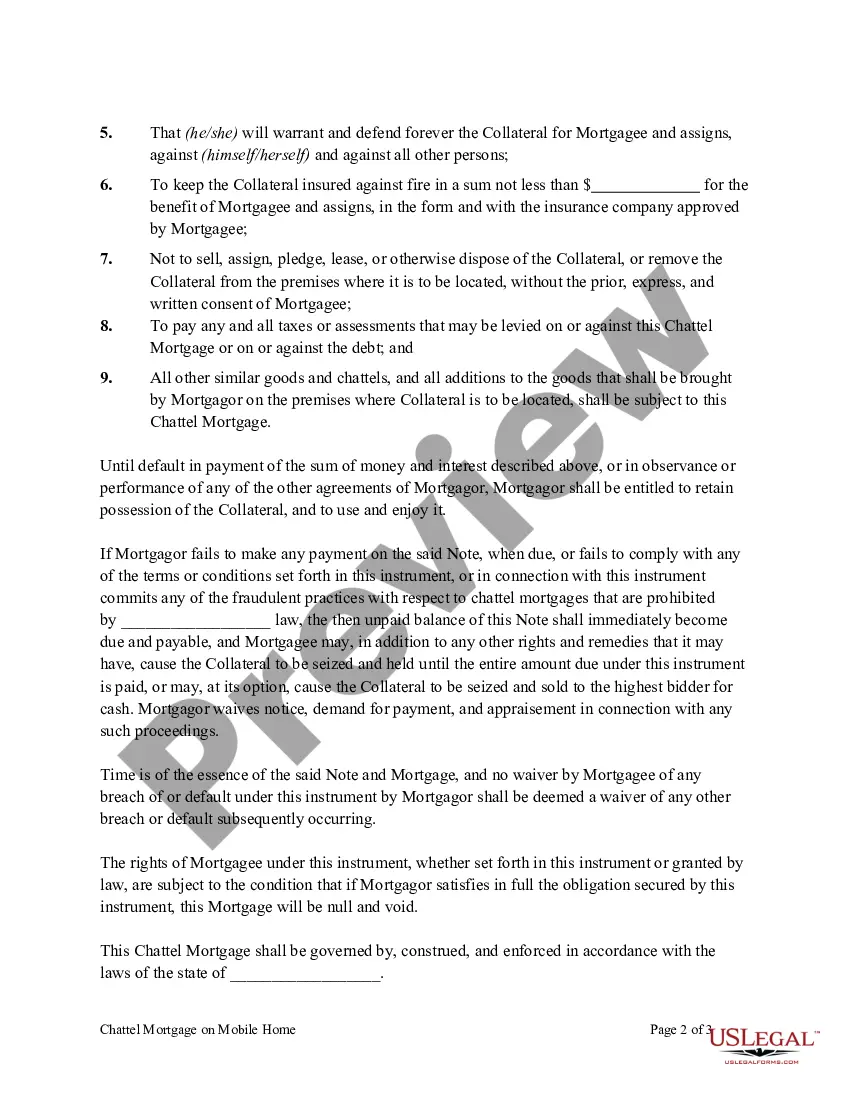
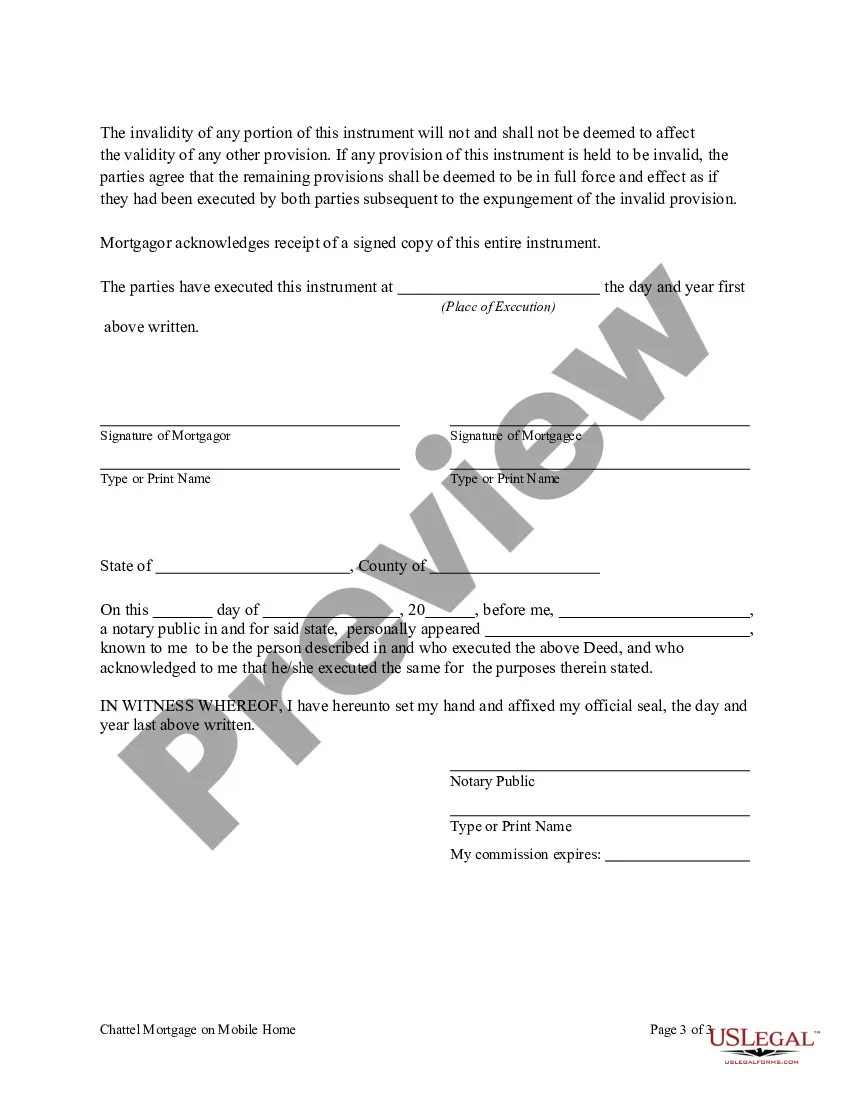
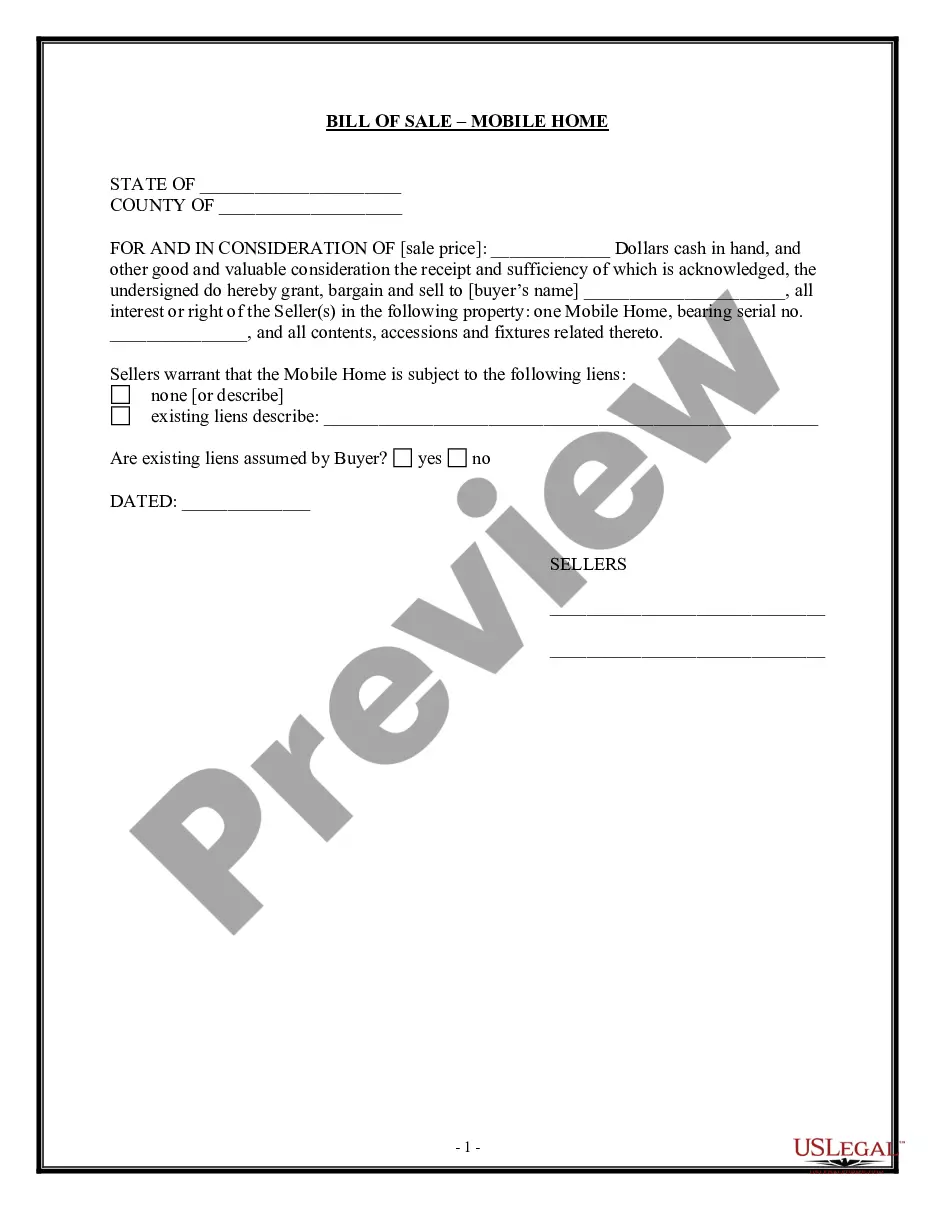
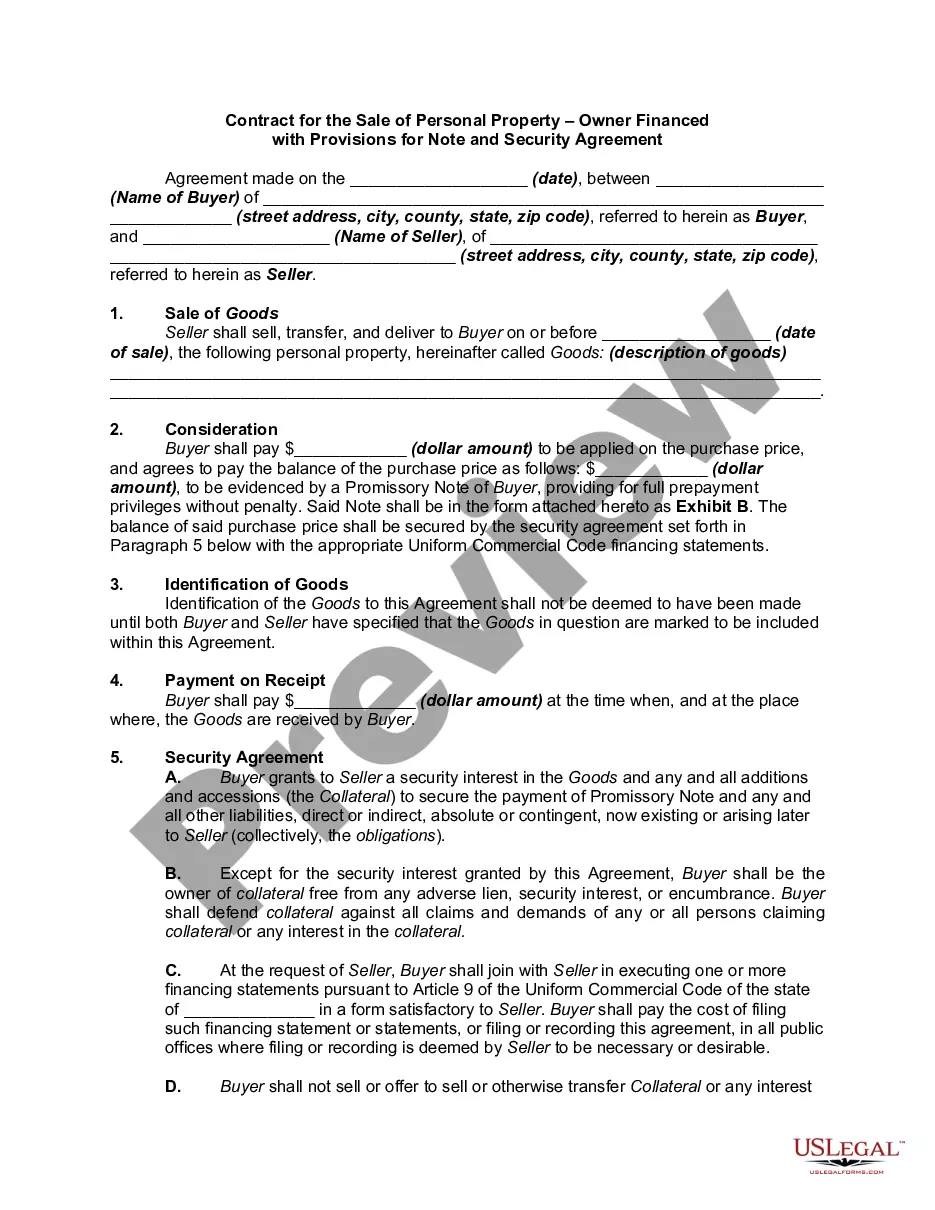
Get your form ready online
Our built-in tools help you complete, sign, share, and store your documents in one place.
Make edits, fill in missing information, and update formatting in US Legal Forms—just like you would in MS Word.
Download a copy, print it, send it by email, or mail it via USPS—whatever works best for your next step.
Sign and collect signatures with our SignNow integration. Send to multiple recipients, set reminders, and more. Go Premium to unlock E-Sign.
If this form requires notarization, complete it online through a secure video call—no need to meet a notary in person or wait for an appointment.
We protect your documents and personal data by following strict security and privacy standards.

Make edits, fill in missing information, and update formatting in US Legal Forms—just like you would in MS Word.

Download a copy, print it, send it by email, or mail it via USPS—whatever works best for your next step.

Sign and collect signatures with our SignNow integration. Send to multiple recipients, set reminders, and more. Go Premium to unlock E-Sign.

If this form requires notarization, complete it online through a secure video call—no need to meet a notary in person or wait for an appointment.

We protect your documents and personal data by following strict security and privacy standards.
Looking for another form?








Form popularity
FAQ
Typography. The Chicago Manual of Style does not specify a specific font type and size. A Manual for Writers by Kate Turabian suggests using either 12-point Times New Roman font or 10-point Arial font.
For more detailed information see Chicago Manual of Style, 14.19. A note consist of two parts: A superscripted note number (1) in the text, placed at the end of a sentence or clause. A note containing the citation, placed either at the bottom of the page (footnote) or at the end of the paper (endnote).
Page Formatting Use one-inch margins on all sides. The preferred font/size is Times New Roman, 12 pt. Indent all paragraphs in the body of the paper ½”. Double-space the entire paper, except block quotes, footnotes, bibliography entries, reference lists, table titles, and figure captions.
Overall page layout One inch margins on sides, top and bottom. Use Times or Times New Roman 12 pt font. Double-space the text of the paper. Use left-justified text, which will have a ragged right edge. Use a 1/2" indent for paragraph beginnings, block quotes and hanging (bibliography) indents.
Until the 17th edition, Chicago style was to spell out the noun in running text, but abbreviate the adjective as US. Now, we allow US as a noun, but only if the meaning is clear from context—that is, the usage is subject to editorial discretion.
Indent notes (footnotes or endnotes) 1/2" (first line indent, like a normal paragraph). Use a hanging indent of 1/2" for Bibliography entries. Block indent long quotations 1/2".
To apply Chicago format: Use a standard font like 12 pt. Times New Roman. Double-space the text. Use 1 inch margins or larger. Indent new paragraphs by ½ inch. Place page numbers in the top right or bottom center.
How to Format Notes List in order the author, title, and facts of publication. Author's names: write in standard order (e.g., Julia Alvarez) Titles: capitalize in headline style (e.g., How the García Girls Lost Their Accents) Books/Journal Titles: italicize (e.g., How the García Girls Lost Their Accents)
Formatting instructions Insert a running head (for a professional paper—not needed for a student paper) and page number. Set page margins to 1 inch (2.54 cm). Write “Abstract” (bold and centered) at the top of the page. Place the contents of your abstract on the next line. List 3–5 keywords directly below the content.
You'll need to label the page at the top with “Abstract” in italics. You'll then leave two blank lines before the text of your abstract begins. Make sure to double space your abstract and use the same formatting (e.g., font and font size) as the rest of your text.
