Meeting Minutes For Company In Utah
Description
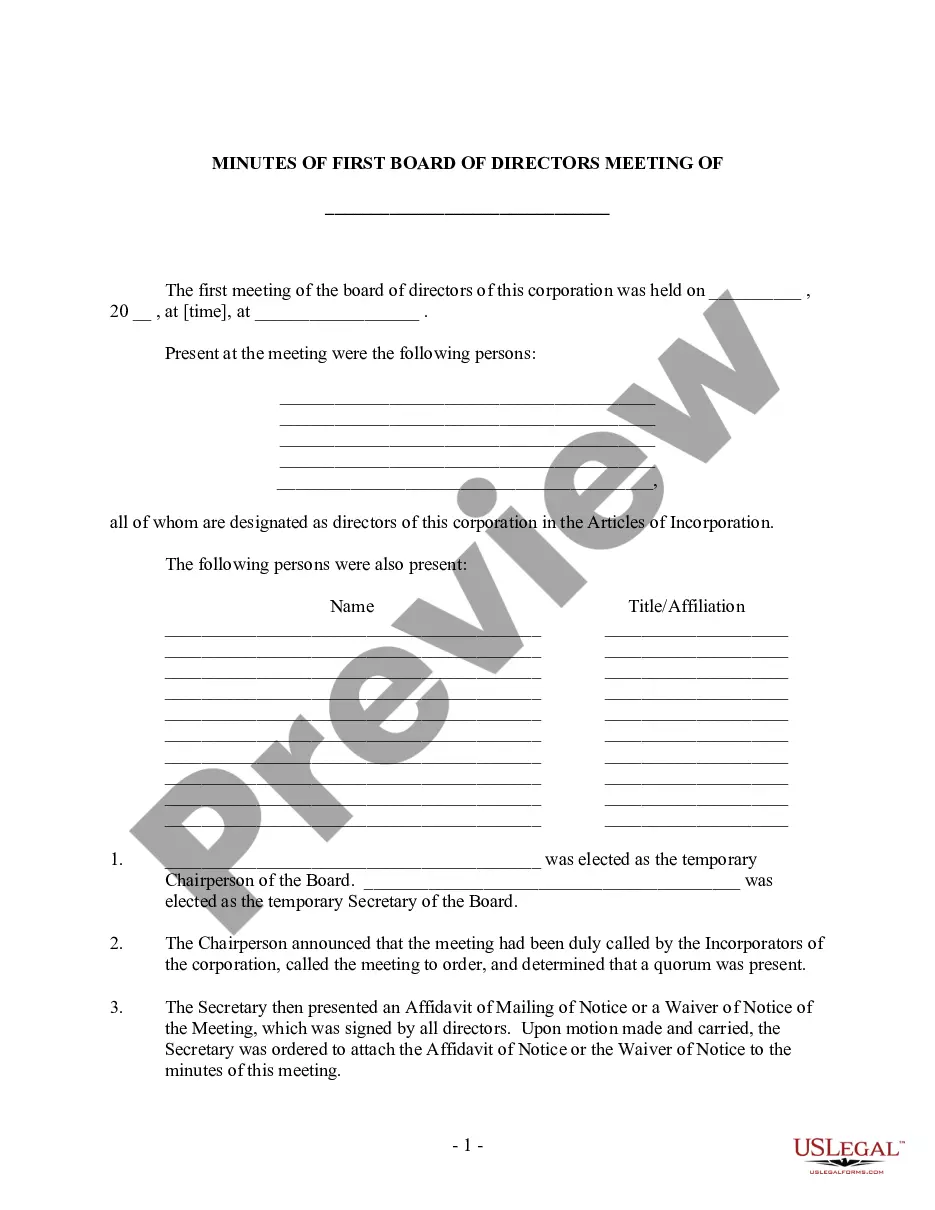
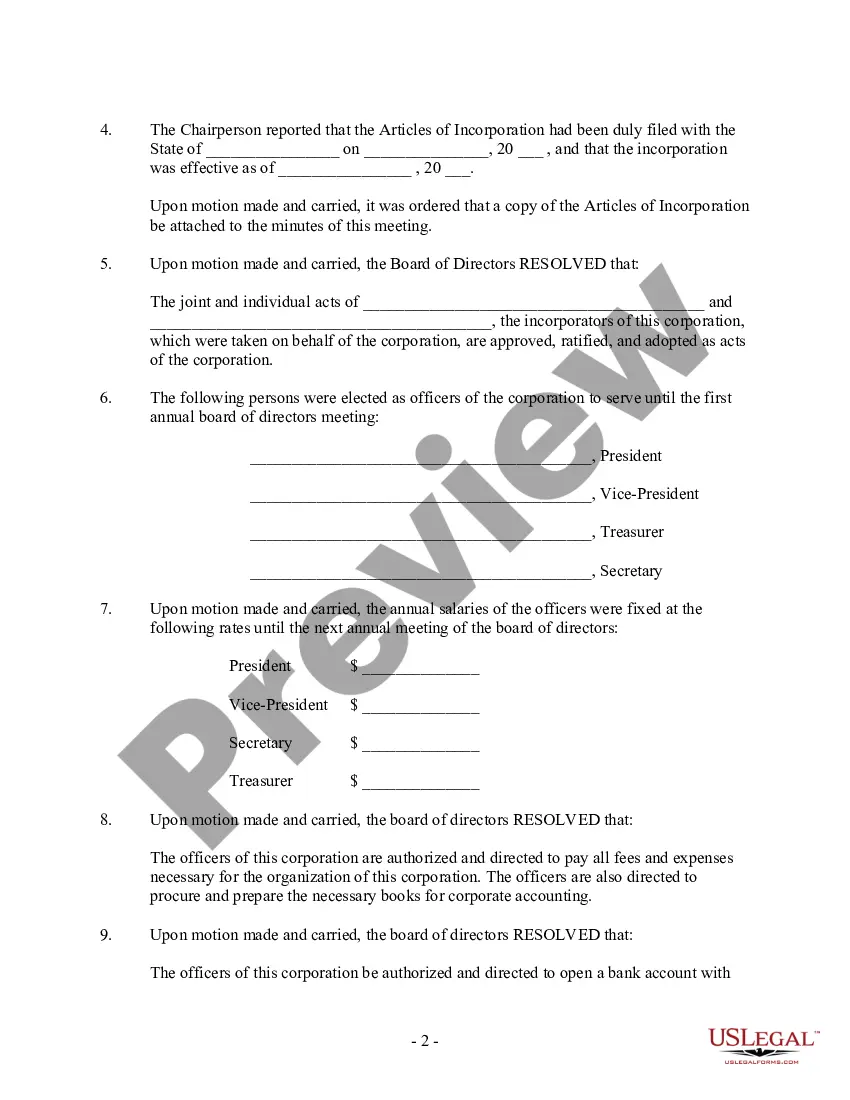
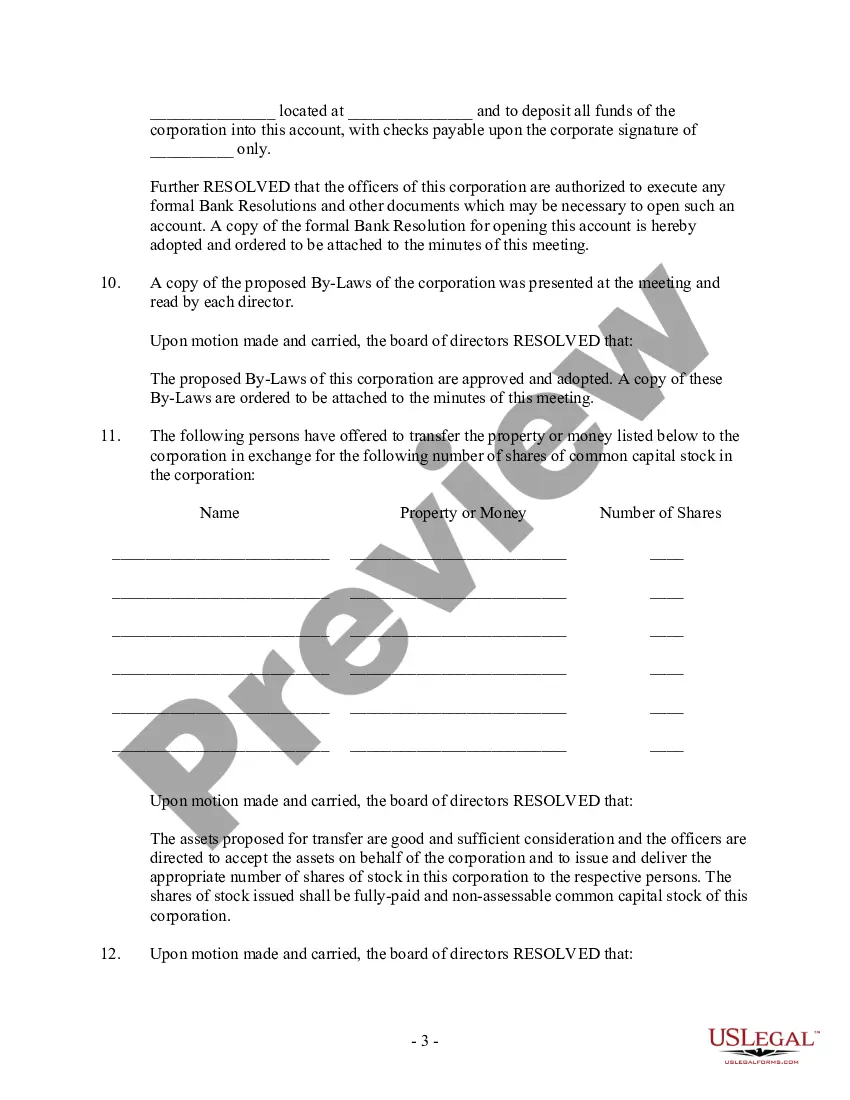
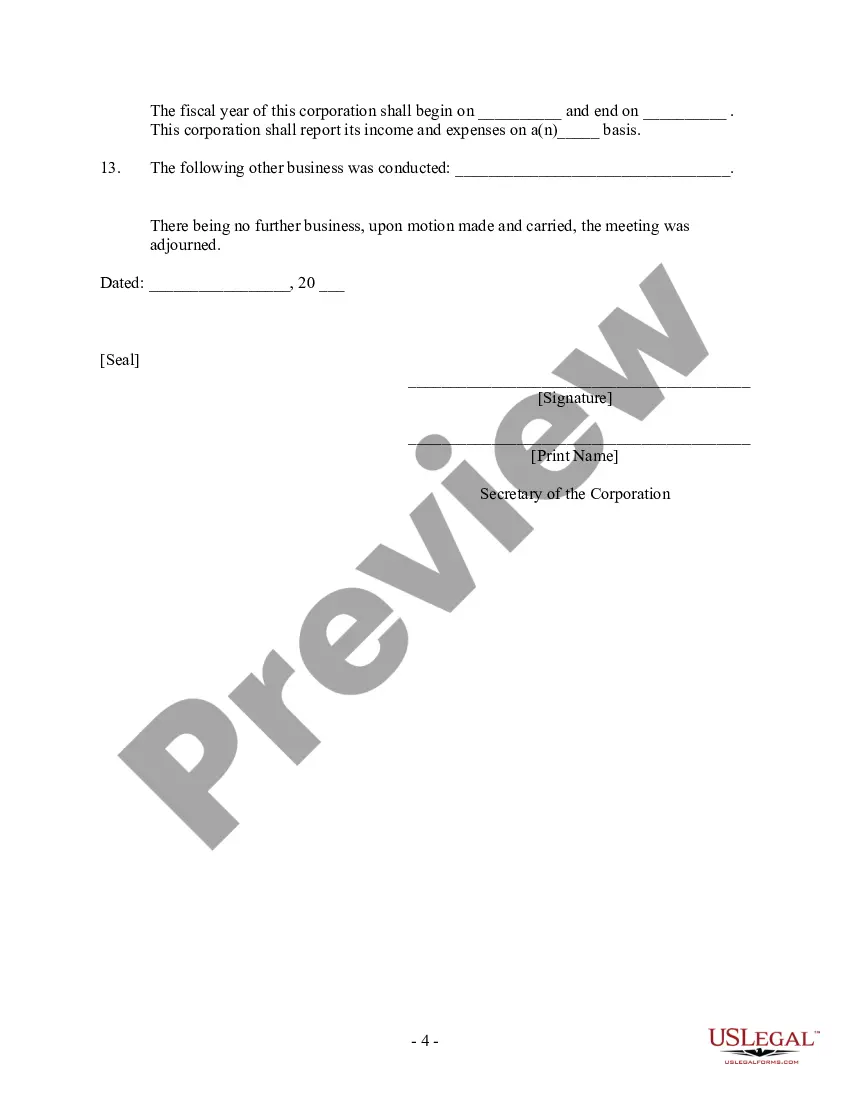
Get your form ready online
Our built-in tools help you complete, sign, share, and store your documents in one place.
Make edits, fill in missing information, and update formatting in US Legal Forms—just like you would in MS Word.
Download a copy, print it, send it by email, or mail it via USPS—whatever works best for your next step.
Sign and collect signatures with our SignNow integration. Send to multiple recipients, set reminders, and more. Go Premium to unlock E-Sign.
If this form requires notarization, complete it online through a secure video call—no need to meet a notary in person or wait for an appointment.
We protect your documents and personal data by following strict security and privacy standards.

Make edits, fill in missing information, and update formatting in US Legal Forms—just like you would in MS Word.

Download a copy, print it, send it by email, or mail it via USPS—whatever works best for your next step.

Sign and collect signatures with our SignNow integration. Send to multiple recipients, set reminders, and more. Go Premium to unlock E-Sign.

If this form requires notarization, complete it online through a secure video call—no need to meet a notary in person or wait for an appointment.

We protect your documents and personal data by following strict security and privacy standards.
Looking for another form?
Form popularity
FAQ
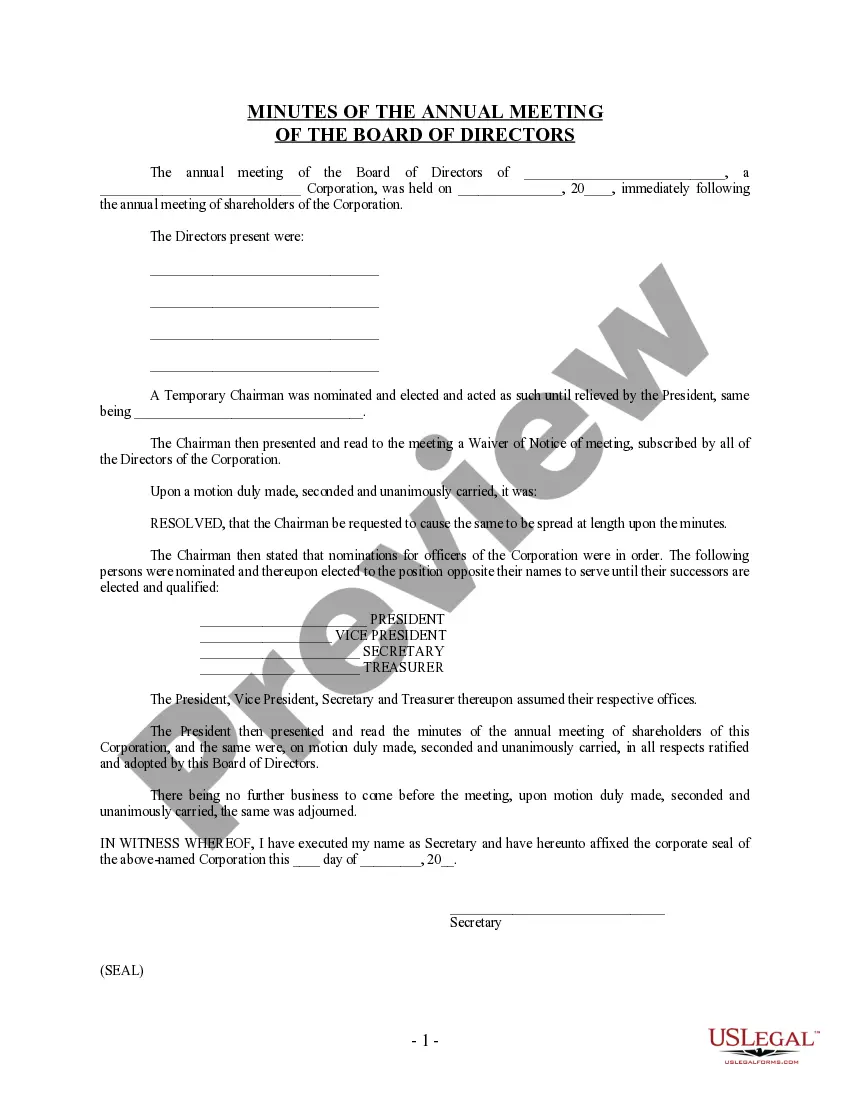
Information captured in an LLC's annual meeting minutes usually includes: The meeting's date, time, and location. Who wrote the minutes. The names of the members in attendance. Brief description of the meeting agenda. Details about what the members discussed. Decisions made or voting actions taken.
Under Utah Code § 76-10-2301, contributing to the delinquency of a minor includes: Any person who induces, aids, or encourages a child to violate any federal or state law, municipal or county ordinance, or court order commits contributing to the delinquency of a minor.
Recklessly with respect to circumstances surrounding his conduct or the result of his conduct when he is aware of but consciously disregards a substantial and unjustifiable risk that the circumstances exist or the result will occur.
The law states that a meeting is a gathering of a quorum of the members of a public body, either in person or through electronic methods, with the intention of discussing or deciding on public policy. The law requires that all meetings must be open to the public, unless exempted under executive sessions.
(1) A nonprofit corporation shall keep as permanent records: (a) minutes of all meetings of its members and board of directors; (b) a record of all actions taken by the members or board of directors without a meeting; (c) a record of all actions taken by a committee of the board of directors in place of the board of ...
Nonprofit board meeting minutes are generally not automatically made public, but the accessibility of these minutes depends on various factors, including the organization's policies, legal requirements, and state laws. Read on to learn more about transparency and nonprofit board meetings minutes.
Authorized shares. The articles of incorporation shall prescribe the classes of shares and the number of shares of each class that the corporation is authorized to issue.
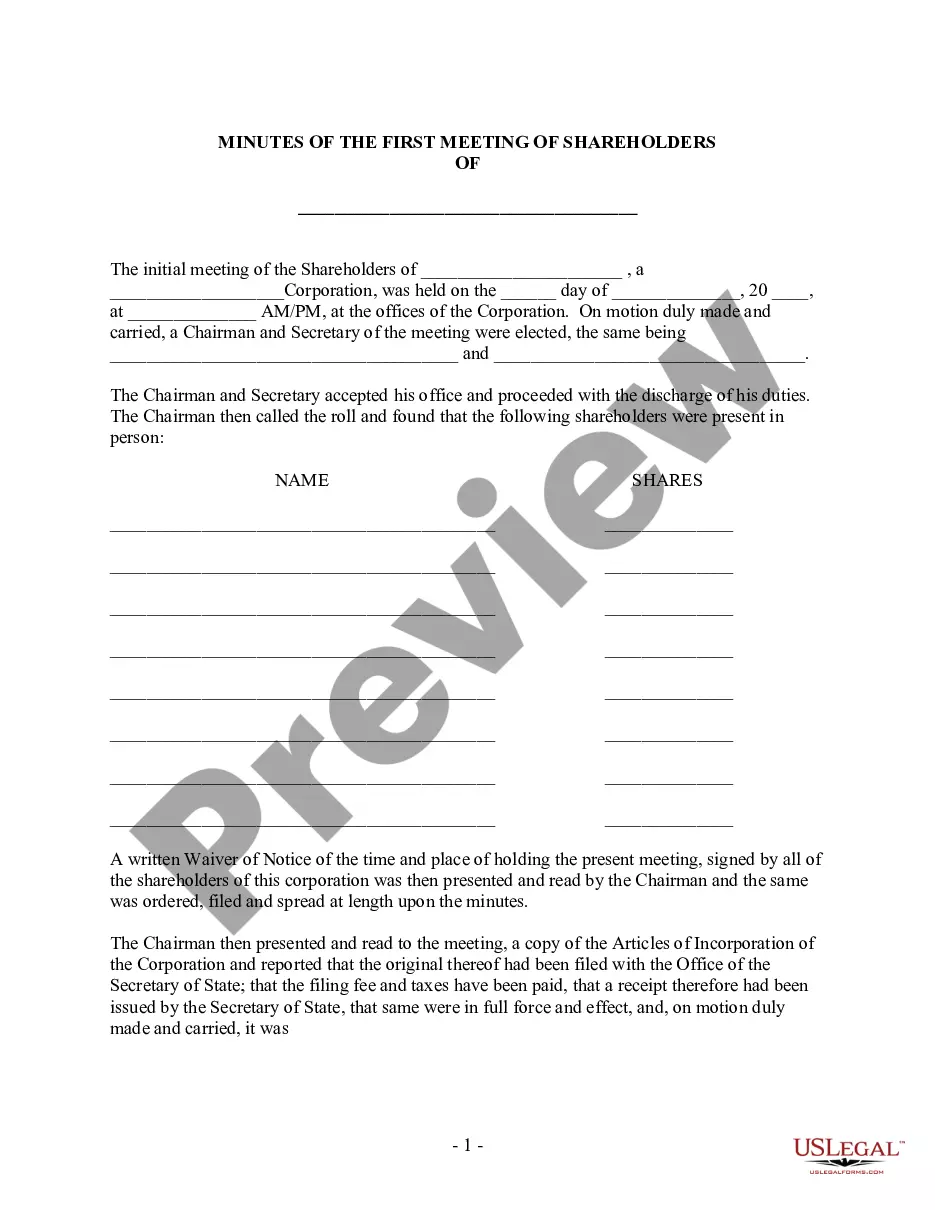
A corporation shall keep as permanent records minutes of all meetings of its shareholders and board of directors, a record of all actions taken by the shareholders or board of directors without a meeting, and a record of all actions taken on behalf of the corporation by a committee of the board of directors in place of ...
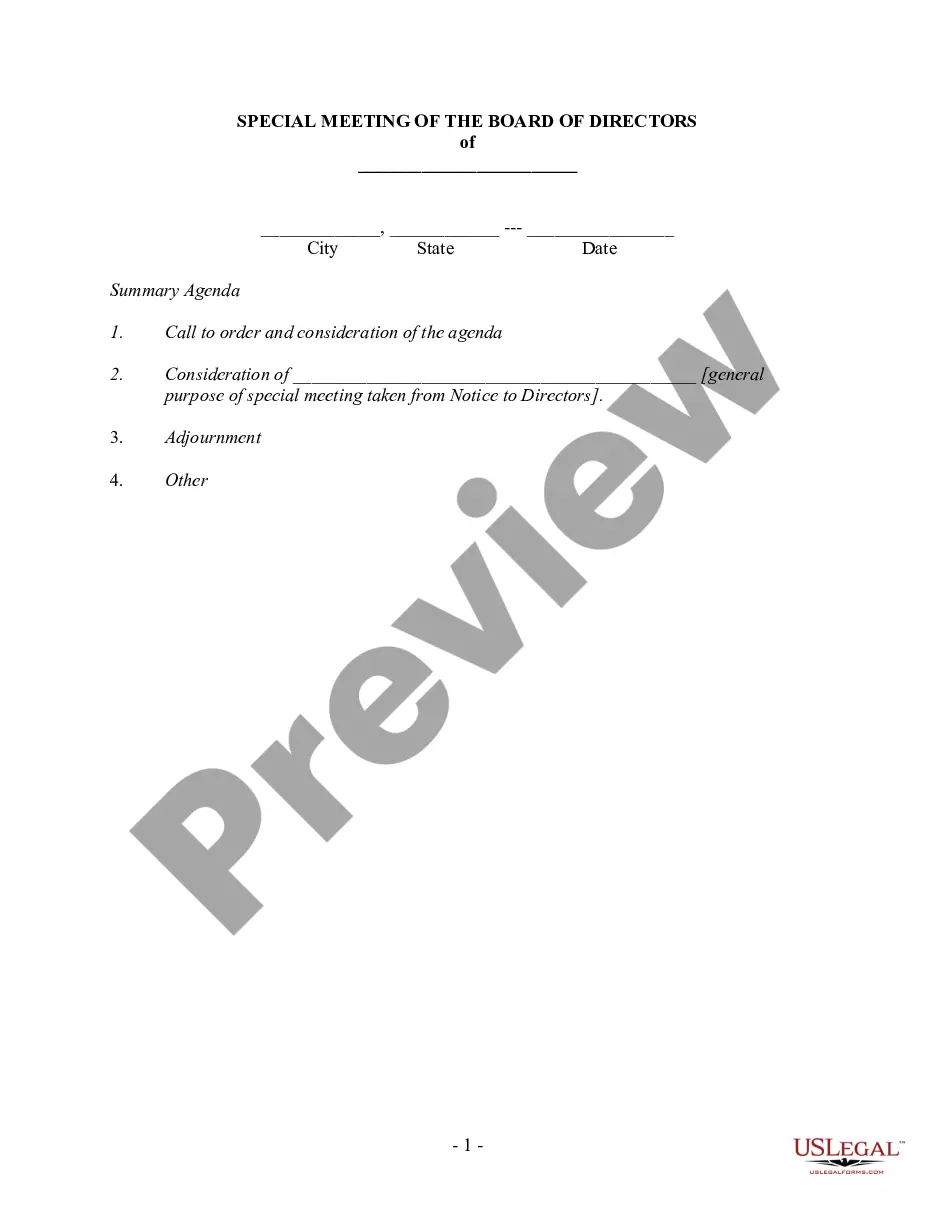
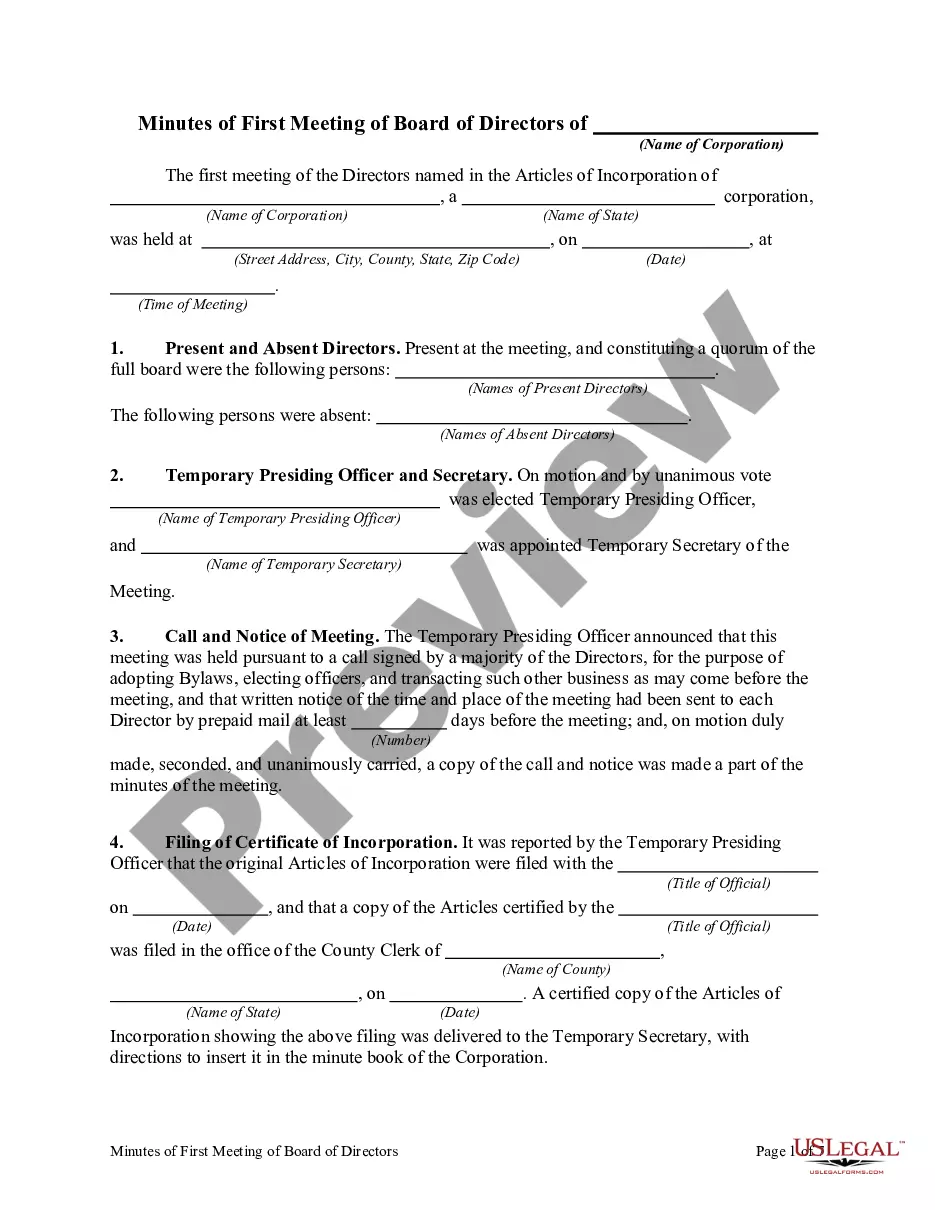
Corporate meeting minutes typically include: The meeting's date, time and location. A list of attendees and absentees, including any present board members or officers. Agenda items. Summaries of all discussion points. Details of all activities completed or agreed upon. Results of any votes or motions.
They are legally required to include these details: Date, time, and location of the meeting. Record of notice of board meeting provision and acknowledgment. Names of attendees and absentees, including guests. Approval of previous meeting minutes.